



C-ITS Market Entered by Telecommunications Companies, Will 5G-Based C-V2X Establish a Technology System?
 Published2019.10.30 19:28
국내는 통신사가 C-ITS 기술 확산 역할
C-ITS (Cooperative-Intelligent Transport Systems)
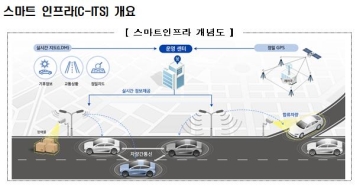
“차량이 주행 중 운전자에게 주변 교통상황과 급정거, 낙하물 등의 사고 위험 정보를 실시간으로 제공하는 시스템”
올해 국내 통신 3사가 연달아 5G를 기반으로 하는 C-V2V (Cellural Vehicle to Vehicle), C-V2X (Cellural Vehicle to Everything) 기술을 시연하고, 자율주행차 시장에 뛰어 들었다.
이는 현재 국토부 주관의 C-ITS 사업이 올해 12월 완료됨에 따라 더욱 높은 수준의 기술을 요구할 것으로 보인다.
C-ITS 워킹그룹은 자율주행 차량의 자체 탑재 장비만으로는, 안정적인 자율주행 보장이 어렵다고 판단하여, 완성차 업체와의 V2V ,V2I 협업을 제안하였으나 대부분 거절되었다. 그러나 2016년, 2018년 테슬라 및 기타 자율주행차량 운전자 사망사고 및 해킹시도 등으로 인해 차량 자체 솔루션만으로는 안정적 자율주행이 어려울 것으로 보는 인식이 전문가들 사이에서는 확산되고 있다.
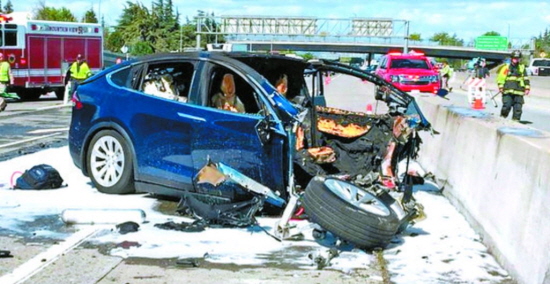
2018년 8월 발생한 테슬라 자율주행 차량 사망사고 현장
이러한 분위기에 편승하여 국내에서는 SK, KT, LGU+ 와 같은 대형 통신사가 V2V , V2X를 위한 자율주행 기반사업에 적극적으로 참여함으로써, C-ITS 적용을 위한 기반 기술 개발이 급물살을 타고 있는 모양이다.
C-ITS, 5G 활성화에도 기여하나?
KT는 지난 6월 서울시와 국토부가 주관하는 상암 자율 주행 5G 페스티벌을 통해 자율주행 버스를 선보였으며, 제주도 C-ITS 실증사업을 단독을 맡아 진행함으로써 시장 선점에 열을 올리고 있다.
올해 9월 진행한 제주 C-ITS 실증사업은 5G를 기반으로 V2X를 구현하는 사업으로, 이날 KT는 라이다 기반 정밀 측위 기술인 비젼 GPS를 공개하였다.
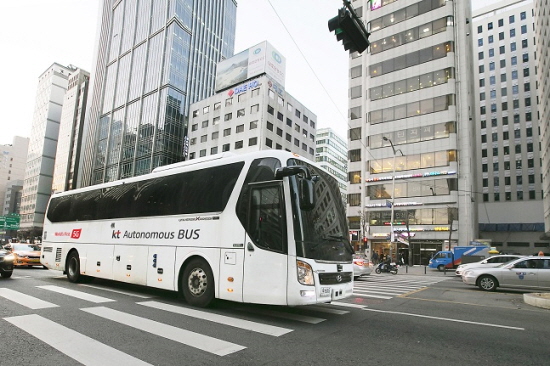
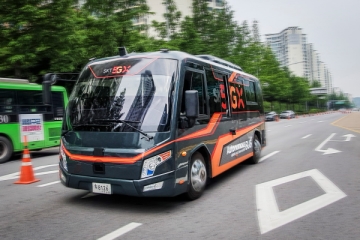
주행중인 KT 5G 기반 자율주행 버스
이 비젼 GPS를 5G-V2X 단말기에 탑재함으로써 전방 차량이 보고 있는 영상을 후방 차량에게 전달하는 시스루(See-Through) 기술을 실증하였다.
또한 이동 측위 위치 정보 시스템인 GPS-RTK를 사용하여 3,000대의 렌터카에 제공함으로써, 2019년 말까지 C-ITS 실증 사업을 완성한다는 계획을 가지고 있다.
SKT 역시 서울시와 지난 6월 상암 5G 자율주행 테스트를 공개하고, 5G-V2X 융합 자율 주행 기술을 시연함과 동시, 초정밀 자율주행을 위한 정밀도로 지도 플랫폼인 HD-MAP 및 전기차 충전소 등의 시설을 24시간 민간에게 개방하고 있다.
현재 서울 및 울산, 광주, 제주 등 4군데에서 지자체 실증 사업을 하고 있으며, 각 지자체 별로 C-ITS 테스트를 위한 인프라를 구축하고 있다.
LGU플러스는 올 7월 부산 해운대에서 5G 기술과 자율 주행 실증 사업을 발표했다.
또한 2021년까지 세종시와 함께 다이나믹(Dynamic) 정밀 지도, 관제센터, 빅데이터 분석, 모니터링 센터 등을 구축해 자율 주행 데이터 수집 및 공유를 위한 밑바탕을 마련한다고 밝혔다.
올해 10월에는 LGU플러스 사옥이 있는 마곡 LG 사이언스파크에서 5G-V2X 기반으로 일반도로 2.5Km 구간을 15분간 주행했다. 이날 시연된 자율주행에는 LG전자의 5G-V2X통신 단말이 사용되었으며, 5G 기반 모바일 엣지 컴퓨팅 저지연 통신 기술이 같이 시연되었다.
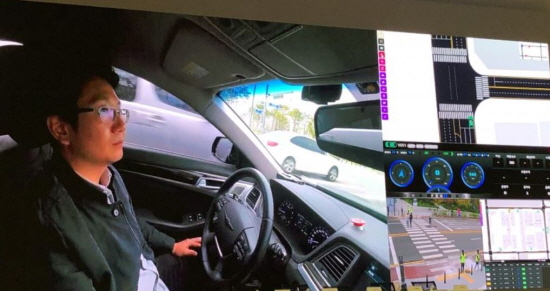
지난 10월 시연된 LGU+의 일반도로 자율주행 시연 장면
전세계는 C-ITS기반 자율주행 차량 구현 추세
한국은 국토부를 중심으로 2014년부터 C-ITS를 추진중에 있으며, 올해 12월 시범사업이 완료된다.
총330억원의 예산으로 진행된 C-ITS 사업은 대전에서부터 세종시 고속도록, 국도, 시가지 도로를 잇는 총 87.8Km 구간으로 되었으며, 이후 지자체 및 고속도록 실증 사업 후 전국으로 확대 구축이 예정되어 있어, 전국적 차세대 교통망 구축을 위한 정부 및 지자체의 투자가 시급한 상황이다. 또한 현재 혼재되어 있는 DSRC(Wave)와 C-V2X 의 사용기술 체계를 정립 하는것이 필요하다.
미국과 영국은 C-ITS를 법제적으로 제도화 하고자 단말기, 인프라 시설 보급에 주력하고 있으며, 미국은 V2V 통신 장치 의무 장착 제도를 추진하였으나 현제 보류 상태이다.
유럽의 경우 DSRC 방식(초고속 근거리 통신기술) 채택을 뒤집고 5G기반의 C-V2X방식으로 법안 재 수립을 준비중인 상태이다.
2025년부터 V2X 통신장치에 대해 신차를 평가하는 제도인 NCAP (New Car Assessment Program)에서 안정성 평가 진행을 하려는 모습도 보이고 있어 당분간 C-ITS에 대한 국내외 업계의 관심은 지속될 것으로 보인다.

Comments
Related news
The Ministry of Land, Infrastructure and Transport and the Seoul Metropolitan Government are creating a pilot zone to commercialize autonomous driving in urban areas.
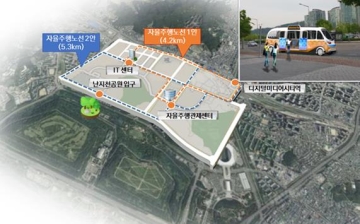
The Ministry of Land, Infrastructure and Transport and Seoul Metropolitan City have decided to establish a next-generation intelligent transportation system (C-ITS) in Seoul's urban areas and create autonomous driving pilot zones to enable the commercialization of autonomous driving in urban environments. This project is part of the next-generation intelligent transportation system demonstration project that the Ministry of Land, Infrastructure and Transport is promoting jointly with Seoul City to foster traffic safety innovation and establish the foundation for autonomous driving. To ensure successful project implementation and mutual support, the Ministry and Seoul City will also conclude a memorandum of understanding.
2018.05.15by 김지혜 기자
C-ITS Technology Exchange Forum Held to Create Autonomous Cooperation Industrial Ecosystem
The Ministry of Land, Infrastructure and Transport will hold an interoperability test for next-generation intelligent transportation systems (C-ITS) from May 21st (Monday) to 25th (Friday) at the Seoul Trade Exhibition and Convention Center as part of the activities of the 'Autonomous Cooperative Driving Industry Development Council,' which was launched in March. The council has held monthly symposiums to date, providing various forums for technology exchange including presentations of autonomous driving-related business promotion plans by major companies, announcements of smart infrastructure standards (drafts), and briefing sessions for small and medium-sized venture enterprises. This month, to support early commercialization of smart infrastructure such as terminals and base stations, an interoperability test will be conducted to verify whether communication equipment developed by relevant companies operate in interconnection with each other.
2018.05.21by 김지혜 기자
KT Begins Field Testing of 5G-V2X Technology on Real Roads
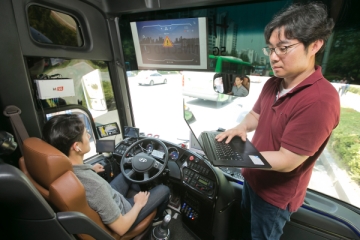
KT conducted field verification of 5G-V2X terminals installed in vehicles in the Gangbuk district of Seoul, testing scenarios such as forward collision warnings and pedestrian alerts. Vehicles connect to the C-ITS platform through the 5G network to receive traffic information necessary for driving. Utilizing 5G's ultra-low latency and high-capacity data transmission characteristics, various sizes of data can be transmitted without communication distance constraints, and communication between pedestrians and vehicles is also possible using 5G. KT plans to first verify basic functions focused on vehicle safety using V2X messages through the 5G network, and subsequently expand to functions such as video transmission and other high-capacity data transmission.
2019.06.17by 이수민 기자
SKT Unveils Sangam DMC 5G Autonomous Driving Testbed
SK Telecom unveiled the Sangam 5G autonomous driving testbed and demonstrated 5G and V2X convergence autonomous driving technology at the Sangam Autonomous Driving Festival. The Sangam 5G autonomous driving testbed is the core infrastructure of the Seoul C-ITS demonstration project, for which SK Telecom was selected as the lead operator in January. The testbed is equipped with comprehensive 5G-based autonomous driving infrastructure including 5G network, C-ITS, and control platforms, enabling autonomous driving and connected car test drives on general roads within the DMC. This is expected to enable safe autonomous driving using 5G-based V2X technology such as vehicle-to-vehicle communication (V2V) and vehicle-to-infrastructure communication (V2I) even in situations where vehicles face difficulty relying solely on vehicle sensors due to sensor errors and adverse weather conditions.
2019.06.24by 이수민 기자

[e4ds Tech Day 2026 ⑨] Sim Sang-gyu, Autocrypt CTO: "In the Physical AI Era, Automotive Security Must Extend Beyond the Vehicle"
At e4ds Tech Day 2026, Sim Sang-gyu, CTO of Autocrypt, explained automotive cybersecurity strategies in the era of Physical AI and SDV (Software-Defined Vehicle). Automobiles are evolving as part of an ecosystem connected to AI, cloud, chargers, IoT, and robots, and he emphasized that the scope of security must expand beyond the vehicle interior to the entire connected environment. In particular, AI model tampering, adversarial attacks, OTA updates, and EV charger hacking were identified as major threats. He explained that response measures require zero trust, AI model integrity protection, intrusion detection, Security by Design and Default, and full lifecycle security management, and that proactive security system establishment beyond regulatory compliance is critical for securing future mobility competitiveness.
2026.10.12by 배종인 기자











