



A Look at Five Key Industrial Automation Issues in 2019
 Published2019.12.18 20:51
CPS, MEC 등 신기술과 스마트시티 플랫폼에 관심
OPC-UA 프로토콜, TSN 규격 등 표준화 작업 진행
2019년은 자동화된 인프라, 그중에서도 특히 산업 인프라인 스마트팩토리에 대한 관심으로 뜨거웠던 해였다.
정부는 지난 6월, 세계 4대 제조강국 도약을 위한 ‘제조업 르네상스 비전 및 전략’을 발표했다. 제조업 르네상스 비전 달성을 위해 정부는 2022년까지 중소기업을 대상으로 스마트팩토리 3만개를 보급하고, 2030년까지 스마트 산단 20개를 조성하기로 했다.
또한, 2030년까지 AI 팩토리 2,000개를 구축하고 ‘제조업 혁신 특별법’ 제정 등 제조업 전반에 걸쳐 AI 기반 산업 지능화를 본격 추진키로 했다. 그리고 스마트팩토리 데이터를 축적하여 AI 기반 서비스를 지원하는 데이터센터를 구축하고, 스마트팩토리에 사용되는 핵심 소프트웨어, 로봇, 센서, 장비 등 스마트제조혁신 공급산업을 육성한다는 방침을 세웠다.
정책적인 지원과 함께 업계에서도 CPS, MEC 등 새로운 기술을 개발하고 도입하는 데 주력하고 있으며, OPC-UA 프로토콜과 TSN 규격 등 IoT 연결성을 높이는 표준을 확립하는 데 심혈을 기울이고 있다. 아예 공장을 넘어 도시에도 이러한 인프라를 적용하려는 시도가 늘고 있다. e4ds 뉴스에서는 이러한 흐름 속에 2019년이 가기 전, 꼭 짚고 넘어가야 할 기사 5가지를 선정했다.
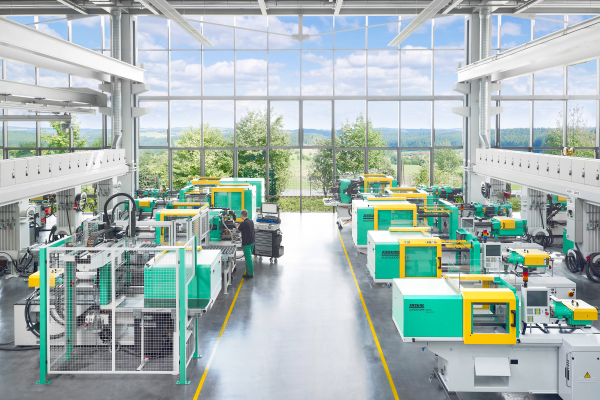
기존 산업 보완하고 신규 사업 창출하는 스마트팩토리
국내 제조업은 출산율 감소에 따른 생산 가능 인구 감소와 인건비 상승으로 개발도상국 대비 경쟁력이 낮아진 상황이다. 사회 구조적인 변화에 따른 제조업의 경쟁력 확보를 위해 정부 차원의 지원정책이 확대되고 있으며, 제조기업도 자체적인 생산성 확보 및 효율성 증대를 위해 스마트팩토리 도입을 가속하고 있다.
스마트팩토리는 사람의 노동력을 기계로 대체하는 공장 자동화를 포함하는 개념이지만 그것이 전부가 아니다. 중요한 것은 센서, 최첨단 공정, 데이터 등을 축적하는 디지털화, IoT를 통한 네트워크 연결화, 수집된 데이터 분석을 통한 문제점 발견 및 의사결정을 내리는 스마트화 등이다.
캡제미니 컨설팅에 따르면, 스마트팩토리 도입을 통해 창출되는 경제 효과는 2018년부터 2022년까지 5년간 전 세계적으로 최대 1.5조 달러에 달할 것으로 예상한다. 같은 기간 전 세계 GDP 예상 증가액이 약 18.4조 달러 수준인 점을 고려할 때 1.5조 달러는 약 8%를 차지하는 규모이다. 우리나라에서도 스마트팩토리의 시장 규모가 2020년까지 연평균 11.2%의 고성장이 예상되어, 2020년에는 78.3억 달러 규모로 형성될 것으로 업계는 전망하고 있다.
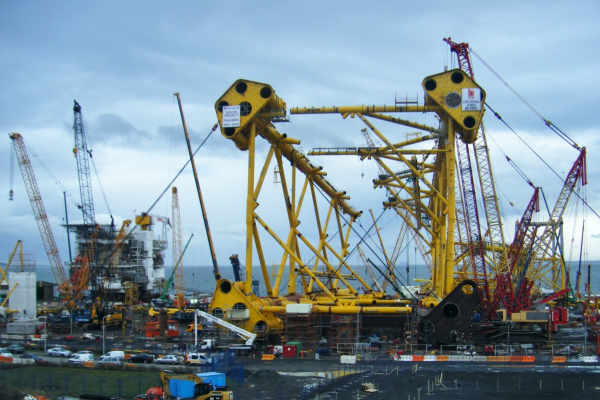
현실-가상 동기화하는 CPS, 스마트팩토리 가시화한다
스마트제조는 ICT를 활용한 제조이며, 이를 실행하는 생산 시스템이 스마트팩토리다. 스마트팩토리는 생산 현장에 다양한 ICT를 결합하여 개별 공장의 설비와 공정을 지능화하고 네트워크로 연결한다. 연결된 공장들은 모든 생산 정보를 실시간으로 공유하며 그를 활용해 효율적이고 자율적으로 운영된다.
스마트팩토리의 주목적은 효율적이고 유연한 자율적인 지능형 설계와 운영이다. 이를 위해 적용되는 주요한 개념이 인지, 판단, 행동을 능동적이고 자율적으로 수행하는 사이버 물리 시스템, CPS다. CPS는 사이버 세계의 디지털 모델에 연결, 활용하는 컴퓨터 기반 구성 요소와 시스템이다.
CPS는 IIoT 기술을 적용해 생산 전 과정에서 제품, 공정, 설비, 공장 등 모든 개체를 연결, 감시하고, 모아진 제조 빅 데이터를 관리, 정제, 분석한다. 그리고 실시간 동기화를 통해 현장 상황과 일치하는 사이버 모델을 수립하고 지능적으로 활용한다. 이를 통해 자율적이고 능동적으로 설계 및 운영 최적화를 달성하려는 스마트팩토리의 핵심 기술이라고 할 수 있다.
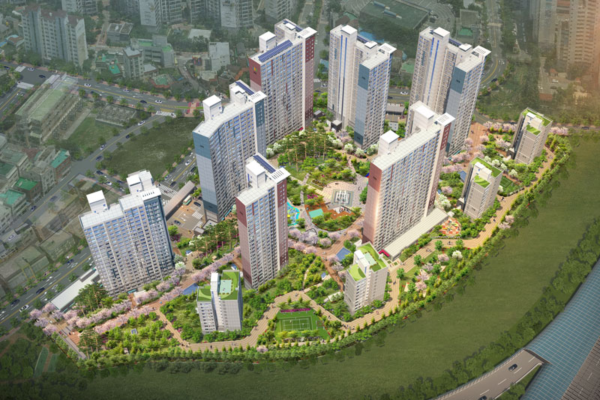
대구 수성알파시티로 살펴본
스마트시티 플랫폼의 현재, 그리고 미래
인구가 도시로 집중되면서 각종 사회적, 환경적 문제가 발생하고 있다. 스마트시티는 도시에 ICT, 빅데이터 등 신기술을 접목하여 각종 도시문제를 해결하고 삶의 질을 개선할 수 있는 도시 모델이다. 최근에는 더 나아가 다양한 혁신기술을 도시 인프라와 결합해 구현하고 융복합할 수 있는 공간이라는 의미의 도시 플랫폼을 지향하고 있다.
2017년, 국토교통부는 철지난 유비쿼터스란 말을 대체하기로 결정했다. 그리고 유비쿼터스도시법을 스마트도시법으로 개명했다. 스마트시티가 U-시티와 다른 점은 U-시티 관제센터 대신 스마트시티 플랫폼이란 기반 시스템이 존재한다는 것이다.
대구 수성알파시티는 2019년 8월, 스마트시티 5대 분야 13개 서비스를 완성했고 안정성 및 효능성 검증을 마쳤다. 대구도시공사는 앞으로 기존 시가지를 단계적으로 스마트화하며, 신규 개발지는 계획단계부터 스마트 기술을 전면적으로 적용할 방침이다.
.png)
초저지연 5G 스마트팩토리 구현의 열쇠, MEC 기술
5G 네트워크 서비스의 상용화를 기점으로 대용량 데이터의 신속한 처리가 요구되고 있다. 그러나 클라우드 컴퓨팅만으로는 데이터센터로 집중되는 대용량 데이터 처리에 한계가 있다. 그리하여 데이터가 생성되는 곳에서 데이터를 처리하려는 움직임이 일기 시작했다.
MEC 기술은 물리적으로 무선 기지국에 가까운 위치에서 빠르고 안정적인 통신 환경에 기반을 둔 소비자 맞춤형 서비스 제공을 위한 분산 클라우드 기술이다. 통신사업자의 모바일 코어망 혼잡을 최소화하여 망 증설 비용을 절감하는 MEC는 서비스 품질의 개선을 가져올 수 있다. 서비스 제공자에게는 새로운 로컬 서비스를 창출하여 비즈니스 영역을 넓힐 기회를 제공한다.
MEC 기술은 스마트팩토리뿐만 아니라 스마트시티, 자율주행차량, AI, VR/AR을 너머 더욱 다양한 분야에서 활용될 여지가 많다. 따라서 새로운 비즈니스 모델 창출을 위한 도전정신이 더욱 필요해지고 있으며 이를 뒷받침할 제도적 지원도 필요하다.
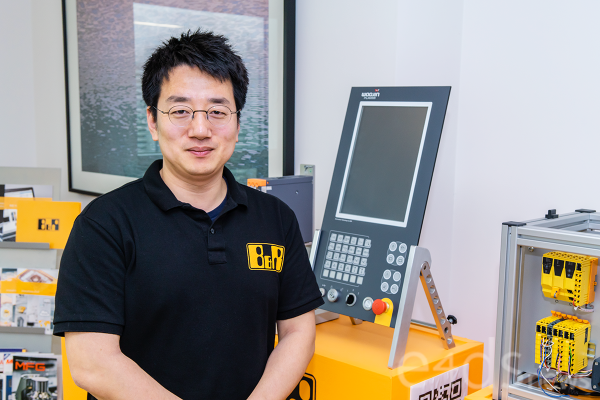
제조업은 한국 산업과 경제의 근간이다. 4차 산업혁명 시대가 코앞으로 오자 곳곳에서 한국 제조업의 생산성을 높이자며 지능화에 대해 목소리를 높였다. 어디에나 붙던 스마트는 공장에도 붙어 스마트팩토리라는 말이 등장했고 어느새 일반화됐다.
스마트팩토리는 공장 자동화보다 진보한 개념이다. 단위 공정별로 자동화와 최적화가 이루어진 공장 자동화는 데이터는 개별적으로 수집한다. 반면 스마트팩토리는 데이터가 연결되어 있다. 따라서 데이터를 수집하면 데이터끼리 연계가 가능하다.
그렇다면 수많은 단에서 발생하는 데이터를 연계하려면 어떤 방법을 사용해야 할까? OPC-UA는 산업용 자동화 애플리케이션을 위한 공급자 독립적인 통신 프로토콜이다. 이 프로토콜은 유연하고 완벽하게 독립적이다. 따라서 인더스트리얼 4.0의 구현을 위한 이상적인 통신 프로토콜로 간주되고 있다.
Comments
Related news
A conference was held to examine successful cases of smart factory construction.
The Smart Manufacturing Best Practices Conference 2019 was held on the 21st at COEX Hall E in Samseong-dong, Seoul. At the conference, participants identified and shared insights regarding successful implementation cases, core enabling technologies, and strategies of domestic and international large enterprises and SMEs that are advancing smart factory sophistication to strengthen manufacturing capabilities.
2019.11.21by 이수민 기자
"Data is more valuable than oil": Why manufacturing needs to become smart
The value of data is changing. Data is now more than just the new oil. Manufacturing produces more data than any other industry, yet it remains the least utilized. As manufacturing trends evolve, to win in competition against other companies, organizations must realize manufacturing transformation and build smart factories.
2019.12.03by 이수민 기자
How to implement distributed cloud computing in smart factories?
As the volume of data to be processed increases, issues related to data server stability, response speed, security, and reliability are being raised. Distributed cloud computing, or MEC (Mobile Edge Computing), differs from conventional cloud infrastructure by deploying forward at the user end, thereby delivering fast, stable, and highly secure services. Smart factories are identified as the field where MEC will be most effectively utilized.
2019.12.04by 이수민 기자

Korea Instrument, KOLAS Accredited Calibration Agency First to Simultaneously Acquire ISO/IEC 27,001·27,701
Korea Instrument has become the first among KOLAS accredited calibration agencies to simultaneously acquire ISO/IEC 27,001 and ISO/IEC 27,701 certifications. Through its proprietary platforms CWIZ Enterprise and CWIZ Partners, the company has embedded information security and personal data protection requirements across all business processes including customer information, equipment data, and calibration reports, with plans to continuously advance its management system through regular audits and security inspections.
2026.10.12by 배종인 기자

TeamViewer One, IT Incident Automation Workflow and Resolution Center Enhanced
TeamViewer has added IT incident automation capabilities and an advanced Resolution Center to its integrated digital workplace management platform 'TeamViewer ONE'. Recurrent service disruptions, configuration errors, and capacity shortages are automatically handled according to preset policies, and device status verification through script deployment can be managed in a unified interface, significantly reducing repetitive tasks for IT teams.
2026.10.12by 배종인 기자











