



Intel Introduces Portfolio to Accelerate 5G Network Deployment
 Published2020.02.25 08:26
2세대 인텔 제온 스케일러블 프로세서 추가
5G 가속 ASIC, 코드명 다이아몬드 메사 발표
5G의 잠재력을 최대로 발휘하기 위해서는 네트워크 인프라를 코어부터 에지까지 전환해야 한다.
인텔은 25일, MWC 2020에서 공개 예정이었던 5G 네트워크 관련 하드웨어 및 소프트웨어 제품군을 발표했다.
기지국용 10㎚ SoC, 인텔 아톰 P5900 플랫폼
5G 기지국은 2024년까지 6백만 개에 달할 전망이다.
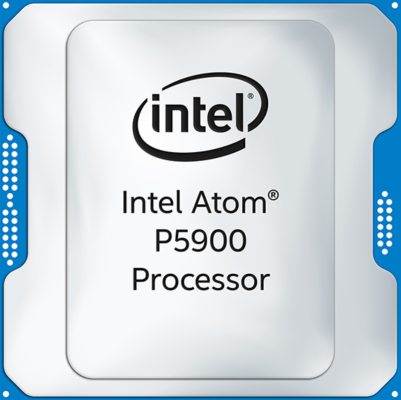
인텔 아톰 P5900은 고효율의 가상 컴퓨팅 환경, 초저지연, 가속화된 처리량, 정밀한 로드 밸런싱을 포함해 현재와 미래에 5G 기지국에 필요한 기능을 제공한다.
이 제품은 현재 시장에 공급 중이다.
2세대 인텔 제온 스케일러블 프로세서 신제품 추가
5G의 영향으로 올해 전 세계 코어 네트워크의 50%가 가상화되고, 2024년까지는 80% 이상이 될 전망이다.
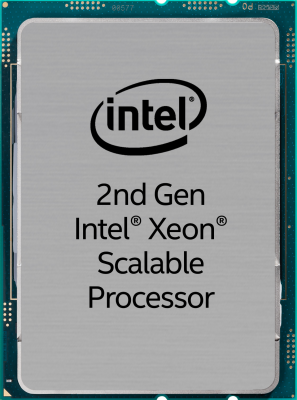

2세대 인텔 제온 스케일러블 프로세서는 이전 세대의 인텔 제온 골드 제품보다 최대 36% 향상된 성능과 42% 향상된 비용 대비 성능을 제공한다.
인텔 제온 스케일러블 제품은 하드웨어 강화 보안과 빌트인 암호 가속기로 데이터와 플랫폼을 보호한다. 인텔은 이와 함께 우선순위가 높은 고객 워크로드 전반에 사용되는 새로운 프로세서를 지원하는 셀렉트 솔루션(Select Solutions) 18개를 업데이트했다.
5G 네트워크 가속용 ASIC, 다이아몬드 메사
코드명 다이아몬드 메사는 5G 네트워크에 필요한 성능을 제공하고 지연 시간을 줄이는 인텔의 네트워크 프로세서로, 인텔의 CPU 및 FPGA 포트폴리오를 보완하기 위해 설계되었다.
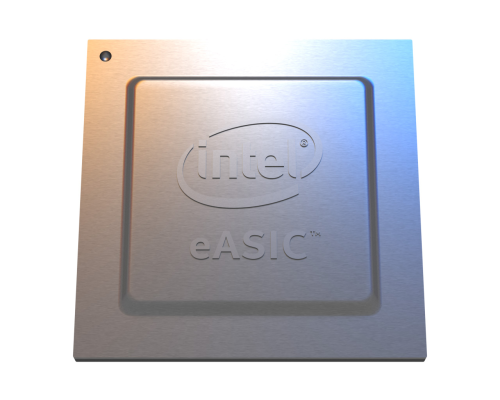
다이아몬드 메사와 같이 구조화된 ASIC은 FPGA의 완전한 프로그래밍이 가능할 것을 요구하지 않는 워크로드에서 최소한의 위험으로 최적화가 가능하다. 따라서 이전 세대 대비 성능 효율성을 2배로 높일 수 있다.
다이아몬드 메사는 일부 고객들에게 먼저 공급된다.
5G 네트워크에 최적화된 이더넷 NIC,
인텔 이더넷 700 시리즈 네트워크 어댑터
이더넷 700 시리즈는 5G 최적화 네트워크 어댑터이자 하드웨어 향상 정밀 시간 프로토콜(Precision Time Protocol; PTP)로, GPS 기반의 네트워크 서비스 간 시간 동기화를 제공한다.
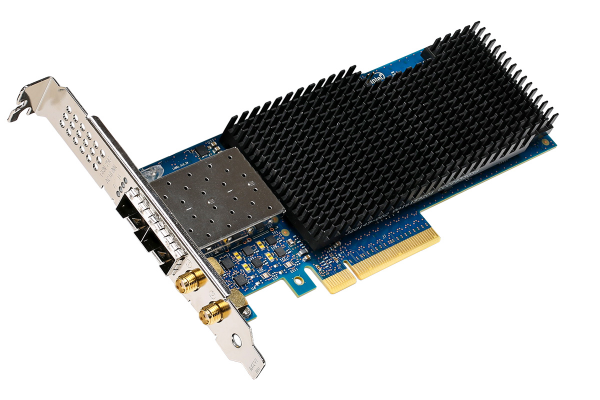
5G 네트워크를 구현하기 위해 지연 시간을 줄이려면 에지 서버에서 기존 이더넷 기술의 개선이 필요하다. 비용 효율적으로 네트워크 전반의 정확한 시간 동기화를 유지하는 것은 지연 시간을 해결하는 데 도움이 된다.
이더넷 700 시리즈 어댑터는 향상된 하드웨어와 소프트웨어를 결합해 5G 네트워크에 필요한 시간 정확성을 높인다. 현재 샘플링 중이며, 2020년 2분기부터 생산될 예정이다.
새로운 소프트웨어 투자 발표
이제 인텔 OpenNESS는 독립형 5G NR 및 향상된 플랫폼 인식(EPA) 구현을 지원하여 고객이 원하는 클라우드 네이티브 기반 에지 마이크로 서비스를 쉽게 구현할 수 있도록 돕는다.
OpenNESS는 인텔 오픈비노(OpenVINO)와 에지 컴퓨팅 개발을 위한 오픈 비주얼 클라우드(Open Visual Cloud)를 보완한다. 또한, 인텔은 맞춤형 OpenNESS 체험 키트를 제공하고 있다.
나빈 셰노이(Navin Shenoy) 인텔 수석부사장 겸 데이터 플랫폼 그룹 총괄은 “인텔은 5G 네트워크 인프라 시장을 주목하고 있다”라며, “5G와 관련된 실리콘 시장이 2023년까지 250억 달러 규모로 성장할 것으로 전망하고 있다”라고 말했다.
Comments
Related news
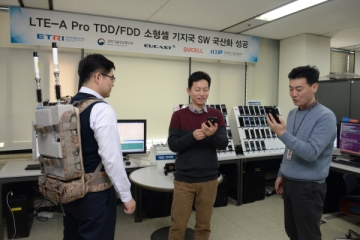
ETRI joins hands with Qualcomm to localize 5G small cell technology
A 5G small cell is a low-cost, low-power, compact mobile communication base station that provides the same functions as a base station but can deliver 5G mobile communication services within a radius of 1 km. ETRI announced that it will conduct joint research with Qualcomm to develop millimeter wave-based 5G NR small cell technology.
2020.01.14by 이수민 기자

Samsung Electronics' growth engines for 2020 are 5G chips and high-resolution sensors
Samsung Electronics announced its fourth-quarter 2019 results on the 30th, reporting consolidated revenue of 59.88 trillion won and operating profit of 7.16 trillion won. First quarter 2020 is expected to see a decline in results due to seasonal off-season effects. Nevertheless, Samsung Electronics anticipates that major business divisions will grow in 2020.
2020.01.31by 이수민 기자
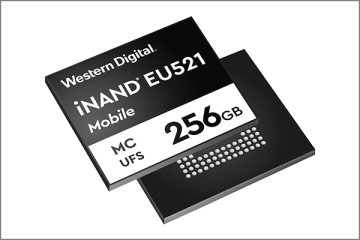
WD Unveils Embedded UFS 3.1 for 5G Smartphones
Western Digital has unveiled the embedded UFS device iNAND MC EU521. The EU521 is optimized for 5G applications and performance by applying the write booster technology of UFS 3.1, the next-generation industry standard newly announced by JEDEC. It provides sequential write speeds of up to 800MB/s, improving application usage environments such as 4K and 8K content downloads, large file transfers from the cloud, and gaming.
2020.02.21by 이수민 기자

Intel Unveils Next-Generation 'Core Ultra Series 3' and vPro Platform for Enterprise PCs
Intel has officially unveiled the "Intel Core Ultra Series 3" for next-generation enterprise PCs and the latest vPro platform, addressing a wide range of demands from enterprise notebooks to high-performance workstations.
2026.03.26by 배종인 기자

ROHM Launches ESD Protection Diode Compatible with High-Speed Interfaces of 10Gbps or Higher
Semiconductor specialist ROHM has developed the 'RESDxVx series' of ESD (electrostatic discharge) protection diodes capable of responding to next-generation high-speed data communication environments exceeding 10Gbps, simultaneously enhancing both signal quality maintenance required in high-speed interfaces and IC protection performance.
2026.03.26by 배종인 기자











