


Checking the Status of 5G Infrastructure: "Was the World's First 5G Commercialization a Half-Success?"
 Published2020.03.17 17:01
美, 28, 39GHz 대역 밀리미터파 인프라 구축
코로나19 팬데믹으로 릴리즈-16 확정 지연 우려
삼성전자는 지난 2월 ‘삼성 갤럭시 언팩 2020’을 열고 ‘갤럭시 S20 시리즈’를 선보였다. 3개의 모델이 포함된 갤럭시 S20 시리즈는 모두 5G를 지원하는 스마트폰이다.
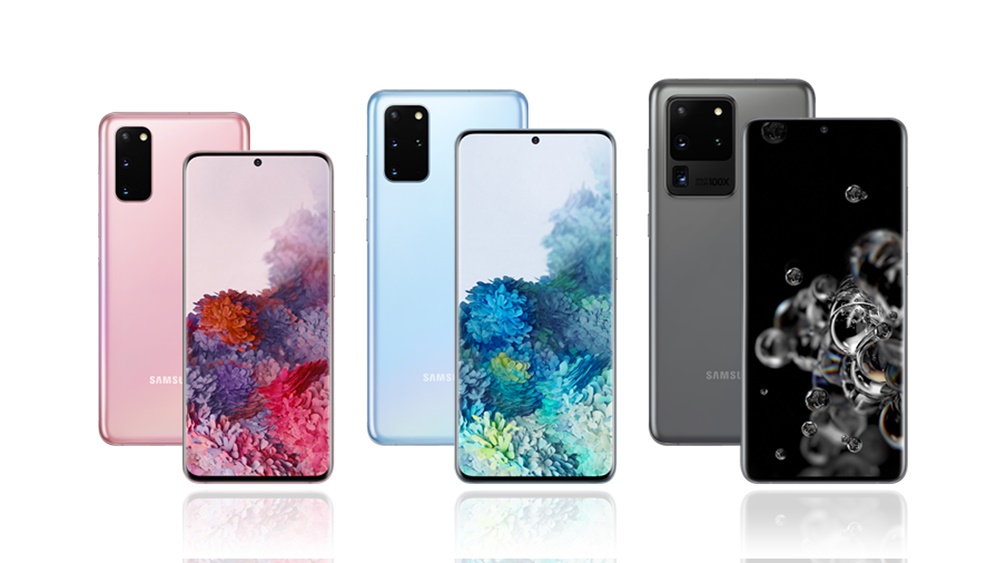
내수 판매용에는 밀리미터파 모듈이 제외됐다 (사진=삼성전자)
기본 모델인 ‘갤럭시 S20’을 제외한 나머지 ‘갤럭시 S20+’와 ‘갤럭시 S20 울트라’는 내수 판매용이 미주 판매용보다 2g 가볍다. 이는 내수 판매용에서 밀리미터파(mmWave) 모듈이 빠졌기 때문이다.
이러한 조치는 삼성전자와 국내 이동통신 3사 간 협의한 결과로 알려졌다. 즉, 국내에서 갤럭시 S20 시리즈로는 5G 밀리미터파 네트워크가 구축되더라도 이를 사용할 수 없다. 삼성전자는 빨라야 ‘갤럭시 노트 20’부터 내수 판매용에 밀리미터파 모듈을 탑재할 계획이다.
요원한 5G 밀리미터파 대역 인프라 완비
2018년 6월에 있었던 5G 주파수 경매에서 이동통신 3사는 3.5GHz 대역에서 원하는 세부 대역을 차지하기 위해 총 2조9,960억 원을 사용했다.
반면, 28GHz 대역에서 쓴 돈은 그에 못 미치는 총 6,223억 원이었으며, 그마저도 3사가 각각 쓴 돈은 몇억 차이밖에 나지 않았다.
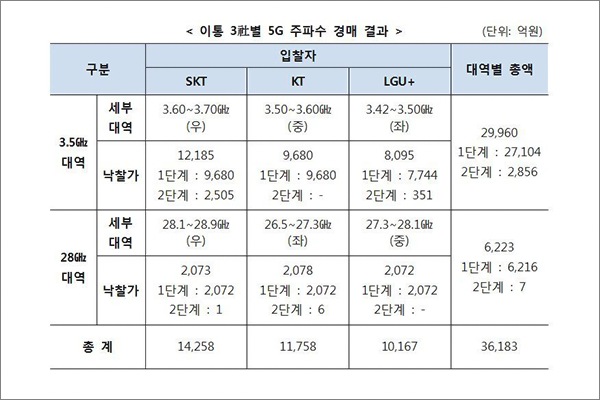
별다른 경쟁이 없었다 (표=과학기술정보통신부)
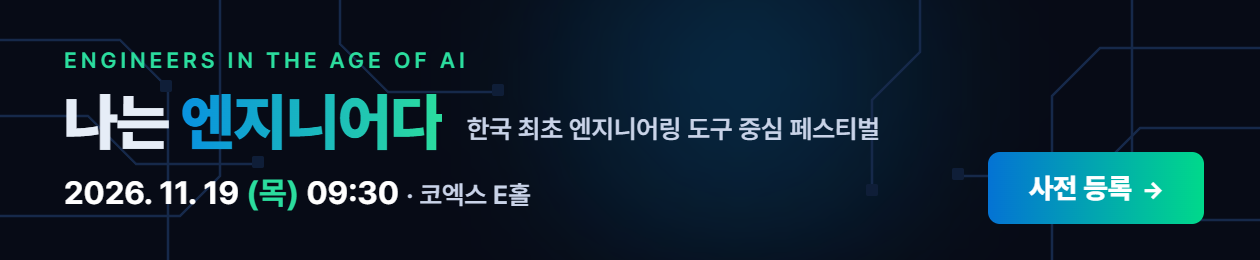
이통 3사가 3.5GHz로 대표되는 ‘6GHz 이하(Sub-6GHz)’ 대역을 28GHz로 대표되는 밀리미터파 대역보다 더 중요하게 여겼기 때문이다.
28GHz는 3.5GHz보다 속도가 더 빠르지만, 전파 도달 범위가 짧아 네트워크 구축 비용이 더 들어간다. 전 세계적으로 5G 상용화 레이스에 불이 붙은 상황에서 이는 큰 단점이었다.
2019년 4월, 우리나라는 결국 5G 상용화 레이스에서 승리했다. 그러나 현재까지 어느 이동통신 사업자도 밀리미터파 대역 인프라 계획을 발표하지 않고 있다.
5G SA, 올해 상반기 내로 상용화 예정
2020년 3월 기준으로 국내 5G 가입자 수는 500만에 이르렀지만, 스마트폰 상단에서 5G 네트워크로 통신한다는 뜻의 ‘5G 아이콘’을 거의 보지 못한다는 불만이 여전하다. 대다수 가입자는 5G 속도가 기존 LTE 대비 뚜렷하게 빠르지 않다고 생각하고 있다.
현재 5G는 5G 단독으로 동작하지 않는다. 단독으로 동작하는 5G 단독모드(Standalone; SA)가 아직 상용화되지 않았기 때문이다. 현재 사용되는 5G 비단독모드(Non Standalone; NSA)는 LTE와 함께 동작한다. 5G SA와 달리 5G NSA는 5G 표준이 등장하기 전인 3GPP 릴리즈-12부터 기반 기술이 등장했다.
수신(Receive; Rx)과 송신(Transmit; Tx)을 지원하는 단말이 하나 이상의 기지국이 제어하는 리소스를 동시에 활용하는 DC(Dual connectivity) 기술은 이용자가 많은 곳에서의 원활한 LTE 서비스 제공을 위해 고안되었다.
2.6GHz 이하 대역의 주파수를 사용하는 LTE 기지국, 3.5GHz 대역 주파수를 사용하는 LTE 스몰 셀(Small cell) 기지국의 커버리지가 중첩된 곳에 있는 LTE 단말은 DC 기술을 통해 양 기지국의 리소스를 모두 사용할 수 있다.
3.5GHz 대역은 이후 5G 기술로도 지원되도록 정의됐다. 따라서 NSA는 LTE와 함께 이미 인프라가 어느 정도 구축된 상태였기 때문에 SA보다 구축이 빨랐다.
밀리미터파 대역 인프라와 달리 5G SA 상용화는 곧 이루어질 전망이다. 이통 3사는 각각 올해 상반기 안으로 5G SA를 상용화한다고 밝혔다. 3사는 이를 위해 지난해 말부터 각기 다른 제조사의 장비를 조합한 기지국과 교환기를 테스트하고 있다.
국제 표준 방식의 네트워크 슬라이싱 기술은 물론, 모바일 에지 컴퓨팅(Mobile Edge Computing; MEC)을 포함해 기능 모듈화, 데이터 병렬 처리 기술 등 5G 관련 기술도 테스트 중이다.
글로벌 5G 패권경쟁, 미국이 가장 적극적
중국은 ‘중국제조 2025’와 ‘13차 5개년 계획’을 통해 2020년까지 5G를 상용화하겠단 계획을 세웠으며, 2019년 11월에 이를 실현했다. 일본은 2020년 도쿄 올림픽을 기점으로 대대적인 5G 상용화를 계획하고 있다. 유럽, 중동 등에서도 5G의 공식 명칭인 ‘IMT-2020’에 따라 2020년에 5G를 본격적으로 확대할 예정이다.

5G 밀리미터파 대역 인프라가 구축되어 있다
미국은 5G 우위를 미·중패권경쟁의 승리 수단으로 꼽고서 상용화에 적극적으로 나서고 있다. 2019년 4월, 도널드 트럼프 미국 대통령은 글로벌 5G 경쟁에서 미국의 반드시 승리해야 한다고 발표했다. 그에 따라 여러 조치가 시행됐다. 미국 정부는 핵심 규제기관인 미연방통신위원회(FCC)를 주축으로 ‘5G FAST PLAN’을 발표했다.
계획에 따라 24, 28, 37, 39, 47GHz 대역이 시장에 공급됐으며, 26, 42GHz 대역의 추가 공급도 논의 중이다. 2.5, 3.5, 3.7~4.2GHz의 중대역, 600, 800, 900MHz의 저대역, 6, 95GHz의 비면허 대역도 공급이 추진 중이다. 그밖에도 인프라 정책 개편과 구식 규제 현대화가 진행되고 있다.
이에 따라 버라이즌은 미국 내 30개 도시에 28GHz 대역을 활용하는 밀리미터파 인프라를 완비했으며, AT&T 역시 35개 도시에 39GHz 대역을 활용하는 밀리미터파 인프라를 구축했다.
미국 내 제4 이동통신 사업자인 디시네트워크는 망 구축 전까지 AT&T 망을 임대할 방침이며, T모바일은 3년 안에 미국 인구의 97%를 5G 커버리지에 포함하는 것을 조건으로 FCC로부터 스프린트와의 합병을 승인받았다.
변수는 코로나19 팬데믹
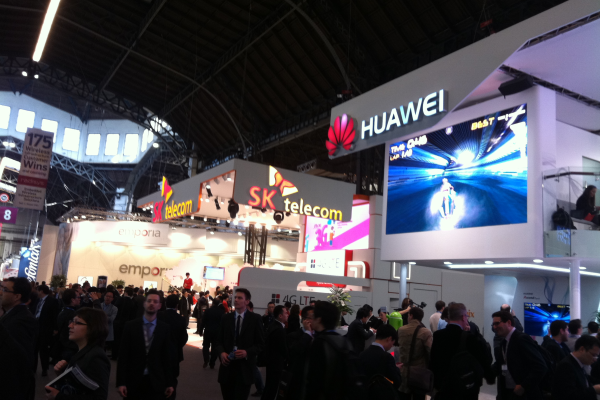
지난해 12월, 중국 우한에서 시작된 ‘신종 코로나바이러스 감염증(코로나19)’이 전 세계로 확산됨에 따라 WHO는 지난 11일, 세계적 대유행(팬데믹)을 선언했다. 이미 코로나19로 2월 24일 열릴 예정이었던 MWC 2020이 공식적으로 취소됐으며, 3GPP 역시 5월까지 국제회의 일정을 전면 취소했다.
3GPP는 3월 17일부터 20일까지 온라인으로 진행될 87차 총회에서 릴리즈-16 최종 점검과 더불어 일정 지연 여부 등을 확정할 계획이다.
릴리즈-16은 5G 안정성 제고, 네트워크 슬라이싱, 초저지연(URLLC), 초연결(mMTC) 성능을 만족시키기 위한 성능 기준과 기술방식 등을 규정하며, 스마트팩토리와 스마트시티 구현에 필수적이다. 릴리즈-16이 지연될 경우, 표준에 기반한 5G 장비 및 단말 개발 일정과 5G 네트워크 상용화 일정의 지연이 우려된다.
또한, 3GPP는 릴리즈-16 이후 5G 표준인 릴리즈-17의 완료 목표 시점을 애초 계획보다 3개월 미룬 2021년 12월로 수정했다.
Comments
Related news
Public-Private Joint Response to Improve 5G Quality Services
The Ministry of Science and Technology will work jointly with mobile carriers, terminal manufacturers, and equipment manufacturers to improve 5G service quality. Telecom operators will enhance service reception environments targeting public buildings and other facilities, while terminal manufacturers will launch mid-range 5G smartphones to expand 5G service adoption, and equipment manufacturers will supply equipment according to the carriers' base station deployment schedules.
2020.03.12by 최인영 기자
Global '5G MEC Interoperability Technology' Standards to be Established by 2022
SK Telecom announced that its federated multi-access edge computing technology, proposed at the ITU-T meeting, has been adopted as an international standardization project. Federated multi-access edge computing technology establishes a separate channel that can interconnect 5G MEC systems within each telecommunications carrier, enabling service providers to deliver uniform 5G MEC services regardless of region or carrier.
2020.03.16by 이수민 기자
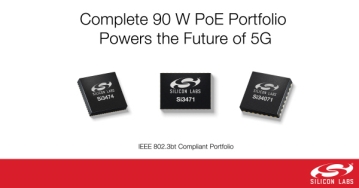
Launch of IEEE 802.3bt compliant PoE product family supporting 5G small cells
Silicon Labs has unveiled a product lineup that reduces the complexity arising from adding 90W Power over Ethernet (PoE) to Power Sourcing Equipment (PSE) and Powered Devices (PD). The products comply with the IEEE 802.3bt standard, which doubles power delivery compared to standard PoE and expands the capabilities of wireless access points (AP) and Internet of Things (IoT) wireless gateways.
2020.03.17by 최인영 기자
European Patent Applications Surpass 200,000 for the First Time… South Korea Maintains 5th Place, Led by Batteries and Telecommunications
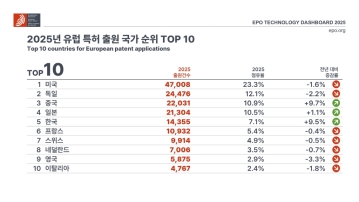
According to the European Patent Office (EPO)'s 'Technology Dashboard 2025', European patent applications last year reached 201,974, surpassing 200,000 for the first time. Korean companies and inventors filed 14,355 applications, representing a 9.5% increase from the previous year and maintaining 5th place by country. Battery, digital communication, and semiconductor technologies led the growth, with Samsung ranking as the top EPO applicant for the second consecutive year and LG reaching 3rd place. The presence of major domestic cities such as Seoul, Suwon, and Yongin was also confirmed. It was also revealed that Korea's European patent strategy is expanding beyond individual technologies to span the entire industry.
2026.03.24by 명세환 기자
SK Telecom First Applies AI-Based Network Operations at Gwanghwamun K-Pop Concert
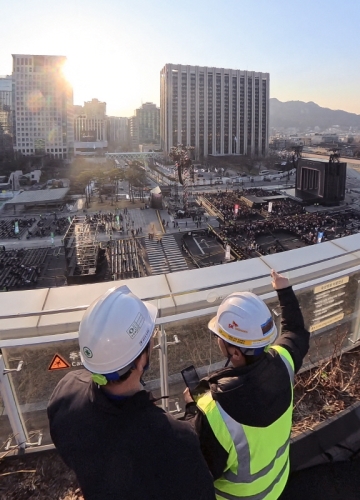
SK Telecom announced that it applied an AI-based network operation system for the first time at a large-scale K-pop concert held in the Gwanghwamun area of Seoul on March 21st, managing communication quality throughout the event. Mobile data usage during the three hours before and after the concert reached 12.15TB, approximately doubling compared to the same time slot the previous weekend. SK Telecom monitored traffic using the AI system 'A-One' in five-minute and 50-meter units to respond to potential overload situations, while also operating temporary communication facilities and on-site personnel in parallel. This case is interpreted as confirmation of the practical applicability of AI-based autonomous network operation in an environment where demand from dense events and foreign users increases simultaneously.
2026.03.23by 명세환 기자











