


[Feature] IT Components H2 Outlook - Price Rise Inevitable
 Published2021.06.22 11:19
파운드리 증설 불구 수요 못 맞춰, 생산단가 인상
車 MCU 통합 가속화·스마트폰 부품재고 하향조정
[편집자주]코로나19가 장기간 지속되며, 재택근무 및 개인용 IT 제품 수요 증가로 지난 1분기 IT 제품 수요는 2020년 2분기 이후 최고치를 기록했다. 반면에 이러한 수요 증가에도 불구하고 IT 제품의 생산량은 오히려 감소했다. 대표적인 제품으로 디스플레이 패널은 업스트림 공급망의 DDI 및 TCON 부족으로 인해 1분기 생산량이 전분기대비 8.6%나 감소했다. 2021년 하반기 코로나 백신 접종 증가 및 봉쇄 완화로 인해 경제 회복이 기대되고 있는 가운데 IT 제품에 대한 수요 전망은 긍정적이다. 이에 따라 IT 부품 생산을 위한 파운드리는 현재 풀 가동 및 증산에 지속 돌입하고 있고, 하반기 파운드리 생산 단가 상승이 전망되고 있다. 이에 본지는 2021년 하반기 IT 부품 시장을 전망해보는 자리를 마련했다.
■ IT수요 급증, IT부품 부족 극심
지난해 말부터 올해 상반기 코로나19로 인한 재택근무 환경의 확산으로 IT수요가 급증했다.
2020년 태블릿은 전년대비 18%, PC 출하량은 전년대비 27% 증가했고, TV를 비롯한 글로벌 가전 기업들은 역대 최대 규모의 매출을 경신중이다.
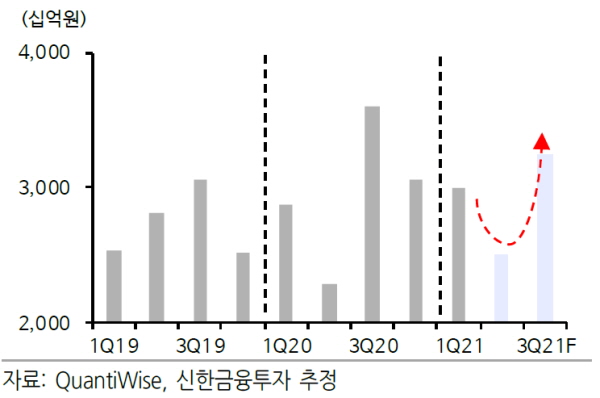
▲주요 부품사 합산매출(출처 : 신한금융투자)
이런 가운데 상반기 IT부품은 극심한 부족 현상을 겪었다.
자동차용 반도체는 특히 반도체 공급부족의 핵심에 있었다. 전세계적인 파운드리 부족으로 자동차용 반도체, GPU, DDI, 전력 반도체 등의 공급 물량이 수요를 충족하지 못하는 상황이 벌어졌고, 이에 일부 자동차 업계는 자동차용 반도체 공급 부족으로 감산 및 일부 모델의 생산을 중단한 바 있다.
이런 가운데 일본 르네사스 나카 팹에서의 화재 및 대만의 물 부족 등은 자동차 및 IT 세트 업체들의 제품 생산에 차질을 줬다.
자동차용 반도체 공급 부족을 비롯해 DDI(디스플레이 드라이버 IC)도 부족 현상이 심각했다.
TrendForce에 따르면 2021년 대형 DDI 수요는 전년대비 7.4% 증가할 것으로 예상되지만 업스트림 공급망에서 8인치 파운드리 용량의 가용성은 다른 칩으로 인해 전년대비 2.5% 증가에 그칠 것으로 예상됐다.
NexChip, SMIC와 같은 파운드리들도 올해 생산량 증설에 나서고 있지만 2021년 말까지 지속될 수도 있는 수요량 증가에 공급량을 맞추기가 어렵다는 것이 시장의 분석이다.
대형 DDI의 타이트한 공급과 더불어 최근 TCON(타이밍 컨트롤러)의 부족도 심각해지며, 대형 디스플레이 패널의 출하량에 악영향을 미치고 있는 것으로 나타났다.
■ IT 제품 출하 부진
2021년 1분기 전세계 디스플레이 출하량은 전분기 대비 8.6% 감소한 3,990만대를 기록했다. 이는 반도체 생산 능력의 타이트한 공급으로 업스트림 패널 공급망에서 IC 및 TCON과 같은 부품이 부족했기 때문으로 분석된다.
5월에는 중국 스마트폰 출하량과 중국 휴대폰 수출액도 예상보다 부진했다. 5월 중국 시장 스마트폰 출하량은 2,260만대로 전년동기대비 30.8% 감소했고, 전월대비 16.2% 감소했다. 또한 2021년 2분기 중국 스마트폰 출하량이 전년대비 23% 감소하고, 전분기대비 20% 감소할 것으로 전망됐다. 이러한 부진에 대해 공식적인 발표로는 부품 부족이 원인으로 거론되고 있다.
자동차 업계는 생산량이 증가했음에도 불구하고, 공급부족 여파에 공장 가동을 중단하는 상황이 다수 발생했다.
■ 하반기 IT부품 수요 지속 증가
신한금융투자 박형우 수석연구원, 고영민 연구원에 따르면 하반기 스마트폰 판매량과 부품수요가 가장 견조한 IT산업이 될 것으로 전망됐다. 삼성전자와 애플의 증산이 유력하며, 특히 아이폰 신모델의 경우 출시시기가 전년보다 평균 1.5개월 빨라지며 부품의 수요가 지난해보다 빠를 것으로 전망됐다. 아이폰의 하반기 부품 수요 증가는 관련 서플라이체인뿐만 아니라 메모리, MLCC 등 범용부품의 산업 전반에도 긍정적이다.
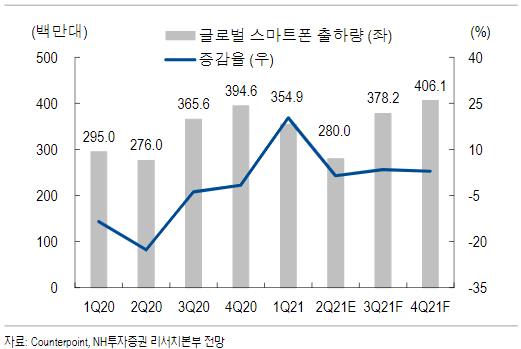
▲분기별 글로벌 스마트폰 출하량-하반기 본격 회복세 전망(출저 : NH투자증권)
자동차 수요도 큰 폭의 회복이 예상된다. 2021년 글로벌 자동차 수요는 약 8,530만대로 2020년 7,678만대 대비 10.1% 증가할 것으로 전망된다. 또한 반도체 수급 이슈에도 불구하고, 2020년 기저효과 및 생산 정상화, 글로벌 이연 수요 표출 등을 고려할 때 수요 회복 기조가 지속될 것으로 예상되고 있다.
디스플레이는 OLED 수요가 증가할 것으로 보인다. 올해 아이폰13 4개 모델 모두에 OLED 탑재가 전망되고 있으며, 대부분 OLED를 탑재하는 5G 스마트폰의 출하량이 6억1,000만대로 전년대비 125.9% 증가하며, 올해 스마트폰용 OLED 패널 수요는 7억5,000만대로 전년대비 46.2% 증가할 것으로 전망된다.
노트북용 OLED 패널 생산량은 2019년대 1만2,000대, 2020년 16만5,000대, 2021년 100만대로 매년 큰 폭으로 성장할 전망이다.
.png)
▲주요 중국 업체들의 중소형OLED 패널 출하량 전망(출처 : NH투자증권)
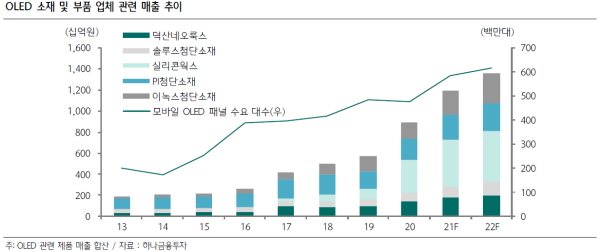
▲OLED 소재 및 부품 업체 관련 매출 추이(출처 : 하나금융투자)
.jpg)
▲모바일 칩을 설계하는 미디어텍의 매출 증가율(출처 : 하나금융투자)
■ 가격 인상·공급부족 지속, 설계변경 통한 사용량 감축·파운드리 캐파 증설 가속화
디스플레이 부품은 하반기 공급부족과 함께 가격 상승이 예상된다.
TrendForce의 조사에 따르면 8인치 파운드리 용량이 시장 수요에 미치지 못해 대형 DDI에 할당 된 생산 용량이 다른 칩에 의해 원활하지 못하는 것으로 알려지고 있다.
TCON은 주로 12인치 팹에서 제조되는데, 역시 같은 팹에서 제조되는 백엔드 로직 IC 패키징 및 테스트 용량도 비슷하게 공급이 부족해 TCON 공급 부족이 더욱 심화될 것이라는 전망이다.
파운드리 시세도 3분기에도 다시 상승 할 것으로 예상되며, IC 공급 업체는 패널 제조 고객사에 대형 DDI 견적을 올릴 것으로 전망되고 있다.
이와 함께 대형 DDI 가격은 지속적인 공급 부족으로 3분기에 다시 한 번 인상 될 것으로 전망된다.
또한 8인치 팹이 내년에도 최대 가동률로 계속 운영 될 것이기 때문에 전체적으로 IC 공급 업체는 대형 DDI를 제조하기 위한 충분한 8인치 파운드리 용량을 확보하기 어려울 것으로 전망된다.
이에 IC 공급 업체는 주기적으로 파운드리 수요가 하락함에 따라 대규모 DDI 조달을 유연하게 조정해야하며, 대형 DDI와 TCON의 수급 상황은 2022년 패널 수급의 핵심이 될 것으로 예상된다.
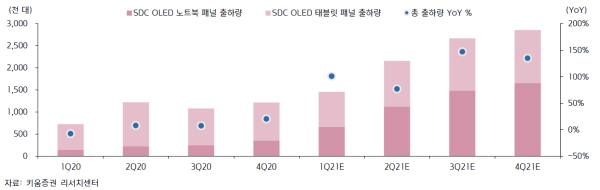
▲삼성디스플레이 노트북/태블릿 OLED 패널 출하량 추이 및 전망(출처 : 키움증권)
자동차 업계는 반도체 공급 부족을 견디지 못하고 설계 변경을 통해 반도체 사용량 축소 계획을 세우고 있는 것으로 알려지고 있다.
NH투자증권의 도현우 위원에 따르면 자동차 업계들이 장기적으로 수급 불균형이 심한 55㎚ 이상 공정을 사용하는 MCU의 여러 제품을 통합해 20㎚ 이하 공정을 이용하는 DCU(Domain Control Unit)으로 변경을 시도, 가격 상승을 기대하고 재고를 늘린 자동차 반도체 유통사들이 보유한 재고가 향후 시장에 다량 출회될 가능성이 높은 것으로 전해지고 있다.
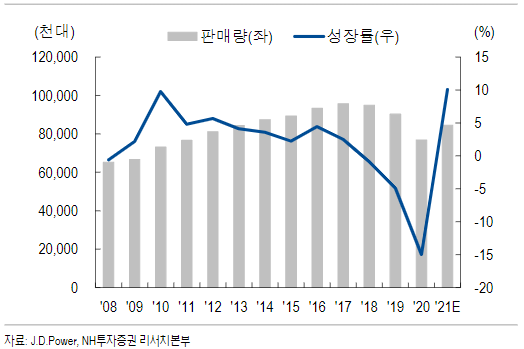
▲글로벌 자동차 판매 추이 및 전망(출처 : NH투자증권)
2분기 기저효과로 3분기부터는 부품 수요의 급반등이 예상된다. 제조사들은 증산을 계획 중인데, 삼성전자 서플라이체인에서는 시스템 반도체 공급이 개선되고 있다. 애플은 신규 아이폰의 출시 준비 동향도 확인된다.
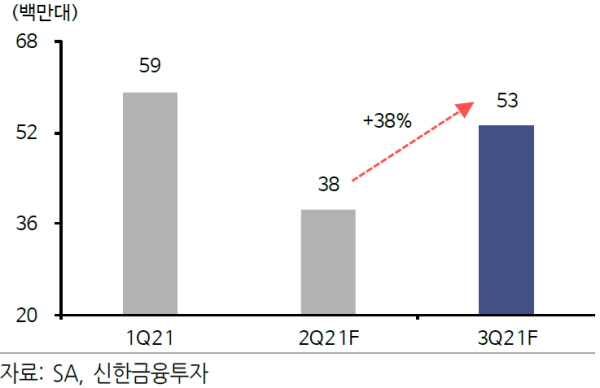
▲애플 스마트폰 출하량(출처 : 신한금융투자)
이런 가운데 미중 무역 분쟁 악화에 대비해 상반기 반도체 보유 재고를 크게 늘렸던 중국 스마트폰 업체도 최근 재고 조정을 시작한 것으로 알려졌다.
NH투자증원 도현우 위원에 따르면 최근 신규 부품 주문량을 축소했는데 이들은 올해 스마트폰 출하 목표를 인도 코로나19 확산 등을 이유로 미드엔드급 제품 위주로 하향 조정한 것으로 전해지고 있다.
파운드리 업체의 적극적인 캐파 투자 발표가 세트 업체의 재고 확보를 위한 주문 증가 둔화에 영향을 줄 것으로 전해진다.
대만 UMC가 삼성전자, 퀄컴 등 고객사의 계약금을 선지급 받아 12인치 팹 P6의 캐파를 증설하기로 알려졌다. 1,000억 대만달러를 투자해 2만8,000개 규모의 캐파를 증설하고, 28㎚ OLED DDI 등을 생산할 계획을 알려졌다.
TSMC는 중국 난징에 4만개 신규 캐파 증설을 투자했다. 파워칩은 2만5,000개 증설 투자를 발표했다.
이와 함께 베트남의 코로나 확산은 스마트폰 부품 생산에 영향을 끼칠 수 있는 것으로 분석된다.
.png)
▲글로벌 파운드리 산업 Capex 추이(출처 : NH투자증권)

Comments
Related news
[Planning] Display outlook for the second half of the year - 'OLED' in the second half of 2021
The second half of 2021 display market is projected to experience continued price increases and sales growth driven by increased consumer electronics demand due to COVID-19, full-scale deployment of 5G smartphones, and expansion of the OLED TV market. Accordingly, we have arranged a forum to provide an outlook on the display market for the second half of the year.
2021.06.08by 배종인 기자

Semiconductor, automobile, and secondary battery exports expected to remain robust until next year.
With export performance reaching an all-time high this year, secondary batteries, automobiles, semiconductors, shipbuilding, and automotive parts are projected to maintain favorable export trends through next year, while computers, petrochemicals, displays, bio-health, and home appliances may see their export momentum slow in the second half of this year.
2021.06.09by 명세환 기자
.jpg)
[Planning] Smartphone Outlook for the Second Half of the Year: Sharp Rebound in Q3, Continued Growth in Q4
The second half of the global smartphone market is expected to grow driven by easing semiconductor supply shortages, normalization of COVID-19, and entry into the peak season. Intense competition among smartphone manufacturers for market expansion is anticipated as Huawei's market share weakens and LG Electronics withdraws from the smartphone business.
2021.06.15by 배종인 기자
ESP32 Development Environment Selection and GPS Application Implementation
The ESP32 is a microcontroller that integrates Wi-Fi, Bluetooth, 12-bit ADC, capacitive touch, PWM, DAC, and UART in a single SoC. However, the abundance of features does not by itself solve the designer's problems. The real challenges lie in selecting the appropriate development environment, determining which pins can be used and which must be avoided, and converting raw data from modules into usable information. This document addresses ESP32 peripheral constraints (ADC2 and Wi-Fi coexistence limitation, UART1 occupancy, ADC non-linear regions), the trade-offs between Arduino IDE and ESP-IDF, and the process from connecting NEO-6M/NEO-M8N GPS modules to UART2, parsing NMEA sentences, and visualizing routes in Google Earth, all organized based on documented references.
2026.10.12by 편집부
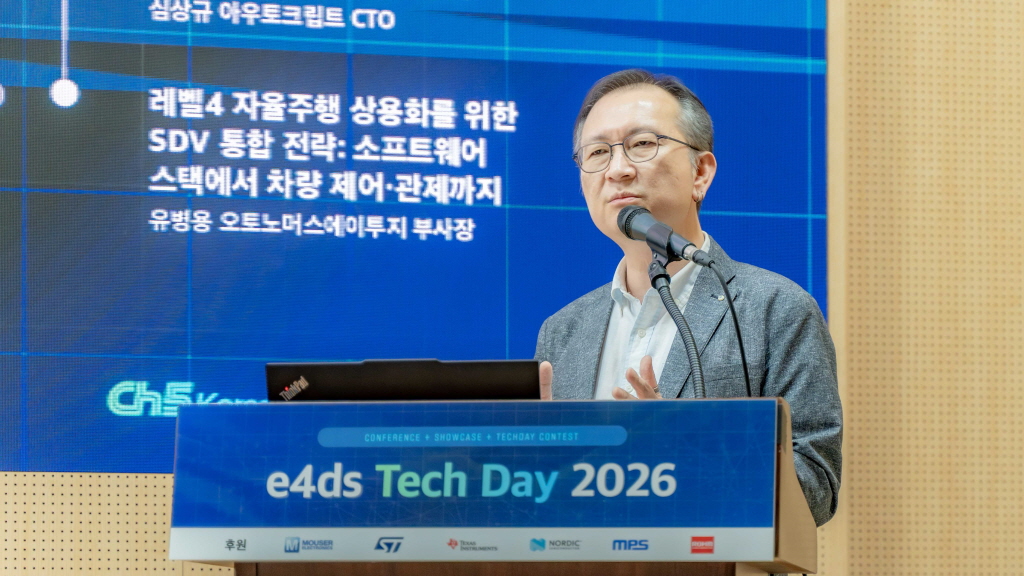
[e4ds Tech Day 2026 ⑨] Sim Sang-gyu, Autocrypt CTO: "In the Physical AI Era, Automotive Security Must Extend Beyond the Vehicle"
At e4ds Tech Day 2026, Sim Sang-gyu, CTO of Autocrypt, explained automotive cybersecurity strategies in the era of Physical AI and SDV (Software-Defined Vehicle). Automobiles are evolving as part of an ecosystem connected to AI, cloud, chargers, IoT, and robots, and he emphasized that the scope of security must expand beyond the vehicle interior to the entire connected environment. In particular, AI model tampering, adversarial attacks, OTA updates, and EV charger hacking were identified as major threats. He explained that response measures require zero trust, AI model integrity protection, intrusion detection, Security by Design and Default, and full lifecycle security management, and that proactive security system establishment beyond regulatory compliance is critical for securing future mobility competitiveness.
2026.10.12by 배종인 기자











