


Review of domestic companies producing deuterium for semiconductors
 Published2021.08.10 11:14
Discussion of using waste water from shut-down nuclear power plants
Deuterium (D2), one of the hydrogen isotopes used in the ITER artificial sun development project, is becoming increasingly usable for semiconductors, and it has been reported that several companies are currently conducting research for production.
According to the semiconductor materials industry, several specialty gas companies for semiconductors have recently been reported to be conducting research into deuterium production. Companies recently mentioned include H Company, T Company, and K Company.
These companies are reportedly predicting a surge in demand for deuterium in the semiconductor materials market in the future.
Deuterium is currently known to be used in the production of OLED blue light sources. Its use is said to contribute to the overall performance and quality of OLEDs, resulting in much thinner displays, greater flexibility, and longer device lifespans.
The OLED market is expected to continue to grow in the future, and the industry predicts that demand will arise for semiconductors as well as displays.
Deuterium is an isotope of hydrogen with one more neutron than hydrogen. It exists in extremely small quantities on Earth, and it is known to be very difficult to separate deuterium from a hydrogen mixture.
The most common method of obtaining deuterium is known to be to create an extremely low temperature environment of -250 degrees Celsius or less in a hydrogen mixture. However, this method has the disadvantage of being expensive because it requires expensive liquid helium refrigerant, insulation equipment, and a complex process.
Accordingly, it is reported that a method of producing deuterium through electrolysis using heavy water used in nuclear power plants is being adopted.
In the case of nuclear power plants, the key issue is how to dispose of heavy water. Even if heavy water is non-radioactive, disposal of heavy water is a difficult problem from the perspective of nuclear power plants in the long term. However, if it can be used for semiconductors, it can kill two birds with one stone by developing new uses and utilizing heavy water, which is difficult to dispose of.
Accordingly, it has been reported that semiconductor material companies and officials of shut-down nuclear power plants have recently discussed the production of deuterium, and it is expected that discussions on full-scale production will be held in the future along with the increase in demand for deuterium in semiconductors.

Comments
Related news
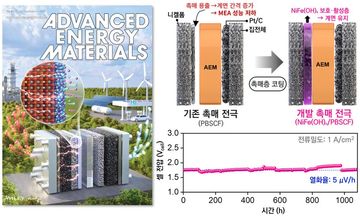
Materials Research Institute Develops Ultra-thin Coating Water Electrolysis Catalyst Technology
The Korea Institute of Materials Science has simultaneously resolved the performance and durability trade-off problem in water electrolysis catalysts by applying ultra-thin surface coating technology. Achieving 1.9 times higher performance compared to conventional catalysts while demonstrating 1,000-hour long-term stability, the institute has developed technology scalable to industrial water electrolysis systems through a simple process.
2026.10.07by 배종인 기자
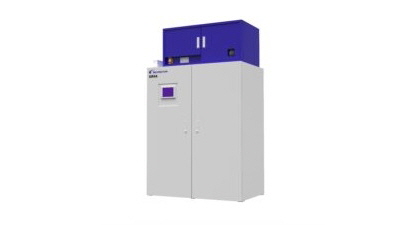
Gigaphoton Develops Neon Gas Recycling System for ArF Excimer Lasers...Achieves 50% Recycling Rate
Gigaphoton announced that it has developed a gas recycling system for ArF excimer lasers and achieved a 50% neon gas recycling rate.
2026.10.02by 배종인 기자
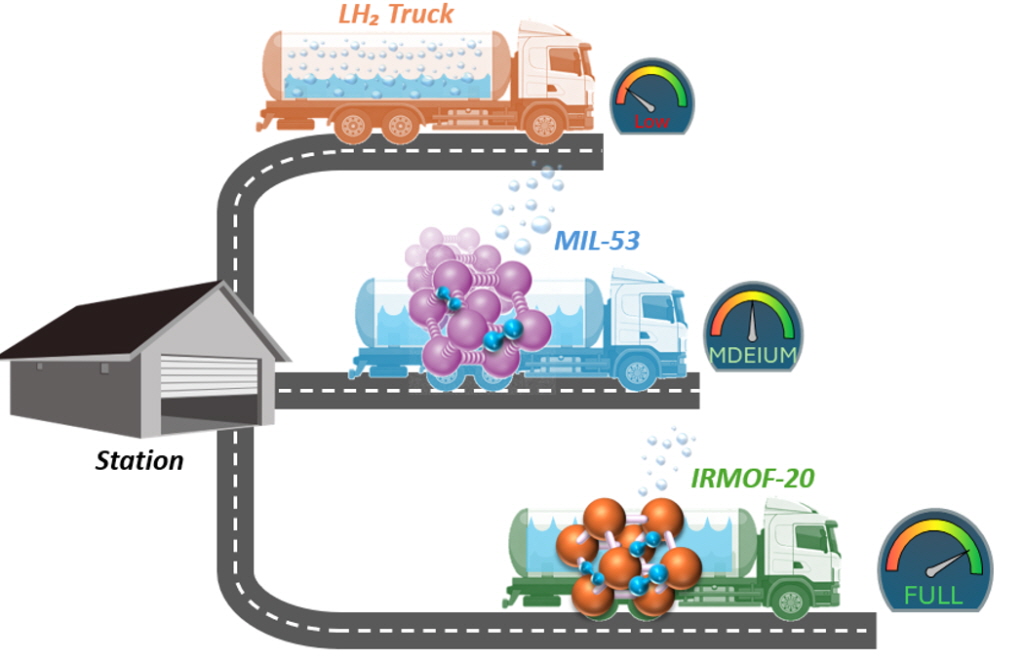
UNIST suppresses vaporization losses while maintaining 97% of liquefied hydrogen storage capacity
A research team led by Professor Oh Hyun-cheol from the Department of Chemistry at UNIST, in collaboration with Professor Moon Hoe-ri from Ewha Womans University and researchers from the Technical University of Munich in Germany, has verified technology that reduces boil-off loss occurring during liquefied hydrogen transportation and storage by utilizing metal-organic frameworks (MOF).
2026.09.30by 배종인 기자
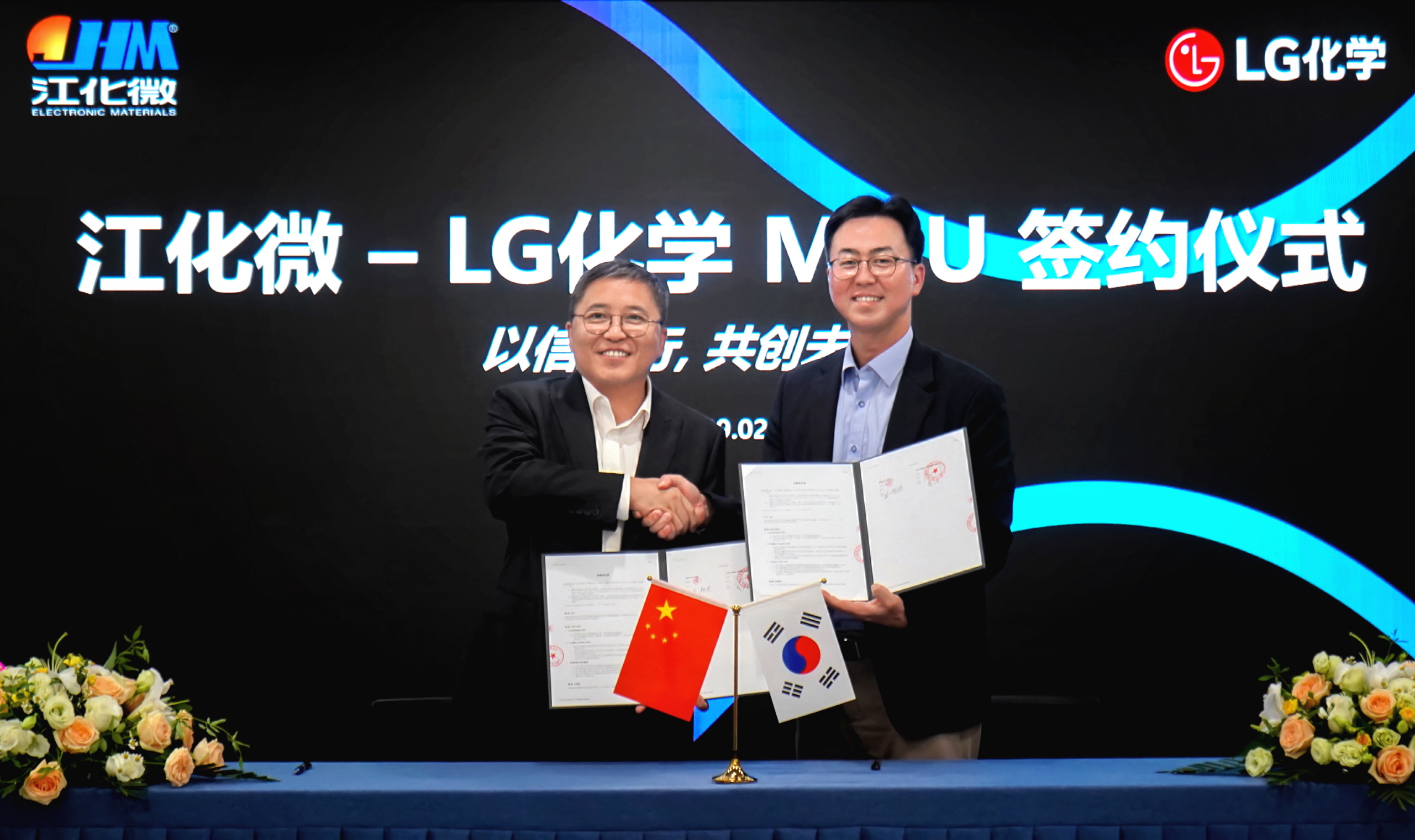
LG Chem Expands Semiconductor Cleaning Materials Business…Collaborates with China's Jianghua Wei on Ultra-high Purity IPA
LG Chem is moving to expand its ultra-high purity IPA (isopropyl alcohol) business, a core material for semiconductor processes. The company is building a local supply system in collaboration with a Chinese precision chemical company and strengthening its market strategy for AI semiconductors and advanced memory.
2026.09.14by 배종인 기자
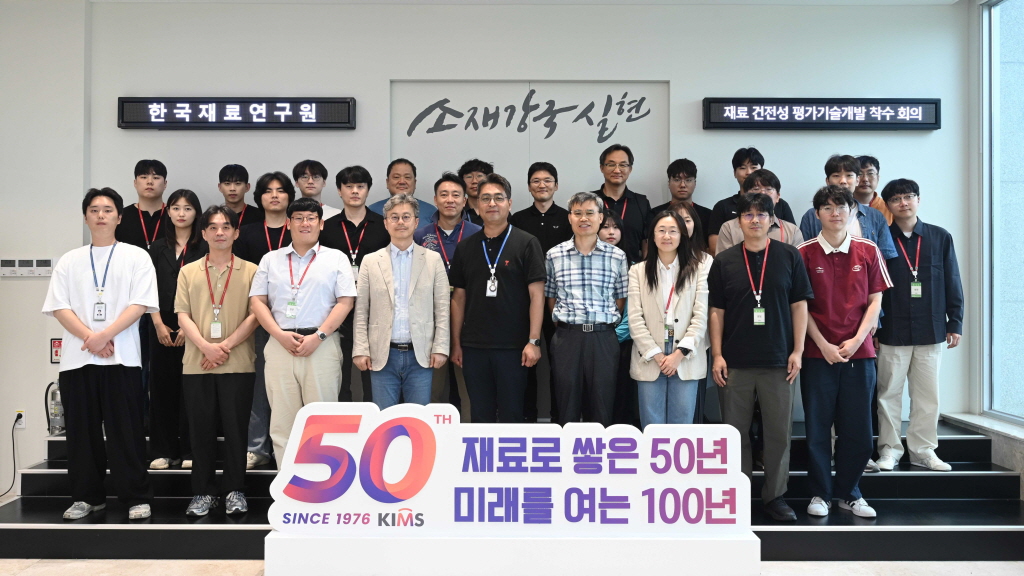
Korea Institute of Materials Science Begins Development of Anhydrous Ammonia SCC Integrated Evaluation Platform
The Korea Institute of Materials Science has begun developing an integrated evaluation platform for stress corrosion cracking (SCC) of high-strength steel for ammonia propulsion and transport vessels. By establishing a system to verify the safety of steel in anhydrous ammonia environments using domestic technology, the institute will strengthen the international competitiveness of the shipbuilding and steel industries and lay the foundation for reflecting domestic technology in regulatory and standard revisions by the International Maritime Organization (IMO) and other bodies.
2026.08.05by 배종인 기자











