



Milking is also digitally and robotically automated
 Published2021.08.18 14:45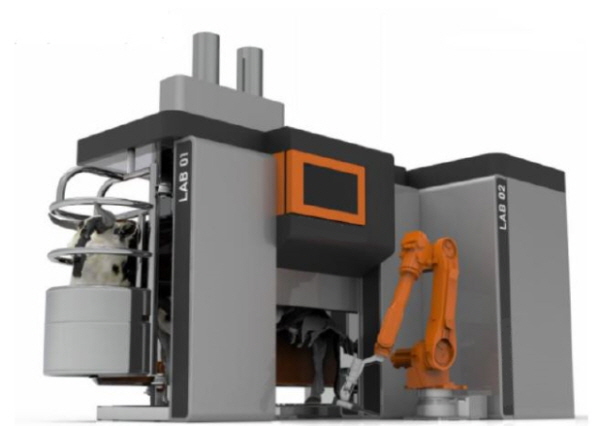
▲ Domestic robotic milking machine
With the localization of robotic milking machines that use 3D cameras to milk without human intervention, expectations are rising that the adoption of digital automation will spread in the aging domestic dairy industry.
The Rural Development Administration (Administrator Heo Tae-woong) announced on the 18th that it has succeeded in localizing a robotic milking machine that milks cows without human intervention, in collaboration with the Korea Institute of Planning and Evaluation for Agricultural and Food Technology (IPET) and Down Co., Ltd.
The annual labor time a dairy farmer invests in one dairy cow is approximately 71 hours. Of this, 30 hours, or 42%, are spent on milking. In addition, 17.6 hours are spent on feeding and 23.4 hours on other tasks.
As of February this year, 153 foreign-made robotic milking machines have been introduced in Korea, which accounts for about 2% of all dairy farms in the country. Foreign-made milking machines are expensive (around 350 million won), and high initial investment and maintenance costs have been a burden on farms.
In addition, there were difficulties in receiving prompt after-sales service when breakdowns or abnormalities occurred.
The price of the domestically produced robotic milking machine for farms is around 200 million won, which is 60% of the price of foreign products, thereby lowering the burden of initial investment costs. By using commercial products for consumable parts, it was possible to operate with maintenance costs at half the level of foreign products.
There have been two attempts to localize robotic milking machines in Korea so far, but they were unsuccessful due to difficulties with system operation speed and the development of robotic arms.
In this development, nipple recognition technology using a 3D camera was applied to improve accuracy and system operation speed. In addition, by utilizing domestically produced industrial robot arms, stability was ensured and costs could be reduced.
18 technologies differentiated from foreign products have completed patent application and registration.
In terms of milking performance, such as the number of times milking is possible per day and the time spent per animal during milking, it is at a level similar to foreign products.
Until now, biometric data produced by domestic robotic milking machines was sent to the machine development companies, causing difficulties in utilizing it domestically.
Biological data from domestic robotic milking machines is linked and stored in real-time in the Rural Development Administration's Agricultural Big Data Management System (ABMS), and is expected to be valuable for the development of domestic digital precision dairy farming technology.
The developed robotic milking machine is scheduled to be distributed to farms in earnest starting in 2023, following pilot projects at five locations in 2022.
Park Beom-young, Director of the National Institute of Animal Science at the Rural Development Administration, said, “Domestic robotic milking machines can not only improve the quality of life for dairy farmers by reducing labor costs, but also accelerate domestic digital dairy farming.”
Park Chang-kyu, representative of the farm in Hwaseong-si, Gyeonggi-do that conducted the demonstration test of a domestic robotic milking machine, stated, “The localization of robotic milking machines will help improve the profitability of dairy farmers by resolving issues such as the price burden and maintenance costs associated with foreign-made machines.”
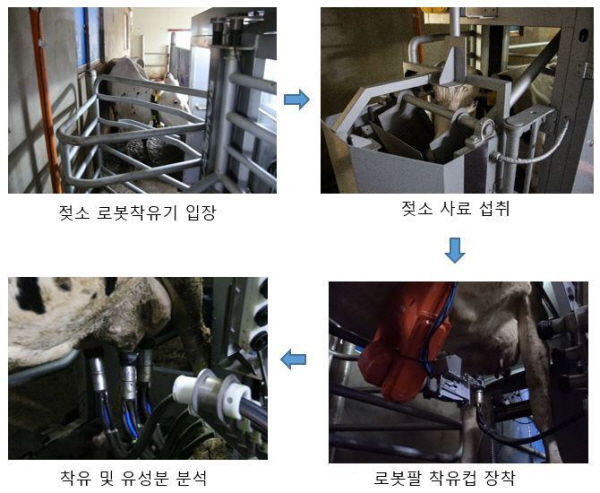
▲ Dairy cow milking flowchart

Comments
Related news
Korea Instrument, KOLAS Accredited Calibration Agency First to Simultaneously Acquire ISO/IEC 27,001·27,701
Korea Instrument has become the first among KOLAS accredited calibration agencies to simultaneously acquire ISO/IEC 27,001 and ISO/IEC 27,701 certifications. Through its proprietary platforms CWIZ Enterprise and CWIZ Partners, the company has embedded information security and personal data protection requirements across all business processes including customer information, equipment data, and calibration reports, with plans to continuously advance its management system through regular audits and security inspections.
2026.10.12by 배종인 기자

TeamViewer One, IT Incident Automation Workflow and Resolution Center Enhanced
TeamViewer has added IT incident automation capabilities and an advanced Resolution Center to its integrated digital workplace management platform 'TeamViewer ONE'. Recurrent service disruptions, configuration errors, and capacity shortages are automatically handled according to preset policies, and device status verification through script deployment can be managed in a unified interface, significantly reducing repetitive tasks for IT teams.
2026.10.12by 배종인 기자
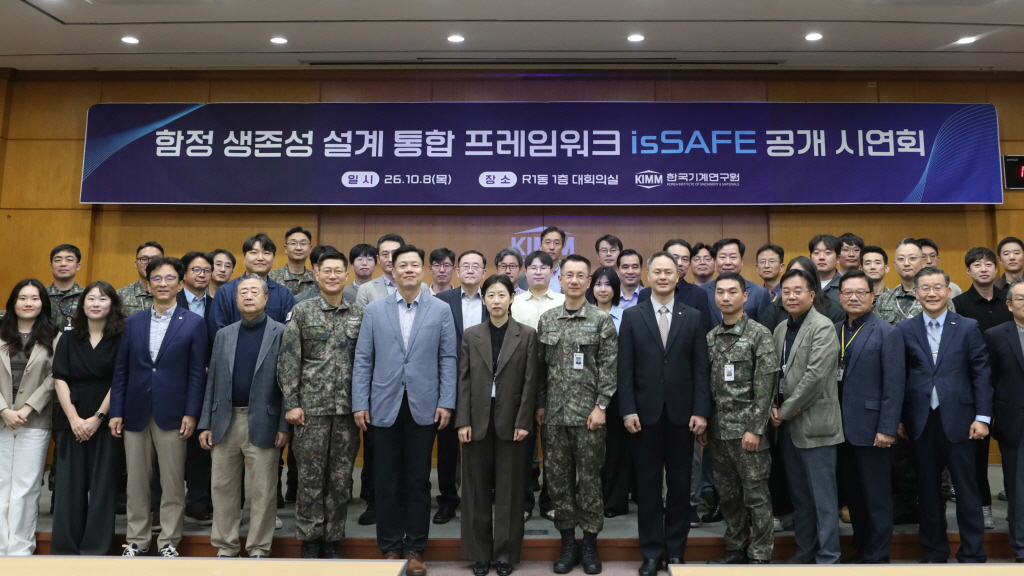
KAERI Develops Domestically-Produced SW 'isSAFE' for Integrated Warship Survivability Analysis
The Korea Institute of Machinery and Materials has developed domestically-produced software 'isSAFE' that comprehensively analyzes warship survivability. This design framework integrates the entire process—from warship modeling to hit scenario generation, vulnerability analysis, and results analysis—into a single platform, establishing an independent technology foundation in the defense technology sector that had previously relied on foreign software.
2026.10.08by 배종인 기자
ioCrops Shares AI Smart Farm Operations Case Study
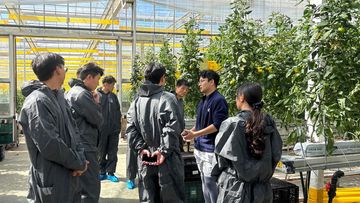
About 20 cultivators from the Agricultural Cooperative's Smart Agriculture Support Centers visited ioCrops' smart farm in Jincheon, North Chungcheong Province. They directly confirmed how data collected through substrate weight sensors, drainage weight sensors, and soil moisture sensors is applied to tomato cultivation, as well as the greenhouse pest control process using the AI-based autonomous spraying robot 'HERMAI'. By sharing on-site operational case studies combining data and automation technology, the adoption of smart farms in agricultural fields is being promoted.
2026.10.07by 배종인 기자

Rockwell, "90% Digital Transformation Essential in Life Sciences Manufacturing"
According to the digital transformation report for the life sciences manufacturing sector released by Rockwell Automation, 90% of responding companies recognized digital transformation as a business-critical element. Primary investment technologies include AI and machine learning (46%), process automation (44%), and cybersecurity (39%), with 64% of companies planning to expand AI utilization within the next year. However, only 32% of companies actually utilize more than half of the collected data, indicating an urgent need to strengthen data utilization capabilities.
2026.10.07by 배종인 기자











