



[Planning] Power & Sensors ④ - 'Sensors': Sensing the Global Automotive, Industrial, and Consumer Markets
 Published2021.10.01 12:09
[편집자주]디지털 기술은 우리 인류의 삶에 편리함과 함께 생산성 향상이라는 큰 선물을 안겨줬다. 디지털 기술을 통해 디지털 세상에서 진행되는 모든 일들이 현실의 삶에서 이뤄지는 세상이 도래한 것이다. 이를 위해 인류는 더욱 안정적이고 고효율의 반도체 솔루션 기술을 필요로 하게 됐으며, 시스템 성능을 최적화하고, 현실의 모든 것을 측정 감지하기 위한 파워 및 센서 기술이 필요로 하게 됐다. 이 분야에서 인피니언(Infineon)은 40년의 노하우와 깊은 시스템 이해를 바탕으로 차세대 실리콘 및 광대역 갭 전력 포트폴리오 및 최첨단 센서 제품 개발에 적극 나서고 있으며, 최근 자사의 파워 및 센서 전제품을 다룬 백서를 발행해 개발자의 요구 사항에 가장 적합한 솔루션을 찾는데 도움을 주고 있다. 이에 본지는 인피니언의 ‘Power and sensing Selection guide 2021’을 바탕으로 파워 및 센서 반도체들의 응용분야와 적용사례에 대해 살펴보는 자리를 마련했다.
■ 센서, 사물이 환경을 느끼는 필수적 반도체
‘센서’는 사물이 환경을 △보고 △듣고 △느끼고 △이해 할 수 있도록 해 삶을 스마트화 하는데 없어서는 안 될 필수적인 반도체다.
센서를 통해 사람은 더 많은 인텔리전스를 구축할 수 있으므로 보다 직관적인 상호 작용과 상황 인식을 제공하는 새롭고 매력적인 애플리케이션을 위한 기반을 마련할 수 있다.
오늘날 자동차, 산업 및 소비자 애플리케이션의 감지에는 모두 센서가 사용되며, 이 센서들은 다른 에코시스템들과 협력해 로봇 공학, 자율주행, 빌딩 자동화 등에서 새로운 시스템을 창조하는데 일조하고 있다.
센서 종류로는 스패닝 자기 센서, 전류 센서, 압력 센서, 음향 센서, 3D 이미지 센서, 레이더 센서 등 다양한 산업에 맞는 여러 종류의 센서들이 존재하며, 자동차 등 가혹한 환경 조건에서도 신뢰 있고 정확한 정보 전달을 위해 시스템 안정성, 내구성, 무결성 등을 갖춰야 한다.
이러한 센서들은 점차 사물이 사람을 이해하는 차세대 커뮤니케이션에 영향을 주고 있으며, 인간과 기계 사이에 경계가 사라지기 시작하면서 최신 센서 융합 혁신 기능이 강화된 고급 기능과 보안 기능들이 중요해지고 있다.
■ 전류센서, 정밀하면서도 견고하게 동작해야
전류센서는 아날로그 인터페이스 및 이중 고속 과전류 감지에 사용된다. 전류가 낮은 애플리케이션에서도 고정밀로 전류를 측정하며, 전기 드라이브, 태양광 인버터, 충전기 및 전원 공급 장치와 같은 고전압 산업 애플리케이션 등에 사용되고 있다.
이런 애플리케이션에서 센서들은 더 작은 공간과 손실을 최소화해야하고, 전체 수명에 걸쳐 정밀하면서도 견고하게 동작할 수 있어야 한다.
코어리스 개방 루프 센서 같은 경우에는 출력 신호는 온도와 수명에 대해 매우 선형적이며, 철심이 없어 센서 신호가 히스테리시스를 나타내지 않고, 포화로 인한 문제도 통합 전류 레일 덕분에 외부 교정이 필요하지 않다.
2개의 홀 셀을 사용한 차동 측정의 경우에는 인접한 전류 라인 또는 자기 표유 필드의 혼선이 있는 잡음이 있는 환경에서도 높은 정확도를 보인다.
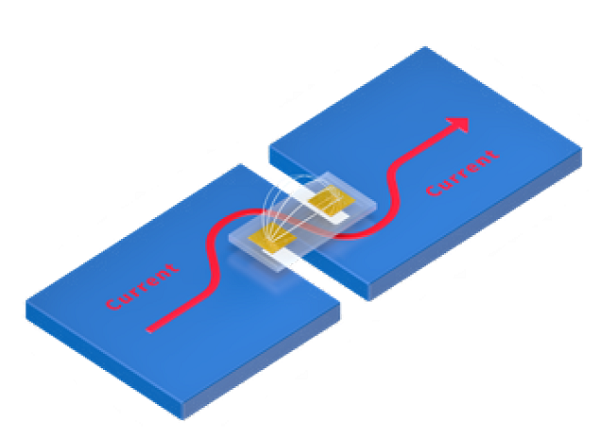
▲전류센서 개념도
■ MEMS 마이크로폰, 자동차에 청각을 부여
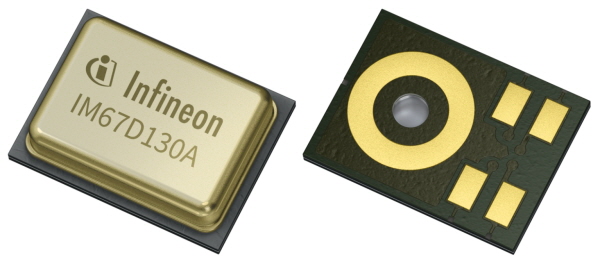
자동차가 듣는 귀를 가지게 된다면 어떻게 될까. 인피니언은 이러한 물음에 XENSIV™ IM67D130A으로 응답했다.
이 센서는 자동차 산업에 대한 회사의 전문성과 고급 MEMS 마이크에 대한 기술적 리더십을 결합해 자동차 애플리케이션을 위한 고성능, 저잡음 MEMS 마이크에 대한 요구를 해결했다. XENSIV™ IM67D130A는 업계 최초의 자동차 애플리케이션 인증을 받은 마이크로서, 업계의 디자인 인 노력을 단순화하고 인증 실패 위험을 줄이는 데 도움이 된다.
-40°C에서 +105°C까지 작동 온도 범위가 높아 열악한 자동차 환경에서 다양한 사용 사례가 가능하며, 130dB SPL의 높은 AOP(음향 과부하 지점)를 통해 마이크는 시끄러운 환경에서 왜곡 없는 오디오 신호를 캡처할 수 있다. 이에 차량 내부 또는 외부에 배치할 수 있으며, 핸즈프리 시스템, 비상 호출, 기내 통신 및 능동 소음 제거(ANC)와 같은 기내 애플리케이션에 이상적이다. 또한 사이렌 또는 도로 상태 감지와 같은 외부 애플리케이션에도 적합하다. 이러한 기능을 통해 고급 운전자 지원 시스템 및 예측 유지 관리를 위한 보완 센서로 사운드를 사용할 수 있다.
■ CO2 센서, 냄새를 감지 사람의 건강에 기여
CO2는 건강과 생산성에 부정적인 영향을 줘 졸음과 두통 등을 유발할 수 있다. 이에 CO2 센서는 냄새를 감지해 사람들에게 경고하거나 시스템 응답을 트리거할 수 있다. 이를 통해 에너지 효율성은 물론 건강, 편안함, 생산성 향상에 기여한다.
더불어 CO2와 에어로졸 농도의 상관관계를 감안할 때 CO2 센서는 코로나19뿐만 아니라 일반 감기 및 인플루엔자와 같은 기타 공기 매개 질병의 전파를 완화하는 데 기여할 수 있다. 또한 CO2 센서는 수요 제어 환기를 촉진해 에너지 효율성을 개선하고 에너지 비용을 크게 절감할 수 있다.
CO2 센서는 공기 청정기, 온도 조절 장치, 아기 모니터링 장치, 모닝콜 알람 및 스마트 스피커와 같은 소비자 IoT 장치에 통합할 뿐만 아니라 건물 자동화 응용 프로그램에도 이상적이다.
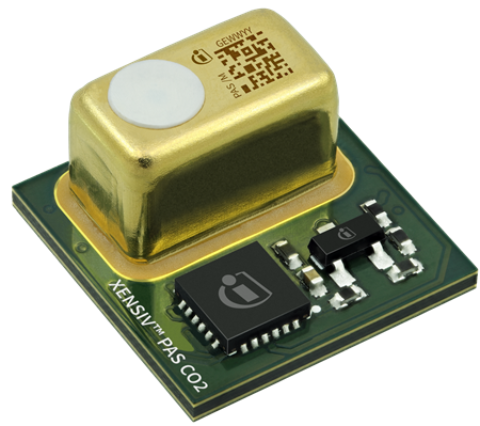
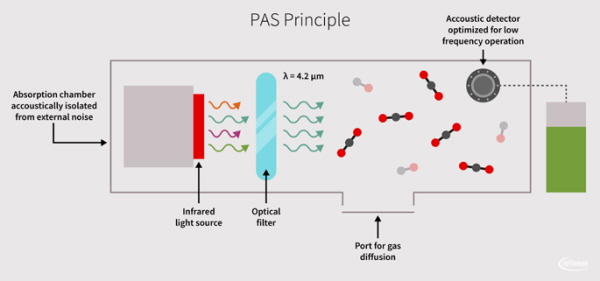
▲The PAS(photoacoustic spectroscopy) 원리
■ 레이더 센서, 동작감지로 소비자·IoT 애플리케이션 만족
레이더 센서를 사용한 동작 감지는 PIR 및 기타 동작 감지 기술에 비해 상당한 이점을 제공한다.
그 중 다수는 조명 솔루션, 자동 도어, 카메라 및 보안 시스템 또는 스마트 홈 장치와 같은 모션 감지 트리거링 시스템에 사용된다.
이러한 애플리케이션에서 레이더 센서는 움직이는 물체의 방향, 물체의 속도, 거리 및 안테나 구성에 따라 심지어 위치까지 결정할 수 있으며, 이와 함께 더 작은 시스템 크기, 더 높은 정확도 및 감지된 물체의 더 정밀한 측정이 요구된다.
또한 모션 감지 애플리케이션에 사용되는 레이더는 수동 적외선(PIR) 기술에 비해 정확도가 높아 물체 감지를 보다 정밀하게 측정할 수 있으며, 속도 및 움직이는 물체의 방향 감지와 같은 새로운 기능을 제공한다.
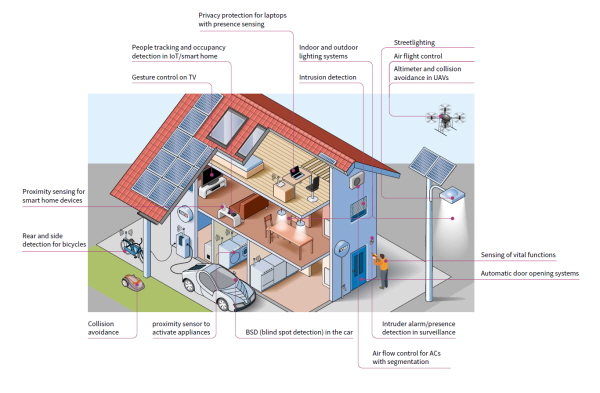
▲레이더 센서의 다양한 응용처

Comments
Related news
[Planning] Power & Sensors ① - Home Appliances: Solutions for Efficiency and Minimal Form Factors Are Essential
We have arranged a session to examine sensor and power solutions that realize digital technology in reality, based on Infineon's 'Power and sensing Selection guide 2021'.
2021.09.07by 명세환 기자
[Planning] Power & Sensors ② - Reliable Industrial Solutions for the Most Harsh Environments
Infineon is actively engaged in developing next-generation silicon and wide-bandgap power portfolios as well as cutting-edge sensor products, based on 40 years of expertise and deep system understanding. Recently, the company has published a white paper covering its entire power and sensor product lineup to help developers find solutions best suited to their requirements. This publication presents an overview of applications and implementation cases of power and sensor semiconductors based on Infineon's 'Power and Sensing Selection Guide 2021'.
2021.09.14by 명세환 기자

[Feature] Power & Sensors ③ - Advanced System Solutions for Transportation and Infrastructure
To achieve zero carbon emissions, it is expected that rapid charging infrastructure for electric vehicles will be needed in the transportation sector going forward, alongside the expansion of electric vehicle deployment. As a solution for this, high-efficiency power semiconductors supporting various voltage and current levels and capable of generating sufficient power are required. Accordingly, this publication has arranged a review of advanced system solutions for transportation and infrastructure based on Infineon's 'Power and sensing Selection guide 2021'.
2021.09.27by 배종인 기자

Intel Unveils Next-Generation 'Core Ultra Series 3' and vPro Platform for Enterprise PCs
Intel has officially unveiled the "Intel Core Ultra Series 3" for next-generation enterprise PCs and the latest vPro platform, addressing a wide range of demands from enterprise notebooks to high-performance workstations.
2026.03.26by 배종인 기자

ROHM Launches ESD Protection Diode Compatible with High-Speed Interfaces of 10Gbps or Higher
Semiconductor specialist ROHM has developed the 'RESDxVx series' of ESD (electrostatic discharge) protection diodes capable of responding to next-generation high-speed data communication environments exceeding 10Gbps, simultaneously enhancing both signal quality maintenance required in high-speed interfaces and IC protection performance.
2026.03.26by 배종인 기자











