



[Planning] Radar Sensor, Overcoming the Limitations of Existing Sensors
 Published2021.11.08 17:16
[편집자주]모션센서(Motion Sensor)는 물체의 동작을 감지하는 센서로 최근에는 단순한 반응을 넘어 인간의 섬세한 표정까지 인식하며, 가전, 영상, 산업 등 다양한 영역에서 사용되고 있다. 이러한 모션센서는 초음파, 레이저, 마이크로파 등 다양한 종류의 센서가 있어 대상물과의 거리를 계측하거나 속도를 측정하거나 할 수 있다. 이 중 최근에는 60GHz의 레이더 센서를 이용해 조명 제어, 자동 문 개폐, 보안 경보 같은 모션센싱 애플리케이션의 지능화가 보편화 되고 있다. 이에 본지는 인피니언의 ‘센시브(XENSIV™)’ 60GHz 레이더 센서 ‘BGT60LTR11AIP’를 통해 레이더 센서의 특징을 살펴보는 자리를 마련했다.
■ 레이더 센서, 사물에게 인간의 감각을 제공
레이더 센서는 우리의 삶을 더 쉽게 만들기 위해 사물에게 인간의 감각을 제공한다.
특히 레이더 센서는 가장 작은 종류의 움직임을 감지 할 수 있다. 이는 인간의 촉각, 시각, 청각 등을 스마트 기기에 부여해 언제 어디서든 움직임에 따라 반응하거나 상호 작용을 할 수 있다.
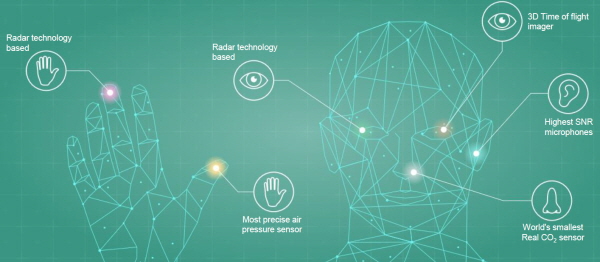

또한 이러한 센서를 통해 스마트 장치로 에너지를 절약할 수 있는 장점을 부여한다.
특히 모든 감지 기술 중 레이더는 가장 많은 기회를 제공할 수 있다.
레이더는 활력 징후를 포함해 움직임의 가장 작은 종류를 감지 할 수 있다.
모션 트리거 조명 시스템 또는 유사한 장치 앞에서 흔들 필요가 없다.
레이더는 존재 자리를 느낄 수 있으며, 거리, 속도, 호흡 및 심박수, 제스처, 사람들의 움직임을 추적할 수 있다.
이외에도 성능 매개 변수를 조정할 수 있고, 다재다능하고 유연하며, 장애물을 통해 감지할 수 있다.
또한 레이더는 모든 비전도성 물질을 관통하고, 레이더 센서를 최종 제품에 숨길 수 있어 제품 설계의 유연성을 확보할 수 있다.
특히 레이더는 태양, 암흑 및 기타 모든 조명 조건에서 작동하고, 안개, 먼지 및 온도에 견고하다.
이와 함께 레이더 센서는 유지 보수가 필요하지 않고, 환경적으로 탄력적이다.
레이더는 새로운 것이 아니지만, 이제 할 수 있는 일은 세상을 감지하는 완전히 새로운 방법을 가능하게 한다.
■ PIR보다 나은 감지 능력
레이더 센서는 다양한 애플리케이션에서 주변 사람들을 인식해 고객 경험을 향상시킨다.
PIR, 초음파, ToF 또는 카메라 기반 솔루션과 같은 기존 모션 검출기 솔루션은 결정적인 단점인 감도와 장애물을 통한 감지, 크기를 극복할 수 있다.
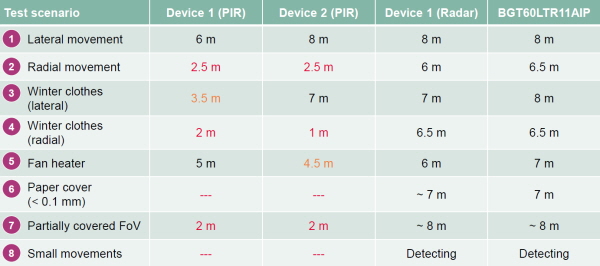
인피니언의 레이더 센서인 ‘BGT60LTR1AIP’를 기존 모션 검출기 솔루션과 직접 비교하면 PIR보다 RADAR의 장점을 확인 할 수 있다.
인피니언이 실시한 △센서에 대한 측면 이동 △센서에 대한 방사형 움직임 △겨울 의류와 측면 운동 △겨울 의류와 방사형운동 △주변에 있는 팬 히터(열원) △종이 타월(< 0.1mm)으로 덮인 센서 △부분적으로 덮여 있는 시야(옷걸이) △책상에 앉아있는 동안 작은 움직임 등 8개의 테스트 시나리오를 비교한 결과 ‘완벽한조건’에서 벗어나, PIR 기반 모션 검출기는 약점을 나타내고 BGT60LTR1AIP는 안정적인 성능을 발휘했다.
레이더 센서의 이점을 받는 응용 프로그램들을 살펴보면 모니터 스크린에서는 개인 정보 보호 및 에너지 절약에 기여할 수 있다는 것이다. 스크린 화면을 그대로 두고 자리를 떠나도 자동으로 끄기 및 켜기 등의 기능을 부여해 에너지 절약 및 개인정보보호, 얼굴 인증의 응답시간을 최소화 할 수 있다.
조명에서는 레이더 센서가 시야에 들어갈 때 판독램프 옆에 있는 사용자를 감지해 자동으로 켤 수 있고, 사용자가 시야 외부로 이동하면 램프가 꺼져, 에너지를 절약하고, 사용자 경험을 향상 시킬 수 있다.
안전 영역에서는 모션 감지 또는 동작 방향, 거리 등에 따라 보안 카메라/시스템을 활성화하거나 PIR 센서의 트리거로 신호를 확인한다. 또한 적은 거짓 경보가 트리거 돼 카메라가 덜 활성화되고, 소유자가 실수로 연락하지 않는 상황에서 비상사태 시 자동으로 연락할 수도 있다.
.jpg)
■ BGT60LTR1AIP, 가장 통합된·가장 작고·간단한 모션 센서 솔루션
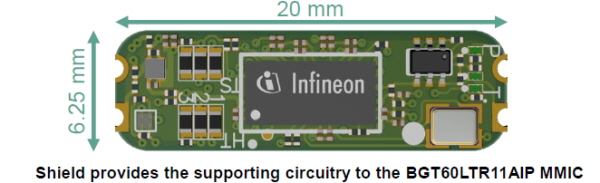
레이더 센서의 대표적인 제품인 인피니언의 BGT60LTR1AIP은 실제 PIR(적외선 동작감지 센서)를 교체 할 수 있다. 마이크로 컨트롤러 없이 모션감지를 위한 첫 번째 저비용 레이더 센서로 통합 아날로그 베이스밴드 및 검출기가 있는 도플러 레이더이며, MCU를 추가하면 거리를 늘릴 수 있다.
자율 모드에서 최대 7m의 검출 범위를 가지며, 시야는 80°, 1.5∼9mW 사이의 전력 소비와 움직임과 움직임 방향에 직접 출력을 제공한다.
감시 카메라, 경보시스템, 스마트홈, 에너지 절약, 조명, 화장실, 텔레비전, 노트북 등 다양한 애플리케이션에 응용할 수 있다.
또한 이 제품은 4개의 사전 설정된 입력 핀을 사용하면 최대 16개의 다른 상태에 대한 MMIC 설정을 변경할 수 있다.
레이더 작동 모드에서는 자율, 펄스 및 SPI 모드 중 선택이 가능하고, 검출기 감도는 16가지 감도 수준을 선택할 수 있다.
감지 후 신호 보류 시간은 0.1초에서 30분 사이의 16개의 홀드 타임 중에서 선택이 가능하고, 장치 작동 주파수는 61.1∼61.4GHz 사이의 4레벨 선택이 가능하다.
SPI 모드에서는 PC 또는 외부 마이크로 컨트롤러 장치(MCU)에서 신호 처리를 위해 레이더 원시 데이터를 추출할 수 있다. 또한 인피니언의 툴박스는 데모 소프트웨어와 레이더 그래픽 사용자 인터페이스(Radar GUI)로 이 플랫폼을 지원한다.

Comments
Related news
Infineon Radar-based People Count Solution "Anonymity Guaranteed"
With the spread of COVID-19, there became a need for solutions to help people maintain social distance within buildings. Infineon's smart people counting solution for entrances integrates a 60GHz radar sensor and software on a compact discrete radar board to accurately and anonymously count the number of people.
2020.08.04by 강정규 기자

[Planning] Radar Sensors: A Key to Smart Living
We have arranged a session to learn about Infineon's 'XENSIV™' 60GHz radar sensor 'BGT60LTR11AIP' as a motion sensor for implementing a smart IoT environment.
2021.11.02by 배종인 기자

[Interview] Hyungjun Kim, Manager of Automotive Business Unit, Infineon Korea
Infineon's Kim Hyung-jun manager provides a detailed explanation of OTA, a wireless software update technology for vehicles.
2021.11.02by 배종인 기자

Intel Unveils Next-Generation 'Core Ultra Series 3' and vPro Platform for Enterprise PCs
Intel has officially unveiled the "Intel Core Ultra Series 3" for next-generation enterprise PCs and the latest vPro platform, addressing a wide range of demands from enterprise notebooks to high-performance workstations.
2026.03.26by 배종인 기자

ROHM Launches ESD Protection Diode Compatible with High-Speed Interfaces of 10Gbps or Higher
Semiconductor specialist ROHM has developed the 'RESDxVx series' of ESD (electrostatic discharge) protection diodes capable of responding to next-generation high-speed data communication environments exceeding 10Gbps, simultaneously enhancing both signal quality maintenance required in high-speed interfaces and IC protection performance.
2026.03.26by 배종인 기자











