


The semiconductor industry is intensifying its competition in the automotive business.
 Published2022.02.21 17:14
전통적 車 반도체社 기술·신규투자로 시장 방어
가전업계 車 전장 비중 확대 시장 확대 본격화
지난 18일 인텔은 인베스터 데이(Investor Meeting)를 개최하고, 인텔 파운드리 서비스의 핵심 내용을 공개했다. 이날 산업계의 주목을 받은 이슈는 자동차용 분야에서 최첨단 공정을 제공하겠다는 방침이다.
인텔은 10년 후 자동차용 반도체 시장 규모를 1,150억달러로 현재의 두 배가 될 것이라고 예상했는데, 이 시장에서 첨단 기술 제공을 통해 시장을 선점하겠다는 전략이다.
인텔의 이러한 선언은 최근 반도체 업계에서 자동차 비즈니스가 차지하는 비중이 급속도로 증가했기 때문이다.
.jpg)
▲인텔 펫 겔싱어 CEO가 인베스터 데이에서 웨이퍼를 들고 있다.
옴디아의 최신 보고서에 따르면 2021년 자동차용 반도체 매출은 이미 500억달러를 넘어섰으며, 전체 반도체 시장의 약 9%를 차지하는 것으로 나타났다.
또한 2025년까지 연간 12.3%의 성장률을 지속할 것으로 전망됐다.
이에 자동차 반도체 포트폴리오를 보유한 기업들이 향후 반도체 시장에서 성장의 기회를 잡을 것으로 분석됐다.
이러한 분석을 뒷받침하듯 최근 자동차 반도체 업계의 투자가 치열하게 펼쳐지고 있다.
파운드리 업계 세계 1위 TSMC는 MCU 생산량을 2020년 대비 60% 증산하는 계획을 발표한 바 있으며, 일본에 1조엔 규모의 반도체 공장 건설을 추진 중이다. 또한 미국 애리조나 공장에 120억달러를 투자한 바 있다.
우리나라의 SK하이닉스는 8인치 웨이퍼 파운드리 키파운드리를 인수하고 사업영역을 확대하고 있으며, DB하이텍은 전력효율을 높인 차세대 전력 반도체 생산을 위한 연구개발에 착수했다.
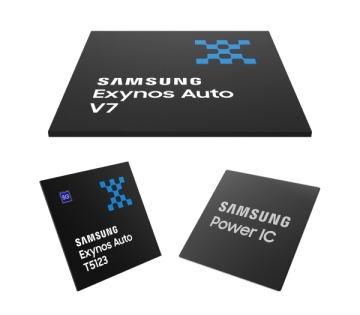
삼성전자는 통신칩, 프로세서, 전력관리칩 등 차세대 차량용 시스템 반도체 포트폴리오를 강화한 바 있으며, 차세대 차량용 메모리 솔루션을 글로벌 자동차 제조사에 공급하며, 자동차용 반도체 시장 공략을 본격화 하기도 했다.
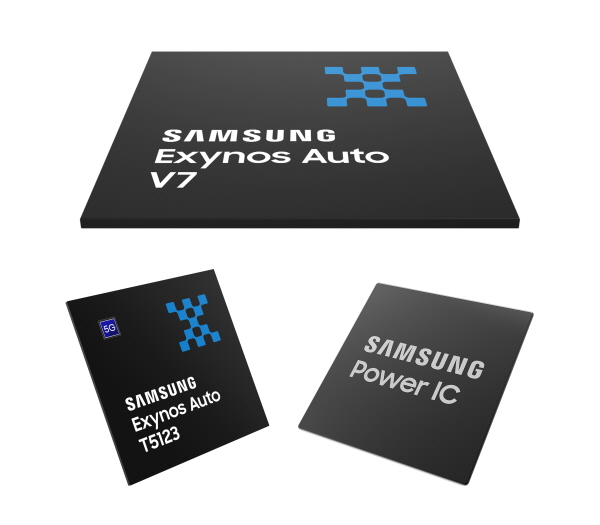
▲삼성전자 차세대 차량용 시스템반도체 3종
특히 삼성전자는 막대한 현금 보유를 바탕으로 차량용 반도체 업체 인수설이 끊임없이 흘러나오고 있다.
삼성전자, SK하이닉스, 인텔, TSMC 등 반도체 공룡들의 자동차 반도체 시장 공력에 전통적인 자동차 반도체 업체들도 증설 및 신규 투자를 통해 시장 확대 및 시장 방어에 나서고 있다.
자동차용 반도체 업계 1위인 인피니언은 오스트리아 팔라흐 공장에 약 16억유로를 투자해 12인치 웨이퍼 기반 SiC 반도체 생산을 시작한 바 있고, 최근에는 말레이시아 쿨림 공장에 SiC 및 GaN 제품에 20억유로 이상을 투자한다고 밝힌 바 있다.
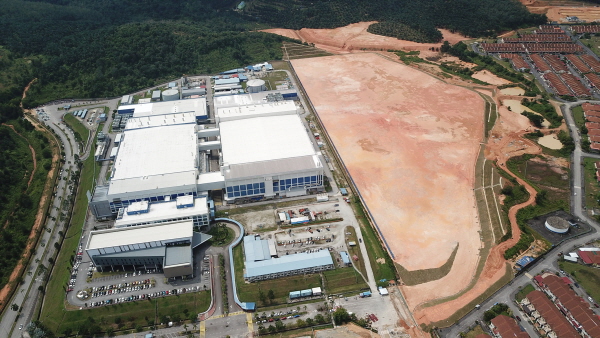
▲인피니언 말레이시아 쿨림 공장
NXP는 TSMC의 16㎚ 공정을 이용해 차량용 반도체를 양산하고, 설비 투자를 매출의 5%에서 7%로 상향했다.
ST는 Crolles, Agrate 12인치 팹 캐파를 증설했고, Catania의 SiC 팹 캐파를 증설했다. 또한 싱가포르에서 신규 8인치 팹을 가동했다.
TI도 3번째 12인치 팹을 증설했다.
르네사스는 지난해 나카 공장의 화재 피해를 6월 완전 정상화했고, 화재전보다 투자를 더해 캐파를 증설 한 바 있다. 또한 2023년까지 1,400억엔을 투입해 MCU 생산량을 1.5배로 확대할 계획이다.
이런 가운데 전통적인 전자회사들의 자동차 전장 반도체 시장 진출도 본격화되고 있다.
애플은 끊임없이 전기차 시장 진입설이 흘러나오고 있으며, 애플카에 대한 관심이 상당히 고조된 상태다.
전통 가전 업체의 대명사인 LG전자역시 미래 성장 동력으로 전장부품을 선정하고, 전기차 관련 부품이 2025년까지 연평균 50%의 가파른 매출 성장을 이룰 것으로 전망하고 있다.
이런 가운데 스마트카, 자율주행, OTA 등 자동차 산업의 패러다임의 변화 속에 자동차용 반도체 시장도 첨단화되기 시작해 향후 기술력 경쟁 또한 커질 것으로 예측되고 있다.
이에 전문가들은 반도체의 자동차 비즈니스가 반도체 업계 승패를 결정하게 될 것이라며, 시장을 예의주시하고 있다.

Comments
Related news
Automotive semiconductor shortage to continue through 2022
The automotive semiconductor shortage is expected to persist into next year following this year. Additionally, power semiconductors are anticipated to experience continued market expansion in the future due to increasing electric vehicle demand.
2021.10.28by 배종인 기자
Samsung Electronics Strengthens Automotive Semiconductors
Samsung Electronics has unveiled three next-generation automotive system semiconductors, including communication chips, processors, and power management chips, thereby strengthening its automotive semiconductor portfolio.
2021.12.01by 배종인 기자
Automotive semiconductor orders for 2022 will exceed production.
Automotive semiconductor orders for next year are already exceeding production capacity, with orders being placed for 2023 production, while automakers are pursuing technology internalization or collaboration, responding to supply risks through semiconductor integration and concentrated design.
2021.12.28by 배종인 기자
SiC·GaN, Rapidly Emerging Key Automotive Power Semiconductors
With the widespread electrification of vehicles, compound power semiconductors such as SiC and GaN are rapidly emerging as key components in automobiles to enhance battery efficiency and minimize power consumption.
2022.02.15by 성유창 기자
.jpg)
Automotive semiconductors to grow at an average annual rate of 12.3% by 2025
The automotive semiconductor market is expected to continue growing at a compound annual growth rate of 12.3% through 2025, and it has been suggested that a portfolio centered on automotive semiconductors will provide growth opportunities for the semiconductor industry.
2022.02.17by 배종인 기자











