



Seoul National University's SIPC seeks solutions for K-fabless companies to expand overseas.
 Published2022.05.06 14:37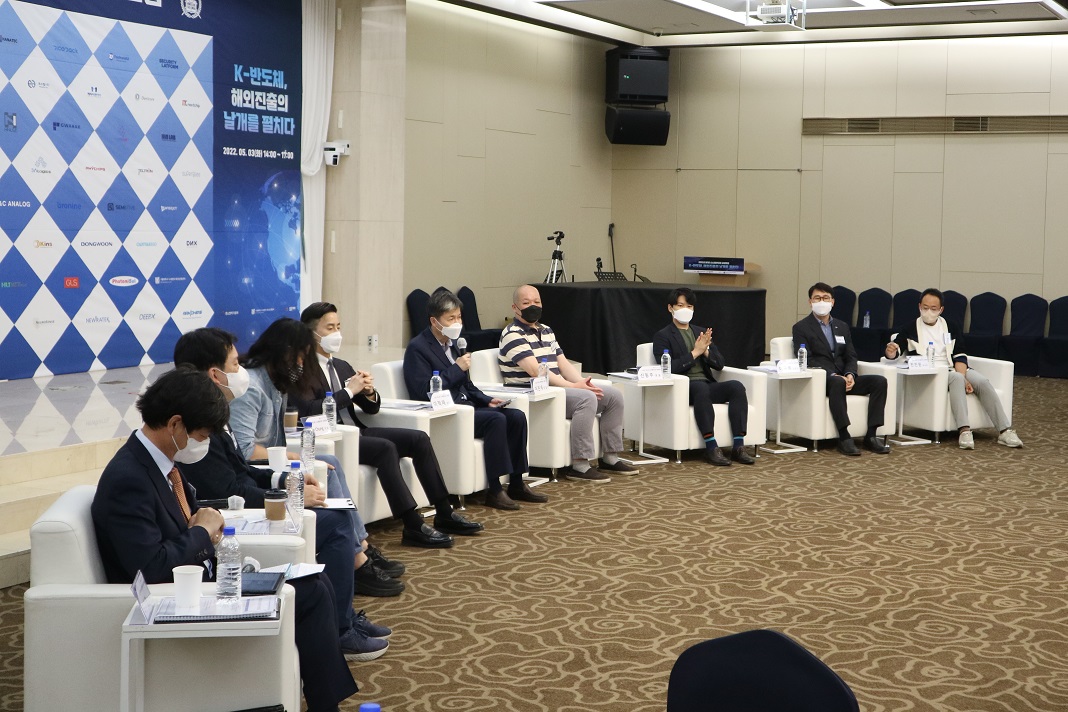
▲2022년 제1회 시스템반도체 상생포럼 패널토의 현장
해외인재 영입 美스톡옵션 중요VS국내로도 충분, 혜택 보충
세계시장에서 국내 팹리스가 차지하는 매출 비중은 1%에 불과하지만 우수한 반도체 인재 양성과 더불어 반도체 생태계 조성에 힘을 실으려는 움직임들이 활발해지며 앞으로의 성장이 기대되고 있다.
지난 3일 서울대 시스템반도체산업진흥센터에서 주최한 2022년 제1회 시스템반도체 상생포럼이 교수회관 컨벤션홀 현장과 온라인에서 동시에 진행됐다.
국내 팹리스 기업의 혁신성장에 장애가 되는 문제점을 발굴해 해법을 제안하기 위해 시작된 상생포럼은 이번에 ‘K-반도체, 해외진출의 날개를 펼치다’를 주제로 국내 팹리스 기업들의 해외진출에 대한 고충을 듣고, 관련 전문가들이 모여 논의하는 자리를 가졌다.
이날 행사에는 이은세 541벤처스 대표와 존청 제이씨앤컴퍼니 대표가 연사로 참여해 국내 팹리스 기업을 위한 해외진출 방안을 제언하고 기업들의 질문에 답변했다.
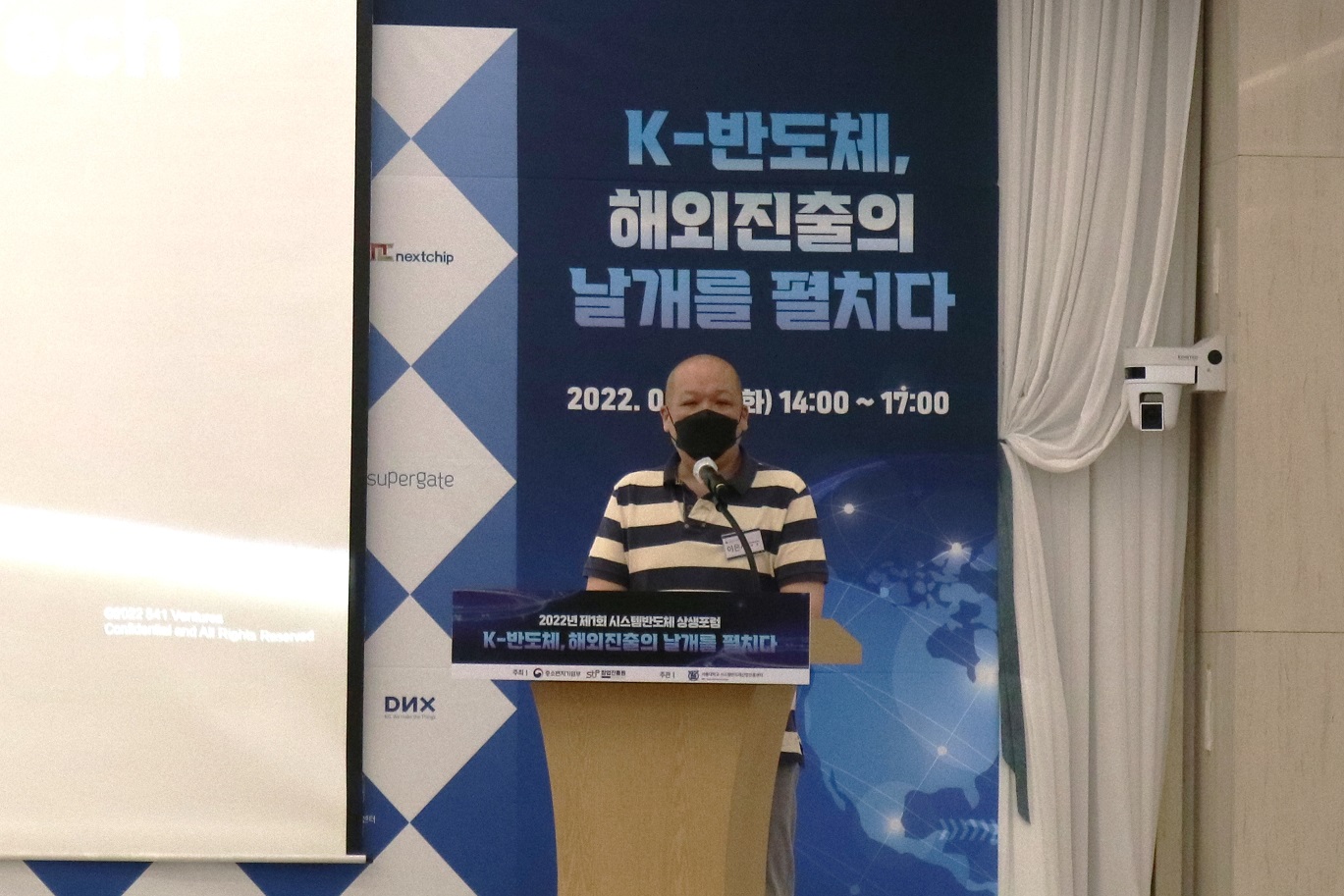
▲이은세 541벤처스 대표
존청 대표는 이날 미국 진출을 준비하며 리포지셔닝이 필요한 기업들을 위한 미국법인화에 대해 설명했다. 그는 미 법인화의 장점으로 “창업자나 얼리 스테이지(early stage) 투자자의 경우 1,000만불까지 양도소득세를 부담하지 않아도 된다”며 “더불어 83b 일렉션(election)을 제대로 활용해 향후 주식 매각 혹은 엑시트 시에 낮은 세율을 적용받는 것을 알아두면 좋다”고 제언했다.
이밖에 스타트업이 누릴 수 있는 혜택으로 △R&D 택스크레딧(Tax Credit) △SBIR(Small Business Innovation Research)을 소개했으며 스타트업 기업이라면 미국 진출 시 플립(Flip)을 통해 미국 법인을 본사로 만들고 한국 법인을 자회사로 변경하는 방식으로 미국VC 투자를 이끌어낼 수 있다고도 언급했다.
당일 행사에는 불참한 김승모 오세올라카운티 한국사무소 소장을 대신해 최기창 교수가 발제를 진행했다. 이날 설명에 따르면 미국 플로리다주 오세올라카운티는 스마트시티 건설을 추진하며 반도체 생산단지 조성 계획을 밝힌 가운데 한국 반도체 기업들에 러브콜을 보내고 있는 상황이다. 2단계에 접어든 사업은 최근 엔비디아 창업자를 포함해 플로리다 주립대에 7,000만달러를 투자해 AI 인재를 키울 것으로 보여 인공지능 인재들이 다수 양성될 것으로 전망했다. 이에 국내 팹리스 기업들이 우수 인력 수급을 통한 성장과 더불어 자금이 충분한 VC의 투자를 받을 가능성도 높아 관련 입지의 우수성을 피력했다.
패널토의 시간에는 조명현 세미파이브 대표, 백준호 퓨리오사 AI 대표 등이 참석해 미국 진출과 인력수급에 대한 논의를 이어나갔다. 글로벌 진출 시 신뢰할 만한 파트너 선정 문제뿐 아니라 관련 시행착오 비용을 줄이기 위한 전략 등 다양한 질의가 쏟아지는 가운데 각 대표들은 각자의 글로벌 진출 경험을 토대로 답변했다.
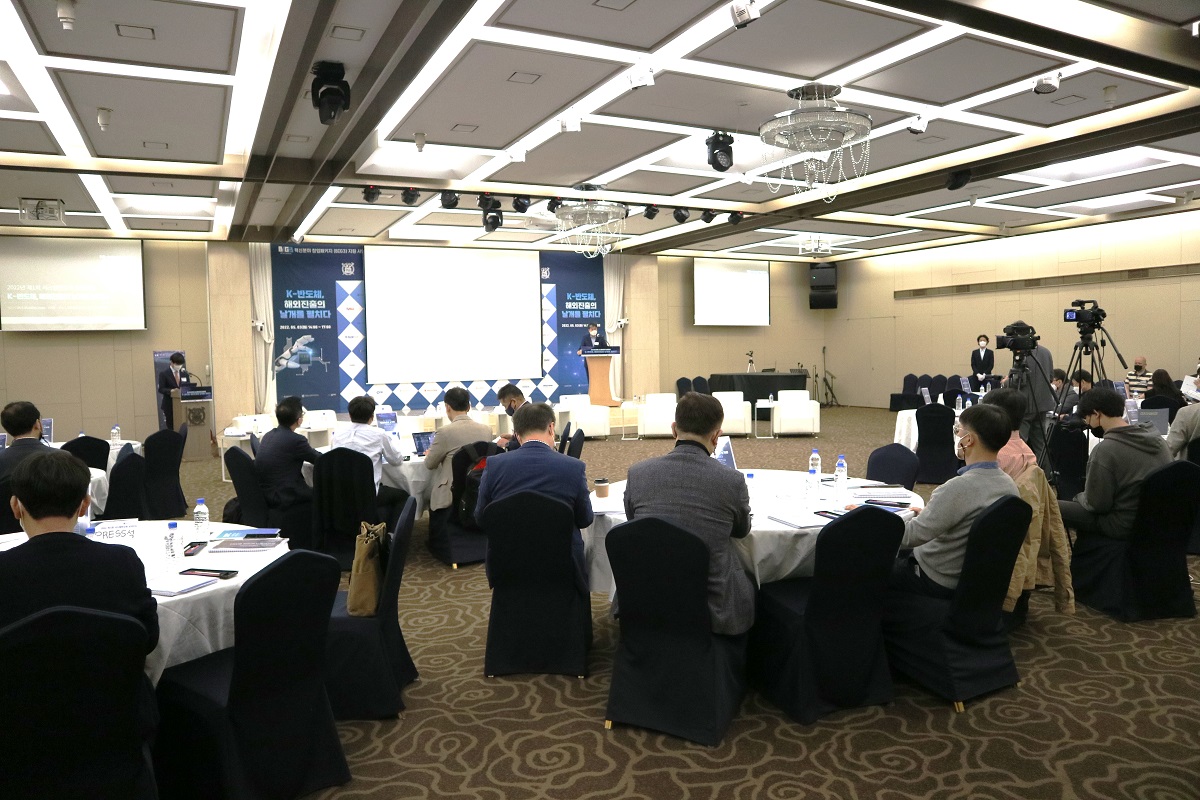
▲시스템반도체 상생포럼 현장
백 대표는 “글로벌 진출을 위해선 제품의 수준을 어떻게 확보하느냐가 중요한 부분”이라고 말했다. 그는 초기 미국 진출이든 한국에서 기반을 닦고 진출하든 정답은 없다고 전제하며 “향후 글로벌 진출 목표가 명확해졌을 때 해당 수준에 맞춰 제품·팀 수준과 기업의 비즈니스 역량을 구성하고 대비해야 한다”는 생각을 전했다.
이에 이은세 대표는 “최근 미국 시장에 접근성이 좋아지며 미국 시장 있어야 하는가에 대해 의구심을 가질 수 있지만 좋은 인재 확보가 회사 성장의 핵심이다”라며 “국내에도 좋은 엔지니어들이 많지만 한편으로는 비즈니스적인 측면에서 글로벌 공략을 위한 해외 인재 영입에서 스톡옵션 활용이 어려울 수 있다”고 언급했다. 국내 스톡옵션 시스템을 생소하게 느낄 수 있으며 관련 세금 문제로 인해 매력도가 떨어질 수 있다는 설명이다.
백 대표는 “현지에 한국계 직원이 많아 한국 스톡옵션을 수용했다”며 일부 반박했으며 다만 “법률적인 부분 및 한국 스톡옵션을 메리트 있게 설명하는 부분이 어려울 수 있다”고 부연했다.
조명현 대표도 미국 현지 직원에게 한국법인 스톡옵션을 부여한 경험이 있다고 언급하며 “한국 스톡옵션 매력도가 추가적인 규제로 인해 떨어질 우려는 있으나 이를 다른 혜택으로 보충할 수 있다”고 설명했다.
그는 사업 개시 시점으로 돌아가더라도 미법인이나 플립을 고려치 않을 것이라고 일축했다. 조 대표는 “세미파이브의 밸류를 만들어내는 부분은 한국에 있으며 한국에 본체를 두고 단계적으로 해외로 뻗어갈 것”이라고 강고한 사업 비전을 내비쳤다. 다만 개시 시점에서 미리 염두에 둔 것이 “미국 법인을 누가 이끌 것인지”에 대한 문제였지만, 결과적으로 파트너를 찾는 것이 어려웠다고 토로하기도 했다.
한국과 미국의 비즈니스 생태계 차이를 비교하며 이은세 대표는 “미국은 시리즈A 투자만 받아도 유명 기업의 인력들을 뺏어올 수 있지만 한국은 그렇지 않다”며 투자를 받아도 외부 유망인재를 데리고 오기 어렵다고 말했다. 그러면서 “글로벌 세일즈 경험이 있는 인재를 데리고 올 것”을 추천했다.
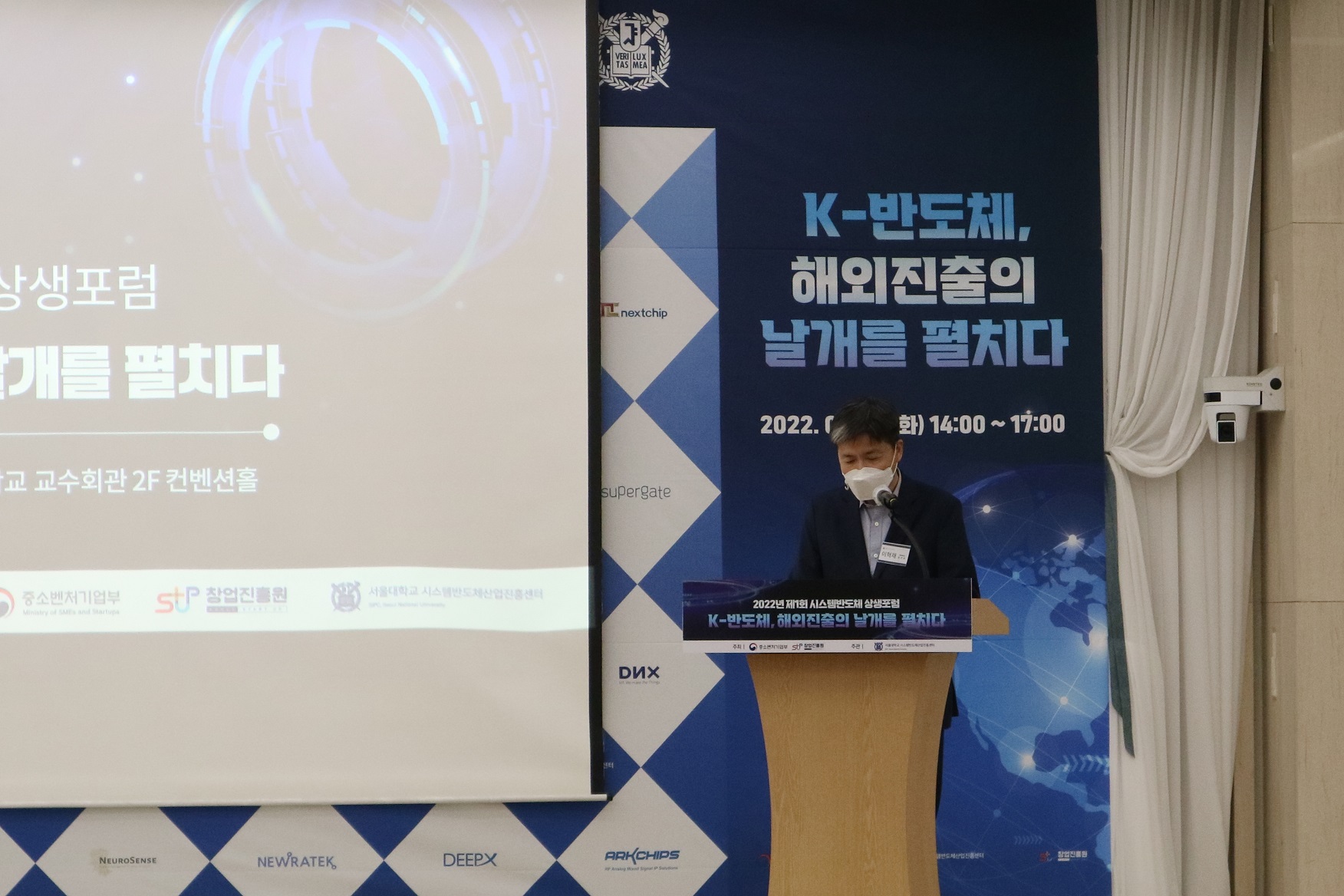
▲이혁재 서울대학교 시스템반도체산업진흥센터 센터장
한편 이혁재 센터장은 “스타트업은 엔지니어 백그라운드를 가진 분들이 창업자인 경우가 많아 비즈니스 경험을 가진 파트너 및 신뢰할 만한 미국 VC들과의 네트워킹이 중요하다”며 “서울대 시스템반도체산업진흥센터가 인력 채용뿐 아니라 관련 네트워크 마련에도 실질적인 도움이 될 수 있게 노력하겠다”고 밝혔다.
Comments
Related news
SemiFive Supports Arm IP, "Resilience for Custom SoC Designs"
Arm announced on the 20th that Semifi ve, a semiconductor design solutions provider, has joined the Arm ecosystem. With Semifi ve now able to utilize not only RISC-V IP but also Arm IP, domestic fabless companies' specialized processing SoC design work is expected to gain momentum. Going forward, Semifi ve plans to accelerate the utilization of application-optimized custom SoC design built on Arm technology.
2021.05.20by 이수민 기자
Seoul National University System Semiconductor Industry Promotion Center Actively Promotes System Semiconductor Support
Seoul National University's System Semiconductor Industry Promotion Center actively promoted support policies for fostering the system semiconductor industry.
2021.10.28by 배종인 기자
.jpg)
Fabless Growth Depends on Talent and Investment
It has been suggested that for the growth of domestic system semiconductor fabless companies, there is a need for active investment from specialized fund managers (GPs) with capabilities in both nurturing and securing professional talent and providing portfolio support expertise specialized in semiconductors.
2021.11.30by 배종인 기자
Chip design in one click
Domestic researchers have developed semiconductor design technology that enables easy and rapid development of system semiconductors, which is expected to significantly help domestic small and medium-sized fabless companies quickly develop competitive products.
2022.01.13by 배종인 기자
SemiFive Secures KRW 130 Billion in Series B Funding
Semifive is raising a total of 170 billion won across three rounds of funding, accelerating its global expansion.
2022.02.18by 배종인 기자











