


As the open source ecosystem expands, malicious packages also increase by 600%.
 Published2022.05.30 13:05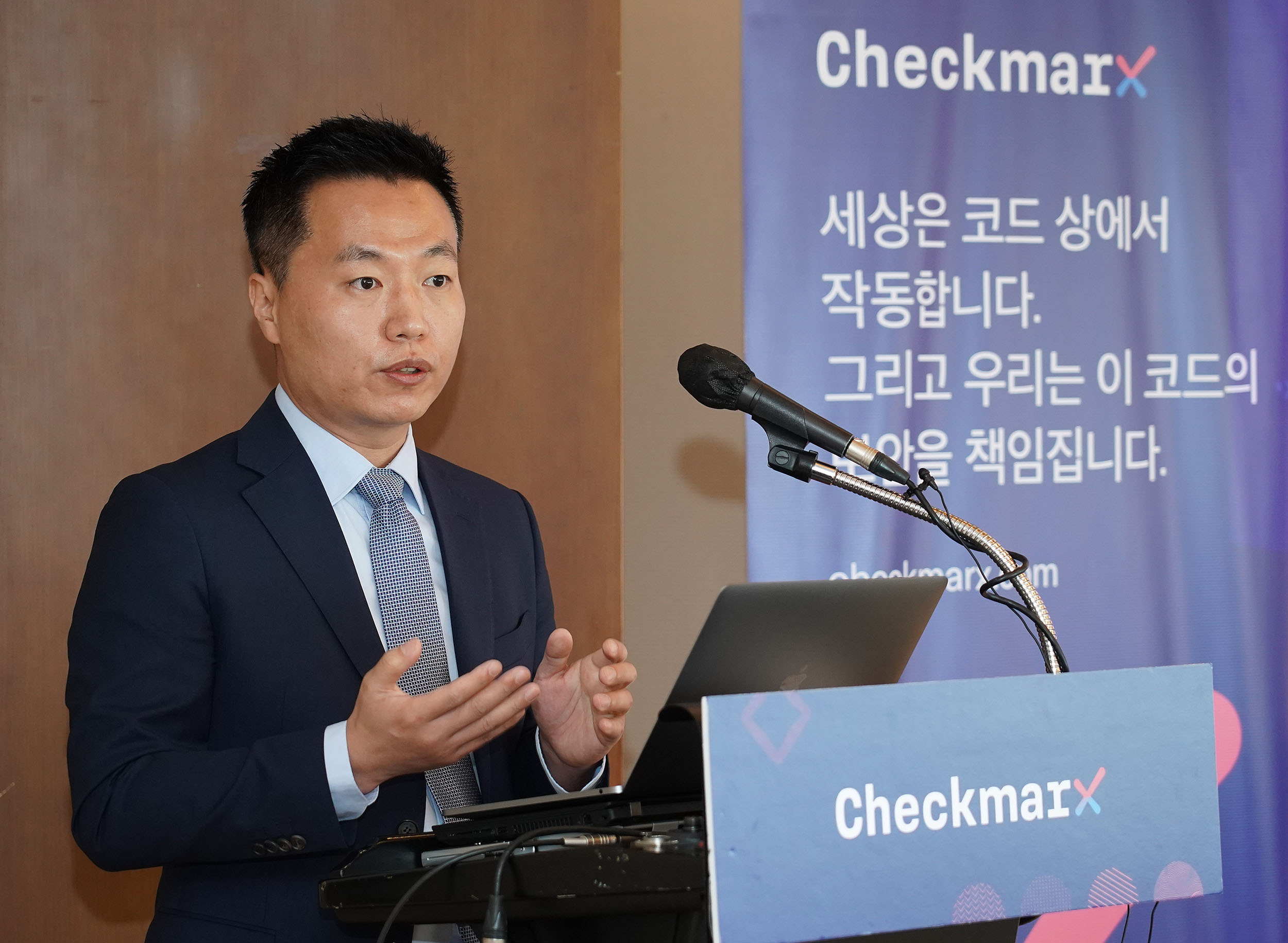
▲26일 체크막스 기자 간담회에서 송대근 체크막스코리아 지사장(사진-체크막스코리아)
Bulid/CI솔루션·취약점 관리·맞춤형 가이드로 보안 역량 강화
“내가 개발자라면 어떻게 현명한 선택을 할 수 있을까?”
최근 소프트웨어 공급망에서 보안 문제가 점점 심각해지고 있다는 주장이 나왔다. 자키 조렌슈타인 체크막스 공급망 보안 총괄은 새롭게 나오는 소프트웨어 및 애플리케이션의 증가에 따라 이에 대한 공격도 함께 증가한다고 언급했다. 체크막스는 이러한 공격자들을 추적하고 악성 패키지를 제거하는 데 집중하고 있다.
오픈소스 기반 개발 환경은 신속한 업데이트와 최신 트렌드 반영이 빠른 장점이 있지만 신뢰성 및 지속성 있는 보안관리에 어려움이 있어 소프트웨어(SW) 개발자들에게 딜레마일 수밖에 없다.
26일 체크막스코리아는 기자간담회를 열어 오픈소스 내 사이버 보안위협에 대응하는 안전한 소프트웨어 개발에 필요한 3가지 솔루션을 제안했다.
■오픈소스 보안, 제로 트러스트에 준한 보안 필요
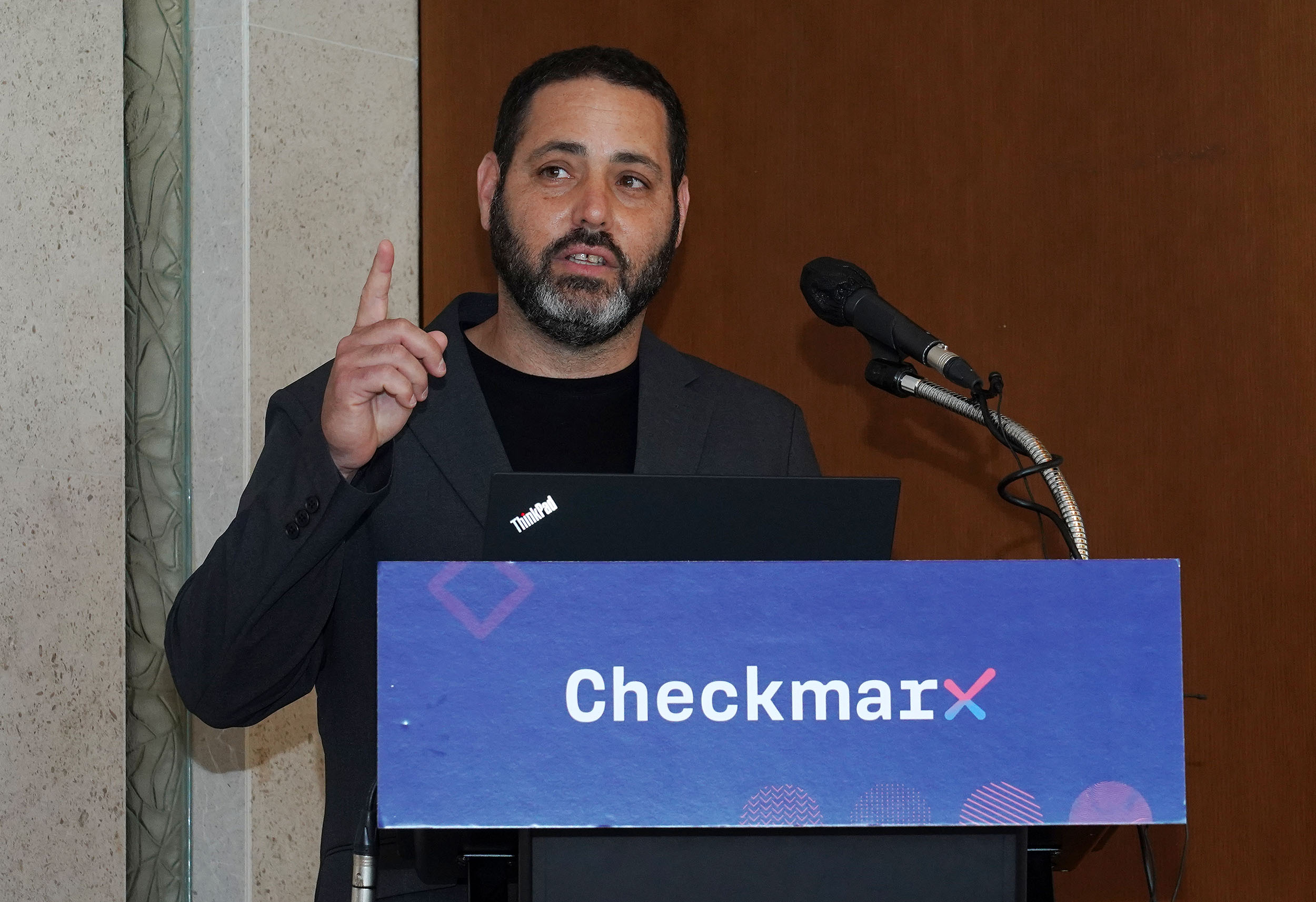
▲자키 조렌슈타인 체크막스 공급망 보안 총괄(사진-체크막스코리아)
“오픈소스 일부에 제로 트러스트 개념을 적용할 필요가 있으며 코드를 검증해야 한다”며 “개발자 평판을 믿지 말라”고 자키 조렌슈타인 공급망 보안 총괄은 조언했다.
IT분야 리서치 기관 가트너는 “2025년까지 60%의 기업이 공급망 보안 공격에 대비해 소프트웨어 딜리버리 파이프 라인을 강화할 것”이라고 예상한 바 있다. 게다가 체크막스 보안연구팀도 최근 수백개에 달하는 악성 오픈소스 패키지를 파악했으며, 이들을 △의존성 혼동 △타이포스쿼팅(Typosquatting) △체인잭킹(Chainjacking) 등 크게 세 가지 유형이 있다고 설명했다.
자키 총괄은 “작년 한 해 악성패키지 증가율은 600%였는데 올해는 이보다 높을 것”이라며 “레드릴리(Red Lili)라는 조직은 한 달만에 1,500개의 악성패키지를 만들 고 있다”고 언급했다.
그는 “체크막스가 모던 애플리케이션의 개발 주기에 걸쳐 잠재적 악성 오픈소스 패키지를 파악할 수 있는 ‘체크막스 공급망 보안’솔루션을 출시했다”며 “이를 통해 보안위협을 예방할 수 있다”고 강조했다.
'체크막스 공급망 보안' 솔루션은 체크막스 소프트웨어 구성 분석(Checkmarx Software Composition Analysis, SCA)과 함께 작동해 오픈소스 프로젝트의 건전성과 보안 이상 징후를 파악한다. 또한 '기여자 평판(contributor reputation)'을 분석하며 '디토네이션 챔버(detonation chamber)' 내 분석을 통해 패키지 행태를 분석하고 직접 정보를 확보한다.
이를 통해 소프트웨어 공급망 전 영역에 걸친 분석과 인사이트를 통해 기업 애플리케이션 보안의 중대한 공백을 메울 수 있다는 것이다.
그는 기자간담회에서 사례를 들어 설명했는데 오픈소스 기여자는 단순 변심으로 인해 건강한 오픈소스에 악성코드를 심거나 특정 의도를 가지고 멀웨어를 유포하기도 한다고 설명했다. 최근 러시아-우크라 전쟁으로 인해 이를 개탄하기 위해 벨라루스와 러시아 지역 사용자에게만 작동하는 악성코드를 심어 유포한 사건이 있었다고 언급했다.
특히 체크막스 공급망 보안 솔루션을 통해 기업들은 △패키지의 건전성과 소프트웨어 자재명세서(SBOM) △악성 패키지 탐지 △기여자 평판 △행위 분석 △지속적 결과 처리 등의 필수적 역량을 이용해서 오픈소스 소프트웨어를 안전하게 활용, 모던 애플리케이션 개발을 가속화할 수 있다고 설명했다
■한국이 직면한 보안 문제
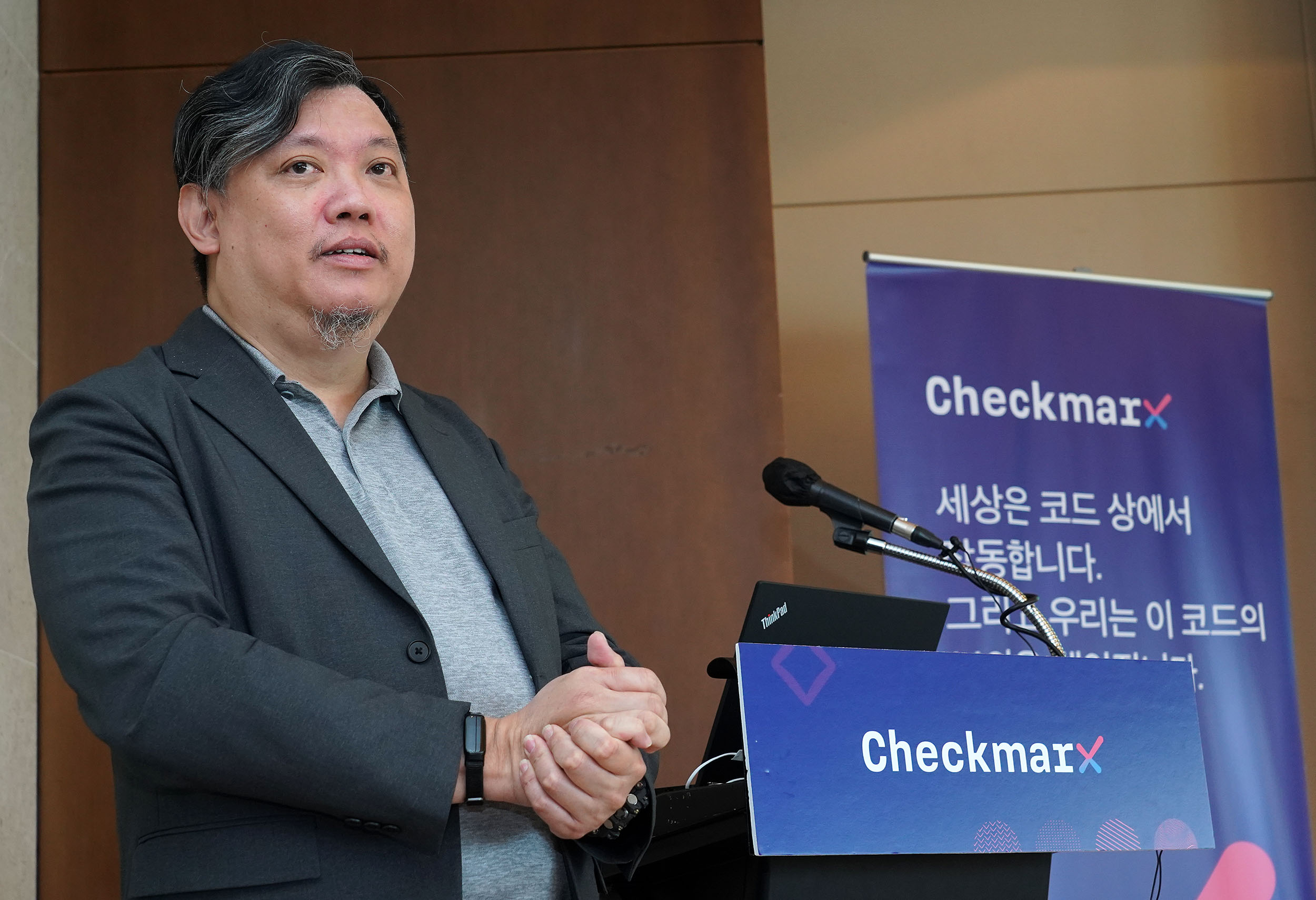
▲애드리안 옹 체크막스 북아시아 영업 총괄 부사장(사진-체크막스코리아)
한국은 모바일, IoT, 커넥티드카 등 거대한 첨단 IT산업을 영위하고 있다. 만약 개발자들이 검증되지 않은 패키지를 사용해 그 안에 악성코드가 숨어있다면, 자율주행차 혹은 IoT, 스마트 팩토리, 병원 의료 시스템 등이 마비되는 상태가 벌어질 수도 있다.
이날 기자간담회에 참석한 애드리안 옹 북아시아 영업 총괄 부사장은 “한국 브랜드에 미치는 영향은 재난 수준일 것이다”라며 “이는 개발자가 잘못된 것이 아님에도 벌어질 수 있는 일이다”라고 말했다.
송대근 지사장은 “오픈소스를 사용하지 않고는 새로운 앱 출시 거의 불가능한 시장”이라며 “소비자 트렌드가 빠르기에 개발환경도 빠르게 변화한다”고 설명했다. 이러한 소프트웨어 개발 환경을 언급하며, 클라우드 기반의 데브섹옵스(DevSecOps)를 도입하려면 소프트웨어 개발 과정(SDLC)에 어떻게 보안을 내재화할 것인지가 중요하다고 강조했다.
송 지사장은 안전한 소프트웨어 개발(Security by Design)을 위한 3가지 해결책으로 △Build/CI 솔루션을 통한 자동화된 보안 취약점 점검 절차 확립 △오픈소스 취약점 관리 △맞춤형 가이드를 통한 개발자 보안 역량 강화를 꼽았다. 이를 통해 △애플리케이션 보안 취약점 제거 △오픈소스 애플리케이션 보안 취약점 및 라이선스 규정 위반 예방 △전문가 서비스 및 시큐어 코딩 역량 강화 등의 기대효과를 제공한다고 강조했다.
한편, 체크막스는 지난해 10월 국내 진출 이후 활발히 국내 비즈니스를 전개해 나가고 있다. 개발 및 보안 팀에 독점 코드, 오픈 소스, API 및 코드형 인프라(IaC)를 포함한 현대적 소프트웨어의 모든 구성 요소에 걸쳐 위험을 줄일 수 있는 솔루션을 제공하고 있다.
현재 성장하고 있는 웹과 애플리케이션 보안 분야에 집중하고 있지만 향후 사업 전략에 있어서 한국의 발전된 임베디드 시장 및 자율주행, 스마트폰, 스마트팩토리 등 첨단 IT산업 SW 보안 분야에도 진출을 구상하고 있다고 밝혔다.

Comments
Related news

Checkmax Appoints Song Dae-geun as CEO... "We Will Aggressively Target the Domestic Market"
Application security testing (AST) solution provider Checkmarx, a global leader in developer-centric security testing, has appointed Song Dae-keun as its new country manager and announced plans to actively pursue the domestic market.
2021.11.23by 배종인 기자
.png)
Databricks Unveils Open AI Security Monitoring 'Lakewatch'
Databricks entered the security market on March 24 by unveiling LakeWatch, an open-source agentic SIEM. The core functionality of this product is to integrate and analyze security, IT, and business data in a single environment to support AI-based threat detection and investigation. The company explained that it reduces the limitations of existing security operations centers, which have had to forgo some data due to high cost structures, and enables large-scale data analysis and automation based on open formats and ecosystems. LakeWatch is currently offered as a private preview, with Adobe and Dropbox mentioned as early customers. Databricks also announced an expanded partnership with Anthropic as well as the acquisition of Antimatter and SiftD.ai.
2026.03.26by 배종인 기자
Kaspersky Unveils Revamped 'NEXT' Combining SOC Integrated Management and AI Analytics
As enterprises increase demand for integrated management and automation in the construction and operation of Security Operations Centers (SOC), Kaspersky has disclosed updates to its B2B security product suite 'Kaspersky Next'. This update expands EPP, EDR, XDR, and SIEM integration through a single console based on OSMP, incorporates AI capabilities such as DLL hijacking detection and suspicious account takeover behavior identification, and includes integration with generative AI assistant tool KIRA. The company stated that in large-scale deployment environments, EDR Expert can reduce resource requirements by up to 30%, and XDR Expert by up to 60%.
2026.03.25by 배종인 기자
Samsung Electronics Smart Monitor Acquires First International Certification… Expanding Application Scope Following TVs
Samsung Electronics has received Common Criteria (CC) certification for 'Samsung Knox,' a security solution applied to its 2026 smart TVs and smart monitors. The smart TV has achieved certification for 12 consecutive years, while the smart monitor obtained industry-first certification this time. The evaluation was conducted focusing on core functions including kernel integrity monitoring, phishing site blocking, and unauthorized execution prevention. The company plans to expand the scope of security certification beyond TVs to monitors, responding to growing personal information protection requirements as connected devices proliferate.
2026.03.25by 배종인 기자
Teori Selected as AI Voucher Supplier… Supplying LLM Security Solutions
Cybersecurity company Theori has been selected as a supplier for the 2026 AI Voucher Support Program. The company plans to address information leakage and regulatory compliance issues that arise during generative AI adoption through its LLM security solution 'AlphaPrism'. The solution is designed to analyze the context of prompts and source code to identify sensitive information such as personal data and authentication keys, and to continue AI utilization through masking methods rather than simple blocking. The government's AI Voucher Program supports demand enterprises with up to 200 million won per project for solution purchase costs. Based on recent application cases at POSCO DX, Theori plans to respond to expanding demand for enterprise AI security.
2026.03.24by 명세환 기자











