



[Technical Contribution] Mark Patrick Mouser: The Engineer's Guide to SDR
 Published2022.11.17 15:49
단순한 USB 동글에서 고기능 트랜시버까지 다양
즉석 재구성 가능, RF 설계시 유연성·민첩성 높아
 소프트웨어 정의 무선(SDR)이 탄생한 것은 1970년대로 거슬러 올라가며, 처음에는 주로 군용 애플리케이션에만 사용됐다.
그러다가 FPGA와 DSP 신호 프로세싱 기술이 발전하고, IC 기반의 무선 트랜시버가 개발되고, 스몰 셀 무선 네트워크가 진화함에 따라서 2000년대 들어서 SDR 도입이 빠르게 늘어나고 있다.
이 글에서는 SDR의 기본 개념, 기존 RF 아키텍처와 비교해서 SDR의 유연성, 주요 활용 사례에 대해서 살펴본다.
아울러 무선 커넥티비티가 생활의 필수적인 측면으로 자리 잡음으로써 SDR을 유용하게 활용할 수 있는 새로운 애플리케이션들을 소개한다.
■ 생활의 모든 곳에 무선 활용
마르코니(Marconi)가 최초로 스파크 트랜스미터를 사용해서 대서양을 가로질러 모스 부호 메시지를 전송한 이후로 무선 커넥티비티가 몰라보게 발전을 거듭해 왔다.
122년이 지난 오늘날에는 우리 생활 곳곳에 무선 통신이 활용되고 있다.
지능형 디바이스들을 연결하고, 셀룰러 네트워크를 운영하고, 다른 행성에서 우리가 사는 지구의 텔레비전으로 이미지를 전송하기 위해서 무선 통신이 토대적인 역할을 한다.
RF(radio frequency) 엔지니어링은 언제나 전문성을 요하는 기술이었으며, 전통적으로 아날로그이다.
초창기에는 무선 통신이 음성 통신과 모스 부호를 사용한 메시지 송수신에 주로 사용됐다.
음성이든 모스 부호든 정보를 전송하기 위해서는 트랜스미터 주파수를 변조하는 것이 필요했다.
방송국들이 지역 방송을 위한 중파 및 원거리 단파 전송을 위해서 AM(진폭 변조)을 사용하기 시작했다.
FM(주파수 변조)은 지역 방송 및 전국 방송을 위해서 초단파(VHF) 방송에 인기를 끌게 되었다.
무선 리시버 및 트랜스미터 디자인은 전적으로 아날로그였다.
디지털 데이터 전송은 무선 변조기 및 복조기(모뎀) 유닛을 사용해서 바이너리를 아날로그 도메인으로 변환한다.
초기에는 이러한 애플리케이션에 변조 기법으로 FSK(frequency shift keying)가 사용되었다.
뒤에서도 살펴보겠지만, SDR이 무선 시스템 설계로 근본적인 변화를 가져오고 있다. SDR의 작동 원리에 앞서, SDR의 활용 사례들을 알아보자.
아마추어 무선 동호인들이 조기에 SDR을 도입했다.
SDR 기반의 트랜시버는 재난 상황에서 응급 통신을 위해서 편리하면서 가볍고 휴대성 뛰어난 수단을 제공한다.
최근의 사례로서 아조레스에서 화산이 폭발했을 때 구조 활동을 지휘하는 데 이 통신이 활용됐다.
SDR은 천문 연구에도 집중적으로 사용되고 있다. SDR을 활용해서 리시버의 중심 주파수를 제어하고, 대역폭을 조절하고, 멀리 떨어진 별들로부터 잡히는 무선 신호를 스펙트럼 워터폴 디스플레이에다 표시할 수 있다.
셀룰러 네트워크가 진보함에 따라서 스몰 셀 ORAN(open radio access network)이 SDR을 사용하기에 특히 적합하다. 통신 사업자와 네트워크 사업자들이 차세대 5G 및 6G 셀룰러 네트워크 및 기지국으로 SDR을 갈수록 더 많이 도입하고 있다.
■ SDR이란 무엇인가
SDR 리시버나 트랜스미터의 구성은 약간씩 다를 수 있으나, 기존 아날로그 회로 기능의 많은 부분이 소프트웨어 기반 디지털 신호 프로세싱 기법으로 교체되고 있는 것은 확실하다.
SDR 리시버의 핵심 기능은 여전히 아날로그 회로를 사용할 것이다.
무선 프론트 엔드가 안테나로부터 수신된 극히 낮은 전압의 무선 주파수 신호를 검출한다.
하지만 이후의 단계에서는 소프트웨어를 사용해서 주로 복조 기능으로 이루어진 신호 프로세싱을 수행한다.
이 소프트웨어는 전용적인 임베디드 프로그래머블 프로세서로 실행하거나 랩탑이나 데스크톱 컴퓨터로 실행할 수도 있다.
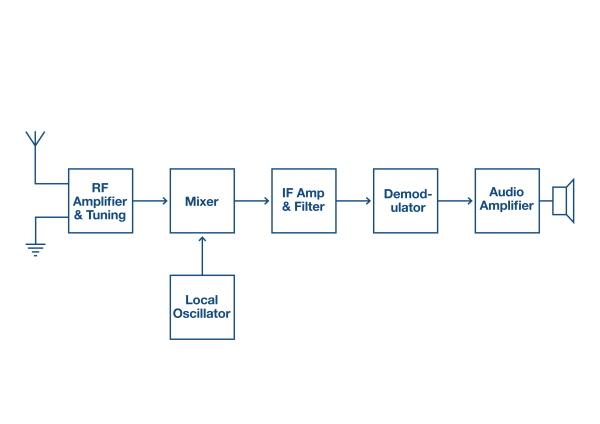
▲그림 1 : 단순한 AM 수퍼헤테로다인 무선 리시버의 주요 기능 블록(출처: Mouser)

그림 1은 전통적인 AM 수퍼헤테로다인 무선 리시버의 주요 기능 블록을 보여준다.
안테나로부터 수신된 약한 신호를 대역통과 필터로 전달해서 검출 신호의 대역폭을 필요로 하는 대역폭 이내로 제한하고, 증폭을 한 후에 믹서 회로로 전달한다.
믹서는 수신된 신호를 가변 주파수 오실레이터 출력과 결합해서 고정적 중간 주파수(IF)를 생성한다.
로컬 오실레이터(LO) 주파수를 조절해서 리시버 튜닝을 할 수 있다. IF 증폭기가 신호 레벨을 크게 끌어올리고, 필터는 믹서 기능에 따른 원치 않는 불요 성분들을 제거한다. 그 다음에는 복조와 오디오 신호 증폭이 이루어진다.
그림 2에서는 SDR 리시버가 어떻게 다른지 알 수 있다.
.jpg)
▲그림 2 : SDR 리시버의 기본적인 아키텍처(출처: Mouser)
SDR 리시버의 아날로그 부분은 RF 프론트 엔드로 한정된다.
필터링이 이루어진 신호를 아날로그-디지털 컨버터(ADC)로 전달해서 디지털 도메인으로 후속적인 처리를 한다.
SDR 리시버의 정확한 아키텍처는 디자인마다 다를 수 있다.
SDR 디자인을 갈수록 더 많이 도입함으로써 중간 주파수가 필요하지 않게 되었다.
Zero-IF(ZIF) 접근법은 직접 변환(direct conversion)이라고도 하는 것으로서, RF 프론트 엔드로부터 출력을 곧바로 기저대 디지털 프로세싱 기능으로 가져와서 소프트웨어로 처리한다.
여기에는 복조와 필터링 기능을 포함한다.
이 글에서는 SDR의 개념과 기존 RF 기법과의 차이점에 대해서 간략히 설명하고 있다.
SDR에 대해서 좀더 자세히 알고자 하는 독자들을 위해서는 Analog Devices의 웹사이트에서 다운로드 가능하도록 제공되는 훌륭한 자원으로서 ‘Software-Defined Radio for Engineers(엔지니어들을 위한 소프트웨어 정의 무선)’을 추천한다.
여기서는 리시버 아키텍처에 대해서만 살펴보았는데, 트랜스미터에 대해서도 마찬가지로 설명할 수 있다.
■ SDR을 사용한 설계
유연성이 특징인 SDR 플랫폼은 다양한 형태와 규모로 제공된다.
단순한 USB 전원 동글은 25달러에서부터 포괄적인 기능의 SDR 트랜시버는 6천달러까지 이를 수 있다.
100달러부터 200달러 사이의 가격대로 다양한 SDR 평가 키트 및 개발 모듈이 제공되고 있다.
인기를 끌고 있는 많은 SDR 플랫폼이 상업적으로 출시된 RF 트랜시버 IC에 FPGA를 결합해서 사용한다.
SDR 하드웨어 플랫폼을 선택하는 것과 더불어 프로그램을 어떻게 할지도 결정해야 한다.
GNU Radio는 전적으로 SDR 애플리케이션 설계를 위한 무료 오픈 소스 DSP 프로그래밍 툴체인이다.
애초에는 순수하게 교육용으로 개발된 것인데 이제는 무선 연구개발, 아마추어 무선, 무선 천문 연구에 널리 사용되고 있다.
GNU는 필터, 그래픽 디스플레이, 복조기, 신호 생성기, 수학 연산자, 채널 모델, 푸리에 분석 기능을 비롯한 일련의 기능 블록들을 제공한다. 작업공간으로 개별 기능들을 가져오고 시각적 플로우그래프 스타일의 프로그래밍을 사용해서 연결할 수 있다(그림 3).
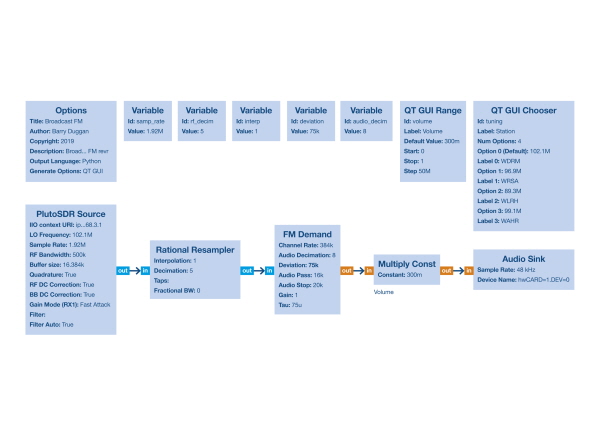
▲그림 3 : 간단한 FM 리시버의 GNUradio 플로우그래프(출처: GNUradio)
SDR 엔지니어들에게 인기 있는 또 다른 툴체인은 Matlab 및 Simulink와 이들의 DSP 및 SDR 확장 기능을 사용하는 것이다.
또한 다른 SDR 개발 에코시스템으로서 Pothosware는 GNUradio를 기반으로 하면서 SoapySDR 프레임워크를 포함시킨 것이다.
SDR Console 같은 무료 오픈 소스 SDR 애플리케이션을 활용하면 처음부터 개발을 할 필요가 없으므로 개발 시간을 단축할 수 있다.
Lime Microsystems는 FPGA 기반의 FPRF(field programmable radio frequency) 트랜시버 업체로서, 자사의 LMS7002 시리즈 트랜시버 IC를 기반으로 다수의 SDR 플랫폼을 제공한다. LMS7002는 듀얼 트랜시버를 통합한 고집적 IC로서, 100kHz부터 3.8GHz까지 전이중(full-duplex) 동작이 가능하다.
이 IC는 SDR 프로토타입 개발, 스몰 셀 기지국, 위성 통신 네트워크, 구성가능 무선 IoT 네트워크 같은 다양한 애플리케이션에 사용하기에 적합하다. 그림 4는 LMS7002의 아키텍처와 주요 기능들을 보여준다.
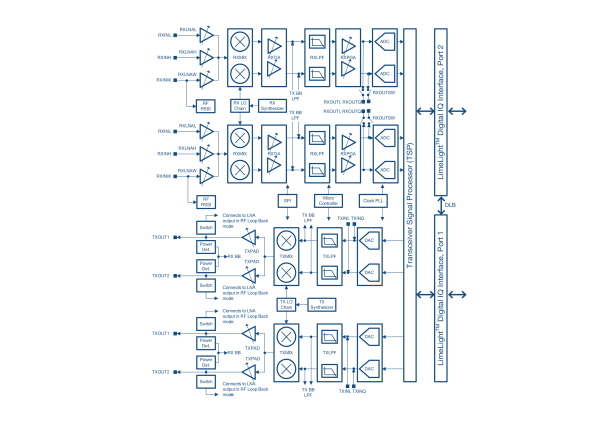
▲그림 4 : Lime Microsystems의 LMS7002 듀얼 RF 트랜시버 IC의 기능 블록 아키텍처(출처: Lime Microsystems)
Lime Microsystems는 LMS7002 시리즈를 기반으로 한 SDR 플랫폼을 개발하기 위해서 획기적인 접근법을 취했다.
바로 Crowd Supply를 통해서 크라우드 펀딩을 하기로 결정한 것이다.
LimeSDR mini 보드는 LMS7002와 Intel Altera MAX10 FPGA를 채택해서 USB 전원 동글 스타일의 PCB로 포괄적인 SDR 솔루션을 제공한다(그림 5).
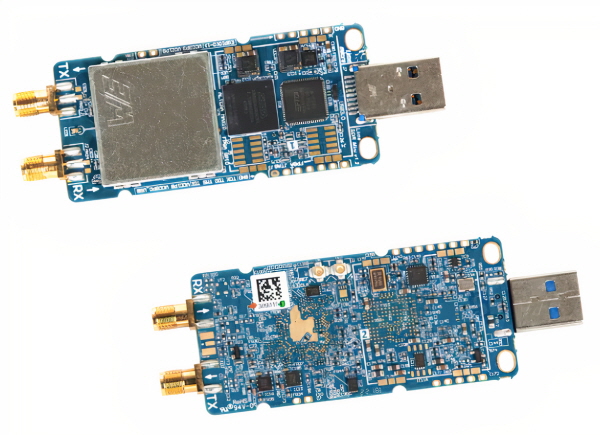
▲그림 5 : Lime Microsystems의 LimeSDR mini 보드(출처: Lime Microsystems)
MyriadRF는 오픈 소스 하드웨어 및 소프트웨어 SDR 프로젝트로 LMS7002 시리즈를 채택하는 것을 돕기 위한 온라인 커뮤니티로서, 개발 툴, 자원, 프로젝트 예제를 비롯한 일체의 에코시스템을 제공한다.
Grove Studio 플랫폼과 라즈베리 파이에 익숙한 개발자들을 위해서는 CS-LIME-10 Grove 스타터 키트로 LimeSDR mini 보드를 포함하고 있다.
Analog Devices의 ADALM PLUTO는 Analog Devices의 AD9363 RF 트랜시버 IC와 Xilinx의 Zynq 7000 FPGA를 결합한 자급식 RF 학습 모듈이다.
호스트 컴퓨터로 USB 연결을 통해서 전원을 공급받고, 반이중 및 전이중 모드로 325MHz∼3,800MHz로 동작한다.
PlutoSDR 용으로 SDR 개발 지원으로서 GNUradio, MatLab/Simulink, Pothosware를 포함한다.
■ 향후 전망
이 글에서는 SDR(소프트웨어 정의 무선)에 대해서 기초적인 것들을 소개했다. SDR은 임베디드 개발자, 아날로그 디자이너, RF 엔지니어들에게 유용한 새로운 기술로서, 새로운 방식으로 무선 시스템을 설계할 수 있도록 한다.
SDR의 흥미로운 점은 즉석에서 재구성이 가능하다는 것이다. 그러므로 RF 설계 시의 유연성과 민첩성을 높일 수 있다. 가령 서브 GHz LPWAN LoRa 같은 단일의 RF 데이터 통신 기법으로만 한정되는 것이 아니라, LoRa, 셀룰러, 와이파이 모두로 동작하는 유연한 트랜시버를 설계할 수 있다.
그럼으로써 디자인의 기능성을 높이고, BOM(bill of materials) 비용을 낮추고, 그에 수반되는 부품 조달을 간소화할 수 있다.
홈오토메이션 라우터를 새로운 무선 프로토콜이 등장하는 것에 따라서 적응이 가능하도록 설계할 수 있다고 상상해 보라.
예를 들어서 5G에서 6G로 넘어감에 따라서 OTA(over-the-air) 업그레이드를 통해서 SDR 기반 라우터를 새로운 셀룰러 인프라를 최대한 활용하도록 재구성할 수 있다.
다만 미래의 활용 사례들을 위해서는 이 라우터의 안테나와 아날로그 프론트 엔드를 변경하는 것이 필요할 수 있다.
그러므로 처음에 설계를 할 때 향후의 동작 주파수와 필터링 요구 같은 것들을 고려해서 프론트 엔드 디자인을 설계해야 할 것이다.
이와 같은 수준의 유연성으로 무선 통신을 설계하는 것은 SDR을 사용해서만 가능하다.
SDR을 활용해서 미래의 변화에 대비할 수 있으므로 고객들이 장기적으로 투자를 보호할 수 있다.
※ 기고자
마크 패트릭(Mark Patrick) 마우저 일렉트로닉스(Mouser Electronics)

Comments
Related news

[Tech Contribution] Mark Patrick Mouser – Accelerating IoT Adoption with Energy Harvesting
Mark Patrick of Mouser Electronics explains the adoption of IoT through energy harvesting.
2022.03.30by 명세환 기자

[Technical Contribution] Mark Patrick Mouser - Connecting Remote IoT Devices to the Internet Using LPWAN
Mark Patrick from Mouser Electronics discusses LPWAN, which is gaining attention in long-range, low-power wireless networking.
2022.08.18by 명세환 기자
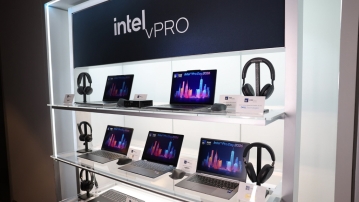
Intel Unveils Next-Generation 'Core Ultra Series 3' and vPro Platform for Enterprise PCs
Intel has officially unveiled the "Intel Core Ultra Series 3" for next-generation enterprise PCs and the latest vPro platform, addressing a wide range of demands from enterprise notebooks to high-performance workstations.
2026.03.26by 배종인 기자
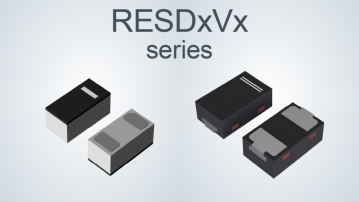
ROHM Launches ESD Protection Diode Compatible with High-Speed Interfaces of 10Gbps or Higher
Semiconductor specialist ROHM has developed the 'RESDxVx series' of ESD (electrostatic discharge) protection diodes capable of responding to next-generation high-speed data communication environments exceeding 10Gbps, simultaneously enhancing both signal quality maintenance required in high-speed interfaces and IC protection performance.
2026.03.26by 배종인 기자
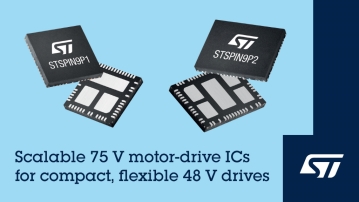
ST Launches 75V Drive IC Targeting 48V Industrial Motor Driving
ST Microelectronics has unveiled the 'STSPIN9P' series of 75V motor drive ICs tailored for 48V-class industrial drive system design. The new product family is characterized by half-bridge and full-bridge configurations that enable design scalability according to motor type and output conditions. Power supply circuits, protection functions, and current sensing circuits are integrated on-chip to simplify system configuration, and the devices are designed to support applications up to 500W maximum. The company plans to provide reference designs and demo boards to support development and evaluation in industrial automation, robotics, pumps, fans, lighting, and textile machinery.
2026.03.26by 배종인 기자











