



The economy will fall into a rabbit hole in 2023… "Battery and mobility development is essential."
 Published2023.01.12 12:06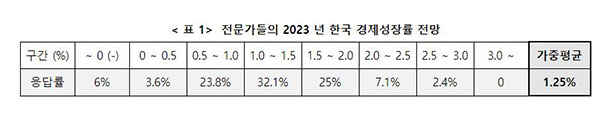
대한상의 85명 전문가, 韓 경제 성장률 1.25%
미래전략산업 중점 둔 ‘미래 먹거리 산업’ 제시
고금리·고물가 등 국내외 위기 상황으로 전 세계적인 경제 둔화가 지속되는 가운데, 2023년 우리나라 경제가 ‘토끼굴에 빠진 것처럼’ 어둡고 혼란스러울 것이라는 전문가의 우려가 제기됐다.
대한상공회의소가 85명의 경제·경영 전문가 대상 실시한 ‘2023년 경제키워드 및 기업환경전망’ 조사에서, 올해 국내 경제성장률이 1.25%으로 전망됐다고 12일 밝혔다.
전문가들은 장기 저성장을 국면한 우리나라의 시국을 표현하는 키워드로 ‘심연’, ‘풍전등화’ 등의 단어를 꼽았다. 루이스 캐럴의 소설 ‘이상한 나라의 앨리스’의 토끼굴에 빠진(Down the rabbit hole) 것과 같이 우리 경제가 어둡고 혼란스러운 상황에 빠져 기존의 방식과 전략이 통하지 않는 형국이라고 표현했다.
무역수지의 적자 반전, 가계 부채 누중으로 인해 국가 세력이 약해졌다는 우려와, 우리 사회 내부정치적 갈등을 비롯해 경제 빈부 갈등, 기업 관련 갈등 수준이 심각하다는 걱정도 제기됐다.
■ 글로벌 경제 성장률 전망 ‘싸늘’
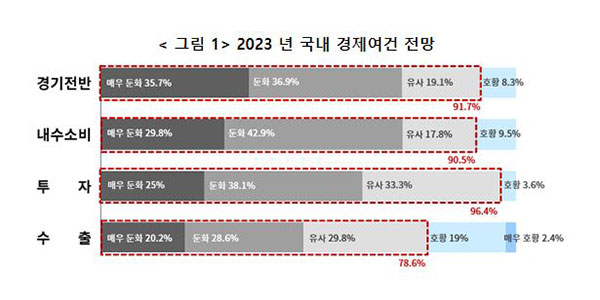
▲2023년 국내 경제여건 전망(자료=대한상공회의소)
실제로 올해가 ‘저성장이 고착화되는 원년이 될 것’이라는 의견에 대해 ‘동의한다’는 의견이 76.2%에 달했다. ‘소비 및 투자전망이 작년과 유사하거나 둔화될 것’이라는 응답은 각 90.5%, 96.4%에 달했다. 수출은 78.6%가 ‘작년과 유사하거나 둔화될 것’이라 예상했다.
또한 세계 경제성장률 전망도 2.22% 수준으로, OECD와 IMF 평균치를 하회했다. 주요 교육국들에 대해서도 부진해 미국 및 중국 경제 전망에 대해 ‘작년과 비슷하거나 악화될 것’ 응답의 비율이 각 71.4%, 75%로 나타났다.
전문가들은 2023년 우리 경제 위기 상황 원인으로 24.5%가 ‘고금리 상황’을, 20.3%가 ‘고물가·원자재가 지속’을 꼽았다. 뒤이어 수출 둔화·무역적자 장기화(16.8%), 내수경기 침체(15%), 미중 갈등 및 전쟁 등 지정학 위험(13.8%)을 꼽았다.
향후 금리정책을 결정할 때 고려해야 할 사항으로는 39.3%가 ‘美 금리수준’이라 응답했고, 경기상황, 부채상황, 국내 물가수준이 뒤를 이었다.
■ 배터리 등 미래전략산업 육성 시급
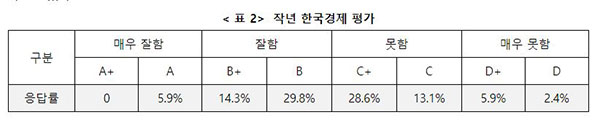
▲2022년 한국 경제 평가(자료=대한상공회의소)
그럼에도 전문가들은 작년 한국경제 성적을 ‘B’로 평가하며, 대내외 여건에 비해 우리 경제가 '선방했다'는 평가다.
조성훈 연세대 경제학부 교수는 “포스트 코로나로 접어들면서 소비가 크게 꺾이지 않았고, 반도체·자동차·석유화학 등 여러 산업기반을 골고루 갖추고 있었다”고 말하며 긍정적인 평가를 내놨다.
특히 우리나라를 이끌 미래 먹거리 산업으로 ‘배터리(21.2%)’, ‘바이오(18.8%)’, ‘모빌리티(16.5%)’, ‘인공지능(10.6%)’ 등이 제시됐다. 차세대 반도체(5.9%), 로봇(3.5%)도 뒤를 이었다. 정부가 올해 중점을 두어야 할 경제정책 분야로는 ‘미래전략산업 육성’(25%) 이 가장 많이 꼽혀 단기 과제로 자금 및 금융시장 안정화를 비롯해 미래전략산업 육성이 시급한 것으로 나타났다.
지난해 현대자동차, LG에너지솔루션을 포함한 우리나라 기업들은 인도네시아에 전기자동차 및 배터리셀 합작공장 건설로 공략에 나섰다. 또한 기계연은 폐배터리 재활용 관련 서적을 발간해 폐배터리 재활용 기술의 중요성을 피력하는 등 배터리 시장 선점에 나섰다.
국토부는 올해 R&D 예산이 6,419억원이며 자율주행·UAM 등 미래형 모빌리티에 2,878억원을 투입한다고 밝힌 바 있다. 또한 차세대 교통 수단이라는 도심항공교통(UAM) 2025년 상용화 실현을 위해 ‘UAM Team Korea(UTK)’를 열고, 한국형 도심항공교통(K-UAM) 실증사업(그랜드챌린지)을 본격 추진해오고 있다.
조 교수는 “주력산업의 경쟁력을 강화하는 동시에 바이오, 방산, 친환경에너지 등 더 다양한 산업을 촉진함으로써 국가경쟁력을 다변화할 필요가 있다”고 말했다 .
황경인 산업연구원 연구위원은 “최근 주요국이 IRA 등 자국 우선주의에 입각한 산업통상정책을 적극 펼치고 있는 상황에서 우리도 규제개선, 차세대 기술개발 지원, 인력양성 등 기초체력 강화를 위한 정책지원이 확대될 필요가 있다”고 말했다.
Comments
Related news
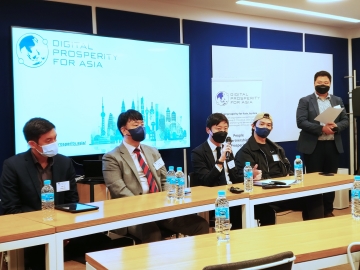
Korea's digital potential is worth $220 billion, and deregulation is essential.
"The digital economy market in Asia has significant potential. 70% remains untapped, with unrealized value reaching 2 trillion dollars," said Michael Koo, Secretary General of the Alliance for Asia's Digital Prosperity.
2022.10.11by 명세환 기자
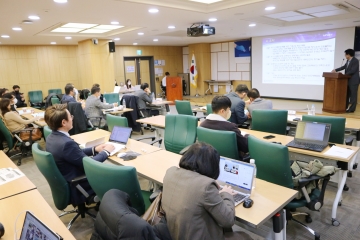
Semiconductors: A Korean-style Ecosystem Is Essential
The semiconductor industry has emerged as an essential foundation for advanced industries and a key pillar of national competitiveness and economic security. Against this backdrop, voices from the industry have been heard calling for the establishment of a Korean-style semiconductor ecosystem at a policy forum preparing for the future of the semiconductor industry.
2022.12.13by 명세환 기자
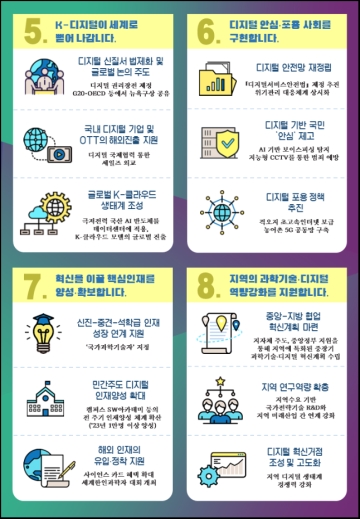
The government's digital platform initiative will be fully implemented in 2023.
The Ministry of Science and Technology announced its 2023 business plan on the 28th, with the goal of "realizing a global science and technology powerhouse and a digital model nation." The ministry stated that it will actively promote three major strategies and eight core tasks.
2022.12.28by 김예지 기자

[Planning] 2023 Telecommunications Market Outlook "5G, Still a Hot Potato"
In 2022, the telecommunications market was dominated by the issue of 5G frequency band allocation. With the government taking active steps to secure a leading position in 6G services, controversies surrounding 5G are expected to continue. Continuous calls are being made for additional frequency band allocation in the 3.7~3.72GHz range for the three telecom operators. Meanwhile, discussions between the Ministry of Science and ICT and telecom operators regarding 5G mid-tier pricing plans are expected to continue. The long-standing issue of "network usage fee surcharges" between domestic Internet Service Providers (ISPs) and Content Providers (CPs) is intensifying, drawing attention to the direction of related legislation.
2023.01.02by 김예지 기자
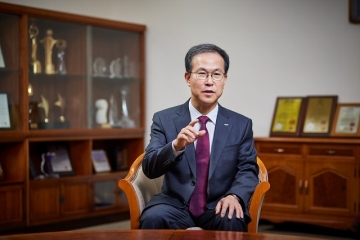
ETRI Announces New Year's Plan: "Securing Core Technologies and Accelerating ICT Convergence"
The Electronics and Telecommunications Research Institute (ETRI) has revealed its ambition to lead global digital innovation through the acquisition of core strategies and fundamental technologies in 2023. On the 2nd, ETRI announced its research and management plans for 2023. The main framework centers on securing strategic and fundamental technologies in the information and communications field, and pursuing technological leadership through the discovery of international standard technologies and expanded support for industrialization, thereby achieving technological innovation that serves as a driver of national growth.
2023.01.04by 김예지 기자











