



HashiCorp, “Zero Trust Security Essential for Secure Cloud Adoption”
 Published2023.04.12 13:57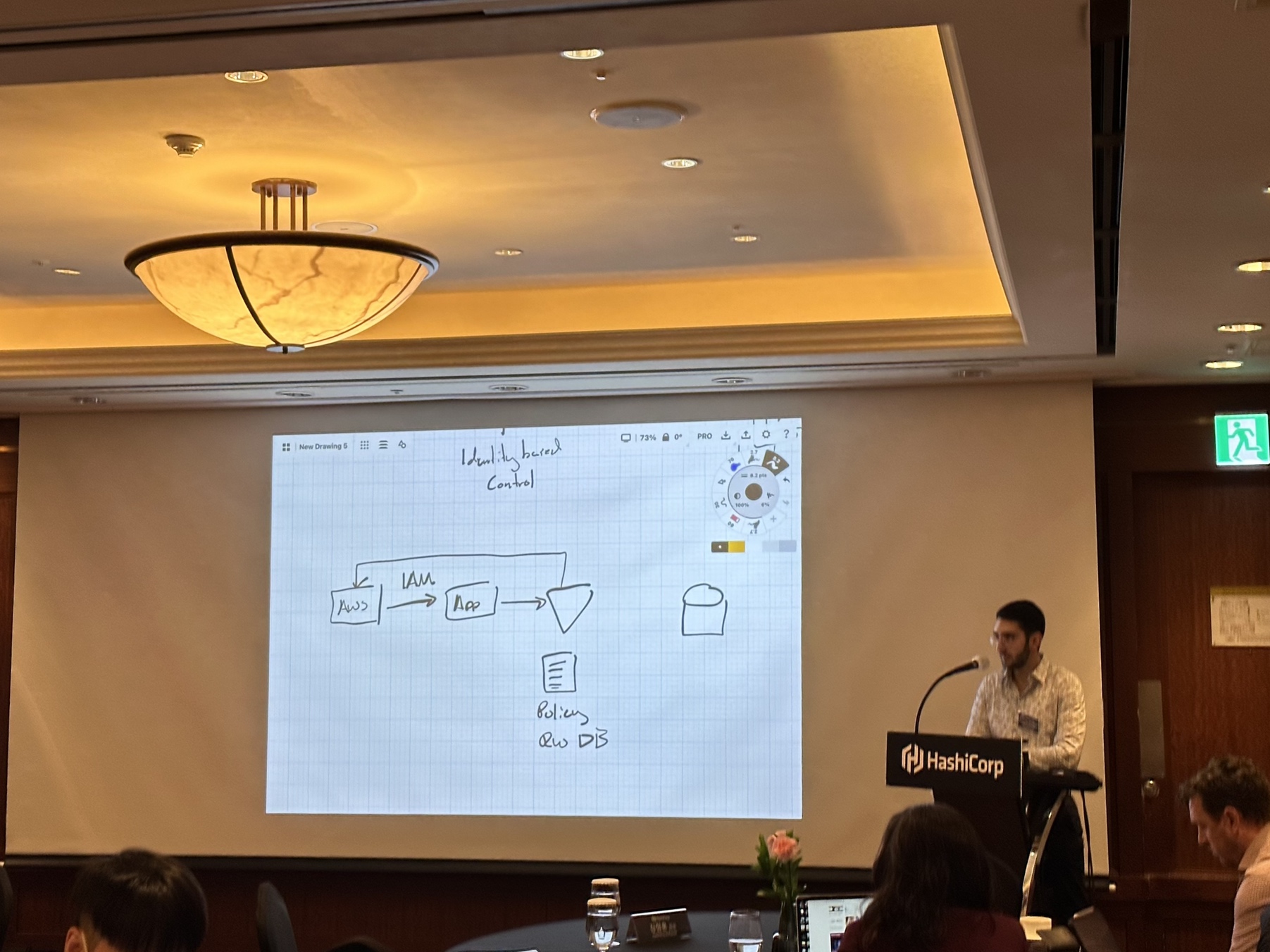
Transitioning approach and security models when adopting the cloud
'Vault', data access ID-based approach
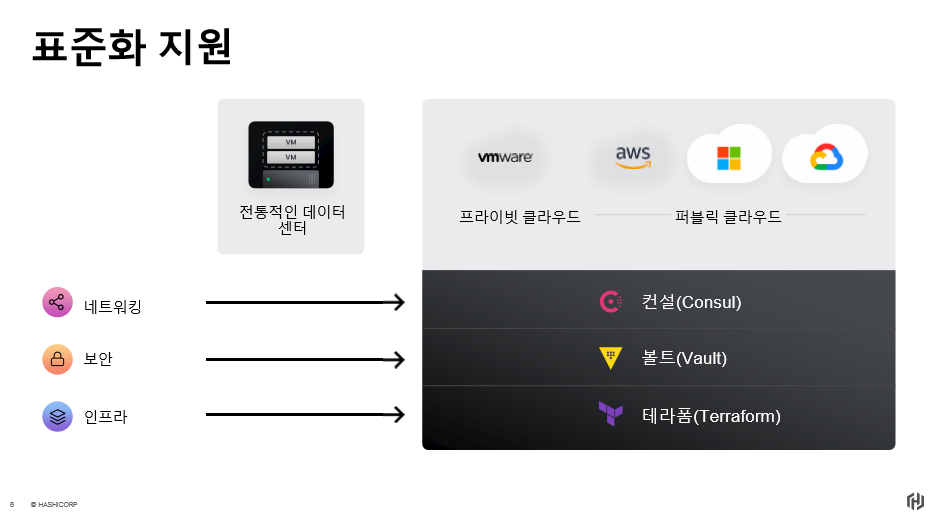
With the increasing adoption of multi-cloud in Korea accompanied by cost and security issues, HashiCorp provides solutions to resolve potential problems arising during cloud migration, including Zero Trust security.
Amon Dedga, co-founder and CTO of HashiCorp, emphasized zero trust as a key issue in cloud security strategy.
Comments
Related news
HashiCorp, “Building Infrastructure-as-Code (IaC) for Multi-Cloud Automation”
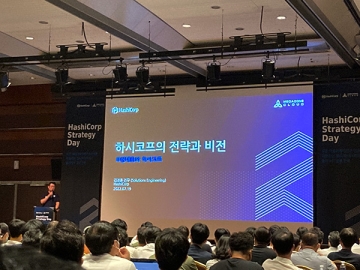
HashiCorp, a cloud infrastructure automation software company, held the 'Korea HashiCorp Strategy Day' with Megazone Cloud at COEX on the 17th and introduced a multi and hybrid cloud operation strategy supporting all applications and infrastructure. HashiCorp argued that an efficient workflow can be achieved through a cloud operation model based on Infrastructure as Code (IaC) approach, which enables automation of multi-cloud infrastructure.
2022.07.20by 김예지 기자
.jpg)
HashiCorp Automated SK Broadband Testbed Infrastructure
HashiCorp® has built an infrastructure automation solution with SK Broadband utilizing HashiCorp Terraform, Vault, Packer, and Nomad in collaboration with SK C&C.
2023.03.31by 김예지 기자
Korea Instrument, KOLAS Accredited Calibration Agency First to Simultaneously Acquire ISO/IEC 27,001·27,701
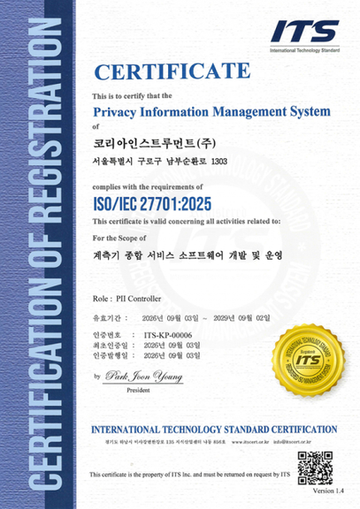
Korea Instrument has become the first among KOLAS accredited calibration agencies to simultaneously acquire ISO/IEC 27,001 and ISO/IEC 27,701 certifications. Through its proprietary platforms CWIZ Enterprise and CWIZ Partners, the company has embedded information security and personal data protection requirements across all business processes including customer information, equipment data, and calibration reports, with plans to continuously advance its management system through regular audits and security inspections.
2026.10.12by 배종인 기자
TeamViewer One, IT Incident Automation Workflow and Resolution Center Enhanced
TeamViewer has added IT incident automation capabilities and an advanced Resolution Center to its integrated digital workplace management platform 'TeamViewer ONE'. Recurrent service disruptions, configuration errors, and capacity shortages are automatically handled according to preset policies, and device status verification through script deployment can be managed in a unified interface, significantly reducing repetitive tasks for IT teams.
2026.10.12by 배종인 기자
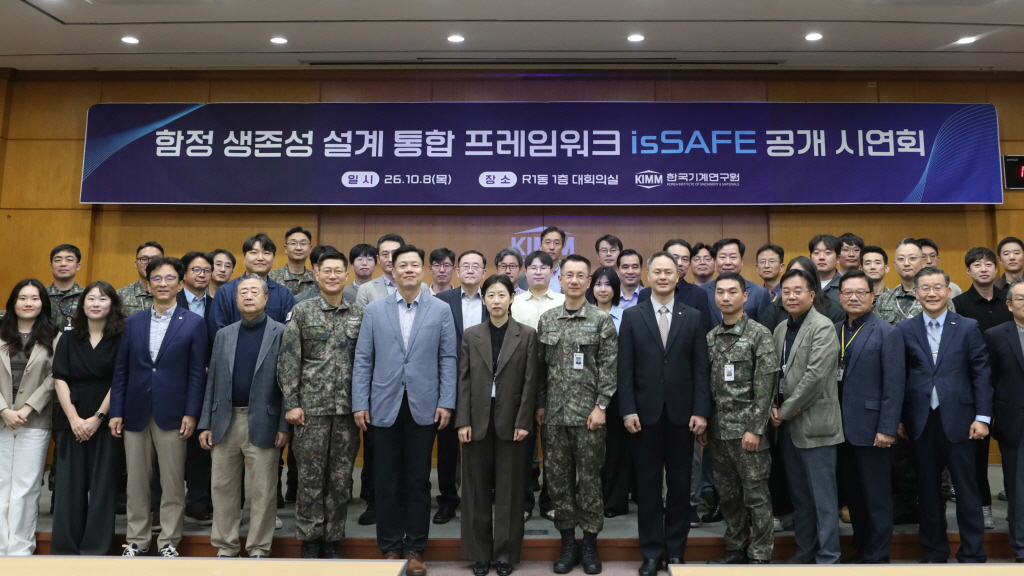
KAERI Develops Domestically-Produced SW 'isSAFE' for Integrated Warship Survivability Analysis
The Korea Institute of Machinery and Materials has developed domestically-produced software 'isSAFE' that comprehensively analyzes warship survivability. This design framework integrates the entire process—from warship modeling to hit scenario generation, vulnerability analysis, and results analysis—into a single platform, establishing an independent technology foundation in the defense technology sector that had previously relied on foreign software.
2026.10.08by 배종인 기자











