


Semiconductor Production Cuts: Samsung Electronics Stock Rises While Material Suppliers Face Hardship
 Published2023.04.20 09:08
Recent Facility Expansion Investments Cannot Even Be Recovered, Let Alone Operated
Against the backdrop of Samsung Electronics' shocking first quarter 2023 operating results, where operating profit fell below 1 trillion won due to weak IT demand, semiconductor material suppliers are also expected to see sharp revenue declines in the first quarter. Particularly, as Samsung Electronics officially announced production cuts, it is projected that the second quarter will become even more challenging.
According to recent reports from the semiconductor material industry, first quarter semiconductor material demand dropped sharply. While exact figures cannot be provided as first quarter earnings announcements have not yet concluded, most semiconductor material companies reported that material demand has decreased by approximately one-third or more compared to the previous year.
It is known that some companies are unable to operate factories in which they invested hundreds of billions of won in preparation for increased semiconductor material volumes, and most factories have experienced declining operating rates.
According to industry insiders, Samsung Electronics, which had stated there would be no intentional semiconductor production cuts, is suspected to have actually implemented production cuts in the first quarter. Industry sources note that when they experienced a drastic reduction in material usage under the pretext of equipment relocation or equipment inspection, they felt "ah, this is a production cut."
The worries of semiconductor material companies are just beginning.
Setting aside the decrease in material input volume, the real concern is that material price declines are now beginning in earnest.
Last year, semiconductor neon and other materials maintained high price levels due to surging international prices caused by wars and other factors, but recently as business conditions have stabilized and raw material supply has smoothed out, semiconductor material prices have also shown a downward trend.
Thus, with both volume decreasing and prices falling, it is projected that these companies will face a severe crisis this year.
In fact, as Samsung Electronics has announced full-scale production cuts starting from the second quarter, material input volume is expected to decrease even more sharply compared to the first quarter.
This downward trend in volume is expected to place considerable burden on the operations of semiconductor material suppliers.
It is true that increased material input volume due to recent semiconductor boom has resulted in substantial sales increases for semiconductor material companies, but this has been accompanied by considerable scale investments in increased material production capacity and localization of semiconductor materials.
Additionally, foreign semiconductor material companies have also expanded their domestic production facilities to address supply chain issues.
Despite such large-scale investments made over the past several years, due to sudden demand collapse, companies are unable to even operate their factories, let alone make deliveries.
Furthermore, as semiconductor miniaturization approaches technical limits, active research is being conducted at the material stage to overcome this, but new material development has become considerably difficult relative to R&D costs, and this inability to easily create new demand is further exacerbating the difficulties of semiconductor material companies.
Due to Samsung Electronics' production cuts, semiconductor investment experts forecast that the downward trend in semiconductor prices will stabilize, inventory situations will ease, and semiconductor market conditions will improve.
Additionally, Samsung Electronics' stock is also predicted to continue increasing in the future.
This represents a positive development in Korea's semiconductor business cycle.
On the other hand, semiconductor material companies must face the challenge of crossing a period of hardship amid two difficulties—decreased demand and falling prices this year—while bearing the investment costs from the past several years.

Comments
Related news
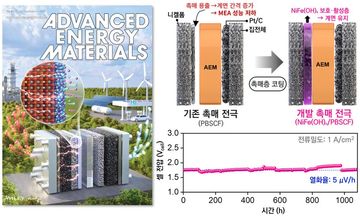
Materials Research Institute Develops Ultra-thin Coating Water Electrolysis Catalyst Technology
The Korea Institute of Materials Science has simultaneously resolved the performance and durability trade-off problem in water electrolysis catalysts by applying ultra-thin surface coating technology. Achieving 1.9 times higher performance compared to conventional catalysts while demonstrating 1,000-hour long-term stability, the institute has developed technology scalable to industrial water electrolysis systems through a simple process.
2026.10.07by 배종인 기자
Gigaphoton Develops Neon Gas Recycling System for ArF Excimer Lasers...Achieves 50% Recycling Rate
Gigaphoton announced that it has developed a gas recycling system for ArF excimer lasers and achieved a 50% neon gas recycling rate.
2026.10.02by 배종인 기자
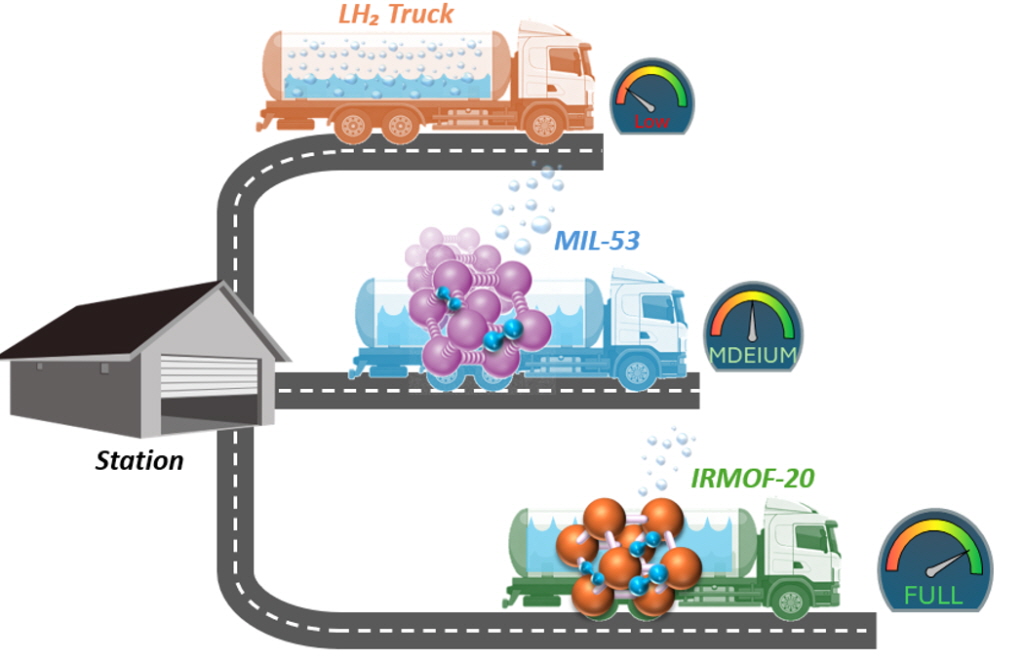
UNIST suppresses vaporization losses while maintaining 97% of liquefied hydrogen storage capacity
A research team led by Professor Oh Hyun-cheol from the Department of Chemistry at UNIST, in collaboration with Professor Moon Hoe-ri from Ewha Womans University and researchers from the Technical University of Munich in Germany, has verified technology that reduces boil-off loss occurring during liquefied hydrogen transportation and storage by utilizing metal-organic frameworks (MOF).
2026.09.30by 배종인 기자
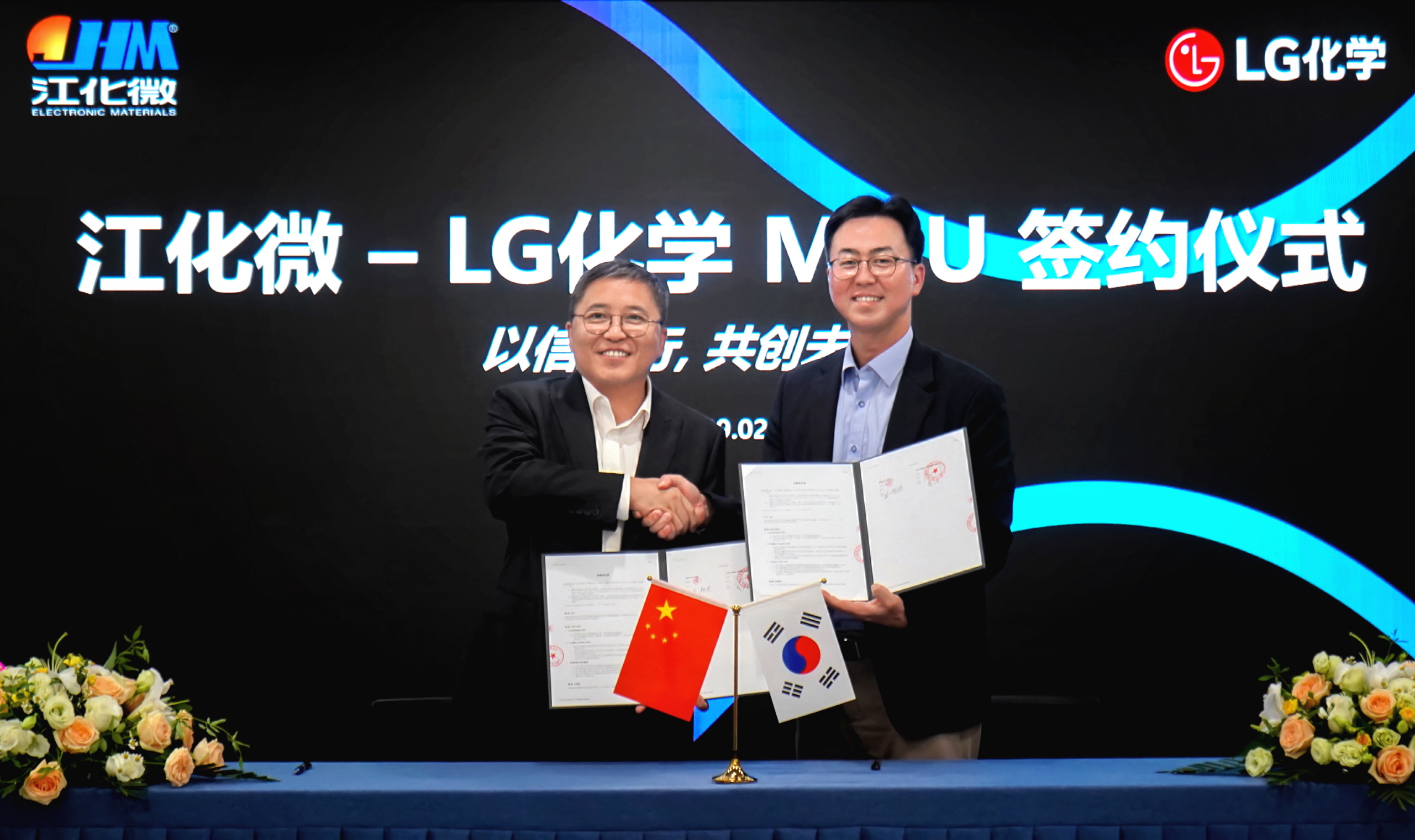
LG Chem Expands Semiconductor Cleaning Materials Business…Collaborates with China's Jianghua Wei on Ultra-high Purity IPA
LG Chem is moving to expand its ultra-high purity IPA (isopropyl alcohol) business, a core material for semiconductor processes. The company is building a local supply system in collaboration with a Chinese precision chemical company and strengthening its market strategy for AI semiconductors and advanced memory.
2026.09.14by 배종인 기자
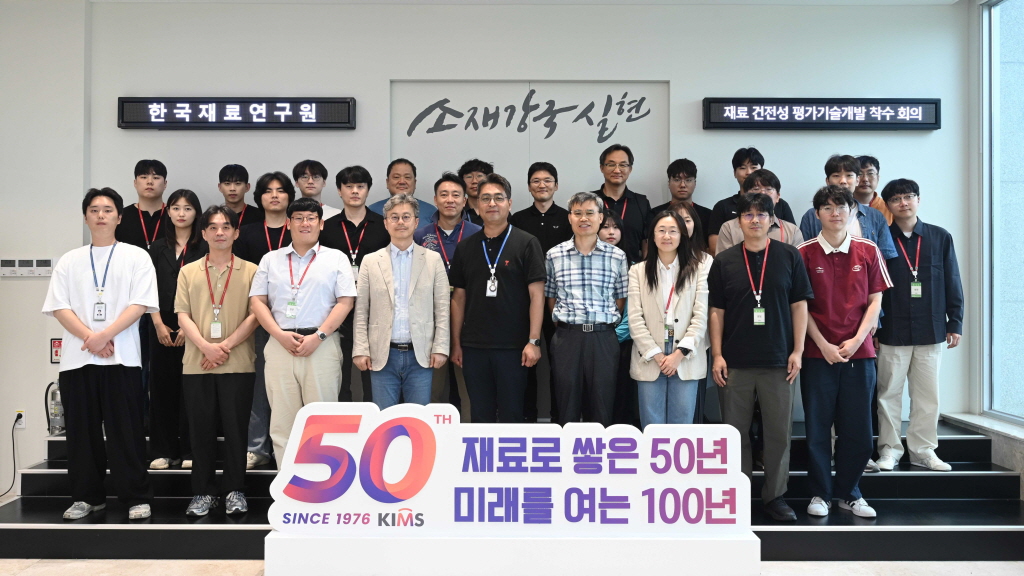
Korea Institute of Materials Science Begins Development of Anhydrous Ammonia SCC Integrated Evaluation Platform
The Korea Institute of Materials Science has begun developing an integrated evaluation platform for stress corrosion cracking (SCC) of high-strength steel for ammonia propulsion and transport vessels. By establishing a system to verify the safety of steel in anhydrous ammonia environments using domestic technology, the institute will strengthen the international competitiveness of the shipbuilding and steel industries and lay the foundation for reflecting domestic technology in regulatory and standard revisions by the International Maritime Organization (IMO) and other bodies.
2026.08.05by 배종인 기자











