



[2023 Hannover Messe Report] “Evolving Global P2X, Urgent Need to Create Korean Ecosystem”
 Published2023.04.26 10:55
獨 하노버 메세, 진화하는 디지털 산업 총망라
“안전한 DC산업 활성화, 융복합 제품 개발 必”
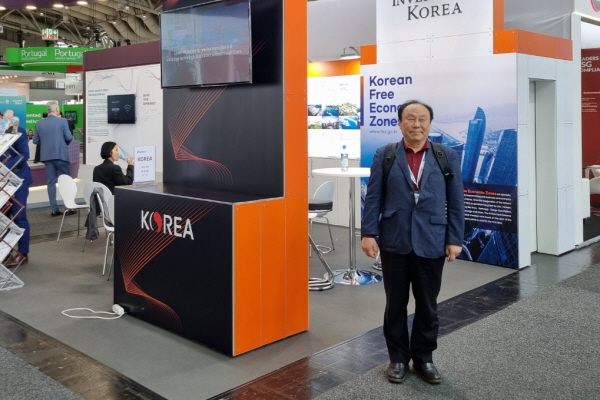
▲박희주 광주에코에너지산업클러스터 회장
올해는 60개국, 2,600여 업체, 8,000여 제품을 전시했는데 우리나라 참여기업은 모두 72개사다. 국내 관련 기업들의 중장기 마스터플랜과 초격차 기술을 발굴하고 글로벌 최고 기업들의 새로운 도전과 기회를 분석할 수 있는 좋은 기회로서 광주 에코에너지산업클러스터 회원들도 이번 전시회를 둘러봤다.
이번 전시회에는 지멘스, 오토데스크와 보쉬, 노키아, 마이크로소프트, 슈나이더일렉트릭 등의 글로벌 정보통신회사와 인공지능(AI)기술, 에너지 안보 시대에 적합한 에너지 신기술과 효율화, 수소의 생산과 소비에 관한 다양한 기업들이 참여했다.
2023 하노버 메세의 대주제는 ‘산업 대전환-차별화’인데 인공지능(AI)과 머신러닝, 탄소중립 및 생산, 에너지 관리, 수소 및 연료전지, 인다스트리 4.0, 연구기술, 글로벌 비즈니스 등의 각 주제와 산업 분야에 맞춘 참가기업들은 첨단 솔루션을 선보였다.
이곳에 출품한 독일이나 체코 폴란드 이탈리아 등의 EU국가들은 단일통화권과 기술표준으로 동아시아권 기업들과 경쟁에서 우위를 차지하고 있었다.
이에 대응해 동아시아 국가들이 East-Asia Agency for Technology Standards(약칭 : e-AATS)으로 뭉쳐 기술표준을 만들고 광역개념의 시장 확대를 추진할 필요가 있을 것으로 생각된다.
독일은 2023년부터 원전을 스톱했고 2035년부터는 디젤차량의 생산을 중단하겠다고 선언했는데 이제 한국도 전기차와 수소트럭, 수소선박, 수소트램 등의 상용화를 서두르고 안전한 DC산업을 활성화하며, 융복합 제품을 꾸준히 개발하여 세계시장에 도전해야 할 것으로 보인다.
■ 수소연료전지 전시관 연료전지 파워 트레인 포커스
하노버 메세의 전시관 13관에서는 ‘Hydrogen + Fuel Cell Europe’라는 주제로 유럽, 미국의 다양한 수전해, 연료전지 스택 및 시스템 업체들과 소재 중심의 유럽, 한국, 일본, 중국의 회사들이 전시를 주로 하고 있었다.
2050년 탄소중립을 이루기 위해 EU에서는 내연기관 신차 판매 금지를 2035년부터 진행할 것으로 예상되기 때문에 디젤 엔진을 사용하고 있는 상용차(버스, 트럭, 특장차)를 이산화탄소 배출이 없는 수소 연료전지 시스템으로 변경하기 위해 연료전지 시스템을 만들어 전시한 것이 눈에 띄었다.
대표적 업체로 Cummins, AVL, Cellcentric, Loop, Refire 등이 참가했다.
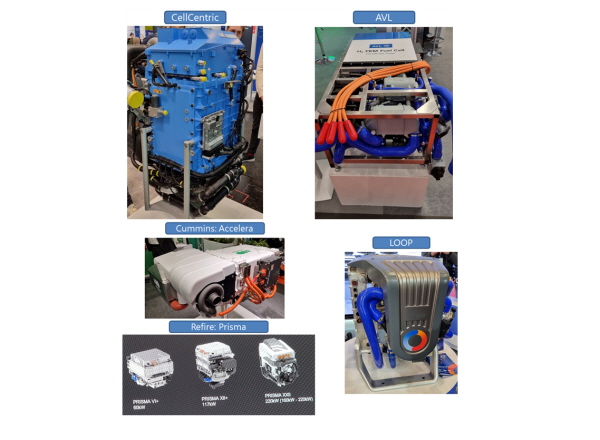
▲전시회에서 선보인 연료전지스택
따라서 지역의 특장차 업체들이 원한다면 이러한 Fuel Cell Engine을 구매해 친환경 차량을 생산 할 수 있을 것으로 판단된다.
우리나라의 현대모비스도 FC Engine에 들어가는 스택을 판매 할 것으로 보이기 때문에 연료전지 스택만 구매해서 Power train을 만드는 것도 가능할 것으로 보인다.
스택에 필요한 MEA(Membrane Electrode Assembly)를 판매하는 회사들은 전시가 없었다는 것도 주목할 만한 것이었지만 스택에 들어가는 금속분리판 업체들은 꽤 많이 전시됐고 제조기술 수준도 높다는 것을 알 수 있었다.
유럽 지역에서는 연료전지 소재부터 스택, 시스템 제조까지 Supply Chain이 확실하게 형성이 돼 있고 수전해로 수소를 생산해서 활용하겠다는 의지를 엿볼 수 있었다.
■ 獨 P2X 생태계 진화
독일에서 재생에너지는 전체 발전량에서 재생에너지가 차지하는 비율이 47%에 해당하는 제1의 에너지원으로 자리잡고 있다.
현재 국내에서는 재생에너지의 공급과잉으로 인한 출력제한이 화두이며 제주도에 국한됐던 것이 재생에너지 설비가 많이 설치된 전남도까지 확장되고 있다.
독일은 일찍이 공급과잉에 따른 문제를 경험하였고 이를 슬기롭게 해결하기 위해 P2G 형태의 기술개발 및 프로젝트를 선도적으로 추진했다.
이번 2023 하노버 메세에서는 재생에너지 기반의 P2G가 P2X 형태로 진화되어 수소 생산부터 소비 지역까지 연결되고 수소기반 운송(차량·철도·선박), 공장설비, 가정까지 전방위적으로 확대되는 밑그림을 그려가고 있다.
특히 대기업 중소기업에서 관련분야에 해당하는 제품 및 부품군을 전시해 P2X 생태계가 곧 손안에 펼쳐질듯 하다.
P2X 밑그림을 전시하는 배경을 보면 대부분 도시를 목적으로 그려지고 있다.
먼 곳의 해상풍력발전단지 등에서 수소를 생산하고 이렇게 생산된 수소를 활용하는 부분으로는 도시 내로 운반하고 활용하는데 가치를 두고 있다.
일반적으로 에너지를 활용하는 모든 장치산업에 수소로 대응하고자 하는 의지가 보인다.
국내에서도 전방위적인 수소산업이 성장할 수 있는 P2X 형태의 생태계 조성이 시급해 보이는데 국제공동연구를 통해 국내 환경에 적합한 시스템을 실증·연구하는 팀 구축이 필요하며 에너지신산업 활성화를 위한 에너지융복합기술 확보가 더 필요할 것으로 보인다.
.jpg)
▲P2G 형태의 기술개발 및 프로젝트
.jpg)
▲P2G 형태의 기술개발 및 프로젝트
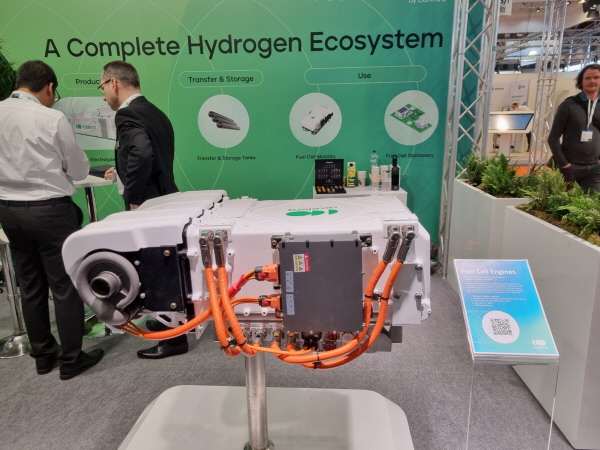
▲모빌리티용 수소연료전지
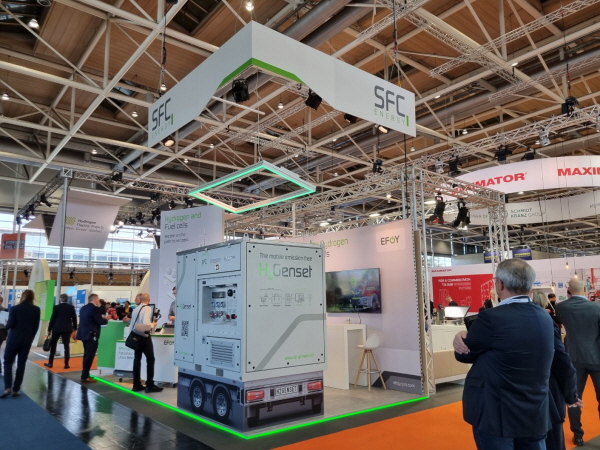
▲SFC 전시 부스
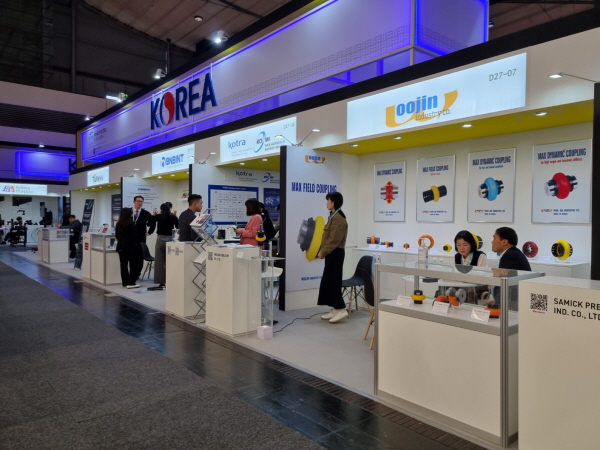
▲하노버 박람회 한국관 부스 전경
※ 저자
박희주 광주에코에너지산업클러스터 회장, 박찬호 광주과학기술원 교수, 고재하 호남대학교 교수 공동
Comments
Related news
Nvidia invests $5 billion in Intel
NVIDIA and Intel, leaders in global AI computing technology, are now forging ahead in providing cutting-edge solutions through NVLink-based architecture integration. NVIDIA and Intel have officially announced a strategic partnership and stated that they will jointly develop customized data center and personal computing products to accelerate diverse applications and workloads ranging from hyperscale to enterprise and consumer markets, thereby laying the foundation for the next generation computing era.
2025.09.22by 배종인 기자
.jpg)
Applied Materials Launches Environmental Protection Campaign to Mark World Cleanup Day
Applied Materials Korea (CEO Park Kwang-seon) is carrying out environmental cleanup activities with employees and their families around the Dongtan Sinricheon area on the occasion of World Cleanup Day, evolving into a company that engages with the local community beyond technological innovation.
2025.09.22by 명세환 기자
.jpg)
The combination of electrical and electronic technologies like AI, semiconductors, and electric vehicles with renewable energy will determine industrial competitiveness.
Professor Lim Chun-taek from Gwangju Institute of Science and Technology (GIST) stated in his keynote speech at the '2025 e4ds Tech Day' on the 9th, "Global energy investment is already shifting from fossil fuels to renewable energy, and the trend of electrification combined with electrical and electronic technologies is changing the industrial landscape."
2025.09.12by 배종인 기자
.jpg)
"Data Center Power Demand Surges: Distributed Energy is the Solution"
The power demand of data centers is surging rapidly alongside the accelerating growth of artificial intelligence (AI), cloud, and electric vehicle industries. In particular, the global power supply and demand structure centered on the United States is undertaking a massive infrastructure reorganization to adapt to this change, and Korea is no exception in this trend. As an alternative to overcome the limitations of the existing centralized power system, distributed energy systems and smart grid technologies are gaining attention.
2025.09.02by 배종인 기자
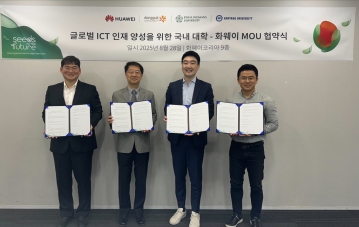
Huawei Begins Full-Scale Training of Young Korean Global ICT Leaders
Global ICT company Huawei Korea has signed a Memorandum of Understanding (MOU) with Dongguk University, Ewha Womans University, and Hanyang University, and will jointly implement a global education program to nurture next-generation ICT leaders.
2025.08.29by 배종인 기자











