


[Technical Contribution] IAR-Asset Protection: Protecting Intellectual Property Rights
 Published2023.07.24 10:03
IAR Embedded Trust 첨단 암호화 기술 바탕 IP Protection 제공
개발 과정 단순화, 개발자 전문성 없어도 IP Protection 적용 가능
임베디드 업계에서 보안은 가장 중요한 문제로 대두되고 있다. 여기에는 그럴 만한 충분한 이유가 있다.
제품의 성공을 바라는 마음이야 당연하지만, 인기가 올라갈수록 나쁜 사람들이 제품에 관심을 가질 가능성도 높아진다.
그 어떤 약점이라도 여러분의 IP를 훔치는 통로가 될 수 있으며, 제품을 리엔지니어링 하는 수단이 될 수 있다.
또한 이러한 소지가 있는 부분이 있다면, 반드시 실제로 피해로 이어지게 된다.
이런 피해는 제조 시설, 사용자의 사업장 등 장소를 가리지 않고 발생한다.
뿐만 아니라 외부 하청 제조사의 경우 의뢰가 이루어지지 않았는데도 불구하고 제품을 생산하여 회사가 가져가야 하는 이익을 훔쳐 갈 수도 있으며, 잠재적으로 브랜드 및 고객 관리에 악영향을 미칠 수도 있다.
이것은 당연히 매우 불공정한 일이지만, 시스템 공격 피해가 발생하고 있는 것이 현실이며, 아무리 작은 실책이라고 하더라도 중대한 결과로 이어질 수가 있다.
■ 사물 인터넷 위조 부품 시장·평판 심각한 영향
소비자 브랜드는 짝퉁과 불법 복제로 오래 전부터 몸살을 앓아 왔다. 그렇지만 커넥티드 디바이스의 세계에서 짝퉁 부품은 잠재적으로 시장과 브랜드 평판, 그리고 안전에 있어 훨씬 더 심각한 피해를 입힐 수가 있다.
사물 인터넷은 산업 내 전 수직 단계에 걸쳐 비즈니스 프로세스의 개선, 효율화, 장애 발생 기간의 단축 등에 있어 분명 여러 가지 이점을 지니고 있다.
반면에 기기가 인터넷을 통해 연결된다는 것은 네트워크 내에서 피해를 입을 수 있는 지점이 그만큼 증가한다는 것을 의미한다.
특히 제조사 공급 사슬 내에 속하는 기기 및 제품의 진위 여부를 기업이 확실히 파악하지 못하는 경우 상당한 문제가 발생할 수가 있다.
■ 위조 부품 안전 위협
뿐만 아니라, 위조 부품은 안전을 위협한다. 최종 소프트웨어 IP에 누군가 손을 댄 적은 없는 지, 그리고 하드웨어가 OEM에서 명시하고 있는 수준의 견고함과 신뢰성을 지니고 있는지를 장담할 수가 없게 된다.
훔친 IP는 기만적인 방식을 통하여 수정이 될 수가 있으며, 백도어, 사이드 채널 등을 포함할 수가 있다.
무결성이 무너진다는 것은 수정된 소프트웨어 IP가 잠재적으로 안전에 치명적인 커넥티드 시스템(예: 최신 자동차)내로 침투할 수가 있다는 것을 의미한다.
정품의 사양에 미치지 못하는 짝퉁 부품을 사용하는 경우, 해당 부품을 통해 모니터링 하는 기기가 필요한 운영상의 요구 조건을 충족하지 못하는 사태가 발생할 수가 있다.
특히 이는 새로 갈아 끼운 위조 부품이 원래의 기기에 비해 사양이나 품질이 떨어지는 경우 더욱 위험하다.
이러한 부품을 사용하는 시스템이나 어플리케이션의 종류에 따라서 그 양상은 매우 다양하게 나타날 수가 있으며, 예기치 못한, 심각한 결과로 이어질 수가 있다.
자동차를 예로 들어 보면, 자율 주행의 일부를 구성하여 안전성 핵심적인 기능이 장애를 일으킬 수도 있다.
이와 같은 실패는 사고를 방지하기 위한 환경 속성에 대한 모니터링이 부정확하거나, 오차에 대한 판정이 틀린 경우 발생할 수가 있다.
그 외, 의료 분야도 문제가 될 수가 있다. 소프트웨어 IP가 무단으로 변경되어 부정확한 결과를 내 놓게 될 시, 예를 들면 정확한 체온 측정치에 의존하는 기기가 문제를 일으킬 수가 있다.
이로 인해 약물이 정확한 투여량에 따라 투여되지 않을 수가 있으며, 결과적으로 환자에 큰 피해가 발생하거나 심지어 사망할 수도 있다.
일반적으로 분산 공급 사슬은 소프트웨어 IP를 해커가 중간에 가로채어 백도어나 악성 코드를 주입할 위험을 안고 있다.
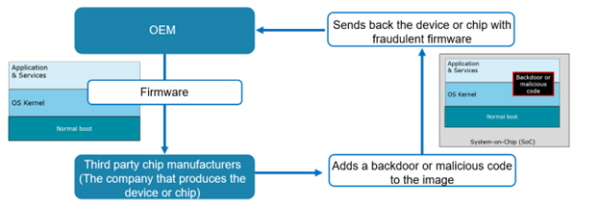
▲그림 1 : 무결성 보호가 이루어지지 않은 소프트웨어 IP는 해커에 의해 변경될 수가 있다.
■ 기능적 안전 및 IP Protection
IAR의 Embedded Trust에서는 첨단 암호화 기술을 바탕으로 IP Protection을 제공하고 있다.
디지털 서명을 통하여 IAR이 제공하는 Secure Boot Manager(SBM)에 바인딩을 하는 방식을 통해 펌웨어의 무결성과 진위성이 확인된다.
이러한 SBM은 그 자체는 칩 하드웨어, 그리고 퍼블릭 키를 통한 개인화를 통해 무단 변조로부터 보호된다. 퍼블릭 키는 무결성 점검이 가능하도록 해 주며, 안전에 중요한 펌웨어의 진위성을 검증할 수가 있다.
또한 안전 핵심 펌웨어의 보호를 위해 암호화를 기반으로 하는 기밀 정보 보호 메커니즘을 추가할 수가 있다.
이는 리버스 엔지니어링을 방지해 주며, 소프트웨어 IP가 도난당하지 않도록 해 준다.
왜냐하면 개발 환경(IAR Embedded Workbench with Embedded Trust)에서 소프트웨어가 SoC(System on Chip) 상에서 부팅 및 실행되는 시점까지 암호화로 보호하기 때문이다.
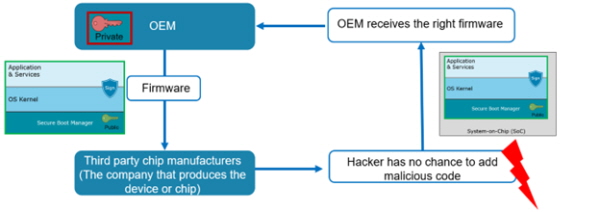
▲그림 2 : 사기적인 수정 행위를 효율적으로 방지하기 위해 소프트웨어 IP를 디지털 서명으로 봉인
■ Embedded Trust와 함께하는 IP Protection
Embedded Trust의 핵심 설계 요구 사항은 개발 과정을 단순화 하는 것이다.
어플리케이션에 IP Protection를 적용하는 데에 있어 암호화의 전문적인 지식이나, 암호화 키 관리에 대한 지식을 개발 엔지니어가 갖추어야 할 필요성은 없다.
IAR의 IP Protection 제품은 간단한 몇 가지 절차를 거쳐 설정이 가능하다.
IP Protection에서 제공하고 있는 기능 중의 하나인 ‘기본 서명 확인(Basic signature checking)’을 통해서 소프트웨어 IP를 무단 변경으로부터 보호할 수가 있으며, 오직 인증된 펌웨어 만이 부팅되도록 하는 것이 가능하다.
이러한 기능을 좀 더 발전시켜 ‘완전 암호화(Full encryption)’를 펌웨어에 적용하도록 할 수가 있다. 이 경우 리버스 엔지니어링이나 IP 침해 행위에 대한 추가적인 보호를 제공한다.
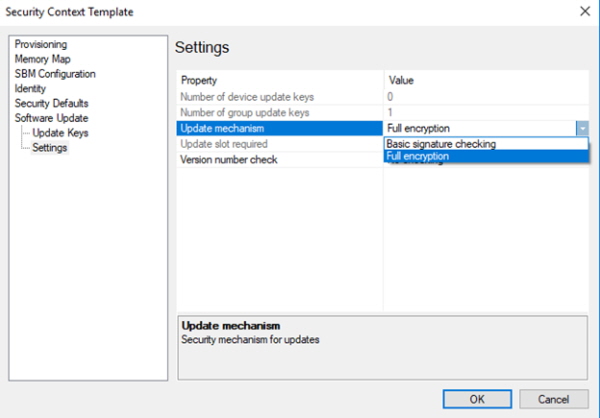
▲그림 3 : IP Protection 기능 설정 마법사. 진위성, 무결성(Basic signature checking) 또는 기밀성 보호(Full encryption).
추가 보호 기능으로, 펌웨어를 이전 버전으로 롤백 시키는 것을 방지하는 안티 롤백 기능도 갖추고 있다.
‘Version number check’(버전 번호 확인) 기능에서는 펌웨어의 업데이트 과정에서 보안상 취약성을 지니고 있는 이전 버전을 사용하지 못하도록 한다. 이 기능은 과거 버전에 존재하는 보안상의 허점을 사용하지 못하도록 하는 기능을 지니고 있다.
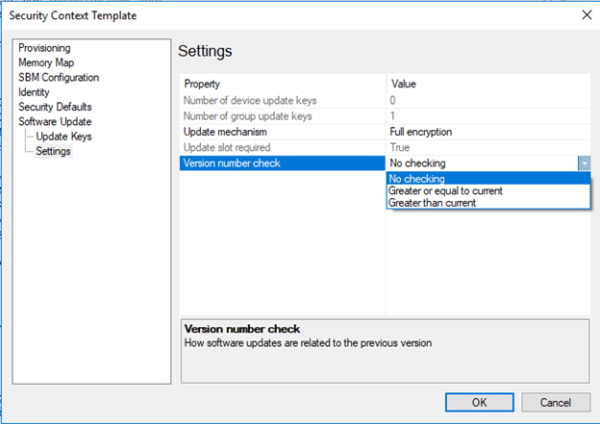
▲그림 4 : 버전 번호 확인 기능 설정 마법사를 통해 과거 버전의 펌웨어를 통한 공격을 차단한다.
지적 재산을 어떻게 보호할 것인가 하는 문제는 여러 기업에 있어 점점 더 골치 아픈 문제가 되고 있다.
이러한 지적 재산이 기업의 핵심 자산으로 자리 잡아 가고 있기 때문이다.
임베디드 어플리케이션 작업 및 개발은 매우 중요한 투자로 취급되는 경우가 많으며, 인력 투입 기준으로 수년에 상당하는 자원과 노력을 들여야 제대로 된 제품을 출시 할 수가 있다.
기업이 Embedded Trust를 사용해 서명 및 코드 베이스의 암호화, 안티 롤백 정책 등을 통해 펌웨어의 다운그레이드를 방지하는 기법으로 근본적인 보안 조치를 적용할 수 있게 됨으로써 기업의 투자 자산 보호를 손쉽게 강화할 수가 있다.
강력한 보안 기능을 통해, 개발 단계에서 전개에 이르기까지 완전한 IP 보호를 실현하는 것뿐만 아니라 사용자는 좀 더 개선된 기기 아이덴티티 관리가 가능해 질 것이며 신뢰성을 확보할 수 있을 것이다.
※ 글
IAR 시스템즈

Comments
Related news
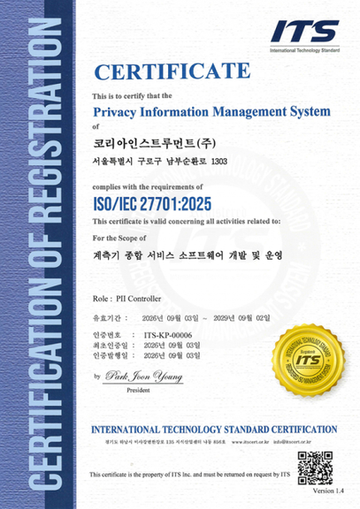
Korea Instrument, KOLAS Accredited Calibration Agency First to Simultaneously Acquire ISO/IEC 27,001·27,701
Korea Instrument has become the first among KOLAS accredited calibration agencies to simultaneously acquire ISO/IEC 27,001 and ISO/IEC 27,701 certifications. Through its proprietary platforms CWIZ Enterprise and CWIZ Partners, the company has embedded information security and personal data protection requirements across all business processes including customer information, equipment data, and calibration reports, with plans to continuously advance its management system through regular audits and security inspections.
2026.10.12by 배종인 기자
TeamViewer One, IT Incident Automation Workflow and Resolution Center Enhanced
TeamViewer has added IT incident automation capabilities and an advanced Resolution Center to its integrated digital workplace management platform 'TeamViewer ONE'. Recurrent service disruptions, configuration errors, and capacity shortages are automatically handled according to preset policies, and device status verification through script deployment can be managed in a unified interface, significantly reducing repetitive tasks for IT teams.
2026.10.12by 배종인 기자
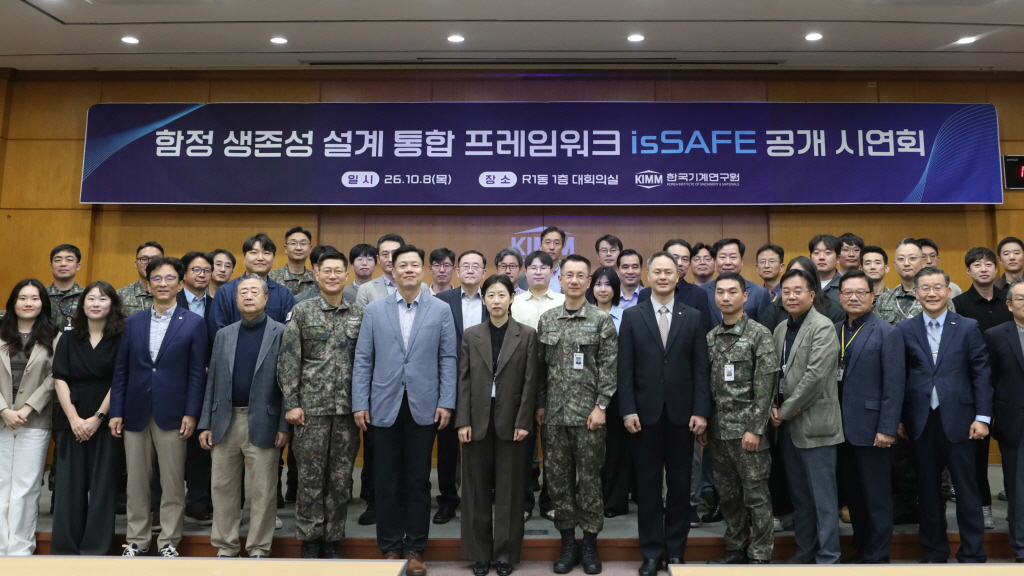
KAERI Develops Domestically-Produced SW 'isSAFE' for Integrated Warship Survivability Analysis
The Korea Institute of Machinery and Materials has developed domestically-produced software 'isSAFE' that comprehensively analyzes warship survivability. This design framework integrates the entire process—from warship modeling to hit scenario generation, vulnerability analysis, and results analysis—into a single platform, establishing an independent technology foundation in the defense technology sector that had previously relied on foreign software.
2026.10.08by 배종인 기자
ioCrops Shares AI Smart Farm Operations Case Study
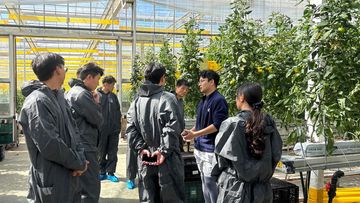
About 20 cultivators from the Agricultural Cooperative's Smart Agriculture Support Centers visited ioCrops' smart farm in Jincheon, North Chungcheong Province. They directly confirmed how data collected through substrate weight sensors, drainage weight sensors, and soil moisture sensors is applied to tomato cultivation, as well as the greenhouse pest control process using the AI-based autonomous spraying robot 'HERMAI'. By sharing on-site operational case studies combining data and automation technology, the adoption of smart farms in agricultural fields is being promoted.
2026.10.07by 배종인 기자
Rockwell, "90% Digital Transformation Essential in Life Sciences Manufacturing"
According to the digital transformation report for the life sciences manufacturing sector released by Rockwell Automation, 90% of responding companies recognized digital transformation as a business-critical element. Primary investment technologies include AI and machine learning (46%), process automation (44%), and cybersecurity (39%), with 64% of companies planning to expand AI utilization within the next year. However, only 32% of companies actually utilize more than half of the collected data, indicating an urgent need to strengthen data utilization capabilities.
2026.10.07by 배종인 기자











