



Japan to Invest 150 Trillion Won in Hydrogen and Ammonia Over 10 Years
 Published2023.09.15 09:52
Japan will make a large-scale investment of 150 trillion won in hydrogen and ammonia over 10 years to achieve carbon neutrality.
The Korea Institute of Machinery and Materials (President Park Sang-jin) under the Ministry of Science and ICT recently published the 113th issue of Machinery Technology Policy, which analyzes Japan's latest hydrogen economy policy trends.
According to this, if we look at the 'Hydrogen Basic Strategy Revision' announced by Japan in June of this year, the hydrogen and ammonia policies were significantly strengthened by reflecting the policies of the 6th Basic Energy Plan established in 2021.
In addition, in accordance with the 'GX Realization Basic Policy' established in 2022, a plan has been established to achieve a carbon-zero society through a large-scale investment of 150 trillion won over the next 10 years, and hydrogen and ammonia policies are being strengthened in the energy sector as well.
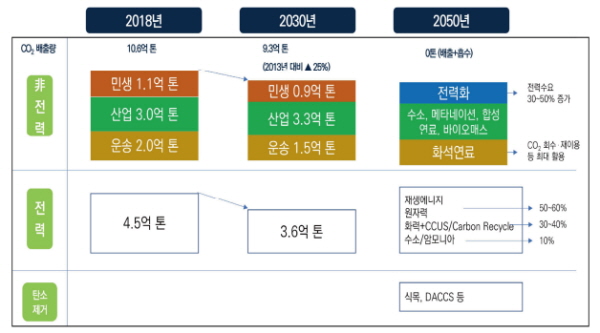
▲2050 Figure Japan's mid- to long-term carbon-zero plan
This report analyzes the technical content of the three major strategies for strengthening the hydrogen and ammonia industry capabilities presented by Japan in the ‘Revised Basic Hydrogen Strategy’: the ‘Hydrogen Society Realization Acceleration Strategy’, the ‘Hydrogen Industry Strategy’, and the ‘Hydrogen Safety Strategy’, and discusses their relevance to domestic policies.
First, the 'Hydrogen Society Realization Acceleration Strategy' aims to increase the annual hydrogen introduction from 3 million tons in 2030 to 12 million tons in 2040.It aims to lower the cost of power generation and plans to replace 1% of all energy sources with low-carbon energy by 2030 by utilizing hydrogen and ammonia.
The 'Hydrogen Industry Strategy' is focusing on developing and promoting five key strategic areas with the goals of decarbonization, stable energy supply, and economic growth.
Lastly, the 'Hydrogen Safety Strategy' includes safety responses based on scientific data and evidence and optimization of hydrogen-related laws and systems to create an economical and rational hydrogen utilization environment.
Japan's hydrogen policy focuses on the supply of hydrogen and ammonia, strengthening cooperation with hydrogen energy powerhouses such as the Middle East and Australia, and promoting policies such as lowering hydrogen supply prices, which are expected to strengthen the hydrogen industry ecosystem.
Based on the report, the Korea Institute of Machinery and Materials analyzed that the composition of the hydrogen industry value chains in Korea and Japan have similar directions.
In addition, while our country is focusing on a gradual upstream strategy centered on hydrogen fuel cells, Japan is pursuing a multi-faceted strategy for hydrogen utilization.
The High-Efficiency Energy Machinery Research Department of the Korea Institute of Machinery and Materials is in charge of the 'Commercial-grade Liquid Hydrogen Plant Core Technology Development Project' project to secure large-scale hydrogen storage technology, and is leading research for the domestic production of liquid hydrogen plant core technology and the establishment of large-scale hydrogen industry infrastructure. Currently, a test bed construction project for the domestic production of liquid hydrogen core technology is being promoted.
In addition, the Mobility Power Research Lab of the Environmentally Friendly Energy Conversion Research Department of the Korea Institute of Machinery and Materials is developing a 300kW hydrogen combustion engine system for construction machinery that requires a high-output power source for diversifying hydrogen utilization, as well as key technologies for storage and supply systems. It is expected that hydrogen utilization technology will be applicable to existing fossil fuel-using generators, forklifts, ships, etc.
Gil Hyeong-bae, a senior researcher at the Korea Institute of Machinery and Materials’ Machinery Technology Policy Center, said, “In order to strengthen the competitiveness of our country’s hydrogen industry, it is necessary to continuously review and strengthen distribution policies such as fostering policies for each hydrogen value chain, infrastructure construction, and supply chain stabilization,” adding, “Policy support for strengthening international cooperation and leadership in the hydrogen economy should be supported.”
Meanwhile, the Korea Institute of Machinery and Materials is soliciting academic journals in parallel with policy journals in order to provide rational directions for policies in the machinery industry and to contribute to national policy and academic development. Academic journals containing policy research in the machinery industry or technology fields are accepting manuscripts until October 10, and are scheduled to be published on December 30.

Comments
Related news
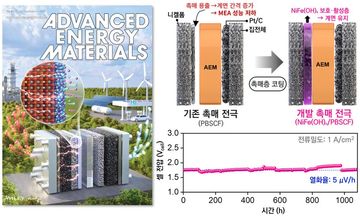
Materials Research Institute Develops Ultra-thin Coating Water Electrolysis Catalyst Technology
The Korea Institute of Materials Science has simultaneously resolved the performance and durability trade-off problem in water electrolysis catalysts by applying ultra-thin surface coating technology. Achieving 1.9 times higher performance compared to conventional catalysts while demonstrating 1,000-hour long-term stability, the institute has developed technology scalable to industrial water electrolysis systems through a simple process.
2026.10.07by 배종인 기자
Gigaphoton Develops Neon Gas Recycling System for ArF Excimer Lasers...Achieves 50% Recycling Rate
Gigaphoton announced that it has developed a gas recycling system for ArF excimer lasers and achieved a 50% neon gas recycling rate.
2026.10.02by 배종인 기자
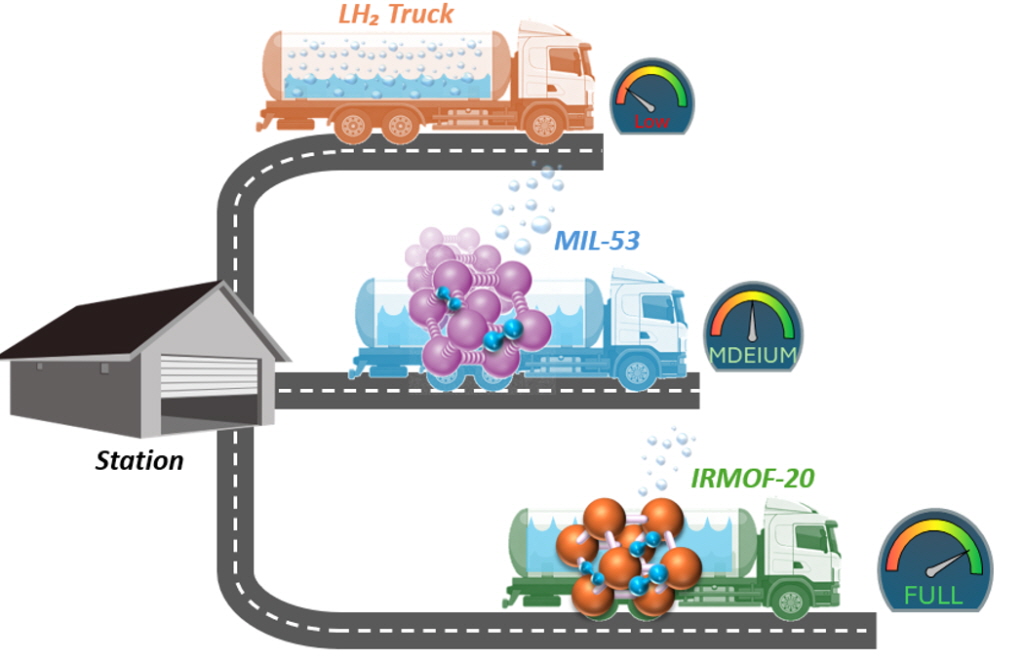
UNIST suppresses vaporization losses while maintaining 97% of liquefied hydrogen storage capacity
A research team led by Professor Oh Hyun-cheol from the Department of Chemistry at UNIST, in collaboration with Professor Moon Hoe-ri from Ewha Womans University and researchers from the Technical University of Munich in Germany, has verified technology that reduces boil-off loss occurring during liquefied hydrogen transportation and storage by utilizing metal-organic frameworks (MOF).
2026.09.30by 배종인 기자
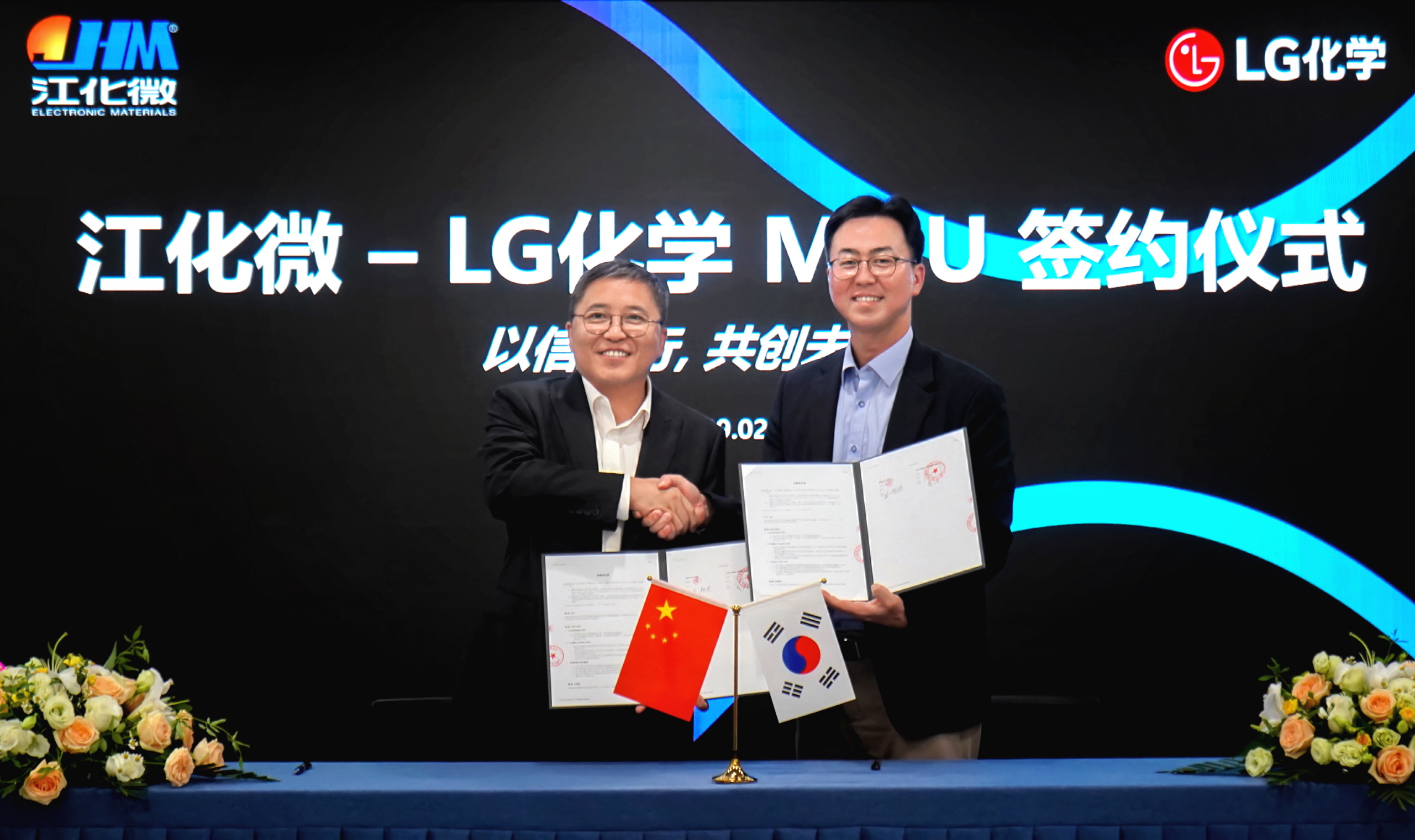
LG Chem Expands Semiconductor Cleaning Materials Business…Collaborates with China's Jianghua Wei on Ultra-high Purity IPA
LG Chem is moving to expand its ultra-high purity IPA (isopropyl alcohol) business, a core material for semiconductor processes. The company is building a local supply system in collaboration with a Chinese precision chemical company and strengthening its market strategy for AI semiconductors and advanced memory.
2026.09.14by 배종인 기자
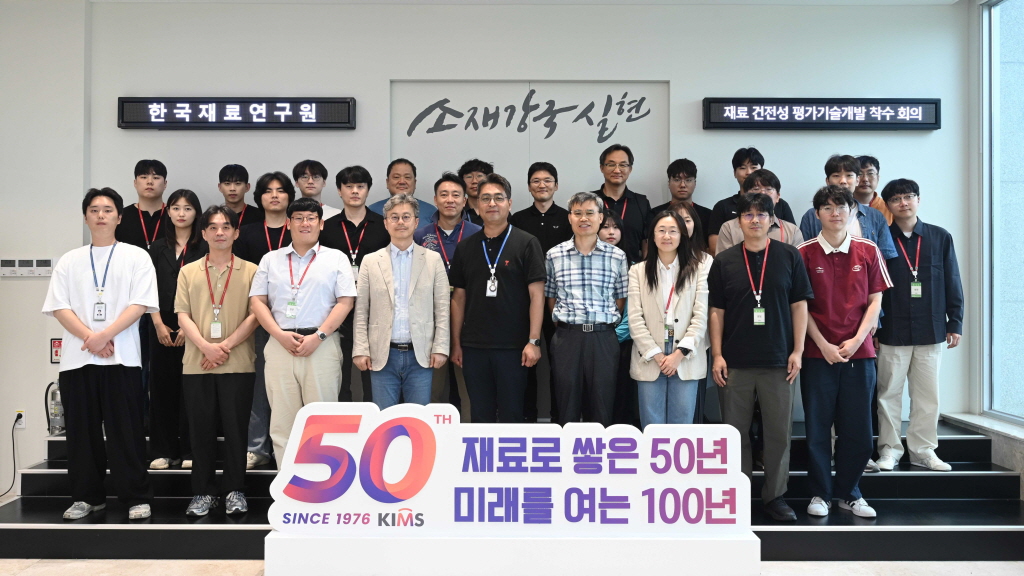
Korea Institute of Materials Science Begins Development of Anhydrous Ammonia SCC Integrated Evaluation Platform
The Korea Institute of Materials Science has begun developing an integrated evaluation platform for stress corrosion cracking (SCC) of high-strength steel for ammonia propulsion and transport vessels. By establishing a system to verify the safety of steel in anhydrous ammonia environments using domestic technology, the institute will strengthen the international competitiveness of the shipbuilding and steel industries and lay the foundation for reflecting domestic technology in regulatory and standard revisions by the International Maritime Organization (IMO) and other bodies.
2026.08.05by 배종인 기자











