



Machinery Research Institute Develops Turbo-Brayton Cryogenic Cooling System
 Published2023.09.21 08:59
The full-cycle technology for the Turbo-Brayton cryogenic cooling system, which is the basis for cryogenic cooling plants including hydrogen liquefaction and LNG liquefaction plants, has been developed for the first time in Korea.
The research team led by Senior Researcher Yeom Han-gil of the Extreme Thermal Fluid Machinery Laboratory at the Korea Institute of Machinery and Materials (President Park Sang-jin, hereinafter referred to as KIMM) under the Ministry of Science and ICT has built a Turbo-Brayton cryogenic cooling system with a cooling performance of 10 kW at -196℃ and completed its operation test. This is the first time in Korea that the entire process technology from cooling system design to construction has been developed.
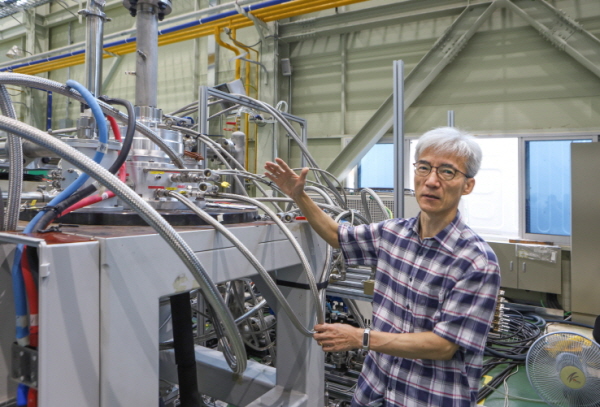
▲Korea Institute of Machinery and Materials’ Chief Researcher Yeom Han-gil explains the principles of the Turbo-Brayton cryogenic cooling system.
The Turbo-Brayton cryogenic cooling system is a core technology for cryogenic plants such as hydrogen liquefaction, LNG liquefaction, helium liquefaction, and superconducting power equipment cooling systems. Large-scale cryogenic cooling has been required in various industrial fields.
Centrifugal compressors and turbo expanders that rotate at ultra-high speeds at cryogenic operating temperatures are core components of cryogenic cooling systems, but due to a lack of domestic technology, they have been entirely dependent on imports.
The research team succeeded in domestically producing a centrifugal compressor and turbo expander, and through this development, secured all the technologies necessary for designing, manufacturing, constructing, operating, and controlling cryogenic cooling systems domestically. It is expected to be used in superconducting cables, a next-generation power technology, and domestic LNG carriers.
“The cooling system developed this time uses helium, neon, and nitrogen, which do not affect global warming, as refrigerants, and can provide large-capacity cooling over a wide temperature range of -40 to 250℃,” said Han-gil Yeom, a senior researcher at the Korea Institute of Machinery and Materials. “It is expected to provide eco-friendly cooling technology to industries where precise temperature control is important, such as semiconductors and gas industries.”
Meanwhile, this study was conducted with the support of the basic project of the Korea Institute of Machinery and Materials, ‘Development of an ultra-low temperature cooling system for future energy.’

Comments
Related news
Materials Research Institute Develops Ultra-thin Coating Water Electrolysis Catalyst Technology
The Korea Institute of Materials Science has simultaneously resolved the performance and durability trade-off problem in water electrolysis catalysts by applying ultra-thin surface coating technology. Achieving 1.9 times higher performance compared to conventional catalysts while demonstrating 1,000-hour long-term stability, the institute has developed technology scalable to industrial water electrolysis systems through a simple process.
2026.10.07by 배종인 기자
Gigaphoton Develops Neon Gas Recycling System for ArF Excimer Lasers...Achieves 50% Recycling Rate
Gigaphoton announced that it has developed a gas recycling system for ArF excimer lasers and achieved a 50% neon gas recycling rate.
2026.10.02by 배종인 기자
UNIST suppresses vaporization losses while maintaining 97% of liquefied hydrogen storage capacity
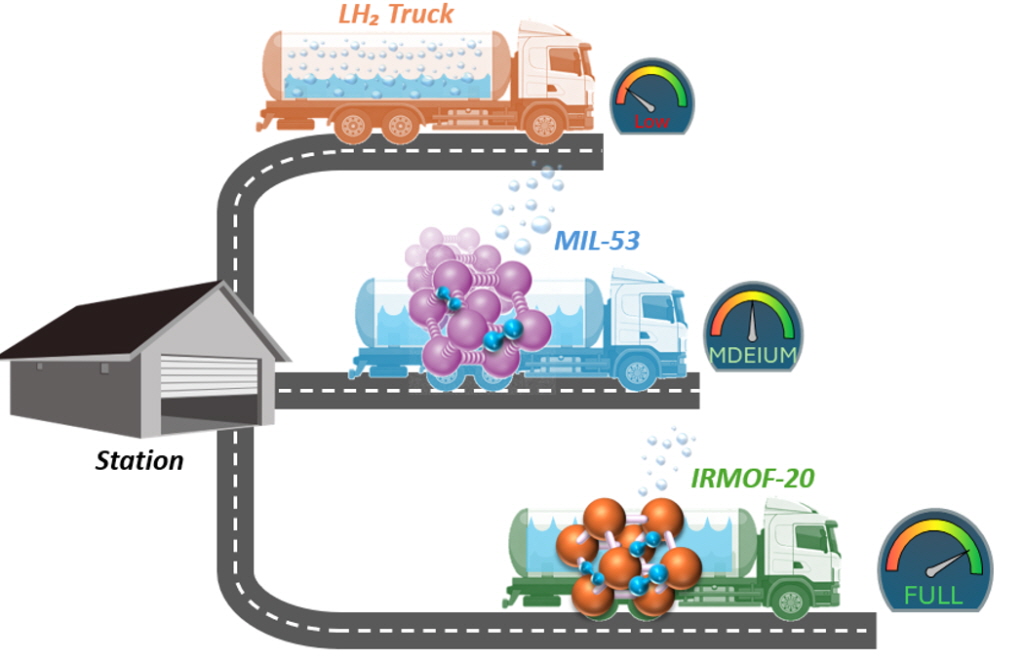
A research team led by Professor Oh Hyun-cheol from the Department of Chemistry at UNIST, in collaboration with Professor Moon Hoe-ri from Ewha Womans University and researchers from the Technical University of Munich in Germany, has verified technology that reduces boil-off loss occurring during liquefied hydrogen transportation and storage by utilizing metal-organic frameworks (MOF).
2026.09.30by 배종인 기자
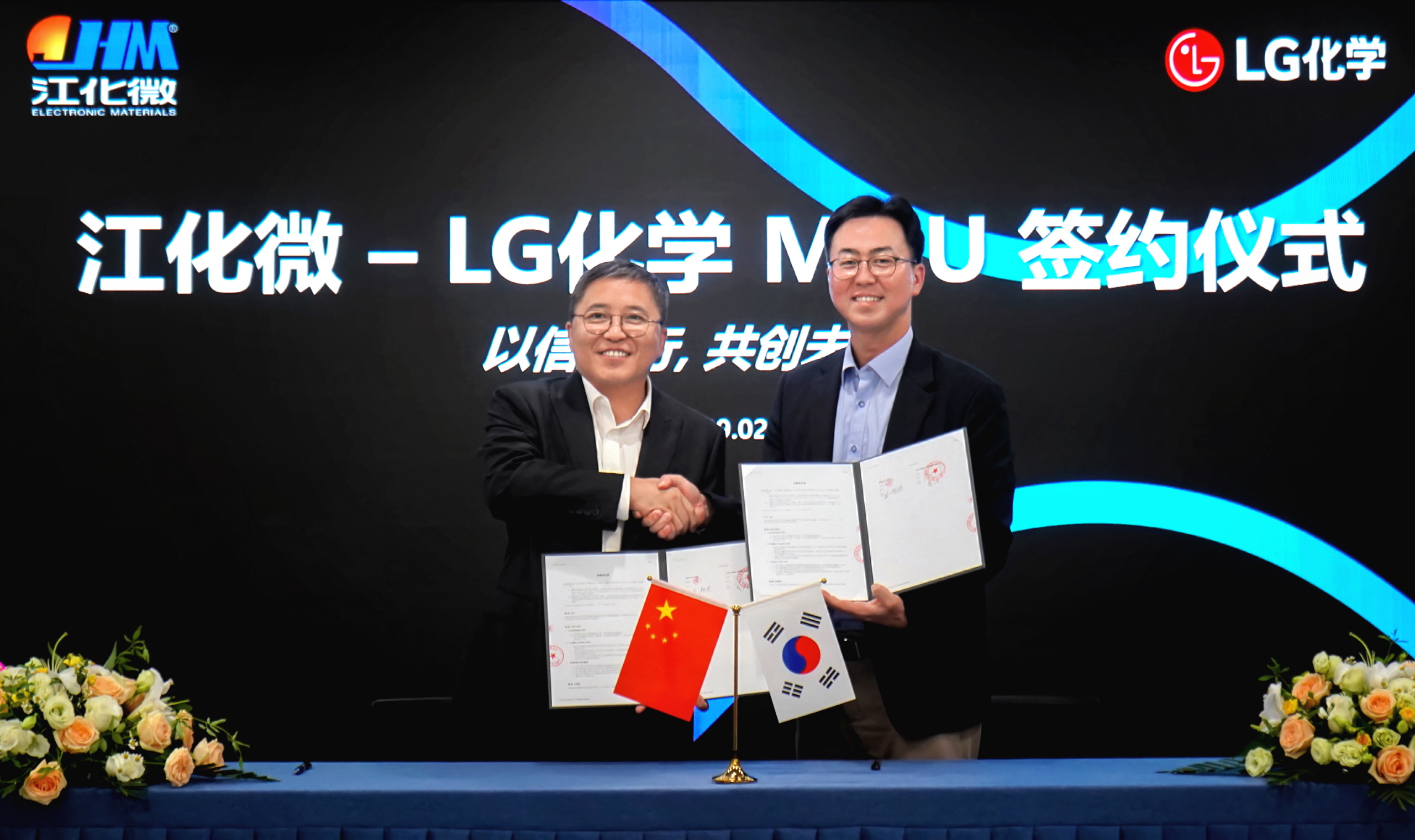
LG Chem Expands Semiconductor Cleaning Materials Business…Collaborates with China's Jianghua Wei on Ultra-high Purity IPA
LG Chem is moving to expand its ultra-high purity IPA (isopropyl alcohol) business, a core material for semiconductor processes. The company is building a local supply system in collaboration with a Chinese precision chemical company and strengthening its market strategy for AI semiconductors and advanced memory.
2026.09.14by 배종인 기자
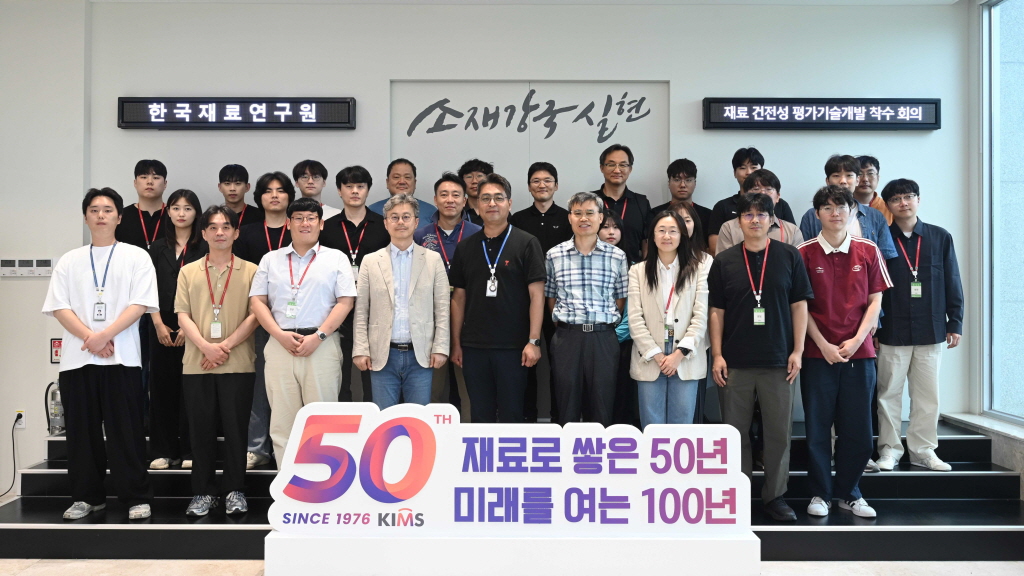
Korea Institute of Materials Science Begins Development of Anhydrous Ammonia SCC Integrated Evaluation Platform
The Korea Institute of Materials Science has begun developing an integrated evaluation platform for stress corrosion cracking (SCC) of high-strength steel for ammonia propulsion and transport vessels. By establishing a system to verify the safety of steel in anhydrous ammonia environments using domestic technology, the institute will strengthen the international competitiveness of the shipbuilding and steel industries and lay the foundation for reflecting domestic technology in regulatory and standard revisions by the International Maritime Organization (IMO) and other bodies.
2026.08.05by 배종인 기자











