


Onsemi Opens Electric Vehicle Systems Research Center in Slovakia
 Published2023.11.21 14:00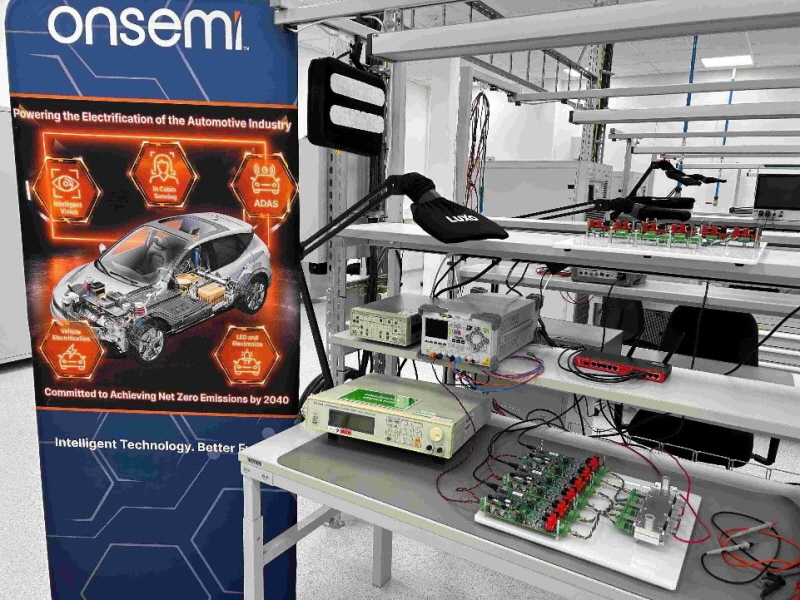
ON Semiconductor, a leader in intelligent power and sensing technologies, is embarking on the development of next-generation innovative technologies for automotive and power conversion systems in Europe.
Onsemi announced on the 21st that it has opened an electric vehicle system application test lab in Piestany, Slovakia.
The Advanced Systems Applications Lab focuses on advancing system solutions for batteries, plug-in hybrids, electric vehicles (xEVs), and energy infrastructure (EI) power conversion systems.
We also work with automotive OEMs, Tier 1s, and EI suppliers to provide specialized equipment to develop and test next-generation silicon (Si) and silicon carbide (SiC) semiconductor solutions.
State-of-the-art semiconductor devices are essential for high-efficiency power conversion in electric vehicle powertrains and charging, as well as renewable energy applications. This research center will play a key role in developing future power products, providing highly differentiated, value-added solutions tailored to customers' specific needs.
The new lab consists of two high-voltage power labs, focusing on system- and device-level development as well as SiC/Si traction inverters and ACDC/DCDC power converters. Laser welding facilities, mechanical cleanrooms and workshops enable rapid prototyping and testing of next-generation system solutions.
Evaluation capabilities for next-generation system solutions include: △ 24/7 continuous testing △ Internally developed and patented software and hardware solutions to support high-voltage power cycling through space vector modulation (SVM) and sinusoidal pulse width modulation (SPWM) △ High-precision logging devices for health and reliability assessment of SiC and Si △ Testing of liquid-cooled devices at temperatures as low as -50°C and up to 220°C, simulating the harsh conditions inverters face during operation △ In addition to field programming of FPGAs and ARM microcontrollers, a wide range of industry-recognized software enables qualification testing, data analysis and 3D modeling.

Comments
Related news

Onsemi accelerates growth with 'SiC' focus strategy
The growth potential of silicon carbide semiconductors in the energy sector, led by the automotive industry, is increasingly being reflected in visible results. On Semiconductor's announcement projects that the profit target for SiC lamps will reach 53% by 2027, bringing growth strategies focused on SiC to the forefront.
2023.05.30by 명세환 기자
Mouser to Supply ON Semiconductor's NCN26010 Ethernet Controller
Mouser Electronics supplies onsemi's NCN26010 industrial Ethernet controller product.
2023.07.03by 배종인 기자
Onsemi to integrate SiC devices with BorgWarner VIPER
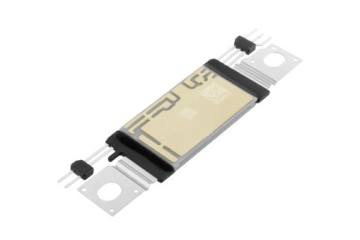
ON Semiconductor announced that it has expanded its strategic partnership with BorgWarner regarding silicon carbide (SiC) and concluded a long-term contract worth over $1 billion.
2023.07.19by 배종인 기자
ON Semi Supplies Elite SiC Solutions to Magna
ON Semiconductor's EliteSiC MOSFET technology is expected to be integrated into Magna's e-drive system, a mobility technology company and one of the world's largest automotive suppliers, contributing to improvements in electric vehicle driving range and efficiency.
2023.07.28by 배종인 기자
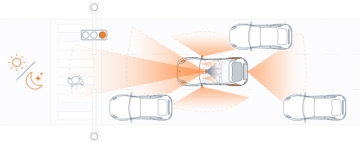
Onsemi and NVIDIA's Hyperlux image sensors will improve autonomous vehicle performance.
ON Semiconductor, a leading company in intelligent power and sensing technology, is supporting drivers for its Hyperlux™ image sensor product family on the NVIDIA DRIVE platform to enhance the vision and improve safety in autonomous vehicles.
2023.09.21by 배종인 기자











