



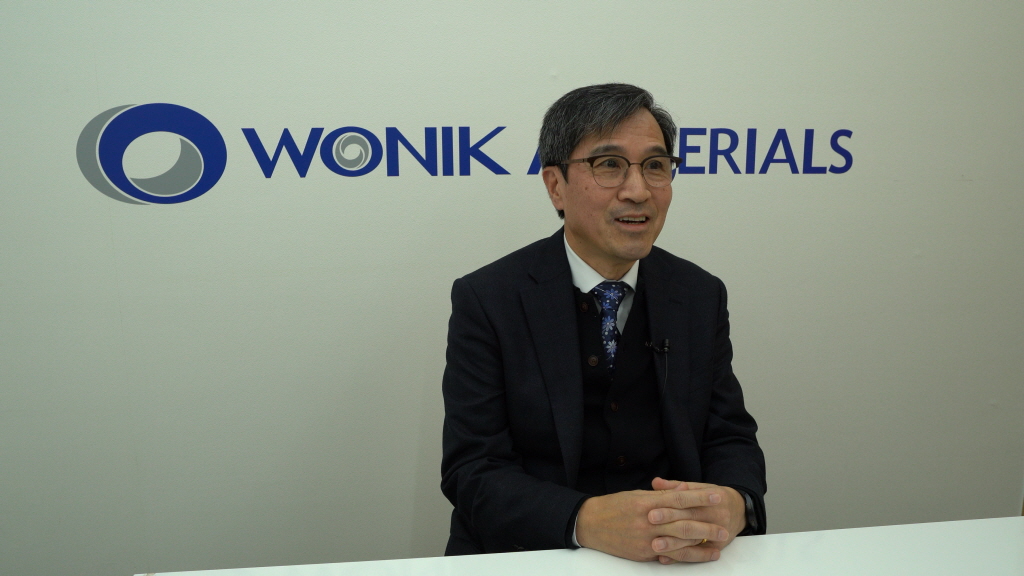
Han Jeong-wook, CEO of Wonik Materials: "We are fully prepared to respond to semiconductor supply chain and AI trends."
 Published2024.02.20 14:40
반도체 공급망 이슈 부각, 현지화·내재화·공급선다변화 대응
AI 패터닝 이슈, 극저온 에칭가스·저탄소 대체 소재 개발 必
■ 원익머트리얼즈에 대한 소개를 부탁드린다
원익머트리얼즈는 반도체 소자 제조 공정 대부분에 들어가는 가스를 공급하는 회사다.
최근에는 다가올 친환경 저탄소 시대를 대응하기 위해 적합한 소재 개발에 집중을 하고 있으며 향후 미래의 반도체 소자 재료에 중추적인 역할을 담당하고자 불철주야 노력하고 있다.
■ 원익머트리얼즈는 우리나라 국내 대표 반도체용 특수가스 및 소재 기업으로 국내 반도체 공급망의 핵심기업으로 자리잡고 있다. 반도체 소재 안정 공급을 위한 원익머트리얼즈의 노력에 대해 듣고 싶다
반도체 소재의 입장에서는 공급망에 대한 이슈가 상당히 크게 부각되고 있다.
공급망 이슈에 대응하기 위해서 원익머트리얼즈는 크게 세 가지 관점으로 바라보고 있다.
첫 번째는 반도체 팹이 글로벌하게 분포가 되어 있기 때문에 한국에서 생산했던 것을 팹이 있는 지역마다 공급을 하려면 결국은 유통이 필요하다.
또한 물류를 거쳐야 하기 때문에 이에 대한 리스크가 상당 부분 존재하고 있는 터라 현지에서 일괄 소싱하고 공급하는 형태의 ‘현지화 전략’이 첫 번째다.
가장 최근에 이루어지고 있는 현지화 전략은 중국 현지화와 미국 현지화 이 두 가지 측면을 바라보고 있다.
두 번째는 내재화다.
그동안 국외에서 원익머트리얼즈가 수입을 해서 정제하고 판매했던 것들을 자체적으로 해결해서 직접 고객사들에게 공급해 주는, 이를 ‘내재화’라는 측면에서 접근을 하고 있다.
마지막은 공급선 다변화다.
원익머트리얼즈도 국내뿐아니라 국외에서 원재료를 수입하여 생산하는 제품들이 있기 때문에 원료에 대한 수급이 안정적이지 않으면 결국 반도체 칩 메이커가 필요로 하는 제품을 적기에 안정적으로 공급할 수가 없는 리스크가 있는 건 분명한 사실이다.
때문에 2차, 3차 심지어 4차 공급처까지 비상시를 대비해 벤처 발굴을 하고 있고, 현재 2차, 3차, 4차 공급처까지 안정적으로 비상상황에 대한 대응책을 구축을 해 놓은 상황이다.
이제 원익머트리얼즈는 명실공히 공급망 이슈에 대해 세 가지 전략을 가지고 접근을 해 오기 때문에 고객들로부터 공급에 대한 신뢰성을 충분히 확보했다고 보고 있다.
■ 최근 반도체 업계는 AI 등으로 인해 새로운 변혁의 시기를 맞고 있다. 이런 변혁의 시기 반도체 소재 트렌드는 어떻게 변하고 있으며, 원익머트리얼즈는 어떻게 대응하고 있는지 궁금하다
AI 반도체가 대두되면서 기술의 발전이 수 나노급에서 이루어지고 있고, 또 그 이상으로 기술이 변모하고 있는 상황이다.
이러한 상황에 있어 소재도 필수적으로 따라가야 하는 부분이 있는데, 최근 대두되는 것이 패터닝 이슈이며, 이에 따라 새로운 극저온 에칭가스(etching gas)를 필요로 하고 있다.
두 번째는 지구온난화 지수를 낮출 수 있는 친환경 저탄소 대체 소재이다.
원익머트리얼즈도 그 두 가지에 역점을 두고 연구 개발에 집중을 하고 있고, 작년 한 해 동안 집중한 결과 의미 있는 성과를 얻었다고 보고 있다.
아직 양산화 단계는 아니더라도 조기에 양산화 할 수 있도록 교두보를 마련했으며, 최근 고객들로부터 수많은 관심을 받고 있는 상황이다.
■ 지난해 반도체 경기가 어려웠다. 2024년도 쉽지 않을 것으로 예상되는데, 올해 반도체 경기 전망과 원익머트리얼즈의 올해 경영 전략에 대해 듣고 싶다
반도체의 가격이 회복되고 있으며, 그로 인해 우리나라 반도체 경기가 좋아지고는 있지만 그것은 2023년 한 해 동안 하락된 가격이 조금씩 회복되고 있는 것이다.
올해는 물량 증가에 대비해 내부 효율화에 집중을 할 계획이다.
효율화를 통해 생산성 향상을 이끌어내 급증할 수도 있을 생산량을 적기에 공급할 수 있는 체제를 구축하고자 한다.
내부 효율화를 통해서 비용, 원가 절감을 통해 경영 이익을 창출하는 측면뿐 아니라, 본 효과를 고객과 함께 공유할 수 있는 체제를 구축하려고 한다.
또한 회사는 효율화를 위해 스마트 팩토리를 구현해 보고자 지난 3년 전부터 노력을 해 왔고 2023년부터 이제 의미 있는 성과들이 각 제조 현장에서 적용되어 보여지고 있다.
올해는 이를 조금 더 가속화하는 해로 삼고자 하며 반도체 시장이 이전만큼 회복되거나 그 이상으로 성장할 때 원익머트리얼즈가 능동적이고 즉각적인 대응이 가능하도록 현재 집중적인 노력을 하고 있다.
■ 이번 세미콘코리아에서 원익머트리얼즈는 어떤 점을 중점적으로 소개하는지 궁금하다
가스 회사가 전시회에 전시할 수 있는 것이 한계가 있기 때문에 그동안 소개가 부족했던 부분에 집중을 했다.
지난 3~4년간 연구개발에 대한 성과에 대해 집중 부각을 하려고 했고, 현재 그것을 통해 관심을 받고 있다.
첫 번째는 저탄소를 위해 기존 가스를 대체하는 신규 물질 개발 부문이다.
연구개발을 통해 세, 네 종의 후보 물질을 개발을 완료했고, 그 개발 완료된 제품의 양산성을 위해 노력하고 있다는 점을 이번 전시회에서 주로 다루었다.
두 번째는 Precursor(이하 프리커서) 부문이다.
프리커서 부문은 기존의 가스사업에 비해 매출규모가 상대적으로 작은 사업이었지만, R&D에 집중을 하며 미래의 프리커서를 선점하고자 했고, 수 종의 후보 물질들을 개발해 적극적인 프로모션을 진행 중이다.
마지막은 ESG 대응이다. 지난 2년 동안 준비했고 드디어 ESG 경영 선포를 하게 됐다.
원익머트리얼즈도 지속가능한 지구를 위해 환경을 해치지 않는 소재 개발을 이루고자 모든 경영 방침을 지속가능성에 초점을 맞춰 이에 상응하는 액션 아이템들을 만들고, 올해부터 본격적으로 진행하려 한다.
■ e4ds news 독자 여러분께 한 말씀 부탁드린다
e4ds news 독자 여러분 안녕하십니까.
원익머트리얼즈 대표이사 한정욱입니다.
e4ds news는 독자 여러분들이 잘 아시는 것처럼 최근 우리 반도체 부문의 분야에 최근 뉴스뿐만 아니라 이슈, 이벤트 부분들을 실감 있고 현실감 있게 전달해 주는 인터넷 뉴스 매체로 저는 알고 있고, 저도 인터뷰를 할 수 있는 영광스러운 시간도 갖게 되었습니다.
독자들의 관심에 부응할 수 있도록 지속적으로 성장하는 원익머트리얼즈가 되도록 하겠습니다.
새해 복 많이 받으십시오. 고맙습니다.
Comments
Related news
Korea's non-memory global market share is only 3.3%
South Korea's non-memory semiconductor market share globally stands at only 3.3%, which is one-third of Japan's and one-half of China's, and this market share is heavily concentrated among three companies—Samsung Electronics, LX Semicon, and SK Hynix—indicating the urgent need to establish a national system semiconductor strategy based on rigorous and multifaceted capability assessments.
2023.09.13by 배종인 기자
SEMICON Korea to be held at COEX, Seoul from January 31 to February 2, 2024
'Semicon Korea 2024' will be held for three days from January 31 to February 2, 2024 at COEX in Seoul. Approximately 500 companies will participate in this event, showcasing semiconductor manufacturing technologies and services that will open up a new future through 2,100 booths.
2023.12.06by 배종인 기자
Zeiss Korea to Participate in SEMICON Korea 2024
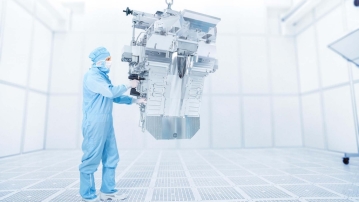
German company ZEISS Korea (CEO Jung Hyun-seok), a leader in the semiconductor materials sector, will participate in 'Semicon Korea 2024' to be held at Seoul COEX from January 31st to February 2nd.
2024.01.18by 배종인 기자
Applied to participate in ‘SEMICON Korea 2024’… Sharing the latest semiconductor trends
With Semicon Korea 2024, the nation's largest semiconductor industry exhibition, just around the corner, it is reported that Applied Materials, a global leader in semiconductor materials, will participate to share the latest trends and technological capabilities in semiconductors.
2024.01.29by 명세환 기자
Semiconductor Supply Chain One Place, Semicon Korea 2024 Opens
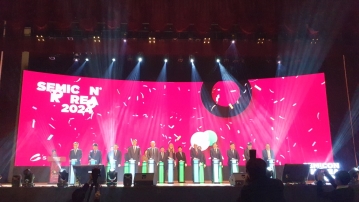
SEMICON KOREA 2024, which provides a glimpse into the future of the semiconductor industry and brings together the global semiconductor supply chain in one place, has officially opened. The exhibition features approximately 500 companies showcasing advanced semiconductor technologies through over 2,100 booths, with participation from global chip makers such as Samsung Electronics, SK Hynix, Micron, GlobalFoundries, Infineon, and Kioxia, as well as small and medium-sized component suppliers, making it a venue where the semiconductor industry can be viewed comprehensively.
2024.01.31by 배종인 기자











