



AMD Supports AI Track Inspection Solution for Japanese High-Speed Trains
 Published2024.02.14 09:44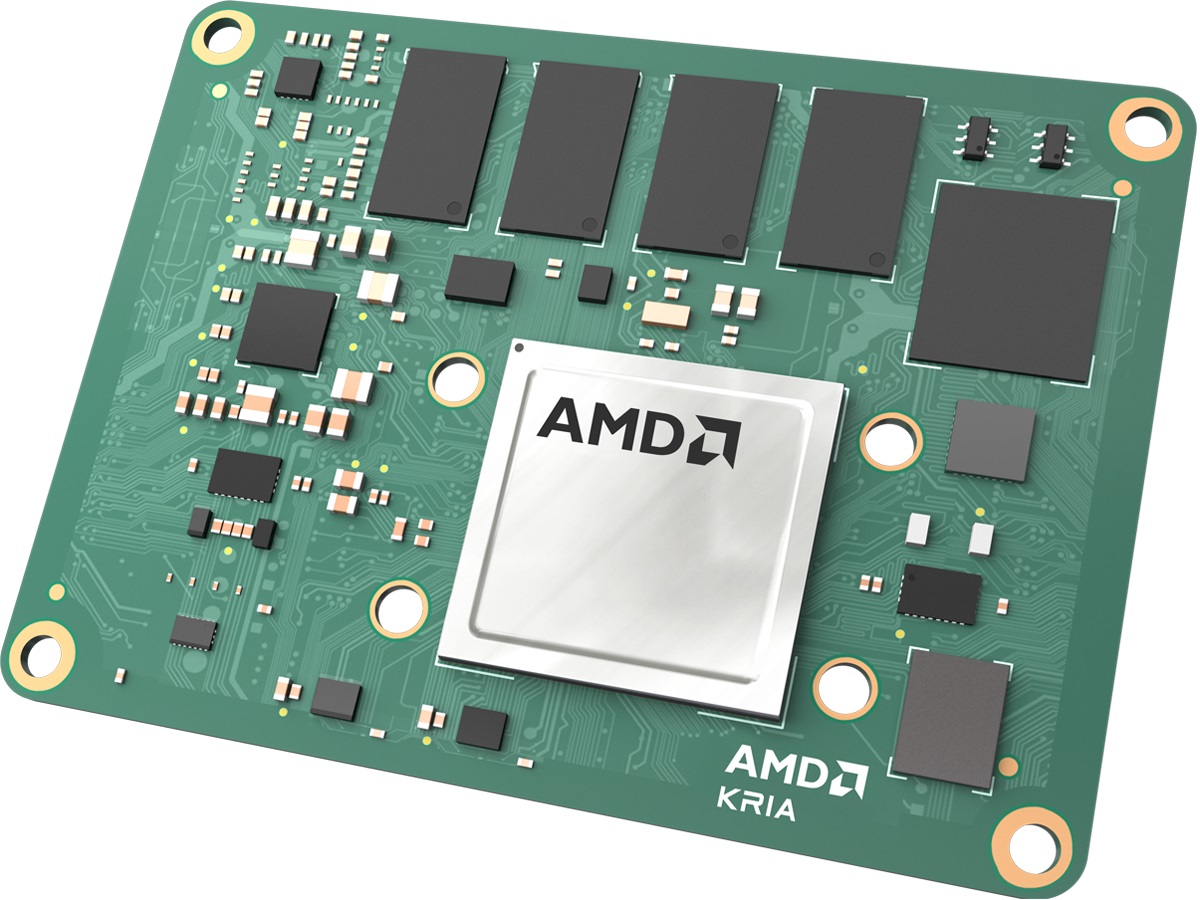
▲AMD Kria K26 SoM (Image: AMD)
Computer vision technology is being deployed across industries and everyday life. Accordingly, AMD is actively targeting the market by providing embedded AI solutions.
AMD announced on the 14th that JR Kyushu Railway Company, a Japanese bullet train operator, has adopted the AMD Kria K26 System-on-Module (SOM) for its track inspection automation system.
AMD expects that the AI-based solution will significantly improve inspection speed, cost, and accuracy, replacing the existing method of workers manually inspecting tracks to meet Japan's railway safety requirements.
JR Kyushu's bullet trains cover a vast area, spanning over 2,340 km of track, at speeds of up to approximately 259 km/h. For safety, thorough track inspection at regular intervals is essential.
To improve the efficiency and accuracy of its assessments, JR Kyushu adopted an AMD-based solution from Tokyo Artisan Intelligence (TAI), which uses high-speed image processing and advanced AI capabilities to detect and inspect bolt tightness and other track issues.
“With TAI and AMD’s new solution, we have been able to improve the efficiency of our existing track inspection methods, and we expect to further enhance inspection efficiency through future functional enhancements,” said Kazuhiro Sakaguchi, General Manager of Engineering Business Division, JR Kyushu Shinkansen Division.
The core of the track inspection solution is a vision computing box mounted on a cart that inspects the track at speeds of approximately 19 km/h or more. The box features a high-speed camera with an FPGA-based Kria K26 SOM that enhances pre- and post-processing of data and images using AI.
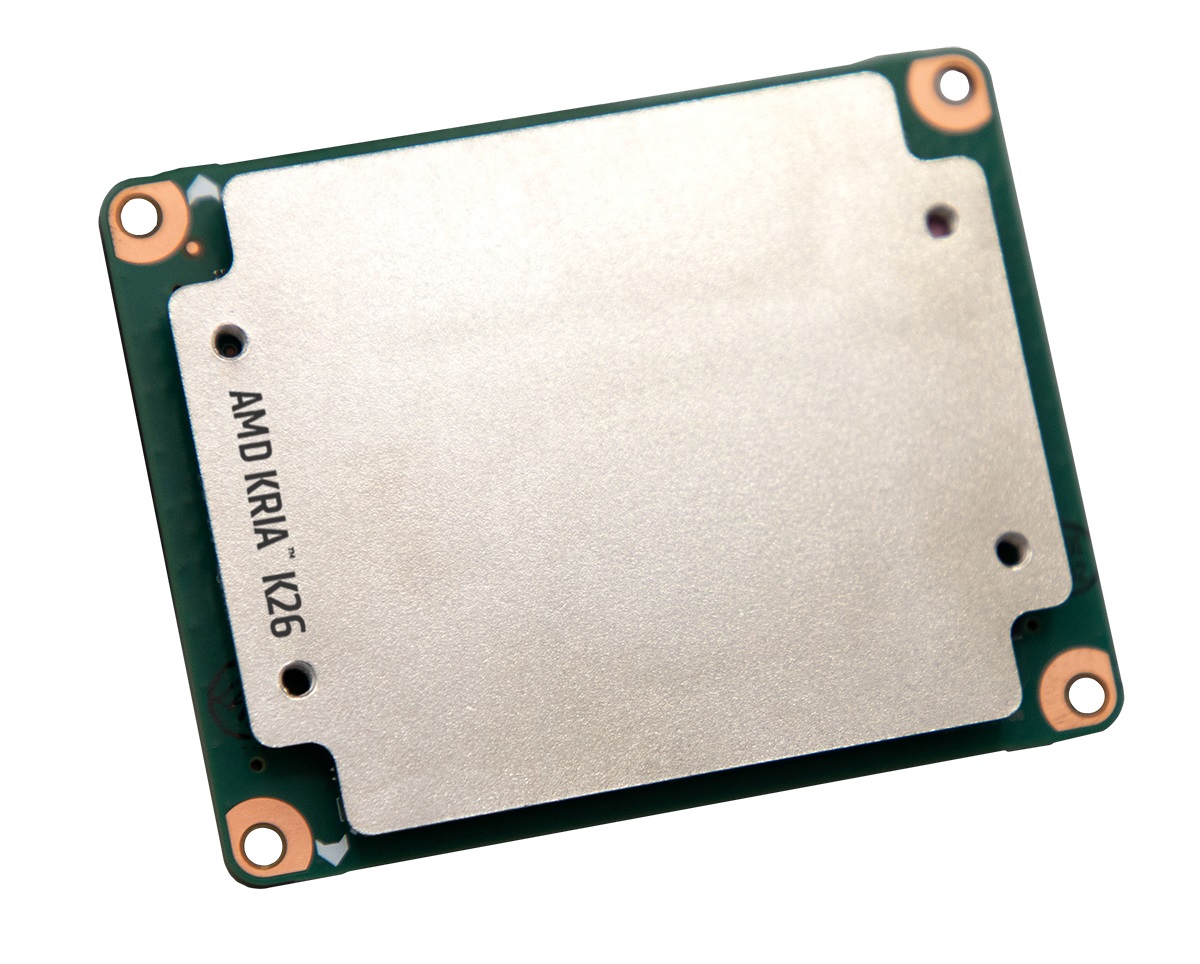
▲AMD Kria K26 SoM (Image: AMD)
The Kria K26 SOM is a compact, all-in-one embedded platform that integrates a customizable AMD Zynq UltraScale+ MPSoC, DDR memory, non-volatile storage device, security module, and aluminum heat spreader.
“The most important benefit of this development case was cost savings through AI,” said Hiroki Nakahara, co-founder and CEO of TAI. “Operational efficiency was dramatically improved by replacing the existing method of workers inspecting the tracks on foot with carts.”
Additionally, the AMD CREA SOM-based solution can flexibly respond to JR Kyushu's unique conditions and geographical requirements that change depending on its operating area and passenger volume through programmability and embedded intelligence, it explained.
Because the railway is installed in a natural environment, it must be able to be updated to adapt to constantly changing natural conditions, and Cria SOM is suitable for this by providing programming functions, he explained.
“AMD Kria SOM accelerates innovation at the edge and makes it easier to develop operational solutions,” said Chetan Khona, senior director, Industrial, Vision, Healthcare and Scientific, AMD., “JR Kyushu is a prime example of how the continuous programmability of the Cria SOM, combined with edge AI computing, can automate processes and dramatically improve operational efficiency across a wide range of applications, from machine vision to industrial robotics, AI and machine learning computing,” he said.

Comments
Related news
AMD Seeks Growth Momentum in AI Solutions
As demand for AI accelerator solutions is rapidly increasing, AMD, which is challenging Nvidia's dominance in the AI market, held a meeting with key partner companies to explore future growth in AI solutions.
2023.12.07by 명세환 기자
AMD vs Nvidia, Clash in AI GPU...MI300X vs H100
The server and ultra-high-performance GPU market that accelerates generative AI and ultra-large language models is burning hot. Since AMD launched its new MI300X GPU product on the 7th in response to Nvidia, which has monopolized the market, a battle of wits has unfolded between AMD and Nvidia.
2024.01.18by 명세환 기자
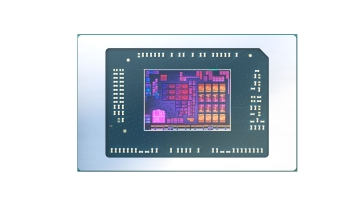
AMD Unveils New Ryzen and Radeon Product Lines... The Era of Personal AI Arrives
AMD announced a spectacular comeback at CES 2024 with its new desktop solution product lineup. The company particularly introduced new features and products, highlighting AI on personal computers tailored to the AI era as the main characteristic of this product family.
2024.01.09by 권신혁 기자
.jpg)
Western ants are flocking to US tech stocks... AMD's 12-year return is 96x, while Samsung's is 3.7x.
Domestic investors participating in overseas stock investments, characterized as "Western-learning ants," are increasingly expanding their focus toward technology stocks in semiconductors, AI, and electronics. Additionally, the scale of domestic stocks and bonds flowing into overseas markets is also showing an upward trend, suggesting that a time for reconsidering shareholder return policies among domestic companies is approaching.
2024.01.22by 권신혁 기자
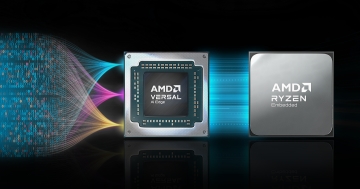
AMD Embedded+ Launch, “Background for Rapid Increase in Edge AI Chips and Sensor Data Analysis”
Growing supply of AI inference chipsets is expected at the edge. Machine vision and sensor data analytics are projected to drive edge AI-related shipments, while AI semiconductors for edge AI devices are emerging in SoC form factors.
2024.02.06by 명세환 기자











