



Ha Byeong-woo, Country Manager at Nordic Semiconductor, “Bluetooth Channel Sounding Presents New Possibilities for Distance Measurement Applications”
 Published2025.04.21 15:11
제시하는 블루투스 채널 사운딩”
배터리 기반 다양한 제품 채택, 표준화·상호운용성 큰 진전

▲최첨단 22㎚ 기반의 차세대 무선 SoC인 nRF54 시리즈
블루투스 LE(Bluetooth LE)는 헬스케어, 컨슈머, 오디오를 비롯해 산업용 기기에 이르기까지 다양한 분야에 널리 사용되고 있을 뿐만 아니라, 기기의 위치확인 솔루션을 구현하는 가장 보편적이면서도 안정적인 기술로 자리매김하고 있다. 이 근거리 무선 기술은 주변에 있는 다른 기기의 존재여부를 감지 및 보고하고, 기기 간의 거리를 추산하거나 다른 기기가 위치한 방향을 계산하는데 사용할 수 있다.
최신 블루투스 코어 사양(Bluetooth Core Specification) 업데이트(블루투스 6.0 세부사항에 포함)에 새롭게 추가된 블루투스 채널 사운딩(Bluetooth Channel Sounding)은 두 블루투스 기기 간의 보다 안전하고 정밀한 거리 측정을 가능하게 함으로써 다양하고 혁신적인 무선 근접 감지 및 거리 측정 애플리케이션의 새로운 가능성을 예고하고 있다. 특히, 채널 사운딩은 모바일폰을 비롯해 다양한 배터리 기반 블루투스 LE 제품에 널리 채택되어 표준화 및 상호 운용성 측면에서도 큰 진전을 이룰 것으로 기대되고 있다.
이 글에서는 채널 사운딩 기술에 대해 살펴보고, 개발자들이 노르딕 세미컨덕터(Nordic Semiconductor)의 SoC 및 개발 툴을 이용해 새로운 거리 측정 애플리케이션을 어떻게 구현할 수 있는지 알아보도록 하겠다.
■ 채널 사운딩 기술 개요
블루투스 LE는 계속해서 기기의 포지셔닝 및 위치확인 서비스 기술을 발전시켜 왔다. 예를 들어, ‘내 프로필 찾기(Find Me Profile)’는 블루투스 LE가 처음 출시되었을 때 블루투스 코어 사양의 일부로 포함되었으며, 이는 블루투스 4.0의 주요 기능 중 하나로 꼽히고 있다.
이후 비콘(Beacon)이 블루투스 LE의 주요 애플리케이션으로 부상하면서, 비콘이나 기타 송신 기기와의 1미터 거리에 해당하는 기준 출력값으로 블루투스 사양의 ‘TX Power’ 값이 사용되었다. RF 신호는 송신기와의 거리에 따라 거리의 제곱에 반비례하는 비율로 감쇠되기 때문에, TX Power 값을 알면 측정된 RSSI(Received Signal Strength Indicator)를 이용해 비콘 간의 거리 또는 기타 송신기 및 수신기 간의 거리를 대략적(예, 가까움, 연결됨, 또는 범위를 벗어남 등)으로 추정할 수 있다.
2019년에는 블루투스 5.1 사양의 일부로 블루투스 방향탐지(Direction Finding) 기능이 도입되었다. 이 기술은 블루투스 LE 컨트롤러가 측정한 위상 정보를 이용해 애플리케이션에서 수신 신호의 방향을 정밀하게 계산할 수 있다. 이 방향탐지 기능은 AoA(Angle of Arrival)와 AoD(Angle of Departure) 등 두 가지 방식으로 정의되어 있다.
채널 사운딩은 보다 간단하면서도 신뢰할 수 있는 거리 측정 애플리케이션을 구현할 수 있는 여러 핵심 요소들을 갖추고 있다. 첫째, 이 기술은 표준화를 통해 상호 운용성을 보장한다. 둘째, 별도의 하드웨어 비용 없이 최소한의 소프트웨어 공간 만으로 첨단 제품에 추가하거나 매우 간단한 기기로 지원이 가능하다. 셋째, 기본적인 블루투스 LE 기반 데이터 전송 수준만큼 전력소모가 낮다. 마지막으로, 채널 사운딩은 정확도와 지연 시간, 보안 및 전력소모에 따라 다양한 하드웨어 및 소프트웨어 구성 옵션을 지원한다.
채널 사운딩을 위한 블루투스 사양은 새로운 무선(PHY) 기능 및 컨트롤러 기능과 원시 측정 데이터 수집에 필요한 절차 및 보안 조치 등으로 정의되어 있다. 하지만, 전용 알고리즘을 이용해 이러한 원시 데이터를 거리 측정값으로 변환하는 작업은 애플리케이션 레벨에서 수행되며, 사양의 범위에는 포함되어 있지 않다. 따라서, 측정 및 알고리즘 구성은 애플리케이션에서 요구되는 정확도, 지연 시간, 보안, 전력소모 간의 균형에 따라 조정이 가능하다.
채널 사운딩은 상당히 복잡한 기술을 통해 구현되지만, 특히, PBR(Phase-Based Ranging, 위상 기반 거리 측정) 또는 RTT(Round-Trip Timing, 왕복 시간 기반 거리 측정)에 기반하고 있다. PBR은 여러 주파수에 걸쳐 이니시에이터(Initiator) 기기에서 전송된 신호가 리플렉터(Reflector) 기기에서 반사되어 돌아오는 신호의 위상 변이(Phase Shift)를 통해 거리를 측정한다. 이러한 원시 데이터를 거리 정보로 변환하는 작업은 애플리케이션 레벨에서 전용 알고리즘을 통해 수행된다. 한편, RTT 기법은 무선 패킷이 이니시에이터와 리플렉터 사이를 왕복하는데 걸리는 시간을 기반으로 거리를 측정한다. RTT는 PBR 측정값을 교차 검증하여 안정성을 강화하는 거리 바운딩 기법(Distance Bounding Technique)으로 활용할 수 있으며, 거리 계산에 사용되는 알고리즘은 PBR보다 상대적으로 간단하다.(박스기사 ‘채널 사운딩의 정밀 거리 측정 원리’ 참조)
■ 새로운 애플리케이션 지원
모든 블루투스 LE 개선사항과 마찬가지로, 채널 사운딩 기술 또한 지금까지 상상하기 어려웠던 다양한 새로운 애플리케이션을 실현하게 될 것이며, 그중 일부는 이미 현실화되고 있다. 한 가지 사례는 향상된 태그 솔루션이다. 오늘날의 태그 솔루션은 동작 시 큰 문제는 없지만, 쿠션이나 담요 등으로 덮여 있는 경우, 활성화시 발생하는 진동 및 소리를 인식하기 어려울 수 있다. 채널 사운딩은 거리 측정을 기반으로 장거리에서도 정확하게 ‘근접하고 있는지, 멀어지고 있는지(Hot-Cold)’ 등의 근접 경보를 제공함으로써 소리나 진동 경보의 한계를 극복할 수 있다.
채널 사운딩 기술의 이점을 얻을 수 있는 또 다른 애플리케이션은 스마트 잠금장치이다. 잠금장치를 작동시키려는 사람에 대한 감지 기능을 향상시키는 것은 물론, 중간자 공격(Man-in-the-Middle Attack)이나 릴레이 공격(Relay Attack)으로부터 스마트 잠금장치를 보호할 수 있는 강력한 기능을 제공할 수 있다. 또한, 이 기술은 가전제품의 기능을 향상시키는 데에도 기여할 수 있다. 사용자의 존재여부나 거리 정보에 기반한 상황인식을 통해 사용자 경험을 크게 개선할 수 있다. 예를 들어, 채널 사운딩이 제공하는 물리적 상황인식 정보를 여러 기기를 연동하는데 유용하게 활용할 수 있을 뿐만 아니라, 사용자가 기기 근처에 있을 때에만 제어 기능이 작동되도록 함으로써 안전성을 높일 수 있다.
블루투스 LE는 이미 자산 추적 위치확인 서비스에 광범위하게 활용되고 있다. 채널 사운딩은 기존 솔루션에 큰 복잡성이나 비용을 추가하지 않고도 이러한 애플리케이션의 정밀도, 신뢰성, 편의성을 향상시킬 수 있다.
■ 채널 사운딩 개발 지원
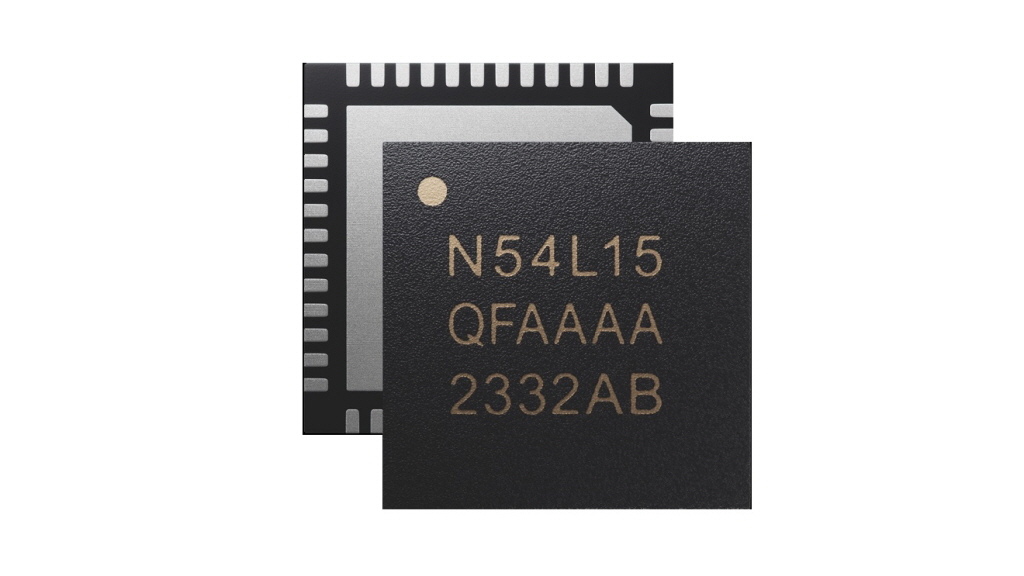
 노르딕의 4세대 무선 SoC인 nRF54L 시리즈와 nRF54H 시리즈는 블루투스 6.0 및 채널 사운딩을 지원한다. 노르딕은 자사의 확장 가능한 통합 소프트웨어 개발 키트인 nRF 커넥트(nRF Connect) SDK를 통해 nRF54 시리즈에 대한 개발 지원을 제공하고 있다.
블루투스 채널 사운딩은 PBR 및 RTT 기반의 근접 감지 및 거리 측정 애플리케이션을 위한 탁월한 기반 기술을 제공하지만, 노르딕은 이외에도 독자적인 방식의 또 다른 옵션을 지원하고 있다. NDT(Nordic Distance Toolbox)는 노르딕의 nRF52 및 nRF53 시리즈 SoC를 이용해 블루투스 에코시스템이 아닌 다른 애플리케이션에서도 이러한 기능을 구현하고자 하는 개발자를 위해 PBR 및 RTT 기반의 첨단 거리 측정 및 근접 감지 기능을 제공한다.
nRF 커넥트 SDK에서 제공되는 소프트웨어 라이브러리에는 NDT 지원 기기 간의 거리를 정밀하게 계산할 수 있는 알고리즘이 포함되어 있어 RSSI만을 이용하는 기존 솔루션에 비해 훨씬 더 높은 정확도를 제공할 수 있다. 또한, nRF 커넥트 SDK에는 NDT 기능을 시연할 수 있는 샘플 코드도 포함되어 있다.
포춘 비즈니스 인사이트(Fortune Business Insights)에 따르면, 자산 추적 시장은 2023년 212억5천만 달러 규모에서 2032년 596억4천만 달러로 성장할 것으로 전망된다. 이 외에도, 첨단 거리 측정 및 근접 감지 기능은 다른 많은 애플리케이션에 활용될 것으로 예상된다. 블루투스 채널 사운딩 기술의 등장으로, 개발자들은 자산 추적이나 보안 등과 같은 빠르게 성장하는 시장에서 경쟁력 있는 애플리케이션을 구현할 수 있는 새로운 강력한 툴을 확보하게 되었다.
|
채널 사운딩의 정밀 거리 측정 원리
위상 기반 거리 측정(PBR: Phase-based Ranging)은 이니시에이터(Initiator)와 리플렉터(Reflector)를 이용해 거리를 측정한다. 이니시에이터는 정해진 주파수의 신호를 전송하고, 이 신호는 리플렉터에 의해 반사되어 돌아온다. 이때, 송신된 신호와 수신된 신호 간의 위상차를 측정한다. 이러한 과정을 다른 주파수의 신호를 이용해 반복한다. 그런 다음, 신호의 위상차와 주파수 간의 차이를 이용해 전용 알고리즘으로 이니시에이터와 리플렉터 간의 거리를 산출할 수 있다.(그림 1) 왕복 시간(RTT: Round-trip Timing) 기반 거리 측정은 패킷이 이니시에이터에서 리플렉터를 거쳐 돌아오는데 걸리는 시간을 측정한 다음, 이 왕복 시간에 빛의 속도(C)를 곱한 뒤, 다시 2로 나누는 방식으로 거리를 계산한다. 이때, 리플렉터가 패킷을 수신한 후 재전송하는데 걸리는 시간을 전체 ToF(Time-of-Flight)에서 차감하여 정확한 거리를 산출한다.(그림 2) 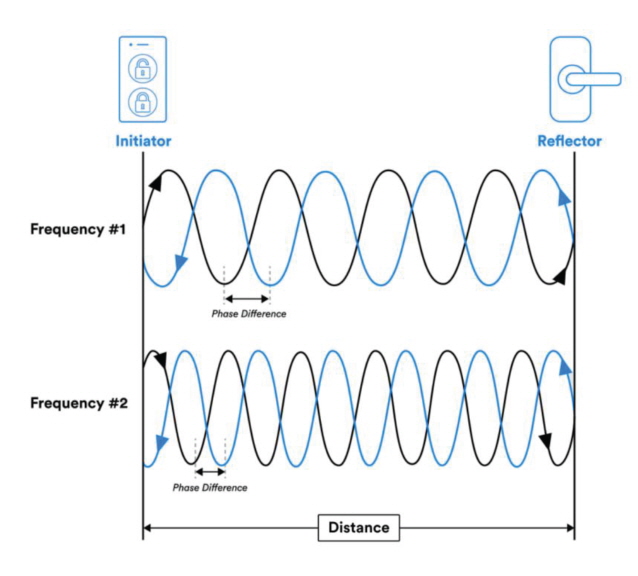 ▲서로 다른 두 주파수 신호의 위상차를 이용해 이니시에이터와 리플렉터 사이의 거리를 측정할 수 있다.
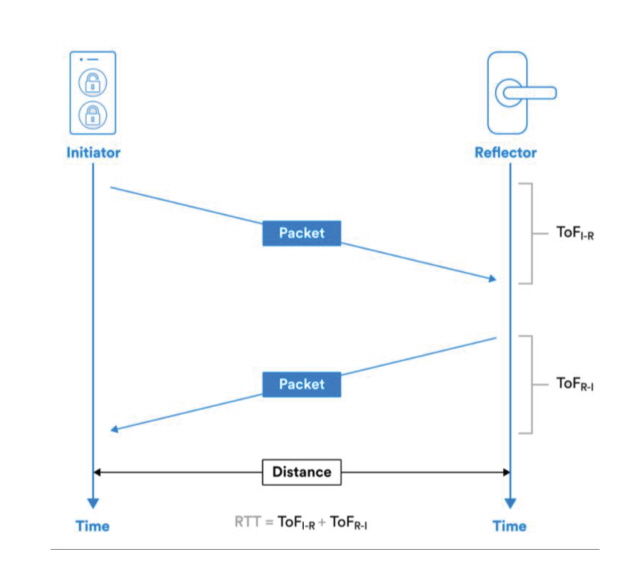 ▲이니시에이터와 리플렉터 간에 전송되는 무선 패킷의 ToF(Time-of-Flight)를 이용해 두 기기 간의 거리를 산출할 수 있다. |
※ 기고자
하병우 지사장, 노르딕 세미컨덕터(Nordic Semiconductor)

Comments
Related news
Nordic nRF54H20 SoC Provides Unrivaled Combination of Processing Efficiency and Performance
Nordic Semiconductor has unveiled the application processor of the nRF54H20, which has been demonstrated to exceed the processing efficiency of competing industry-standard general-purpose MCUs and wireless SoCs through standardized EEMBC ULPMark-CM benchmarking.
2023.10.05by 성유창 기자
.jpg)
Nordic Launches Next-Generation Wireless IoT Solution, the nRF54L Series
Low-power wireless IoT solutions company Nordic Semiconductor announced on the 19th that it has added new products to its nRF54 series, the fourth-generation Bluetooth LE SoC (Bluetooth® Low Energy Systems-on-Chip) product line. The new nRF54L series is the successor to the nRF52 series, an SoC that has been adopted by numerous customers and supplied in billions of units since its launch in 2015.
2023.10.19by 김예지 기자
.jpg)
Nordic Launches Three nRF54L Series Products to Support Wide-Range IoT Development with High-Performance, Ultra-Low-Power, and Wireless in One Chip
Nordic Semiconductor, a global leader in low-power wireless connectivity solutions, is launching the nRF54L10™ and nRF54L05™, new products in the nRF54L series of wireless SoCs alongside the previously disclosed nRF54L15™, supporting diverse applications in ultra-low-power wireless applications with enhanced efficiency and superior processing performance.
2024.11.13by 배종인 기자
Mouser now stocks Nordic's nRF54L15-DK development kit.
Global authorized distributor Mouser Electronics, which supplies the latest electronic components and industrial automation products, now carries the nRF54L15-DK development kit from Nordic Semiconductor.
2025.02.17by 배종인 기자

Intel Unveils Next-Generation 'Core Ultra Series 3' and vPro Platform for Enterprise PCs
Intel has officially unveiled the "Intel Core Ultra Series 3" for next-generation enterprise PCs and the latest vPro platform, addressing a wide range of demands from enterprise notebooks to high-performance workstations.
2026.03.26by 배종인 기자











