



[Serial Project] Physical AI: Redefining the Future of Industry ①, "The Success of Physical AI Depends on the Design of Interactions Between Humans and Intelligent Machines."
 Published2025.10.20 15:31
단순한 기술 혁신 넘어, 산업 생산성·사회의 삶의 질 동시 향상

[편집자주]기존의 AI가 디지털 데이터 속에서 추론과 생성에 집중했다면 피지컬 AI(Physical AI)는 센서, 엣지 컴퓨팅, 로봇, 제어 시스템 등을 통해 현실 세계에서 직접 행동하고 반응한다. 피지컬 AI의 구현은 현실 세계에서 AI가 직접 행동하고 문제를 해결하기 때문에 산업 혁신과 자동화를 크게 진화 시킬 수 있으며, 현실 세계와 직접 상호작용한다. 이에 따라 엔비디아, 테슬라, 구글을 비롯해 글로벌 기업들은 피지컬 AI에 막대한 투자를 진행 중이며, 관련 시장도 폭발적으로 증가할 전망이다. 이러한 피지컬 AI를 구현하기 위해서는 센서 등 인식 기술을 비롯해서 실시간 데이터 처리를 위한 로컬 연산 등 엣지 컴퓨팅 및 임베디드 시스템, 로보틱스 및 제어기술이 필수다. 이에 e4ds news는 연재 기획을 통해 피지컬 AI의 개념에서부터 시장 전망, 관련 기술, 실제 사례 등 핵심 기술과 구현 전략을 살펴보는 자리를 마련했다.
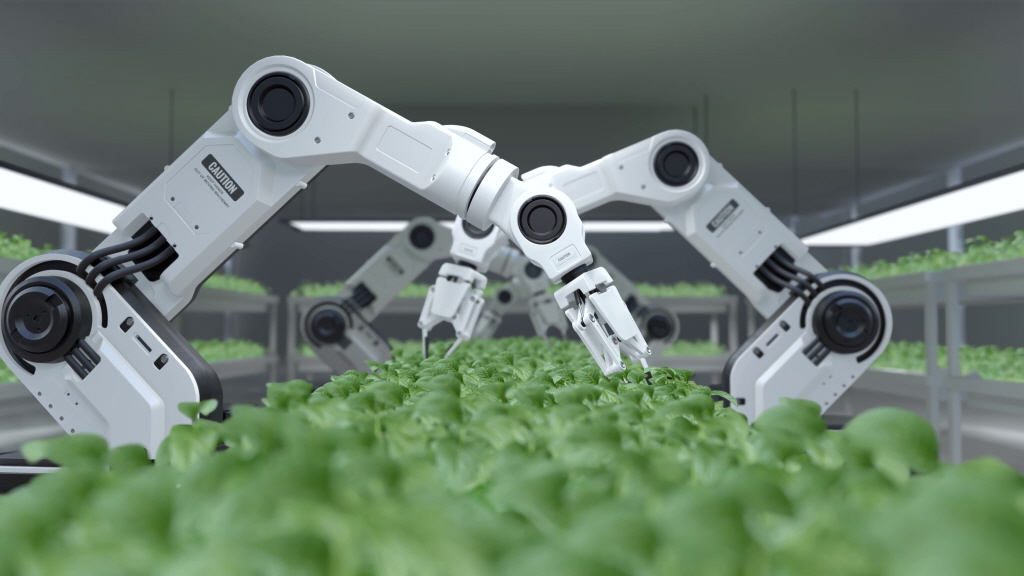
▲피지컬 AI는 단일 기술이 아닌, 하드웨어부터 응용 소프트웨어까지 유기적으로 연결된 복합 시스템이다. 이들은 단순한 챗봇을 넘어, 로봇이 인간의 언어를 이해하고 시각 정보를 해석하며 복잡한 작업을 수행하는 능력을 제공한다.(사진 : shutterstock)
엔비디아 CEO 젠슨 황은 CES 2025 기조연설을 통해 “AI의 다음 프론티어는 피지컬AI”라고 밝힌 바 있다.
‘피지컬 AI(Physical AI)’는 기존의 로봇공학이나 자동화 기술과는 본질적으로 다른 개념이다.
세계경제포럼(WEF)과 소프트웨어정책연구소(SPRi)의 정의에 따르면, 피지컬 AI는 인간처럼 현실 세계를 인식하고 자율적으로 판단·행동하며 환경과 유기적으로 상호작용하는 지능형 시스템이다.
이는 단순히 AI를 기계에 탑재하는 수준을 넘어, 지능이 물리적 형태를 갖추고 현실을 움직이는 단계로의 진화를 의미한다.
전문가들에 따르면 피지컬 AI는 △두뇌 △감각 △신경망 △행동 네 가지 핵심 구성 요소로 이루어진다.
두뇌(Cognitive Control)는 상황을 이해하고 작업을 계획하는 AI 기반 파운데이션 모델을 의미하며, 감각(Perception)은 컴퓨터 비전, 라이다(LiDAR), 촉각 센서 등으로 환경을 인식하는 것이다.
신경망(Connectivity)은 엣지 컴퓨팅과 온디바이스 AI를 통해 실시간 반응성을 확보하는 것이며, 행동(Mobility)은 AI의 판단에 따라 물리적 움직임을 실행하는 제어 시스템이다.
이러한 요소들이 융합되며, 피지컬 AI는 단순한 자동화를 넘어 인간과 협업하고 예측 불가능한 상황에 능동적으로 대응하는 능력을 갖추게 된다.
피지컬 AI의 등장은 로봇 기술의 진화를 3단계로 구분짓는다.
우선 규칙 기반 자동화로 정형화된 작업을 반복 수행하는 것을 의미한다. 예를 들어 자동차 조립 라인의 용접 로봇 같은 것이다.
다음으로 훈련 기반 자동화는 시뮬레이션이나 실제 데이터를 통해 학습하는 것으로 물류센터의 부품 세트화 작업 같은 것을 들 수 있다.
마지막으로 상황 기반 피지컬 AI는 제로샷 학습을 통해 새로운 환경에 자율 대응하는 것으로 자율주행, 인간과의 협업 등을 생각할 수 있다.
이 세 가지는 상호 대체가 아닌 보완적 관계로, 피지컬 AI는 기존 자동화 툴킷을 확장해 이전에는 불가능했던 영역까지 지능화를 실현한다.
피지컬 AI는 단일 기술이 아닌, 하드웨어부터 응용 소프트웨어까지 유기적으로 연결된 복합 시스템이다. 세계경제포럼은 이를 △응용 △시뮬레이션/훈련 △운영 체제 △엣지 하드웨어 △로봇 하드웨어 등 5개 계층으로 분석한다.
이러한 기술 스택은 현실 세계에서 AI가 실시간으로 반응하고 행동할 수 있도록 뒷받침한다.
피지컬 AI의 중심에는 대규모 언어 모델(LLM)과 비전 언어 모델(VLM)이 있다.
이들은 단순한 챗봇을 넘어, 로봇이 인간의 언어를 이해하고 시각 정보를 해석하며 복잡한 작업을 수행하는 능력을 제공한다.
주요 학습 방식으로는 언어 기반 모방 학습, 언어 지원 강화 학습, 인 컨텍스트 학습(ICL), 단계별 사고(CoT) 등이 있다.
피지컬 AI는 클라우드 중심의 처리 방식에서 벗어나, 엣지 AI와 온디바이스 AI를 통해 현장에서 즉시 데이터를 처리한다.
NVIDIA의 ‘Jetson Thor’, 퀄컴의 ‘QCS 시리즈’ 등은 저전력·고성능 플랫폼으로 로봇과 드론의 반응 속도를 극대화한다.
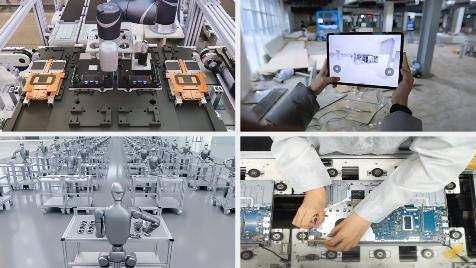
▲대만 제조 생태계가 엔비디아(NVIDIA) 기술을 활용한 디지털 트윈으로 산업용 AI를 가속화하고 있는 모습(사진 : 엔비디아)
라이다(LiDAR)와 같은 센서는 AI가 물리적 공간을 정밀하게 인식하는 데 핵심 역할을 한다.
현실 세계에서 AI를 직접 훈련시키는 것은 비용과 위험이 크다.
이를 해결하기 위해 NVIDIA의 ‘옴니버스(Omniverse)’와 ‘아이작 심(Isaac Sim)’ 같은 시뮬레이션 플랫폼이 활용된다.
특히 ‘코스모스(Cosmos)’는 물리 법칙을 이해하는 월드 파운데이션 모델로, 가상 훈련 결과가 현실에서도 정확히 작동하도록 돕는다.
피지컬 AI는 단순한 기술 혁신을 넘어, 산업의 생산성과 사회의 삶의 질을 동시에 향상시킬 수 있는 잠재력을 지닌다.
반면에 이를 실현하기 위해서는 기술 개발뿐 아니라 법적·윤리적·사회적 준비가 병행돼야 한다. 데이터 프라이버시, 노동 시장의 변화, 글로벌 기술 패권 경쟁 등 다양한 과제가 존재한다.
결국 피지컬 AI 시대의 성공은 기술 도입의 속도가 아니라, 인간과 지능형 기계의 상호작용을 어떻게 설계하고 조직의 운영 모델을 혁신하는지에 달려 있다.
다음 연재에서는 피지컬 AI의 시장 전망 및 산업별 적용 현장에 대해서 다뤄 볼 예정이다.

Comments
Related news
“Korea’s Key Technology Self-Reliance through Large-Scale Investment in Physical AI Is Essential”
Lee Hae-su, Senior Researcher at the AI Policy Research Division of the Software Policy Research Institute, presented on "Physical AI Development Trends and Related Policy Implications" at the '2025 Embedded AI Trend Forum' held on the 16th at the Grand Hall of Korea Conference Center, hosted by the Embedded Software and System Industry Association (Chairman Lee Chang-yeol, hereinafter KESSIA). He stated that Physical AI is a next-generation technology that will determine industrial competitiveness and national security, and that proactive measures are urgently needed.
2025.07.21by 명세환 기자
“On-device AI requires a lightweight AI model, system software stack, and AI hardware.”
Kwon Jin-se, a researcher at the On-Device AI Research Division of the Electronics and Telecommunications Research Institute (ETRI), presented "On-Device AI Optimization Technology as Seen Through the Case of Quadruped Robot Guide Dog" at the "2025 Embedded AI Trend Forum" held on the 16th at the Korea Conference Center Grand Hall, hosted by the Embedded Software and System Industry Association (Chairman Lee Chang-yeol, hereinafter KESSIA), and discussed practical cases of Physical AI technology that fuses robotics with on-device AI technology.
2025.07.21by 배종인 기자
.jpg)
[2025 e4ds Tech Day] "AI: A People- and Hardware-Centric Transformation"
"AI is evolving from data-centric to human-centric approaches, and from software-centric to hardware-centric paradigms. When technologies such as neuromorphic chips become commercialized, hardware-based AI that mimics the human brain will emerge, which could represent a new turning point for on-device AI," said Professor Kim Kyung-ki from Daegu University. At the '2025 e4ds Tech Day' event held on September 9th, he presented on 'On-Device AI Technology Trends and Future Outlook,' emphasizing that AI is shifting from the cloud to devices and highlighting the importance of hardware and small-scale models.
2025.10.20by 명세환 기자
[2025 e4ds Tech Day] "Using MCUs to Power AI in Low-Power Environments Expands Possible Application Development"
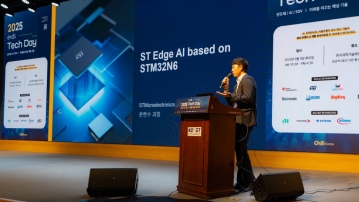
"Being able to run AI models with power consumption at the several milliwatt level enables the most practical approach to developing applications realizable with MCUs," said Moon Hyun-soo, Senior Manager at STMicroelectronics, presenting on "ST Edge AI Solution based on STM32N6" at the '2025 e4ds Tech Day' event held on September 9th. He introduced technological advances that enable implementation of artificial intelligence algorithms even in low-power environments, based on STM32 MCU, a flagship product line of ST.
2025.10.20by 배종인 기자
[2025 e4ds Tech Day] “Lightweight Technology is Key to the On-Device AI Era”
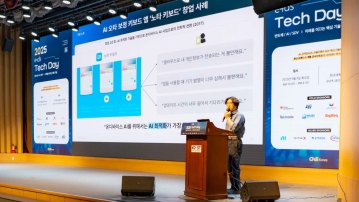
"Lightweighting is not simply about making models smaller. To run AI in real-time on low-power devices, complex technologies are required to reduce computational load and optimize for specific hardware. Particularly in on-device AI environments where the device must execute AI independently without relying on cloud infrastructure, lightweighting is not an option but a necessity," said Jo Seok-young, Manager at Nota AI, in a presentation titled "Hardware-Aware AI Model Optimization Solutions and Success Cases for On-Device AI" at the '2025 e4ds Tech Day' event held on September 9th. He emphasized the importance of AI model lightweighting technologies in the on-device AI era.
2025.10.20by 명세환 기자











