



"Beyond Wi-Fi, to LTE and GPS" ESP32 Practical Communication Development Training Held
 Published2025.11.20 10:33
김봉조 대표, ESP32 기반 실전 IoT 통신 웨비나 개최
 IoT 디바이스가 실내 정적 환경에서 벗어나 실외·모빌리티 영역까지 확장되면서, ESP32 기반 통신 개발 역량이 현업 개발자들 사이에서 핵심 기술로 떠오르고 있다. 이러한 흐름 속에서 임베디드 교육 기업 캐어랩은 ESP32와 LTE·GPS 모듈을 활용한 실전형 IoT 통신 웨비나를 오는 12월18일 개최한다고 밝혔다.
ESP32는 Wi-Fi와 BLE를 기본 통합한 SoC(System on Chip)로, 가격 경쟁력과 높은 활용성 덕분에 메이커 플랫폼에서 상용 IoT 제품까지 폭넓게 채택되고 있다. 특히 SIM7600·SIM800L 등 셀룰러 모듈과의 결합을 통해 배터리 기반 센서노드, 위치추적 장치, 이동형 IoT 기기 등 다양한 분야에서 응용 사례가 빠르게 늘고 있다.
ESP32, 메이커 보드에서 상용 IoT 디바이스로 진화
IoT 시장에서는 단순한 Wi-Fi 연결만으로는 해결되지 않는 데이터 송수신 요구가 증가하고 있다. 실외 환경에서 안정적인 통신을 유지하기 위해 LTE 기반 데이터 전송과 GPS 기반 위치 파악 기능이 필수 요소로 자리 잡았기 때문이다. 이에 따라 저전력·저비용 MCU 기반에서 이 같은 기능을 통합 구현할 수 있는 ESP32 생태계가 다시 주목받고 있다.
업계에서는 특히 HTTP·MQTT 통신 프로토콜 선택, 서버·클라이언트 구조 설계, AT 명령어 기반 모듈 제어, ESP-IDF 및 PlatformIO 기반 개발환경 세팅 등이 개발 초기 단계에서 가장 큰 진입장벽으로 꼽힌다. 이번 웨비나는 이러한 기술적 진입장벽을 실습 중심으로 해소하는 데 목표를 두고 있다.
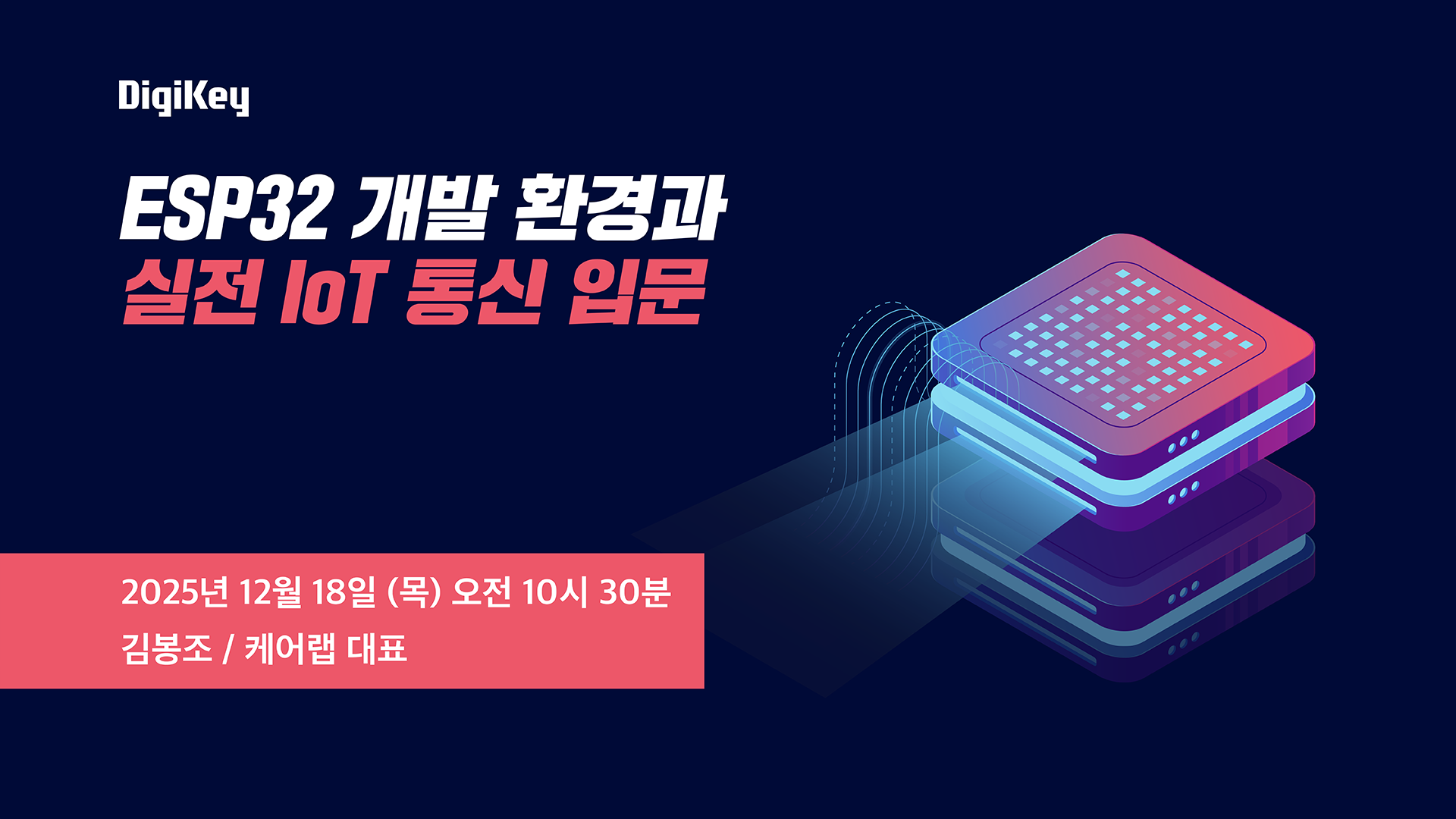
웨비나의 주요 커리큘럼은 ‘ESP32로 여는 진짜 IoT 통신 – 개발환경 세팅부터 유심칩·GPS 활용까지’라는 주제로 구성된다.
교육 내용은 다음과 같다.
● GPS·셀룰러 모듈 연동

- SIM7600·SIM800L 등 모듈 연결
- AT 명령어 기반 GPS 좌표 수집
- 서버 전송을 통한 위치 데이터 처리 흐름 학습
- ESP32 서버·클라이언트 구성
- HTTP vs MQTT 비교
- 간단한 센서 데이터 전송 실습
- Arduino IDE, ESP-IDF, PlatformIO, MicroPython 환경 특징·설치
- macOS 기반 설정 및 실무 활용 팁 제공
ESP-IDF·PlatformIO 수요 증가… 현업에서도 관심 높아
업계 전문가들은 올해 들어 ESP-IDF 기반 제품 개발 문의가 증가하고 있다고 평가한다. 저전력 IoT 제품을 자체 개발하려는 스타트업과 제조사들이 늘면서, 오픈소스 기반의 경량 MCU 플랫폼에 대한 관심이 다시 높아지고 있기 때문이다. 또한 PlatformIO는 VS Code 환경에서 다양한 보드를 통합 관리할 수 있어, 전문 개발자 중심으로 활용 비중이 증가하는 추세다.
케어랩 측은 “ESP32는 단순 취미용 보드가 아니라 상용 디바이스까지 대응 가능한 플랫폼으로 자리잡았다”며 “특히 LTE·GPS 통신을 활용한 이동형 IoT 프로젝트가 늘어나는 만큼 이번 웨비나는 실무 전환을 고민하는 개발자에게 실질적 도움이 될 것”이라고 설명했다.
초중급 개발자부터 현업 엔지니어까지 대상
이번 교육은 △IoT·임베디드 개발 입문자 △LTE·GPS 기반 위치 서비스 구현 관심자 △ESP-IDF·PlatformIO 환경 전환을 희망하는 개발자 △직접 서버·통신 구조를 구축해보고자 하는 엔지니어 등을 대상으로 한다.
웨비나 일정 및 참여 방법은 e4ds.com 웨비나 안내 페이지에서 확인할 수 있다.

Comments
Related news
European Patent Applications Surpass 200,000 for the First Time… South Korea Maintains 5th Place, Led by Batteries and Telecommunications
According to the European Patent Office (EPO)'s 'Technology Dashboard 2025', European patent applications last year reached 201,974, surpassing 200,000 for the first time. Korean companies and inventors filed 14,355 applications, representing a 9.5% increase from the previous year and maintaining 5th place by country. Battery, digital communication, and semiconductor technologies led the growth, with Samsung ranking as the top EPO applicant for the second consecutive year and LG reaching 3rd place. The presence of major domestic cities such as Seoul, Suwon, and Yongin was also confirmed. It was also revealed that Korea's European patent strategy is expanding beyond individual technologies to span the entire industry.
2026.03.24by 명세환 기자

SK Telecom First Applies AI-Based Network Operations at Gwanghwamun K-Pop Concert
SK Telecom announced that it applied an AI-based network operation system for the first time at a large-scale K-pop concert held in the Gwanghwamun area of Seoul on March 21st, managing communication quality throughout the event. Mobile data usage during the three hours before and after the concert reached 12.15TB, approximately doubling compared to the same time slot the previous weekend. SK Telecom monitored traffic using the AI system 'A-One' in five-minute and 50-meter units to respond to potential overload situations, while also operating temporary communication facilities and on-site personnel in parallel. This case is interpreted as confirmation of the practical applicability of AI-based autonomous network operation in an environment where demand from dense events and foreign users increases simultaneously.
2026.03.23by 명세환 기자
ETRI Develops 200Gbps Photodetector… Initiates Localization of Optical Receivers for AI Data Centers
The Electronics and Telecommunications Research Institute (ETRI) has developed a photodetector device that processes optical signals of approximately 200Gbps per channel for the first time in Korea. This device is a component that converts optical signals into electrical signals and determines the reception performance of AI data centers and 5G/6G communication networks. ETRI achieved bandwidth of 70GHz or higher and optical responsivity of 0.75A/W or higher, and integrated an indium phosphide lens on the rear of the chip to enhance optical reception efficiency and alignment convenience. The technology was presented at OECC 2025 and was recently published in the international academic journal 'Optics Express'.
2026.03.19by 명세환 기자
SKT and Ericsson Expand Joint Research on AI Networks… Preparing for 6G Beyond 5G Advancement
SK Telecom and Ericsson are expanding AI-based mobile network collaboration. On the 19th, the two companies signed a memorandum of understanding covering 5G advancement through 6G standardization, and agreed to undertake joint research and verification in the areas of AI-RAN, open and autonomous networks, security, and future communication technologies. This collaboration is interpreted as a move to enhance current 5G operational efficiency while preparing for a 6G environment where AI becomes embedded throughout the network. The scope also includes network operations automation, multi-vendor environment response, energy efficiency improvements, and review of communication-sensing fusion technology.
2026.03.19by 배종인 기자
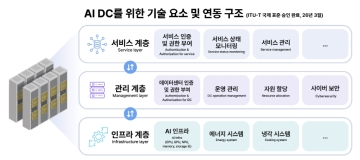
SKT Receives International Standard for AI Data Center Interconnection Structure… Establishes Operating System Standards
SK Telecom's proposed AI data center interworking architecture has received final approval as an international standard at the International Telecommunication Union Telecommunication Standardization Sector (ITU-T) conference. The core of this standard is the classification of AI data centers into three layers—service, management, and infrastructure—and the organization of signaling requirements between layers. As AI service proliferation increases the importance of interworking among various systems within data centers such as computation, power, cooling, storage, and security, this standard is significant in that it presents a common architecture for operations and service delivery. SK Telecom stated that it initiated the relevant standardization project in 2024 and achieved this approval following approximately two years of discussion.
2026.03.18by 명세환 기자











