



Lee Jin-seong, a researcher at Hyundai Mobis, said, "Hyundai Mobis NG-eCall verification was resolved with Anritsu equipment."
 Published2026.01.13 00:00
안리쓰 전문 기술 지원, 개발 과정 어려움 해결 도움
[편집자주]현대모비스(Hyundai MOBIS)는 유럽 시장 규제와 기술 변화에 대응하기 위해 NG-eCall 및 Hybrid eCall 기능을 제품에 적용했다. 초기에는 장비 부재, LTE/5G 및 SIP 시그널링 지식 부족, 네트워크 시뮬레이션 제약 등으로 검증 과정에서 어려움을 겪었으나 안리쓰의 MX703330E 및 MD8475B 장비 지원을 통해 이러한 문제를 해결할 수 있었다. 특히 Hybrid eCall 검증 환경을 구축하고, 자동화된 적합성 테스트와 명확한 로그 분석 기능을 활용해 오류 원인을 신속히 파악하며 개발팀과의 협업 효율성을 높였다. 이로써 연구개발 과정의 신뢰성과 속도가 크게 향상됐으며, 현대모비스는 안리쓰와의 협업을 통해 eCall 검증 역량을 강화하고 미래 모빌리티 안전성을 확보하고 있다. 이에 본지는 이진성 현대모비스 전자제어시험셀 연구원과의 인터뷰를 통해 NG-eCall 및 Hybrid eCall 개발과정에서의 안리쓰(Anritsu)와의 협업에 대해 들어보는 자리를 가졌다.
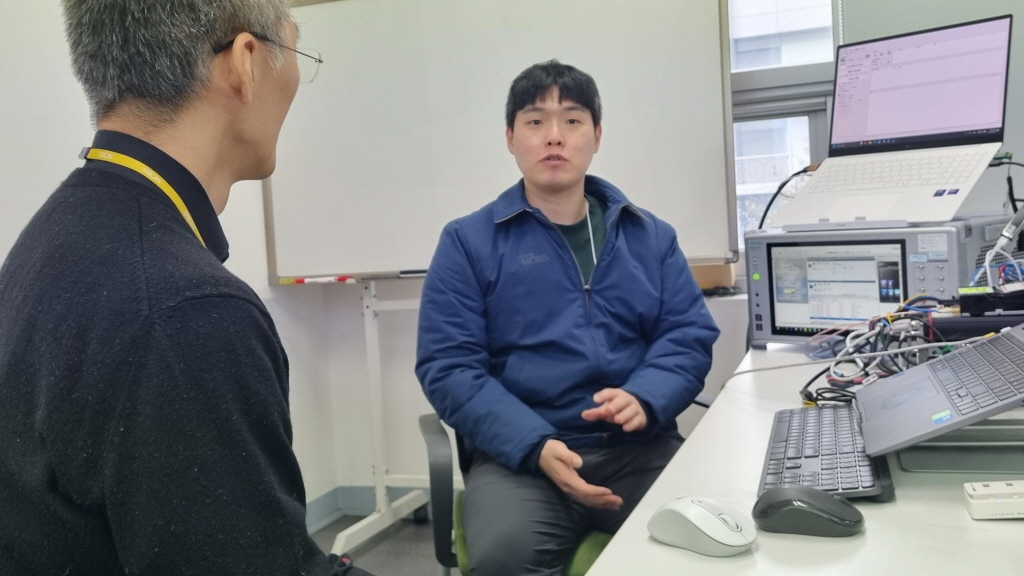
▲이진성 현대모비스 연구원이 e4ds news 배종인 기자와 인터뷰를 하고 있다.
■ 현대모비스에 대한 소개를 부탁드린다
글로벌 자동차 부품 공급업체로서 자율주행, 커넥티비티, 전동화를 중심으로 스마트 모빌리티 시대의 선도자가 되기 위해 노력하고 있다.
섀시, 콕핏, 프런트엔드의 세 가지 모듈형 자동차 부품을 기반으로 운전을 더욱 안전하고 편리하게 만들고 있으며, 목적에 가장 적합한 서비스 부품도 제공하고 있다.
우리의 비전은 다가오는 모빌리티 산업에서 소프트웨어와 하드웨어를 결합한 차별화된 모빌리티 솔루션을 제공하는 것이다.
이 비전을 실현하기 위해 R&D 역량과 생산 능력을 바탕으로 스마트 모빌리티, UAM(도심항공교통), 로보틱스 등으로 사업 영역을 확장했다.
■ 주요 담당 업무 영역은 무엇인지 궁금하다
당사 제품(DCU, Data Connectivity Unit)의 eCall 기능에 대한 종합 평가를 담당하고 있다.
주요 업무는 EU 법규 및 ETSI 표준에 따른 적합성 시험 수행, 다양한 네트워크 조건에서의 기능 검증, 그리고 긴급 호출 센터(PSAP)와의 상호 운용성 확인을 포함한다.
또한 테스트 시나리오 설계, 결과 오류 분석 및 리포팅, 인증 준비를 위한 기술 평가서 작성, 그리고 안리쓰(Anritsu) 장비를 활용한 시뮬레이션 및 문제 해결 과정에 참여하고 있다.
당사 개발팀과 협업해 제품의 품질을 보장하고 있으며, 현재 IP 기반 차세대 기능인 NG-eCall(Hybrid eCall) 평가에도 참여 중이다.
■ NG-eCall과 Hybrid eCall이 적용된 귀사의 제품에는 어떤 것들이 있는지
현재 당사 제품에는 Hybrid eCall 기능이 적용돼 있다.
Hybrid eCall을 채택한 이유는 기존 Circuit-Switched(CS) 기반 eCall과 IP 기반 NG-eCall 간의 전환기에 안정성과 호환성을 동시에 확보하기 위함이다.
유럽 시장에서는 NG-eCall로의 전환이 진행 중이지만, 일부 지역에서는 여전히 CS 기반 인프라가 운영되고 있기에 Hybrid eCall은 두 환경 모두에서 eCall 서비스를 제공할 수 있는 최적의 기술이기 때문이다.
이를 통해 규제 준수는 물론, 다양한 네트워크 조건에서의 서비스 연속성을 보장하고자 한다.
■ NG-eCall을 제품에 적용하게 된 배경에 대해 듣고 싶다
NG-eCall을 당사 제품에 도입한 배경은 유럽 시장의 기술 및 규제에 대응하기 위함이다.
기존 eCall은 2G/3G 회선교환(CS) 기반으로 설계됐지만, 해당 통신망은 단계적인 종료를 예고하고 있다.
이에 따라 LTE 및 5G 기반 IMS(IP Multimedia Subsystem) 방식으로 전환된 NG-eCall은 EU 규제에 따라 2026년부터 모든 신규 차량에 의무화된다.
NG-eCall은 기존 방식 대비 더 빠른 음성 통화와 MSD 동시 송신으로 긴급 대응 효율성을 크게 향상시키며, 이러한 변화는 서비스 연속성과 미래 안전 기능을 보장하기 위해 필수적이므로 NG eCall 기능을 당사 제품에 적용하게 됐다.
■ 안리쓰의 ‘eCall Tester MX703330E’를 도입하기 이전에, NG-eCall을 제품에 적용하면서 어떤 기술적 어려움이 있었는지 궁금하다
NG-eCall 기능 평가 및 환경 구축 초기에는 크게 세 가지 어려움이 있었다.
1) Hybrid eCall 평가를 위한 장비의 부재
EN17240 기반 NG-eCall 기능 평가 장비는 보유하고 있었지만, 앞서 설명한 바와 같이 당사 제품에는 Hybrid eCall이 적용되어 있어 관련 기능을 완전히 제어할 평가 환경을 구축하기 어려웠다.
기존 장비를 활용할 경우 평가 범위에 많은 제한이 있었으며, 예를 들어 LTE 기반 NG-eCall 실패 시 2G/3G 네트워크로 천이되어 eCall을 수행하는 과정에서 실제 국내 경찰서 등 공공기관에 연결돼 양해를 구해야 하는 상황도 발생했다.
2) LTE/5G 이동통신 & SIP 시그널링에 대한 배경지식 부족
개인적으로 LTE 이동통신과 SIP 시그널링에 대한 경험과 지식이 부족했기 때문에, 평가 중 오류가 발생했을 때 장비 설정 문제인지 개발 중인 제품 자체의 문제인지 판단하는 데 어려움이 있었다.
3) 다양한 네트워크 상황에 대한 평가 환경 제약
법규 및 당사 제품에서 요구하는 기능 중 핸드오버나 신호 세기 약화로 인한 통화 끊김 등의 동작을 확인하는 부분을 장비가 부재한 상황에서 연구소 환경에서 반복적이고 안정적으로 시뮬레이션하기 어려웠다. 이러한 점도 평가 환경 구축의 큰 도전 과제였다.
■ NG-eCall을 적용하기 위해 직면했던 기술적 어려움들을 어떻게 극복했는지 궁금하다
NG-eCall 기능 검증을 위해 기술적 어려움을 해결하는 과정에서 다음과 같은 방식을 취했다.
1) Hybrid eCall 평가를 위한 장비의 부재
Hybrid eCall 검증을 위해 Anritsu로부터 MD8475B 및 MX703330E 장비와 베타 버전 펌웨어 대여 가능 여부를 확인하고, 공식 릴리즈 전에 선제적으로 도입하여 장비 검토를 진행했다. 개발 기간 동안 Hybrid eCall 관련 소프트웨어 변경 사항을 평가하고 Conformance Test를 수행했으며, 이를 통해 소프트웨어 버그 개선에도 기여하고 있다.
2) LTE/5G 이동통신 & SIP 시그널링에 대한 배경지식 부족
개인적인 학습뿐만 아니라 실제 장비를 활용해 부족한 부분을 채워 나갔다. 예를 들어, 장비에서 제공하는 Sequence Log 기능을 통해 SIP 프로토콜 동작을 분석하며 배경지식을 습득했다. 또한 매뉴얼을 참고해 설정을 정리하고, Anritsu 담당자의 현장 지원 및 유선 통화를 통해 네트워크 시뮬레이션을 반복하며 eCall 평가에 필요한 기본 이동통신 지식을 습득했다.
3) 다양한 네트워크 상황에 대한 평가 환경 제약
MD8475B 및 MX703330E에서 제공되는 Handover 기능 및 Cell 설정(신호세기 조절/ECL 여부/Service In&Out 등)을 통해 네트워크 시뮬레이션을 할 수 있었고, 평가를 위한 상황을 모사해 평가 일정 적기 대응 및 SW검증을 할 수 있었다.
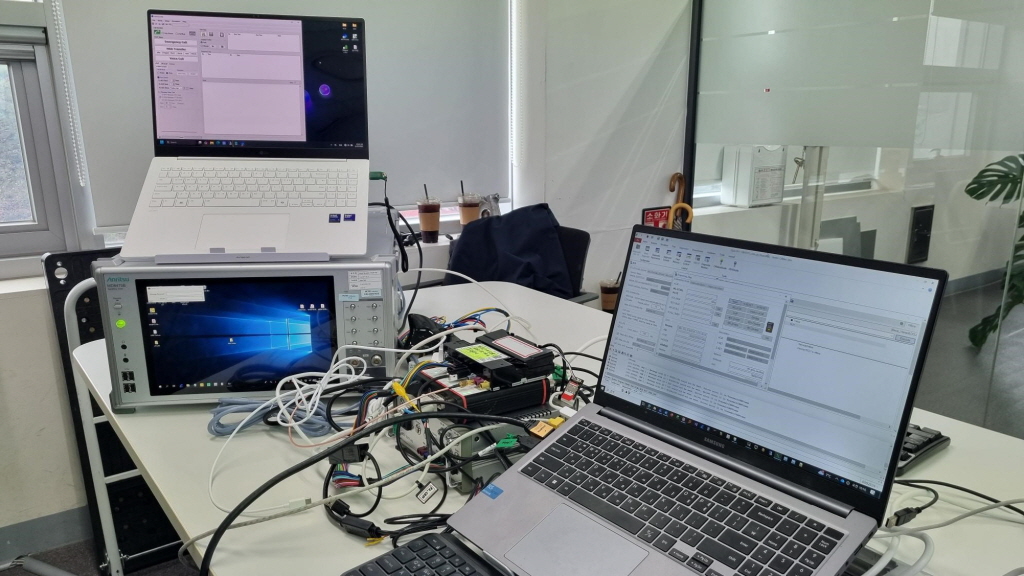
▲안리쓰의 장비를 이용한 NG-eCall 테스트 평가환경
■ NG-eCall 검증을 위해 Anritsu의 ‘MX703330E’ 시험 솔루션을 선택하신 배경에는 어떤 요소들이 있었는지 듣고 싶다
주요 의사 결정 요인은 아래와 같다.
1) Hybrid eCall 평가 시, 단독 장비만으로 평가 가능
신규 투자 시 Hybrid eCall 평가를 위해 추가 장비가 필요했지만, 안리쓰(Anritsu)의 장비는 단독으로 구성할 수 있다는 장점이 있었다.
2) 개발 부서와 동일한 장비를 이용하여, SW 변경 확인 및 디버깅 효율성 향상
동일한 테스트 환경을 공유함으로써 문제 재현과 원인 분석이 용이해졌고, SW 변경 사항에 대해서도 장비 설정 관련 가이드를 받아 개발팀과 협업 속도를 향상시킬 수 있었다.
■ 현재 연구실에 설치된 안리쓰(Anritsu) 시험 장비 중 ‘MX703330E’를 제외한 다른 장비에는 어떤 것들이 있는지 궁금하다
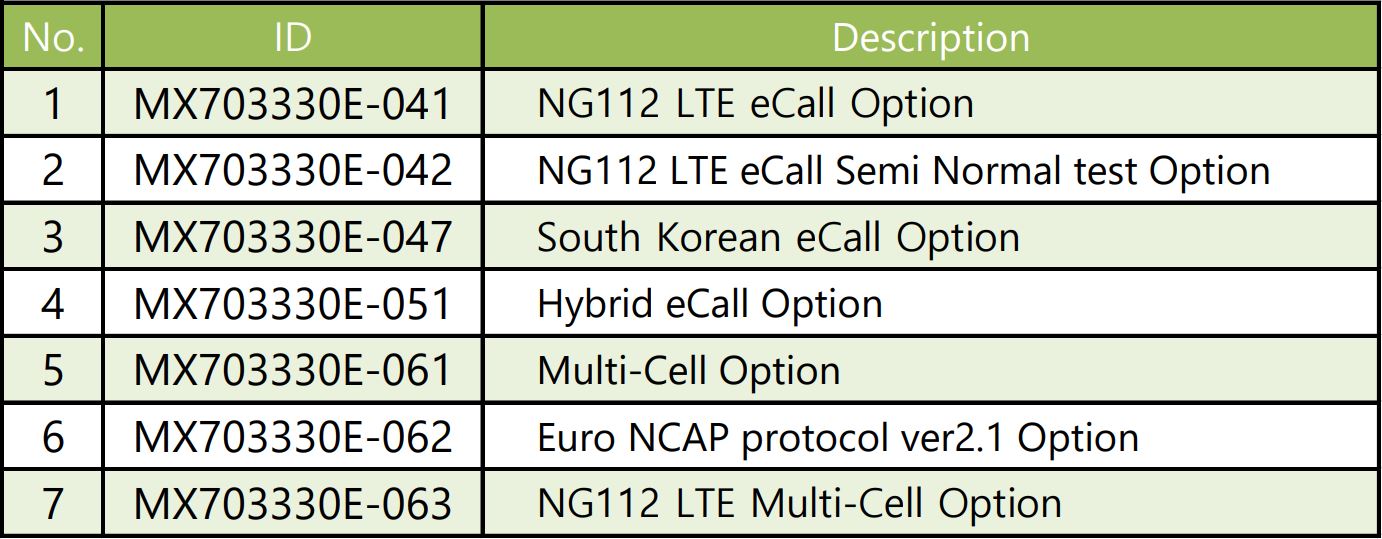
MX703330E 및 MD8475B 외 추가 안리쓰(Anritsu) 장비는 없다. 다만, 현재 보유하고 있는 옵션 구성은 아래와 같다.
■ 연구실 내 기존 시스템(예: 차폐 시험 챔버)과 ‘MX703330E’ 시험 장비를 구성하는 과정에서 어떤 어려움이 있었는지 궁금하다
프로그램의 설치는 안리쓰(Anritsu)에서 많은 도움을 줬다.
설치 과정 자체에 문제는 크게 없었으나 예상치 못했던 부분은 제공받은 장비 USIM이 Test Call을 지원하지 않았던 부분이다.
적합성 테스트 항목 및 제품 기능 평가 중 Test Call이 있었는데, Test Call 가능 USIM이 되도록 안리쓰(Anrtisu)에서 해결에 도움을 줬다.
그 외 기존 DCU 평가와 호환성 등 어려움은 발생하지 않았다.
■ 안리쓰(Anritsu)의 ‘MX703330E’ 시험 장비 설치 이후 연구개발 과정에서 어떤 개선이 있었는지, 가능하다면 개선율이나 작업 시간과 같은 수치도 궁금하다
정량적 지표가 별도로 없어 정성적 지표로만 말씀드리겠다.
1) 제품(DCU)와 평가 테스트 환경의 원활한 호환성
제품과 하드웨어 인터페이스 간 호환성이 잘 제공되어 평가 환경 구축에 어려움이 없었다. 또한 Hybrid eCall Option을 구매함으로써 연구소에서 안정적으로 반복 테스트를 수행할 수 있었고, 정상 환경 외에도 Semi-normal 환경을 구성하여 평가의 범위 확대, 유연성을 확보할 수 있었다.
2) 적합성 테스트 및 SW 평가 결과의 신속 대응
SSM 기능을 활용한 적합성 테스트 자동화로 네트워크 시뮬레이션을 자동화할 수 있었으며, 평가 결과와 신뢰할 수 있는 근거 자료를 신속하게 제공할 수 있었다.
3) 개발팀과의 오류 분석을 위한 명확한 로그 제공
버그 발생 시 Sequence log 및 Message log를 통해 단말 오류인지 장비 설정 문제인지 즉시 확인 가능했다. 이를 통해 단말 오류를 설계팀에 제공하여 원인 분석 및 해결 시간을 크게 단축할 수 있었다.
■ 안리쓰(Anritsu) 제품의 강점은 무엇이라고 생각하는지(MX703330E에만 한정되지 않음)
1) 높은 신뢰성
MD8475B는 플랫폼 출시 이후 오랜 기간 사용되며 안정성이 검증된 제품으로 알고 있다. 평가 과정에서 장비의 안정성 덕분에 단말 오류 분석에 더욱 집중할 수 있었다.
2) 우수한 기술 지원
설치 및 문제 해결 과정에서 전문적인 기술 지원을 제공하며, 장비 설정 및 사용 관련 문의에 대해 빠른 응답이 큰 장점이라고 생각한다. 특히 앞서 언급한 Test USIM 지원과 적합성 장비 검토 중 테스트 결과에 대한 객관적인 보고서 작성 툴 요청 시, 긍정적으로 검토해 주었고 실제로 보고서 생성 툴을 제공받을 수 있었다.
■ 앞으로의 제품 개발이나 서비스 측면에서 안리쓰(Anritsu)가 개선해야 할 부분에는 어떤 것들이 있다고 생각하는지(MX703330E에만 한정되지 않음)
1) 장비 사용 설정 및 배경지식 측면의 공식 오프라인 교육 제공 필요
현재는 담당자 방문 지원, 통화, 이메일, 매뉴얼을 통해 학습하고 있지만, 단편적인 이해에 그치는 경우가 있다. 종합적인 이해를 돕기 위해 실습 중심의 오프라인 교육과 퀵 가이드 문서가 제공된다면 매우 유용할 것이다. 이러한 교육은 해당 솔루션을 도입하려는 신규 업체에게 초기 셋업 시간을 단축하고, 장비 이해도를 높여 효율적인 활용에 기여할 것으로 생각된다.
2) Call drop 등 비정상적인 상황 네트워크 시뮬레이션 제공 필요
당사 제품은 네트워크 상황에 따른 비정상(Call Drop) 시나리오에 대한 로직을 적용하고 있으며, 이에 대한 평가를 진행하고 있다. 현재는 Cell 신호 세기를 약화시켜 Call Drop을 유도하는 방식으로 간접 평가를 하고 있지만, PSAP 측에서 Call 끊김을 인지하지 못하고 Call을 유지하는 부분이 있다. 이러한 비정상 상황을 MX703330E에서 직접 시뮬레이션할 수 있는 기능이 제공된다면 평가의 정확성과 효율성이 크게 향상될 것이다.
■ 이번 협업을 진행하시면서 특별히 인상 깊었던 경험이나 사례가 있었는지
1) Test USIM 빠른 지원
초기 평가 환경을 구축할 당시, 제공받은 USIM이 Test Call을 지원하지 않아 문제가 발생했다. 이로 인해 단말 SW 오류인지 장비 문제인지 원인 분석이 지연될 가능성이 있었지만, 안리쓰(Anritsu)에서 Test Call이 가능한 USIM이 별도로 필요함을 빠르게 확인하고 지원해 줬다. 덕분에 관련 평가를 차질 없이 진행할 수 있었고, 협업의 신속성과 전문성을 실감할 수 있었다.
2) 장비 로그 포함 보고서 생성 툴 제작
초기 적합성 테스트 결과 보고서는 인증 기관 혹은 유관 부서에 객관적으로 입증할 근거가 부족해 만족스럽지 못했다. 이에 보고서 개선을 요청드렸고, 안리쓰(Anritsu)는 요구사항을 반영했다. 특히 Hybrid eCall 옵션 펌웨어 납품 시 보고서 생성 툴을 업데이트하여 제공해 줬는데, 이로 인해 평가 결과를 명확하고 신뢰성 있게 제시할 수 있게 됐다. 이러한 대응은 협업의 가치를 높일 수 있었던 계기라고 생각한다.
■ 향후 현대모비스가 안리쓰(Anritsu)와 어떤 분야에서 더 협력하기를 기대하는지 궁금하다
1) 평가 자동화 확대 계획
현재는 수동 테스트 안정화를 우선 진행하고 있으며, 이후 SSM 기능을 활용해 자동화 평가가 가능한 영역을 중심으로 테스트 범위를 확장할 계획이다. 다만, MD8475B와 MX703330E를 동시에 제어할 수 없는 구조적 제한이 있어, 자동화 수준과 전략을 신중히 검토하고 있다. 이러한 고민은 향후 효율적인 테스트 프로세스를 구축하는 데 중요한 과제가 될 것이다.
2) 추가 평가 기능 활용 가능성 탐색
eCall 기능 외에도 SMS 전송, Throughput 측정 등 다양한 평가 기능을 제공하는 것으로 알고 있다. 아직 구체적인 기능을 확인하지는 못했지만, 장비 활용성을 극대화하기 위해 이러한 기능을 적극적으로 검토하고 있다. 이를 통해 평가 범위를 넓히고, 제품 성능을 다각도로 분석할 수 있는 기회를 확보하고자 한다.
한편 위 인터뷰와 관련한 케이스 스터디 PDF는 아래에서 다운로드 받을 수 있다.


Comments
Related news
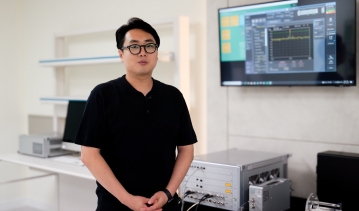
Park Se-ho, Director of RAPA IoT Technology Support Center, “Providing a test environment for 5G-A and 6G next-generation communication fields”
[Editor's Note] As the next-generation communications era begins, there is a need to establish infrastructure capable of testing and validating 5G-Advanced/6G technologies. Accordingly, the Korea Radio Promotion Association and Anritsu have begun collaborative efforts to build a verification environment for next-generation communications technologies. Anritsu has agreed with the Korea Radio Promotion Association (hereinafter RAPA) to collaborate on technology verification for the next-generation communications standards 5G-A/6G. To hear about the collaborative achievements of RAPA and Anritsu in promoting next-generation communications technology and industry development, we met with Park Se-ho, Director of RAPA's IoT Technology Support Center, and Lim Hyun-muk, Deputy Manager of Technical Support at Anritsu Corporation, to discuss cooperation with Anritsu.
2024.10.18by 권신혁 기자
Anritsu to present latest 6G connectivity line at MWC 2025
Anritsu Corporation will showcase a variety of solutions at the Mobile World Congress (MWC) 2025 booth 5D41 in Barcelona, including AI-based testing tools, virtualization solutions for accelerating UE protocol development, digital twin simulation environments for C-V2X, and NTN mobility device testing.
2025.02.05by 배종인 기자
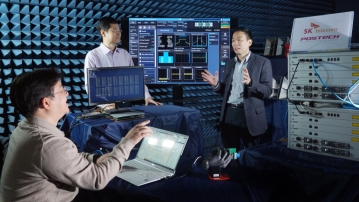
On-device AI improves smartphone communication quality
SK Telecom (CEO Yoo Young-sang) has successfully developed and demonstrated a technology that increases the number of antennas embedded in smartphones to enhance communication performance, in collaboration with Professor Hong Won-bin's team from the Department of Electrical Engineering at POSTECH (Pohang University of Science and Technology). In this demonstration conducted in a laboratory environment, SKT confirmed that data transmission speed was meaningfully improved under identical conditions as existing smartphones by utilizing measurement equipment from Anritsu, a global telecommunications measurement equipment company.
2025.02.06by 배종인 기자
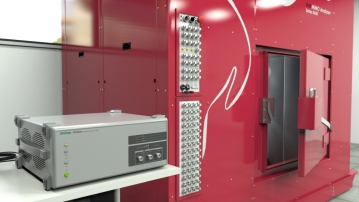
Anritsu Announces Wi-Fi 7 OTA Test Solution Supporting High-Speed Communications
EMITE and Anritsu announced an enhanced OTA (Over-the-Air) measurement solution on the 20th that conforms to the 2x2 MIMO specifications of the latest wireless LAN standard IEEE 802.11be.
2025.02.21by 명세환 기자
.jpg)
Anritsu to Take Responsibility for Compound Semiconductor MPW Process Reliability Testing
Anritsu, a leading global test and measurement equipment provider, has signed an MOU with the Compound Semiconductor Research Center (CSRC) at Mokpo National University (President Song Ha-chul), taking responsibility for reliability testing in the final stage of Korea's first compound semiconductor MPW (Multi-Project Wafer) process. To support this initiative, Anritsu is providing high-performance measurement equipment valued at approximately 1.5 billion won to Mokpo National University's Compound Semiconductor Research Center.
2025.02.27by 권신혁 기자











