


[Interview] Ha Byung-woo, President of Nordic Semiconductor Korea: "Long-term partnerships and integrated platforms will drive innovation and growth in healthcare, ESL, and IoT."
 Published2026.01.19 12:05
설계 복잡도·개발 리스크 줄여, 개발 기간 단축·양산 단계 겪는 문제 함께 해결
[편집자주]하병우 노르딕 세미컨덕터(Nordic Semiconductor) 코리아 지사장은 지난 2024년 7월 취임 이후 1년 반 동안 한국 시장을 경험하며, 한국이 기술 수용 속도와 요구 수준에서 세계 최고임을 다시금 실감했다며 단순한 반도체 공급을 넘어 고객과 장기적 파트너십을 구축하는 전략을 펼치고 있다고 밝혔다. 2025년에는 영업망 확대와 헬스케어·ESL 등 주요 분야에서 성과를 거뒀고, 2026년에는 웨어러블·셀룰러(Cellular) IoT 등 차세대 포트폴리오와 통합 플랫폼 전략을 통해 시장 지배력 강화와 신규 성장 동력 확보에 집중할 계획이다. 이에 본지는 하병우 노르딕 세미컨덕터 코리아 지사장과의 인터뷰를 통해 한국 시장에서의 노르딕의 활동과 성과에 대해 들어보는 자리를 마련했다.
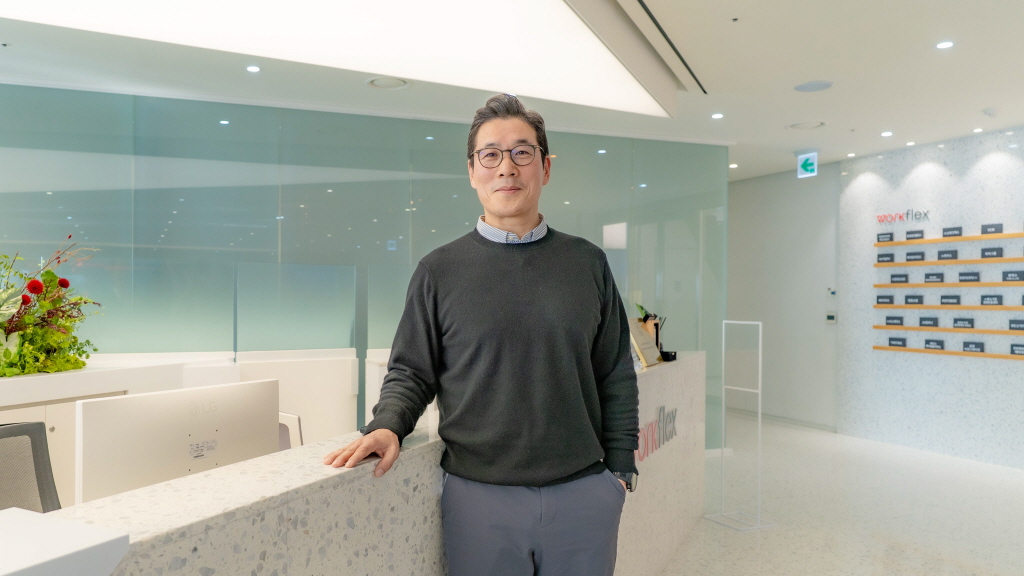
▲하병우 노르딕 세미컨덕터 코리아 지사장
■ 한국 지사장으로 부임한 지 약 1년 반이 지났다. 노르딕에서 한국 시장을 경험하시면서 느낀 점과, 취임 당시와 비교해 달라진 부분이 있다면 말씀을 부탁드린다
2024년 7월 부임 이후 벌써 1년 반이 지났다. 그동안 한국 시장을 경험하며 다시 한번 절감한 것은, 한국은 역시 기술 수용 속도나 요구 수준이 세계 최고라는 점이다.
단순히 반도체 칩만 공급받는 게 아니라, 제품의 완성도부터 장기적인 로드맵까지 함께 고민해 주길 원하는 아주 밀도 높은 시장이다.
제가 취임했던 시점은 노르딕이 기존의 저전력 무선 기술 리더십을 기반으로 포트폴리오를 확장하며, 단일 기술 중심에서 ‘플랫폼 기업’으로 도약하던 중요한 시기였다.
이에 따라 지난 1년 반 동안 한국 시장에서도 의미 있는 변화가 가속화됐다.
이전에는 개별 무선 기술이나 특정 제품 위주의 논의가 주를 이뤘다면, 이제는 제품 기획 초기 단계부터 시스템 구조와 장기적인 제품 로드맵까지 함께 논의하는 흐름이 확고하게 자리 잡았다.
실제로 이러한 긴밀한 협력을 통해, 헬스케어 분야의 주요 고객사가 내년에는 저희의 Top 5 매출처로 진입할 것으로 예상될 만큼 큰 성장을 이뤘고, 글로벌 모바일 제조사의 차세대 웨어러블 제품에도 저희 최신 칩셋이 채택(Design-win)되어 출시를 앞두고 있는 등 실질적인 결실로 이어지고 있다.
이러한 변화들은 노르딕이 단순한 반도체 공급업체를 넘어, 고객의 제품 전략을 함께 고민하는 ‘장기적인 기술 파트너’로 인식되고 있다는 확실한 신호라고 생각다.
앞으로도 한국 고객들의 목소리를 본사 전략에 적극 반영해, 노르딕의 차세대 기술이 한국 시장에서 가장 먼저 혁신적인 가치로 전달될 수 있도록 최선을 다하겠다.
■ 글로벌 시장과 비교했을 때, 한국 시장만의 특징이나 요구사항은 무엇이라고 보는지
한국 시장은 글로벌 시장과 비교했을 때 기술 도입 속도가 매우 빠르고, 제품의 완성도와 신뢰성에 대한 요구 수준이 특히 높은 것이 특징이다.
단순히 최신 기술을 적용하는 데서 그치지 않고, 실제 양산 환경에서의 안정성 검증과 장기적인 공급 지속성까지 중요한 판단 기준으로 삼는다.
또한 개발 초기 단계부터 반도체 업체가 깊이 관여해 문제를 함께 해결하고, 로드맵까지 공유하는 협업 형태를 기대하는 경우가 많다.
이런 점에서 한국 시장은 가격 경쟁력보다는 기술력, 지원 역량, 그리고 파트너십의 깊이가 성패를 좌우하는 매우 성숙한 시장이라고 보고 있다.
한국 고객들은 단순한 부품 공급업체가 아니라, 장기적인 관점에서 함께 성장할 수 있는 기술 파트너를 찾고 있으며, 이는 노르딕의 플랫폼 전략과도 잘 맞는 부분이라고 보고 있다.
■ 2025년 한국 시장에서 노르딕 세미컨덕터가 의미 있게 달성했다고 평가할 수 있는 성과에는 어떤 것들이 있다고 보는지
2025년에는 한국 시장에서의 사업 확장을 위해 기존 3개 대리점에 더해 2개의 대리점을 추가하며 영업 및 기술 지원 체계를 한층 강화했다.
또한 대형 고객사의 요구 사항을 반영해 신규 칩을 설계하고 샘플을 공급했으며, 현재 실제 제품 개발 단계로 이어지고 있다는 점도 의미 있는 성과다.
그동안 가격 경쟁력 측면에서 접근이 쉽지 않았던 ESL 애플리케이션의 경우에도, 한국 시장의 요구를 본사에 직접 전달해 ESL에 최적화된 신규 칩을 로드맵에 반영했다.
해당 제품은 올 하반기 출시를 앞두고 있다.
아울러 그동안 도어락과 응원봉 중심이었던 매출 구조에서 벗어나, 대형 헬스케어 고객사 발굴과 디자인 윈을 통해 헬스케어 분야가 기존 핵심 애플리케이션에 버금가는 매출 기반을 마련한 한 해이기도 했다.
이를 바탕으로 올해는 헬스케어가 노르딕 한국 사업의 주요 애플리케이션으로 본격 등장하는 첫해가 될 것으로 기대하고 있다.
■ 2026년, 노르딕 세미컨덕터 코리아가 한국 시장에서 중점적으로 추진할 활동과 전략적 방향성은
2026년은 노르딕 코리아가 ‘시장 지배력을 굳히고 신규 성장 동력을 현실화하는 해’가 될 것이다.
크게 세 가지 방향으로 말씀드리고 싶다.
첫째로, 영업망 확대와 핵심 프로젝트의 성공적인 안착에 집중하겠다.
2026년에는 기존 3개 대리점을 통한 매출 성장을 극대화하는 동시에, 새롭게 추가된 2개 대리점이 조기에 시장에 안착할 수 있도록 영업과 기술 지원을 적극적으로 강화할 계획이다.
이를 통해 한국 시장 전반에서 노르딕의 접근성과 파트너 커버리지를 한층 확대하고자 한다.
또한 차세대 저전력 무선 플랫폼 기반의 신규 저가형 라인업을 앞세워 ESL 시장도 다시 적극 공략할 계획이다.
또한 보안상 이름을 밝힐 수는 없지만 글로벌 제조사의 차세대 웨어러블 제품에 노르딕의 최신 칩셋이 채택됐는데, 이 제품이 성공적으로 런칭 될 수 있도록 모든 기술 역량을 지원할 예정이다.
둘째로, 애플리케이션별로 타겟을 명확히 한 성장을 추진하겠다.
웨어러블 패치 타입에 특화된 SKU인 nRF54LV10A를 중심으로 국내 헬스케어 고객사에 대한 프로모션과 디자인 윈 활동을 적극 추진해, 헬스케어를 주요 매출 애플리케이션으로 성장시켜 나갈 계획이다.
또한 현재 진행 중인 Cellular IoT 제품인 nRF9151의 국내 통신사 인증을 완료해, 국내 고객들이 내수용 제품에 보다 수월하게 적용할 수 있도록 기술 및 사업적 지원을 지속해 나갈 예정이다.
마지막으로 하드웨어를 넘어선 통합 플랫폼 리더십을 보여드리겠다.
아울러 본사 차원에서 전략적으로 추진 중인 Edge AI 이니셔티브인 Neuton AI 와 nRF54LM20B, 그리고 Device Management & Observability 솔루션인 Memfault (nRFClould Lifecycle Service)를 한국 시장에 본격적으로 소개해 고객들의 제품 경쟁력과 운영 효율성을 높이는 데 기여하고자 한다.
▲뉴튼.AI(Neuton.AI)를 인수해 클라우드 기반 AI 기능을 강화했다.
이와 함께 전시회 참가와 기술 세미나 개최를 한층 확대해, 노르딕의 기술과 포트폴리오를 더 많은 고객들에게 알리는 활동도 적극 추진할 예정이다.
특히 오는 3월17일 ‘Nordic Tech Tour’ 행사를 통해 국내 주요 고객들을 초청하고, 최근 크게 확장된 노르딕의 제품군과 기술을 소개함으로써 새로운 협업 기회를 만들어 나갈 계획이다.
■ 2026년을 기준으로 볼 때, 한국 시장에서 특히 성장 가능성이 크다고 판단하는 산업이나 애플리케이션 분야는 어디라고 보는지 궁금하다
2026년을 기준으로 볼 때, 한국 시장에서는 헬스케어, ESL, 그리고 Cellular IoT를 포함한 산업용 IoT 분야에서 특히 높은 성장 가능성을 보고 있다.
고령화와 원격 모니터링 수요 확대에 따라 웨어러블·패치형 디바이스를 중심으로 한 헬스케어 시장은 기술과 규제가 동시에 성숙 단계에 접어들고 있다.
또한 유통·물류 현장의 디지털 전환이 가속화되면서 ESL 시장 역시 가격 경쟁력을 갖춘 저전력 무선 솔루션에 대한 수요가 빠르게 확대되고 있다.
여기에 더해 국내 통신 인프라와 제도 환경이 안정화되면서 Cellular IoT 기반의 내수향 제품 개발도 본격화될 것으로 예상된다.
이러한 애플리케이션들은 공통적으로 저전력, 안정성, 보안, 그리고 장기 공급이 중요하다는 점에서 노르딕의 기술 경쟁력이 가장 잘 발휘될 수 있는 분야라고 생각한다.
■ 최근 nRF54 시리즈를 비롯해 노르딕의 차세대 무선 SoC 포트폴리오가 빠르게 확장되고 있다. 이러한 제품들이 한국 시장에서는 어떤 기회를 만들고 있다고 보는지
nRF54L 시리즈는 현재 4개의 variant가 이미 양산 중이며, 올해 안에 더 많은 수의 추가 variant가 양산 출시될 예정으로 포트폴리오가 빠르게 확장되고 있다.
초저가형 제품부터 NPU가 내장된 Edge AI형 SoC까지 폭넓은 라인업을 갖추게 되면서, 그동안 접근이 쉽지 않았던 시장 세그먼트까지 대응할 수 있는 기반을 마련했다.
이를 통해 한국 시장에서도 단일 제품군으로 다양한 가격대와 성능 요구를 충족할 수 있게 됐고, 헬스케어, ESL, 산업용 IoT 등 여러 애플리케이션에서 보다 적극적인 사업 확장이 가능해질 것으로 보고 있다.
2026년은 이러한 확장된 포트폴리오를 바탕으로, 더 많은 응용처와 고객에게 노르딕의 가치를 전달하는 한 해가 될 것으로 기대하고 있다.
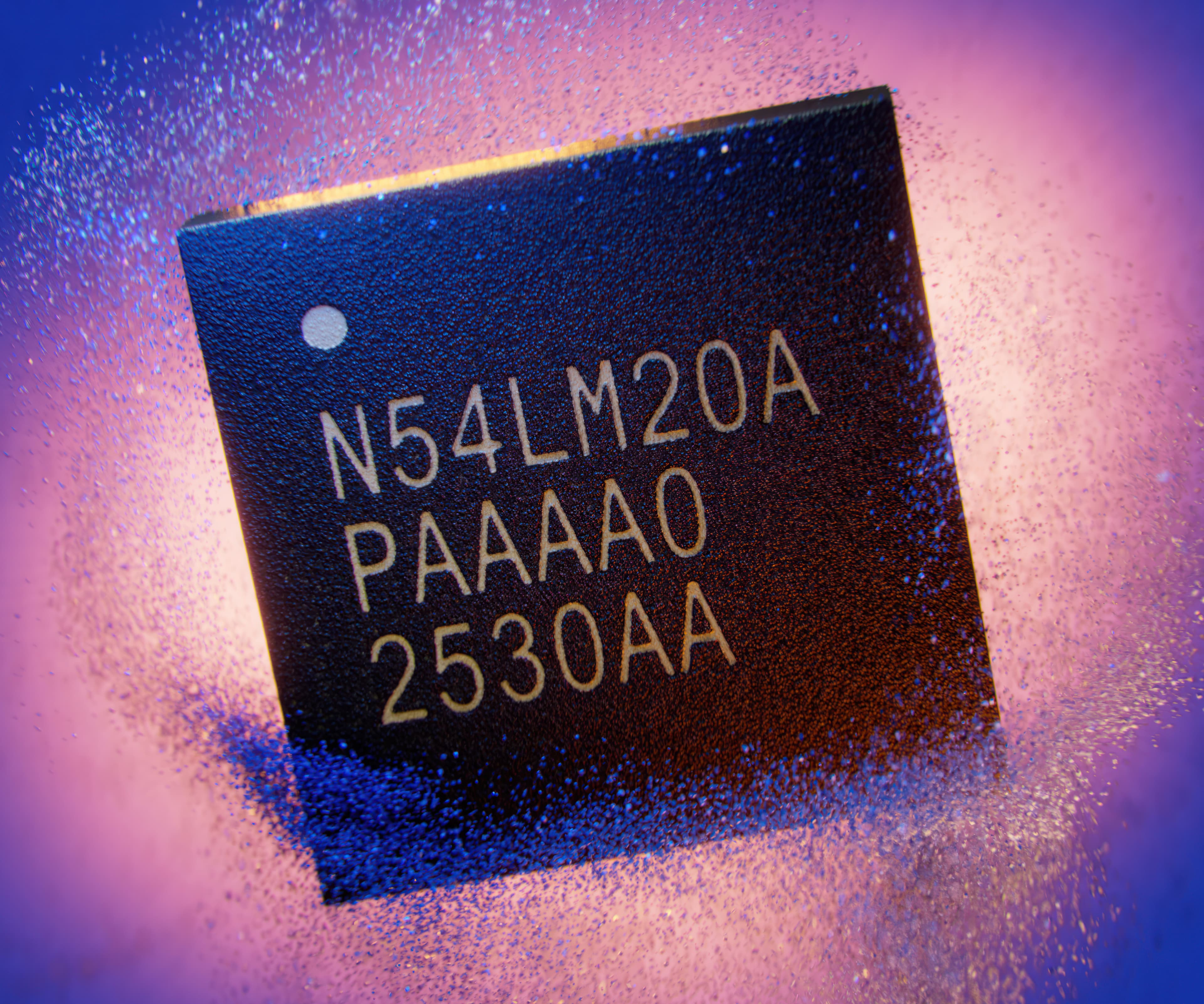
▲노르딕 nRF54LM20A
■ 저전압 블루투스 LE, 셀룰러 IoT, Wi-Fi, 전력관리 IC 등으로 이어지는 노르딕의 포트폴리오 확장은 고객들에게 어떤 실질적인 이점을 제공하고 있는지 알고 싶다
노르딕의 포트폴리오 확장은 단순히 제품 수를 늘리는 것이 아니라, 고객이 하나의 플랫폼 안에서 다양한 연결 기술과 전력 관리까지 통합적으로 설계할 수 있게 해 준다는 점에 가장 큰 의미가 있다.
저전력 Bluetooth LE부터 Cellular IoT, Wi-Fi, 전력관리 IC까지 이어지는 라인업을 통해 고객들은 애플리케이션에 맞는 최적의 조합을 선택하고, 설계 복잡도와 개발 리스크를 동시에 줄일 수 있다.
또한 공통된 소프트웨어 환경과 보안·디바이스 관리 체계를 활용함으로써 개발 기간을 단축하고, 양산 이후 운영과 유지보수까지 고려한 제품 설계가 가능해진다.
결과적으로 고객들은 단일 반도체 공급업체를 넘어, 제품 기획부터 출시, 운영까지 함께할 수 있는 장기적인 기술 파트너를 확보하는 실질적인 이점을 얻고 있다고 생각한다.
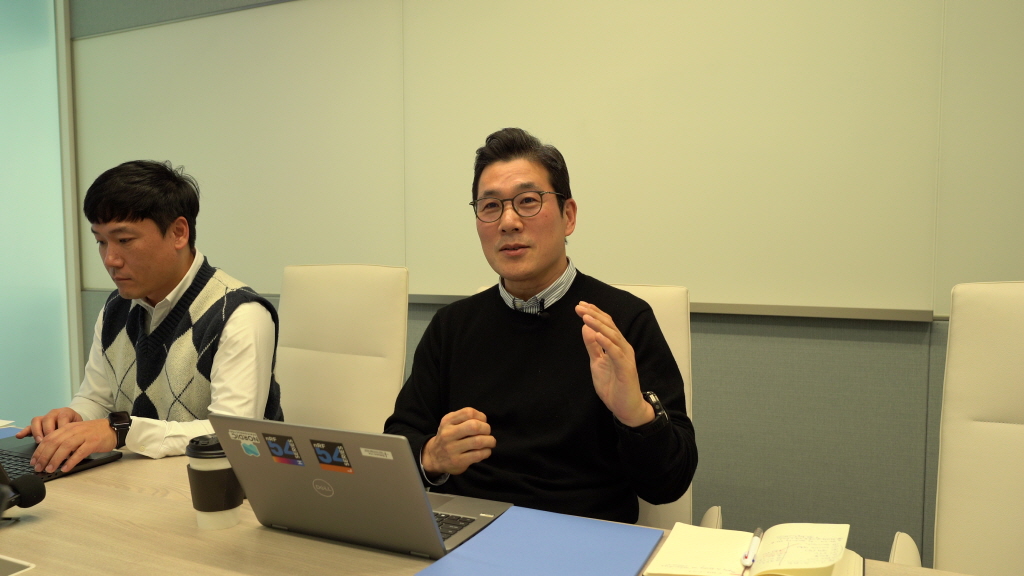
▲하병우 노르딕 세미컨덕터 코리아 지사장이 인터뷰에서 기자의 질문에 답하고 있다.
■ 노르딕은 하드웨어뿐 아니라 소프트웨어, 개발 툴, 클라우드까지 아우르는 접근 방식을 강조하고 있다. 이러한 통합 전략이 한국 개발자 및 기업들에게 어떤 가치를 제공한다고 보는지
노르딕의 통합 전략은 하드웨어 성능 경쟁을 넘어, 개발자와 기업이 제품을 보다 빠르고 안정적으로 시장에 출시할 수 있도록 돕는 데 초점이 맞춰져 있다.
반도체, 소프트웨어, 개발 툴, 그리고 클라우드 연계까지 하나의 일관된 환경으로 제공함으로써 개발 복잡도를 줄이고, 초기 설계부터 양산 이후 운영까지 전 과정에서 리스크를 최소화할 수 있다.
특히 개발 자원이 제한적인 국내 중소기업이나 스타트업의 경우, 검증된 소프트웨어 스택과 보안, 디바이스 관리 환경을 활용함으로써 개발 기간을 단축하고 글로벌 시장을 겨냥한 제품을 보다 효율적으로 준비할 수 있다.
이러한 통합 접근 방식은 한국 고객들이 기술 자체보다는 제품 경쟁력과 서비스 가치에 더 집중할 수 있도록 하는 기반을 제공한다고 생각한다.
■ IoT 및 저전력 무선 시장이 빠르게 성장하면서 경쟁도 치열해지고 있다. 이러한 환경 속에서 노르딕이 지속적으로 경쟁력을 유지할 수 있는 핵심 요소는 무엇이라고 보는지 또한 노르딕 세미컨덕터 코리아가 수행하고자 하는 역할은 무엇인지 궁금하다
IoT 및 저전력 무선 시장에서 경쟁이 심화할수록, 단순한 사양이나 가격 경쟁만으로는 지속적인 경쟁력을 유지하기 어렵다고 보고 있다.
노르딕의 핵심 경쟁력은 저전력 무선 기술에 대한 오랜 전문성과 안정적인 품질, 그리고 하드웨어부터 소프트웨어, 보안, 디바이스 관리까지 아우르는 통합 플랫폼 역량에 있다.
특히 고객이 실제 양산과 운영 단계에서 겪는 문제를 함께 해결할 수 있는 기술 지원과 장기적인 제품 공급 전략은 노르딕이 차별화되는 중요한 요소다.
이러한 기반 위에서 노르딕은 고객이 빠르게 변화하는 시장 환경 속에서도 안정적으로 제품을 확장하고 글로벌 시장에 진출할 수 있도록 돕고 있다.
노르딕 세미컨덕터 코리아는 이러한 글로벌 경쟁력을 한국 시장에 가장 효과적으로 연결하는 역할을 수행하고자 한다.
한국 고객의 요구를 가장 빠르게 이해하고 이를 본사 전략과 제품 로드맵에 반영함으로써, 노르딕이 한국 시장에서 단기 성과뿐 아니라 장기적인 신뢰와 파트너십을 구축하는 데 기여하는 것이 핵심 역할이라고 생각한다.
■ 한국 시장에서 노르딕 솔루션이 적용되어 의미 있는 성과를 낸 대표적인 사례와 이러한 사례들의 공통적인 성공 요인은 무엇인지 궁금하다. 또한 이러한 성과가 향후 한국 시장 전략에 어떠한 방향성을 제시하고 있다고 보는지
한국 시장에서는 도어락과 응원봉을 비롯해 최근에는 헬스케어 웨어러블과 ESL 분야까지 노르딕 솔루션이 실제 양산과 의미 있는 시장 성과로 이어지는 사례들이 꾸준히 늘고 있다.
이들 사례의 공통적인 성공 요인은 저전력과 안정적인 무선 성능뿐 아니라, 개발 초기 단계부터 고객 개발자들과 긴밀히 협업하며 문제를 함께 해결해 온 점에 있다.
특히 타 경쟁사와 비교했을 때, 고객사 개발자들은 Nordic Connect SDK를 중심으로 한 개발 환경의 완성도와 사용 편의성, 그리고 국내 FAE의 신속하고 밀착된 기술 지원을 노르딕의 가장 큰 차별화 요소로 평가하고 있다.
단순한 기술 문의 대응을 넘어, 실제 코드 레벨과 시스템 설계 단계까지 함께 지원하는 점이 개발 속도와 양산 안정성에 크게 기여하고 있다.
이러한 경험은 한국 시장에서 하드웨어 중심 경쟁이 아닌, 개발자 경험과 현지 기술 지원 역량이 제품 성공을 좌우한다는 방향성을 분명히 보여주고 있다.
노르딕 세미컨덕터 코리아는 앞으로도 개발자와 가장 가까운 기술 파트너로서, 헬스케어·ESL·산업용 IoT 등 핵심 성장 분야에서 고객의 성공을 함께 만들어 가는 역할을 지속적으로 강화해 나갈 계획이다.
■ 마지막으로 한국 시장의 고객과 파트너, 그리고 개발자들에게 전하고 싶은 메시지가 있다면 한 말씀 부탁드린다
그동안 노르딕 세미컨덕터 코리아를 신뢰하고 함께해 주신 한국의 고객과 파트너, 그리고 개발자 여러분께 진심으로 감사드린다.
한국 시장은 항상 높은 기술적 기준과 빠른 실행력을 요구해 왔고, 그 과정에서 여러분과의 협업이 노르딕의 기술과 전략을 더욱 단단하게 만들어 주었다고 생각한다.
앞으로도 노르딕은 단순한 반도체 공급업체를 넘어, 개발자와 가장 가까운 기술 파트너로서 제품 기획부터 양산, 그리고 운영 단계까지 함께 고민하고 지원해 나가겠다.
한국 시장에서 여러분의 도전과 혁신이 글로벌 성공으로 이어질 수 있도록, 신뢰받는 장기 파트너로 계속 함께하겠다.
| 노르웨이 트론헤임에 본사를 둔 팹리스 기업 노르딕 세미컨덕터(Nordic Semiconductor)는 초저전력 무선 기술을 기반으로 하드웨어부터 소프트웨어, 클라우드 서비스까지 아우르는 ‘토탈 솔루션 프로바이더’다. 1983년 설립 이후 독자 기술을 바탕으로 성장해 온 노르딕은 현재 약 1,500명의 직원을 두고 글로벌 시장에서 영향력을 확대하고 있다. 노르딕은 반도체 설계뿐 아니라 제품 개발 전 과정의 라이프사이클을 지원하는 것이 특징이다. 자체 설계한 IC와 펌웨어, 테스트 플랫폼, 그리고 디바이스 데이터를 수집·관리할 수 있는 클라우드 서비스까지 통합 제공하며 고객사의 개발 기간을 크게 단축하고 있다. 최근에는 멤폴트(Memfault)와 뉴튼.AI(Neuton.AI)를 인수해 클라우드 기반 AI 기능을 강화했다. 제품 포트폴리오 역시 시장 요구에 맞춰 확장해 왔다. 초기 숏레인지 무선 제품군에서 출발해 장거리 통신 수요에 대응한 셀룰러 ‘nRF91 시리즈’, 와이파이 6 기반 ‘nRF70 시리즈’를 잇달아 출시했다. 초저전력 기술을 기반으로 한 파워 매니지먼트 IC(PMIC)도 별도 제품군으로 제공하며 선택 폭을 넓혔다. 최근에는 성능 향상과 전력 효율 개선을 위해 기존 55나노 공정에서 22나노 공정으로 전환해 차세대 제품 개발에 속도를 내고 있다. 노르딕은 개발자 지원에도 적극적이다. 전 세계에서 가장 활발한 IC 벤더 커뮤니티로 평가받는 ‘데브존(DevZone)’과 온라인 교육 플랫폼 ‘데브 아카데미(DevAcademy)’를 운영하며 24시간 학습 환경을 제공한다. 일부 대학에서는 정식 강좌로 채택될 만큼 교육 콘텐츠의 완성도도 높다는 평가다. 유진혁 노르딕 세미컨덕터 코리아 이사는 “하드웨어, 소프트웨어, 앱, 클라우드, 테스트 툴까지 아우르는 종합 생태계를 통해 고객이 빠르게 제품을 시장에 내놓을 수 있도록 지원하고 있다”며 “AI와 차세대 공정 기반 제품을 통해 글로벌 시장을 선도하겠다”고 말했다. 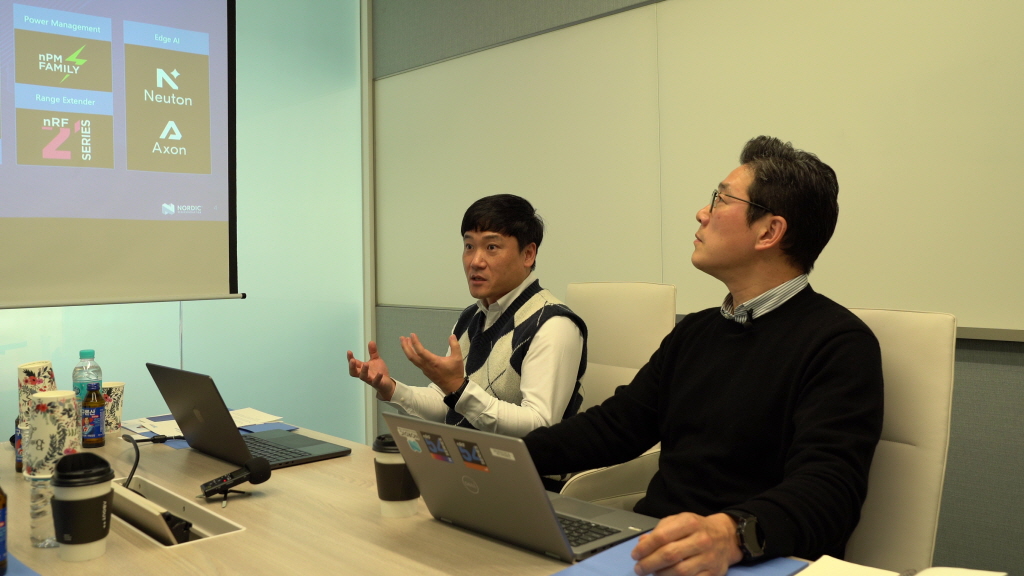 ▲유진혁 노르딕 세미컨덕터 코리아 이사가 노르딕에 대해 소개하고 있다. |

Comments
Related news
Nordic Announces Support for Samsung's SmartThings Find SDK, Accelerating Global Location Tracking Market Conquest
Nordic Semiconductor, a global leader in low-power wireless connectivity technology, has begun full-scale support for the Samsung SmartThings Find SDK, taking steps to popularize IoT-based location tracking technology and secure competitiveness in the global market.
2025.09.04by 명세환 기자
Nordic Semiconductor Unveils Next-Generation Wireless SoC, 'nRF54LM20A', for New Horizons in Connected Product Development
Nordic Semiconductor, a global leader in low-power wireless connectivity technology, has opened a new horizon in connected product development by adding a new model 'nRF54LM20A' to its nRF54L series, a high-capacity memory-based wireless SoC product line designed for advanced Bluetooth LE and Matter applications.
2025.09.22by 명세환 기자
Nordic Successfully Establishes IoT Connection Based on Low-Earth Orbit Satellites, Achieving Global Coverage
Nordic Semiconductor, a global leader in low-power wireless connectivity technology, has successfully collaborated with Sateliot and Gatehouse Satcom to achieve LEO (Low Earth Orbit) satellite-based IoT connectivity, setting an important milestone in the NTN (Non-Terrestrial Network) communications field. This success realizes C2C (Chip-to-Cloud) communication between Nordic's nRF9151 cellular IoT module, Sateliot's satellite network, and the nRF Cloud platform, demonstrating the potential to extend IoT coverage to remote areas on Earth.
2025.10.14by 명세환 기자
Nordic wins Cloud Computing Innovation Award for its technological prowess and market influence with nRF Cloud.
Nordic Semiconductor, a global leader in low-power wireless connectivity solutions, has won the "Cloud Computing Innovation of the Year" award at the "2025 Mobile Breakthrough Awards" with its "nRF Cloud powered by Memfault" platform.
2025.10.27by 명세환 기자
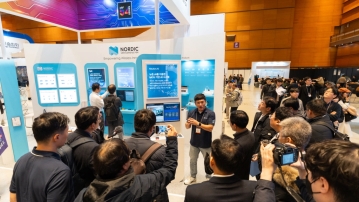
Nordic demonstrates its leadership in low-power, high-performance wireless solutions at AIoT Korea 2025.
Nordic Semiconductor, a global leader in low-power wireless connectivity solutions, unveiled a range of innovative wireless technologies that will lead the next-generation AIoT market at 'AIoT Korea 2025', South Korea's largest intelligent Internet of Things exhibition, held from November 26 to 28 at COEX in Samseong-dong, Seoul. At this event, Nordic showcased core technologies supporting the AIoT ecosystem including Bluetooth® LE, Channel Sounding, Matter, LTE, Wi-Fi, cloud platforms, and AI, once again demonstrating its technological leadership in the low-power, high-performance wireless solutions sector.
2025.11.27by 배종인 기자











