


Semicon Korea 2026 Opens… A Signal for a Major Transformation of the Semiconductor Industry in the AI Era
 Published2026.02.12 07:34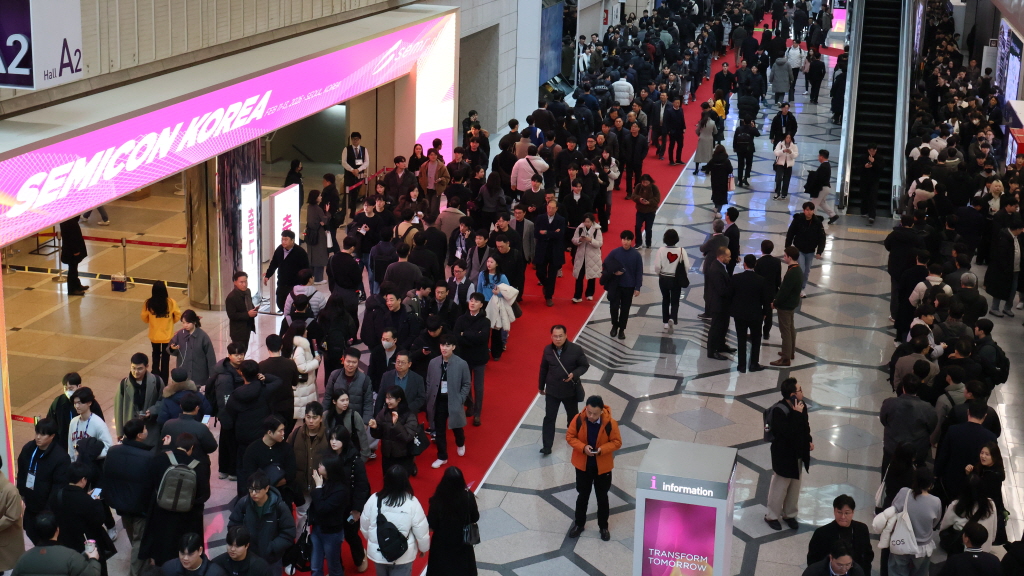
▲세미콘 코리아 2026에 수 많은 참관객들이 찾았다.
반도체 산업 현재·미래를 동시 확인할 수 있는 자리로 자리매김
인공지능(AI) 시대를 맞아 급변하는 반도체 산업의 흐름과 미래 전략을 한눈에 보여주는 자리가 마련됐다.
국내 최대 반도체 전시회인 세미콘 코리아 2026(SEMICON KOREA 2026)이 11일 서울 삼성동 코엑스에서 개막했다.
이번 행사는 역대 최대 규모로 열리며, 전 세계 550개 기업이 참가해 총 2,400개가 넘는 부스를 구성했다. 사전 등록자 수는 7만5,000명을 넘어섰으며, 주최 측은 공식 방문객 수가 7만 명 이상에 이를 것으로 내다보고 있다. 이는 국내 반도체 산업 종사자 약 13만 명 가운데 절반 이상이 행사장을 찾는 셈이다.
차지현 SEMI Korea 대표이사는 개막 기자간담회에서 “세미콘 코리아 2026은 서울 코엑스에서 열리는 전시회 가운데 최대 규모이자, 한국 반도체 산업 역사상 가장 큰 행사”라며 “반도체 산업의 현재와 미래를 동시에 확인할 수 있는 자리”라고 강조했다.
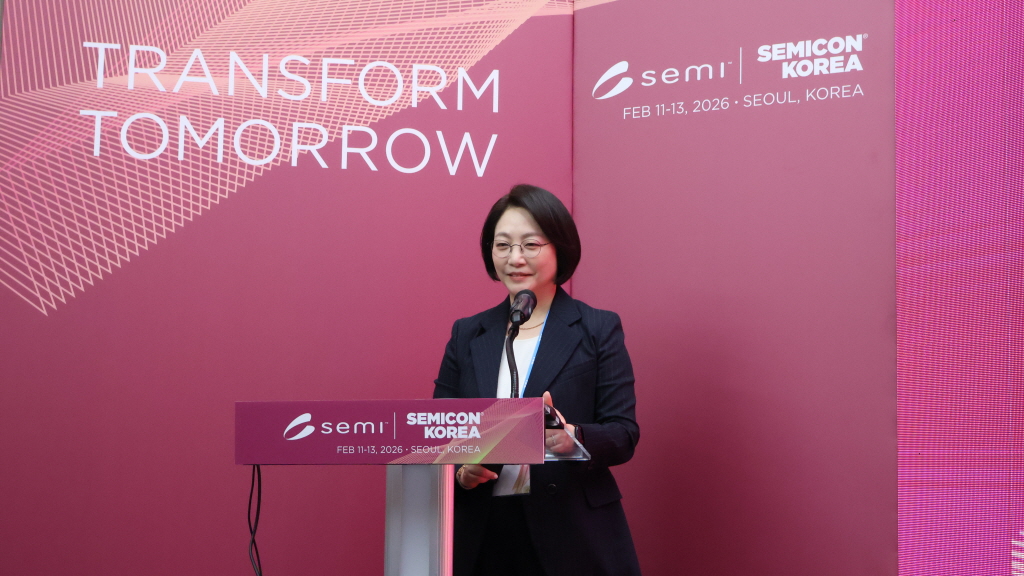
▲차지현 SEMI Korea 대표이사
이번 세미콘 코리아의 핵심 키워드는 단연 AI다. AI 확산으로 반도체 수요 구조 자체가 근본적으로 변화하고 있다는 점이 여러 발표를 통해 공통적으로 제시됐다.
이세철 씨티그룹 전무는 “반도체 산업은 PC, 모바일을 거쳐 이제 AI 시대로 진입했다”며 “AI는 기존과 달리 병렬 연산 구조를 요구하며, 이에 따라 메모리와 로직 반도체의 결합이 더욱 중요해지고 있다”고 설명했다.
그는 특히 AI 서버 확산으로 HBM(고대역폭 메모리) 수요가 폭발적으로 증가하고 있으며, 이 흐름이 최소 두 번 이상의 메모리 슈퍼사이클로 이어질 가능성이 높다고 분석했다.
실제로 AI 서버에서는 메모리가 프로세서 바로 옆에 배치되는 구조가 일반화되고 있으며, 이로 인해 메모리 사용량과 대역폭 요구 수준이 과거와 비교할 수 없을 정도로 커지고 있다.
이세철 전무는 “HBM은 다이 크기가 커지면서 원가 부담이 증가하고 있지만, AI 시대에는 고부가가치 메모리로서 가격 프리미엄이 유지될 수밖에 없다”고 말했다.
반도체 경쟁의 무게중심이 전공정뿐 아니라 후공정과 소재·장비 영역으로 확대되고 있다는 점도 이번 행사에서 분명히 드러났다.
클락 청 SEMI 이사는 “AI 반도체 시대에는 전공정과 후공정의 경계가 허물어지고, 첨단 패키징과 하이브리드 본딩 기술의 중요성이 급격히 커지고 있다”고 진단했다.
실제로 이번 세미콘 코리아에서 가장 높은 관심을 받은 컨퍼런스는 첨단 패키징 세션으로, 삼성전자와 SK하이닉스를 비롯한 주요 기업들이 대거 연사로 참여했다.
반도체 성능 향상의 핵심이 단순 미세화가 아닌, 패키징과 집적 기술로 이동하고 있음을 보여주는 대목이다.
이번 행사에서는 한국 반도체 산업의 위상 변화도 두드러졌다.
참가 기업 가운데 한국 기업 비중은 약 60%로, 해외 기업(40%)을 처음으로 앞질렀다. 연사 구성 역시 한국과 해외 비율이 6대4로 나타났다.
또한 인텔, 마이크론, 소니, 키옥시아 등 글로벌 반도체 기업들이 한국 소재·부품·장비 기업과의 구매 상담회를 진행하며, 3일간 약 80건의 비즈니스 매칭이 이뤄질 예정이다. 이는 한국이 단순 생산기지를 넘어 글로벌 반도체 공급망의 핵심 파트너로 자리 잡고 있음을 보여준다.
SEMI는 올해 세미콘 코리아의 주제를 ‘Transform Tomorrow’로 정했다. AI를 중심으로 반도체 산업이 구조적 전환기에 들어섰다는 판단에서다.
차지현 대표는 “반도체는 이제 모든 미래 산업의 기반 기술”이라며 “세미콘 코리아 2026은 그 변화의 방향을 가장 먼저 보여주는 무대가 될 것”이라고 말했다.
세미콘 코리아 2026은 오는 13일까지 사흘간 열리며, 전시와 함께 30여 개의 기술 컨퍼런스와 200여 명의 연사가 참여하는 다양한 프로그램이 진행된다. AI 시대 반도체 산업의 향방을 가늠할 중요한 분기점이 될 것으로 업계의 관심이 집중되고 있다.
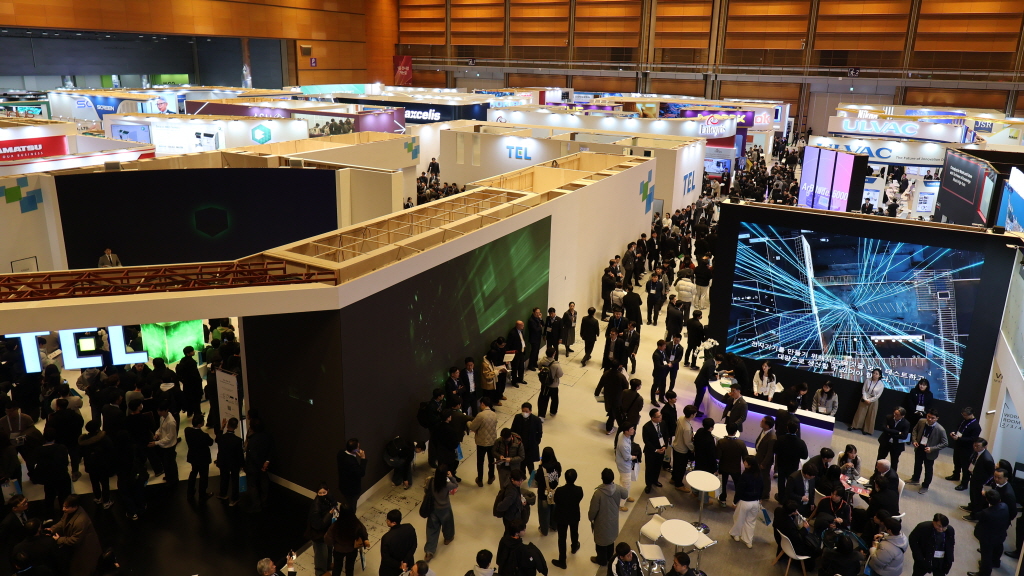
▲세미콘 코리아 2026 전경

Comments
Related news
.jpg)
Applied Materials to Unveil Energy-Efficient AI Semiconductor Technology at SEMICON Korea 2026
Applied Materials Korea, a leader in advanced semiconductor and display materials engineering solutions worldwide, will participate in 'Semicon Korea 2026' held at Seoul COEX from February 11 to 13, and will unveil key technologies for energy-efficient AI computing.
2026.01.29by 배종인 기자
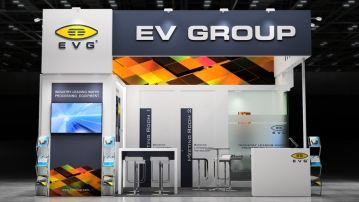
EVG Unveils Advanced Memory and Packaging Process Solutions at Semicon Korea 2026
EV Group (EVG) will participate in 'Semicon Korea 2026' held at Seoul COEX from February 11 to 13, showcasing key process technologies for advanced memory semiconductors and next-generation packaging.
2026.02.10by 배종인 기자
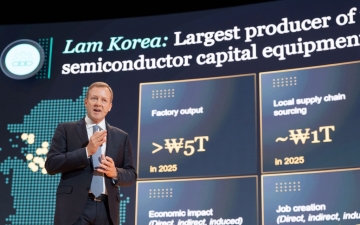
Lam Research Presents Strategy on 'Essential Condition for Speed Innovation' at Semicon Korea 2026
Lam Research unveiled its "Velocity Imperative" strategy at the Semicon Korea 2026 keynote address. The core pillars include strengthening manufacturing and supply chain resilience, accelerating the implementation of AI-driven autonomous fab operations, and fostering collaborative innovation with customers and industry partners. The company announced that over the past four years, it has doubled its global manufacturing capacity and increased productivity sixfold through logistics center automation and other initiatives. In Korea, based on 2025 figures, the company achieved production exceeding 5 trillion won and domestic procurement of approximately 1 trillion won in scale, while also presenting plans for establishing a new "Velocity Lab."
2026.02.11by 명세환 기자
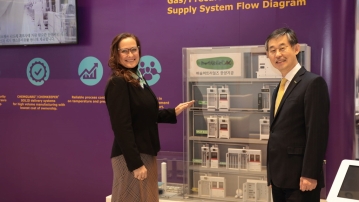
Merck Unveils New Semiconductor Material Strategy 'Molybdenum' at Semicon Korea 2026
Global science and technology company Merck has selected 'molybdenum' as a strategic material for semiconductors in the AI era and is beginning full-scale supply. At a press briefing attended by Katherine Dei Cas, global head and senior vice president of Merck Electronics' Delivery Systems and Services Division, and Kim Woo-kyou, representative director of Merck Korea, Merck announced
2026.02.12by 배종인 기자
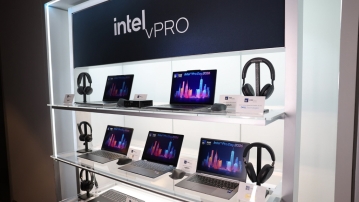
Intel Unveils Next-Generation 'Core Ultra Series 3' and vPro Platform for Enterprise PCs
Intel has officially unveiled the "Intel Core Ultra Series 3" for next-generation enterprise PCs and the latest vPro platform, addressing a wide range of demands from enterprise notebooks to high-performance workstations.
2026.03.26by 배종인 기자











