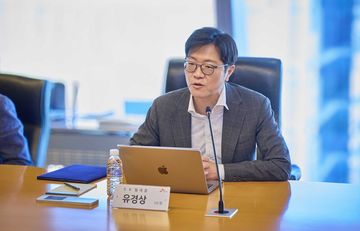
아나로그디바이스(ADI)가 창사 50주년을 맞이하여 향후 50년의 ‘비전 및 사업 전략’을 밝혔다.
이날 행사에서 아나로그디바이스의 사장이자 최고경영자인 빈센트 로취(Vincent Roche) 씨는 아나로그디바이스의 지난 50년간의 혁신적인 기술 및 사업 성과를 소개하고, 다음 50년의 비전과 새로운 솔루션의 방향성, 사업전략 등을 소개했다.
아나로그디바이스는 현재 전 세계 컨버터 및 고성능 증폭기 시장에서 가장 높은 시장 점유율을 차지하고 있다.
아나로그디바이스 코리아도 국내 오토모티브 시장에서 급 성장세를 보이고 있으며, 통신 장비 관련 부품시장에서 괄목할 만한 성장을 이루고, 스마트 폰, TV 등의 소비재 시장에서도 고객 맞춤 제품 개발에 집중하고 있다.
아나로그디바이스는 향후 산업, 통신 인프라, 오토모티브, 산업 계측, 항공우주 및 방위 분야에 걸쳐 혁신을 가속화시킬 계획이라고 한다.
빈센트 로취 CEO는 “가능성을 앞서나간다(Ahead of What’s Possible)”를 향후 50년을 이끌어갈 브랜딩 슬로건으로 내세우면서 “아날로그 디지털 시장의 입지를 강화하고, 지속적인 혁신을 바탕으로 사물인터넷 구현을 위한 초석을 다지겠다”고 밝혔으며, 아날로그 가라지(Analog Garage), FIRST 로보틱스 지원과 같은 아나로그디바이스의 기업가 정신을 강조했다.
다음은 빈센트 로취 씨의 해당 미디어 라운드 테이블 발표 내용이다.
여러분이 아나로그디바이스(ADI)에 대해 어느 정도 알고 있는지 모르겠지만, 업계 최고의 지위를 확립한 반도체 업체 중 하나로서 ADI의 지난 50년의 여정과 계속해서 커다란 번영을 맞이하리라 생각되는 향후 50년에 대해 잠시 말씀 드리고자 합니다.
저희는 지난 50년간 성공을 거둬온 요인이 무엇인지 생각해 보았습니다. 그 핵심적인 이유가 무엇이었는지 말입니다. 그것을 여러분과 살펴보겠습니다.
ADI의 성공요인 4가지
1. 반도체 사업으로 전환하며 경쟁력 갖춰
그 근본적인 첫 번째 이유는 저희가 반도체 분야에서 수많은 변신을 거쳐왔다는 것입니다. 사실, ADI는 1965년에 모듈 업체로서 설립되었으며, 처음부터 반도체 사업을 하지는 않았습니다. 첫 번째 변신은 ADI가 앞으로 나아갈 길은 모듈이 아니라 반도체라는 점을 깨달으면서부터였습니다. 오랜 기간 동안 경쟁력을 유지하려면 경쟁사들보다 빠르게 시장과 기술의 변화를 감지하고 습득하여 적응할 수 있어야만 합니다. 그것이 ADI의 성공을 가져온 첫 번째 주된 요인입니다.
2. 핵심 가치 견지
두 번째 주요 요소는 저희가 매우 일관성 있는 일련의 핵심 가치들을 견지해왔다는 점입니다. 이러한 핵심 가치들은 ADI를 매우 오랜 기간 동안 이끌어왔습니다. 그 기본 개념은 기본적으로 혁신이 사업의 성공을 가져온다는 것, 그리고 제품 개발로부터 제품 생산, 설계의 관리, 품질 관리 및 고객과의 접촉에 이르기까지 저희가 하는 모든 일들에서 탁월성을 발휘해야 한다는 것입니다. 또한 저희는 고객의 성공에 대한 열정을 가지고 있습니다. 이에 대해서는 저희의 새로운 브랜딩에 대해 얘기하면서 설명하도록 하겠습니다. 저희는 또한 직원들의 학습과 진보에도 커다란 역점을 두고 있습니다.
3. 리스크를 감수하는 모험 정신
세 번째는 저희가 사업의 최전선에서 리스크를 감수하며, 시장에 새로운 기술의 물결을 가져오는 데 대해 매우 커다란 관용성을 가지고 있다는 것입니다.
4. 장기적인 시각의 사업 및 재정관리
네 번째로, 저희는 재무 상태를 매우 장기적인 관점과 사고방식으로 관리합니다. 장기적인 안목으로 투자하며, 저희의 현금과 사업을 장기적인 관점으로 관리합니다. ADI는 오래 전에 상장될 당시만 해도 매출이 600만 달러, 시장 가치가 400만 달러였지만, 최근의 매출 실적은 30억 달러에 시장 가치는 190억 달러에 이르고 있습니다.
WHAT WE DO
"We enable our customers to interpret the world around us by intelligently bridging the physical and digital with unmatched technologies that sense, measure and connect."
여기 이 내용은 기본적으로 ADI가 하나의 업체로서 무슨 일을 하는 가 하는 것입니다. 반도체 분야의 한 구성원으로서 저희는 고객을 통해 실리콘에 혁신을 가져옴으로써 이들의 제품과 시스템에 돌파구를 제공하고 있습니다. 저희의 기술은 기본적으로 감지하고 측정하며 해석하고 실세계를 클라우드와 디지털의 세계에 연결시켜 줍니다. 저희는 최첨단을 추구하며, 이것이 저희가 고객들에게 제공하는 것입니다. 저희는 다른 업체들이 아직 해결하지 못한 문제들에 대한 솔루션을 제공합니다.
저희는 고성능 아날로그가 중요성을 갖는 분야에서 경쟁상의 이점을 제공합니다. 제가 ADI의 미래에 대해 갈수록 더 낙관적인 견해를 갖게 되는 이유는 저희가 몸 담고 있는 시장들이 갈수록 더 저희의 기술을 필요로 하고 있기 때문입니다.
고객들의 요구 또한 변화하고 있습니다. 과거에는 고객이 개별 제품들을 선택하여 통합하곤 했습니다. 그러나 이제 고객들은 보다 완전한 솔루션을 구현하고 혁신 제품을 시장에 보다 손쉽고 신속하게 출시하기 위해 저희의 도움을 필요로 하고 있습니다. 저희의 기술은 전세계 IT의 보이지 않는 무대 뒤에서 기여하곤 하지만, 저희 기술을 통해 고객사들은 시장의 중심에 나설 수 있습니다.
지난 50년간 저희는 아날로그 분야의 두 가지 주요 구성요소들을 개발해 왔습니다. 실제 세계와 디지털 신호의 세계를 연결시키기 위해서는 고성능 컨버터와 고성능 앰프가 필요합니다. 이 차트에서 볼 수 있듯이, 저희는 이 분야에서 매우 강력한 리더십 지위를 확립해 왔습니다.
ADI는 컨버터와 고성능 앰프 시장에서 꾸준히 리더십을 유지하고 있다.
또한 저희는 수많은 최초의 업적들을 달성해 왔습니다. 아주 오래 전에 이미 최초의 실리콘 가속도계를 개발했으며, 데이터 컨버터 부문에서도 수많은 최초의 제품들을 선보여 왔습니다.
단지 뛰어난 기술과 제품을 선보였을 뿐만 아니라, 지난 수년간 ADI는 아날로그 분야의 교육자이자 지식 개발자로서도 알려져 왔습니다. 이는 저희가 아날로그 분야의 제일 가는 교육자로서의 소임을 다 하기 위해 하고 있는 일들의 일면에 불과합니다. 그 한 예로서, 다음은 저희가 Analog Dialogue라고 부르는 매거진으로서, 아날로그 사업 분야의 기술, 제품 및 애플리케이션들을 다루고 있습니다.
ADI의 Analog Dialogue 매거진
이것은 “가능성을 앞서나간다(Ahead of What’s Possible)”는 ADI의 브랜딩입니다. 앞서도 말씀 드렸듯이, 저희는 무엇이 과거에 저희를 성공으로 이끌었으며 미래의 성공을 견인할 것인지에 대해 많은 생각을 해왔습니다. 그에 대해 잠시 얘기하고자 합니다.
이것이 바로 ADI가 추구하는 것으로서, 저희는 엔지니어들에게 하나의 업체로서 저희의 고객들을 위해 무엇을 해야 할 것인지 생각해야 한다고 말합니다. 이것이 본질적으로 ADI가 추구하는 핵심 브랜드인 것입니다. 무엇보다도 저희의 엔지니어들은 뛰어난 혁신을 달성할 뿐만 아니라 이러한 혁신이 저희의 고객들에게 정말로 의미 있는 것이 되도록 하고자 합니다. ADI는 의미 있는 기술을 개발하고자 하는 엄청난 열정을 품고 있는 것입니다.
저희는 항상 고객들에 대해 생각합니다. 고객 제일주의란 표현이 식상하게 들릴 지도 모르지만, 고객의 성공을 달성하는 데 있어서 중요한 부분은 서로에게 도전하는 것입니다. 저희는 초기 단계부터 고객들이 적극 관여하도록 함으로써 향후에 점점 더 혁신을 함께 할 수 있도록 하고자 합니다.
저희 회사의 혁신들이 미치는 영향력을 증대시키기 위해, 그리고 고객들의 변화하는 니즈에 부응하여 저희는 스스로를 변화시키고 있습니다. 제품과 기술에 관련된 변화 뿐만 아니라 이러한 기술들이 최종 시장에 어떠한 의미를 갖는 지, 이러한 시장들이 어떻게 변화하고 있으며, 저희 기술이 갖는 의미가 향후에 시장 전반에 걸쳐 저희의 제품들을 어떻게 향상시킬 것인지를 이해하는 데도 집중하고 있습니다.
앞서 언급했듯이, 저희의 고객들은 점점 더 많은 제품들을 요구하고 있으며, 저희가 보다 완비된 솔루션들을 제공해 주기를 원하고 있습니다. 이를 효과적으로 달성하기 위해서는 시스템 엔지니어링을 더욱 더 깊이 배워야 한다는 것이 ADI가 일관성 있게 갖고 있는 생각입니다. 그것이 저희가 걸어온 길입니다. 저희의 강점과 기술을 시장과 시스템 분야의 보다 나은 전략으로 보완하면서 말입니다.
저희의 솔루션들을 고객의 니즈와 보다 잘 조화시키기 위해 저희는 매우 개방적인 소프트웨어와 알고리즘들을 제품들에 추가함으로써 저희가 가진 모든 자원들을 보다 체계적이고 솔루션적인 방식으로 통합시키기 위한 메커니즘을 ADI 내에 구축해왔습니다.
또한 저희는 엔지니어링 커뮤니티를 일련의 기술과 역량 면에서 발전시키고 있습니다. 기업으로서 많은 리스크를 감수하면서 말입니다. 리스크의 감수야말로 그 기업 내의 혁신이 얼마나 훌륭한 것인지 알려주는 척도라고 생각합니다.
저희는 예를 들어, 모든 임무 필수적인 생산 자동화 시스템 분야를 위해 일하고 있습니다. 또한 세계적인 항공우주 분야 대기업과 협력하여 비행사들이 헬멧 탑재 디스플레이 시스템을 통해 정보를 얻는 방식을 변화시키고 있습니다. 통신 인프라 분야에서는 전세계 모든 무선통신망의 모든 부분들이 ADI의 무선 시스템을 거쳐갑니다.
또한 ADI의 MEMS 기술을 통해서 최초의 자동 작동 에어백 시스템이 개발될 수 있었습니다. 저희는 관성 MEMS 기술을 통해 자동차에 사용되는 최초의 전기적 격발 방식의 에어백 시스템을 개발할 수 있었는데, 이는 그야말로 혁신적인 기술입니다. 저희의 기술은 오늘날의 내연기관 방식 자동차 시스템에서 정밀 모니터링 및 제어를 통해 6억 갤런이 넘는 휘발유를 절약할 수 있도록 해줄 것으로 예상하고 있습니다.
또한 예컨대 기술이 반드시 작동하지 않으면 안 되는 최초 대응 기술 분야에서는 임무 필수적인 애플리케이션들을 개발하고 있습니다. ADI는 또한 통신 기술을 차량에 적용함으로써 차량 내부에서 효율적으로 오디오/비디오 시청을 할 수 있도록 하고 있으며, 편안함을 제공하는 동시에 케이블 무게를 줄임으로써 차체의 경량화를 도모하고 있습니다.
한국의 대기업 고객사 중 최소한 한 곳에서 바이탈 사인 모니터링 기술에 커다란 관심을 갖고 있는데, 저희는 광학 방식의 비침습적 생체신호 모니터링 기술을 개발함으로써 전자 장비로 환자의 상태를 모니터링할 수 있도록 하고 있습니다.
저희는 고객들의 크고 복잡한 문제들을 해결하기 위해 신속하고 과감하게 움직입니다. 또한 시장과 기술이 보내오는 신호에 매우 민감하게 대응함으로써 끊임없이 적응할 수 있도록 하고 있습니다.
다음은 아날로그 가라지(Analog Garage)인데, 이는 저희의 사업, 시장 및 기술의 최첨단 분야에서 여러 가지 아이디어들을 모색해 볼 수 있도록 함으로써 미래의 물결을 촉발시킬 수 있도록 도와주는 인큐베이터입니다.
ADI의 실험 정신의 산실인 Analog Garage
ADI 엔지니어링 커뮤니티의 최상위 1 퍼센트의 인물들을 저희는 펠로우라고 부르고 있습니다. 이들은 상대적으로 적은 수이지만, 이들이 맡은 일은 기술의 다음 번 물결에 대해 생각하고 저희의 엔지니어 커뮤니티를 극히 높은 기준에 맞춰 교육하는 것입니다.
최근에 저희는 General Technology Conference를 개최했는데 2,000명이 넘는 엔지니어들이 ADI 내외의 맥락들을 공유하고 배우며 이해함으로써 자신들이 하는 모든 일들을 향상시키는 데 도움을 얻고자 이 컨퍼런스에 참석하였습니다.
미래에 대해서도 조금 얘기해 보겠습니다. 저희가 과거에 개발한 가치 체계는 앞서 얘기했듯이 미래와 상당한 연관성을 갖게 될 것입니다. 저희의 문화는 새로운 현실에 끊임없이 적응하고 있으며, 저희의 사고와 시장에 대한 투자는 물론 기술을 조직화 할 수 있는 능력과 회사에 체계적인 사고를 도입해야 할 필요성에 대해 얘기하고 있습니다.
다음의 차트는 저희가 정보통신 기술(ICT)의 세 가지 물결이라고 부르는 것을 보여주고 있습니다.
정보통신 기술(ICT) 분야의 제 3의 물결은 유비쿼터스 센싱
제가 처음 ADI에 합류했을 때의 최대 고객은 메인프레임 컴퓨팅과 항공우주 및 방위산업 부문이었습니다. 80년대 후반에서 90년대 초반까지를 저희는 'Big Iron (메인프레임)'의 시대라고 부르는데, 이 무렵부터 디지털 모바일 통신 시장이 부상하기 시작했으며, 개인용 컴퓨팅과 고도의 이동성은 물론 인터넷도 이 시기에 등장하기 시작했습니다.
이 ICT의 세 단계를 보면, 반도체, 소프트웨어, 서비스 및 시스템 시장이 모든 면에서 매우 급격한 성장을 보이고 있습니다. 이 중에 세 번째 물결인 유비쿼터스 센싱(ubiquitous sensing)이 앞으로도 오랫동안 반도체 산업의 성장을 견인해 나갈 분야입니다.
오늘날 많은 주목을 받고 있는 빅데이터와 클라우드는 이미 우리 생활 속에 깊숙이 들어오고 있습니다. 그러나 이 기술들과 서비스 및 역량들이 전세계의 IT를 움직이도록 하기 위해서는 실세계를 감지하는 센서들의 양이 엄청난 증가를 보이게 될 것입니다. 예를 들어, 저희의 산업 자동화 부문 고객들은 스스로의 작동 능력을 이해하는 지능적인 기계들을 제작하는 방법과 공장 소유자들이 예컨대 공장 기기들이 제대로 작동할 수 있도록 이들을 보다 잘 파악할 수 있는 방법을 알아낼 수 있도록 도와줄 것을 요청하고 있습니다.
의료 부문에서 점점 더 늘어나고 있는 진단과 의료 데이터의 실시간 모니터링에 대한 필요성을 해결할 수 있는 유일한 방법은 기술을 통해서입니다. 그래서 저희는 예를 들어 바이탈 사인을 임상환경에서는 물론 궁극적으로는 가정에서 모니터링 할 수 있도록 고도의 신뢰성과 고성능을 구현하는 기술의 한계에 도전하고 있습니다.
저희의 자동차 분야 고객들은 자동차에 보다 많은 전기화와 자동화 그리고 커넥티비티를 구현해야 합니다. 저희의 기술들은 자동차 내의 파워 트레인과 연료 시스템, 엔진 등에서 일어나고 있는 모든 상황들을 감지하는 데 있어서 매우 중요해질 것입니다. 또한 이러한 정보는 매우 신뢰성 있게 연결되어 클라우드 시스템으로 전송될 것입니다. 따라서 저희는 앞으로도 이 시장 부문에서 매우 중요한 역할을 맡게 될 것입니다.
통신 인프라에서도 저희는 4G 및 5G 네트워크를 위한 인프라 제공업체들에게 완전한 무선 서브시스템을 제공할 수 있는 완비된 역량을 구축하고 있는 등, 매우 다양한 분야에서 중요한 역할을 맡고 있습니다.
빈센트 로취 CEO는 IoT와 빅데이터가 지난 수년간 구축되어 왔으며, 이러한 데이터, 클라우드 등이 잘 구현되기 위해서는 유비쿼터스 센싱에 집중해야 한다고 강조했다. “모두들 IoT, IoT 하는데, 그 기반 기술들은 ADI에서 수년간 개발을 진행해온 것들로서, [ADI의] 많은 것들이 IOT와 연관성이 깊은 사업들입니다. 지금도 저희 고객사와 고객사의 고객사들은 이러한 부분에 많은 투자를 하고 있으며, 이러한 정보를 인프라와 클라우드 그리고 빅데이터에 연결하는 것이 중요하다고 저는 생각합니다.” 현재 센서 부문은 ADI의 매출에서 10~12%를 차지하고 있다고 한다.
그는 또한 의료 분야에서도 비침습적인 바이탈 사인 모니터링, 심박 모니터링 등 다양한 인체 상태를 고도의 신뢰성으로 측정하는 의료용 기기 수준의 하이테크 구현에 집중할 것이며, 광학 기술을 이용해 혈압을 재는 기술도 고려 중이라고 말했다. 이러한 노력들이 현재는 웨어러블 기기를 중심으로 이루어지고 있지만 향후에는 대형 의료기관, 제약회사 등과의 연계를 고려하고 있다고 그는 덧붙였다. 이러한 노력들을 통해 “ADI는 글로벌 GDP의 2~3배 수준으로 지속적인 성장을 달성할 수 있을 것”이라고 그는 전망했다.
끝으로, 아나로그디바이스의 아태 지역 판매 및 마케팅 부문 부사장인 하워드 쳉(Howard Cheng) 씨는 자사가 지향하는 방향에 대해 “ADI가 초기에는 정보역량에 치중했지만 지금은 지식, 지혜의 분야로 나아가고 있다”고 한 마디로 요약했다.
다음은 프리젠테이션을 마친 후 이어진 빈센트 로취 CEO와의 질의응답 중 일부이다.
Q&A
e4ds: 빅데이터에 대해 많이 언급하시고 센서에 대해서도 많이 강조하셨습니다. 또한 하드웨어 뿐만 아니라 소프트웨어에 대해서도 강조하셨는데, 향후 빅데이터의 처리 기술도 염두에 두고 있습니까?
빈센트 로취: 저희는 고객을 위한 부가가치와 ADI를 위한 추가 매출을 창출해낼 방법들을 모색하고 있습니다. 그 일환으로서 빅데이터 업체, 클라우드 업체, 인프라 제공업체와 협력하고 있으며, 기계에 보다 높은 지능을 탑재할 방법을 연구하고 있습니다. 머신 러닝 또한 매우 유망한 분야가 될 것입니다.
e4ds: 산업 현장 뿐만 아니라 아까 말씀하신 오토모티브 같은 분야에서도 머신 러닝이 적용되는 부분이 있습니까?
빈센트 로취: 기술이 모든 것의 해답입니다. 과거의 전자 기술이 현재 무슨 일이 일어나고 있는지 알아내려 애썼다면, 미래의 기기들은 현재 무슨 일이 일어나고 있는지 뿐만 아니라 데이터 패턴을 들여다 봄으로써 미래에 무슨 일이 일어날 수 있는지도 추론하고 예측할 수 있게 될 것입니다.
이러한 일은 이미 일어나기 시작하고 있으며, 의료 분야를 그 한 예로 들 수 있습니다. 제일 먼저 눈에 띄기 시작하는 것은 손목에 차는 바이탈 사인 모니터링 제품과 같은 간단한 제품으로서, 이들은 이미 판매되기 시작하고 있습니다. 이러한 기기들을 통해 엄청난 양의 데이터가 수집되면 이를 이용하여 보다 다양한 서비스, 보다 많은 매출을 창출할 수 있는 새로운 방법들이 등장하기 시작할 것입니다.
또 다른 예로서, ADI는 항공우주 분야에서 세계유수의 몇몇 엔진 업체들과 협력하여 이들이 보다 강력한 감지 능력을 이용하고 효율성과 안전성, 신뢰성을 개선할 수 있도록 하고 있습니다. 이를 통해 이들 업체들은 엔진 작동의 모든 측면들을 계측하고 이렇게 수집되는 엄청난 양의 데이터를 통해 현재 발생하고 있는 상황 뿐만 아니라 엔진의 향후 상태까지도 예측할 수 있는 잠재력을 갖추게 될 것입니다.
e4ds: ADI가 내세우는 기치 중 하나로서 'applied imagination'을 들었는데, ADI의 사업 분야에서 'applied imagination'의 예를 든다면 어떤 것이 있으며, 여기에는 어떤 종류의 리스크가 따를 수 있습니까?
빈센트 로취: 저희가 생각하는 'applied imagination' 이란 기본적으로 기존 기술과 신기술을 보다 애플리케이션 중심적인 방식으로 다루는 새로운 사고 방식의 창출을 말합니다. 리스크에 대해 얘기한 것은 혁신을 하려면 수많은 리스크를 감수해야 한다는 뜻에서입니다.
리스크를 관리하기 위한 최선의 방법은 행동에 나서고 학습하고 적응하며 변화하고 실수도 하는 것입니다. 실수에서 배우고 성장하게 됩니다. 제가 말씀 드린 리스크는 그런 뜻입니다. 사업에 있어서의 리스크 감수가 바로 혁신으로 가는 길인 것입니다. 리스크를 감수해서는 안 될 분야가 있다면 그것은 재무 관리, 공급망, 품질 관리와 같은 부문들일 것입니다. 이러한 부문들을 고려하여 이들 간에 리스크의 균형이 잘 이루어져야만 합니다.
e4ds: 그 같은 리스크를 다루기 위한 ADI만의 기법 같은 것이 있습니까?
빈센트 로취: 저희는 학습 조직을 갖추고 있으며, 이를 통해 끊임없이 배우고 있습니다. 리스크 감수는 저희 사업의 모든 분야에서 매일같이 일어나고 있습니다. 하지만 저희는 실수하는 것을 두려워하지 않습니다. 저희 모두가 실수를 저지르며, 그러한 실수로부터 배웁니다. ADI의 모든 이들이 항상 실수로부터 배우고자 노력하고 있습니다. ADI가 매년 개최하여 2,000여명의 엔지니어들이 한 자리에 모이는 General Technology Conference가 그러한 노력 중 한 가지 예라고 할 수 있습니다.
e4ds: 말씀 감사합니다.




 Published2015.05.18 13:55