


Mobilint and Intellibix Participate in Highway AI CCTV Conversion Project
 Published2026.08.11 09:05
이번 사업은 전국 고속도로에 설치된 약 4,000여 대의 CCTV를 대상으로 AI 추론 인프라와 영상분석 플랫폼을 결합해 교통사고·정지 차량·역주행·보행자 등 돌발상황을 자동 탐지하는 지능형 관제 체계를 구축하는 프로젝트다.
이번 사업의 기술적 핵심은 Vision AI와 VLM(Vision Language Model)의 연계 구조다.
Vision AI로 객체 움직임과 이상 상황을 1차 탐지한 뒤, VLM이 전후 장면과 주변 도로 환경을 종합 분석해 실제 돌발상황 여부를 검증하는 방식이다.
기존 육안 중심 관제에서 벗어나 AI가 이상 상황을 자동으로 탐지하고 이벤트 중심으로 정보를 제공하는 구조로 전환된다고 회사 측은 설명했다.

모빌린트는 이번 사업에 AI 서버와 자사 AI 가속기 ‘MLA400’을 공급해 대규모 CCTV 영상의 실시간 처리를 담당한다.
저전력·고효율 구조로 수천 개 CCTV의 영상 데이터를 안정적으로 처리하는 AI 추론 인프라 역할이다.
이번 시스템은 기존 VMS(Video Management System)·NVR(Network Video Recorder) 등 레거시 장비와 연동이 가능해 대규모 CCTV 교체 없이 AI 기능을 단계적으로 도입할 수 있다고 회사 측은 전했다.
구축 비용과 시간을 줄이면서 공공기관의 AI 전환을 지원할 수 있을 것으로 기대된다.
양사는 앞서 국산 AI 반도체 기반 산불감시 AI 프로젝트에서 공동 기술 검증을 진행한 바 있으며, 이번 사업은 그 협력을 전국 단위 교통안전 분야로 확대한 사례다.
모빌린트는 향후 스마트시티·재난안전·산업안전 등 다양한 공공 AI 영상분석 분야로 사업 범위를 넓혀 나갈 계획이라고 밝혔다.
김성모 모빌린트 사업개발본부장은 “이번 사업은 국산 AI 반도체가 실제 공공 AI 인프라에 적용돼 대규모 AI 관제 서비스를 구현하는 사례”라며 “교통·재난안전·스마트시티 등 다양한 공공 분야에서 국산 AI 반도체 활용을 확대해 나가겠다”고 말했다.

Comments
Related news
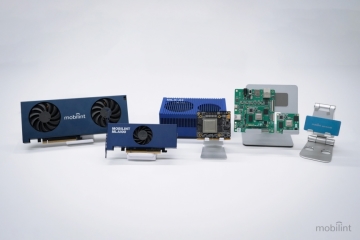
POSCO DX Collaborates with Mobilint to Promote Field Application of Industrial AI Using Domestic NPUs
POSCO DX has partnered with AI semiconductor startup Mobilint to expand industrial AI applications. Following a prior 3 billion won investment in Mobilint, POSCO DX has signed a business agreement and is pursuing the implementation of domestic NPU into manufacturing site control systems. The two companies plan to validate edge AI as an alternative to complement the limitations of GPU-centric architecture, and will expand their application scope to manufacturing, logistics, and robotics sectors.
2026.04.02by 명세환 기자
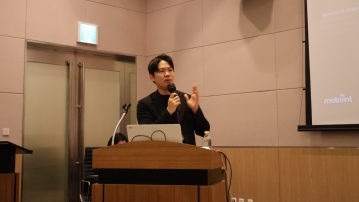
Shin Dong-joo, CEO of Mobilint, “‘AI Semiconductor Market’ Shifts to ‘Edge’ Due to Rapid Growth in Inference”
Shin Dong-joo, CEO of Mobilint, mentioned at the 'High-Performance Semiconductor Materials Technology Seminar' held at the FKI Tower Conference Center on the 24th that as of last year, the market sizes of learning and inference have become comparable, and noted that as AI applications are being deployed to actual field operations, semiconductor demand is changing.
2026.04.27by 배종인 기자
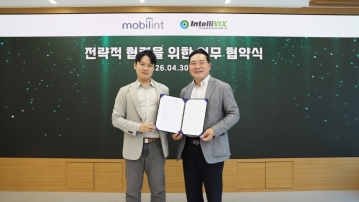
Mobilint and Intellivix Full-Scale Integration of AI Video Analysis and NPU
AI semiconductor company Mobilint and video analytics AI company IntelliVIX are launching a collaboration targeting public safety and smart infrastructure sectors. The two companies plan to jointly pursue real-time edge AI-based business by combining video analytics AI with neural processing units (NPUs).
2026.04.30by 배종인 기자
Nota Signs AI Optimization Technology Supply Agreement with Mobilint
Nota has signed an AI optimization technology supply contract with Mobilint. Mobilint plans to adopt Nota's AI model optimization platform 'NetsPresso' in its NPU product line to provide both hardware and model optimization environments together. The two companies plan to collaborate in edge vision AI fields such as industrial safety, intelligent transportation systems, smart cities, and security monitoring by linking products based on MLA100 and MLA400 with Nota's vision AI solution NVA.
2026.05.07by 명세환 기자
Mobilint Expands Industrial Edge AI Market
AI semiconductor company Mobilint has signed a memorandum of understanding with Taiwan-based industrial computing company ADLINK and rugged computing company Getac. Through this agreement, Mobilint plans to integrate its AI NPU and full-stack SDK into both companies' platforms and jointly develop edge AI solutions applicable to various industrial fields including manufacturing, logistics, smart cities, and defense. The companies will conduct joint sales and marketing activities targeting global customers to promote expansion in the industrial AI market.
2026.06.29by 배종인 기자











