



[Report] "NI Nigel™ AI, Accelerating Test and Measurement Development with Natural Language"
 Published2026.08.18 10:54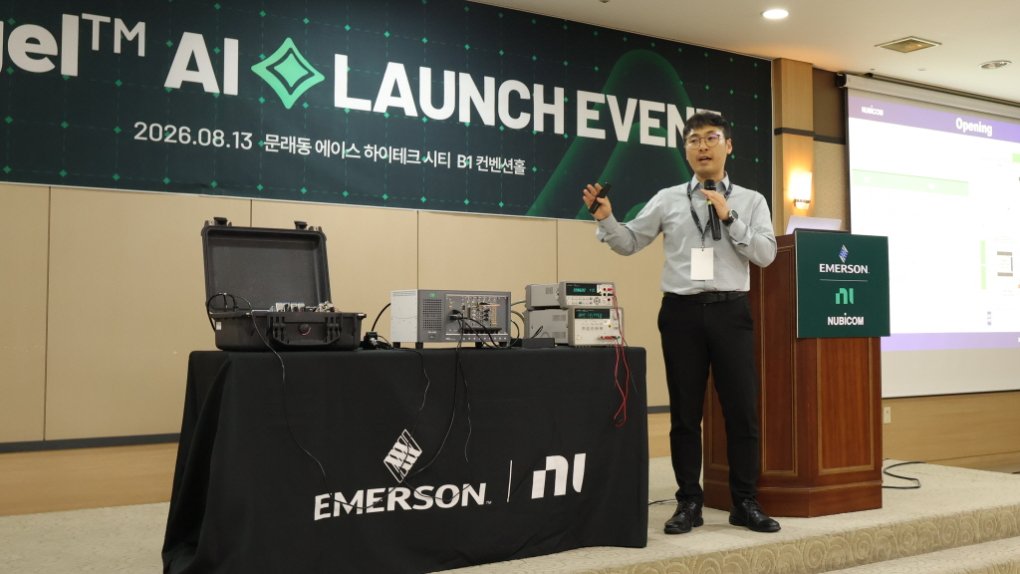
자연어 명령으로 cDAQ부터 GPIB·PXI까지 제어
장비 선정부터 인수 코드 분석까지 개발자 지원
NI Nigel™ AI는 측정 목적을 자연어로 설명하면 필요한 장비와 개발 절차를 안내하고, 실제 계측기를 제어하는 LabVIEW 코드까지 생성한다. NI Nigel™ AI는 일반적인 질의응답 도구와 달리 테스트 시스템 설계, 측정 방법론, 하드웨어 구성과 데이터 분석에 특화된 AI로 엔지니어를 대신하는 도구가 아닌 테스트 전문성을 증폭시키는 새로운 동료다.
NI 공식 총판 대리점인 ㈜누비콤(NUBICOM)은 지난 13일 서울 영등포 에이스 하이테크시티 컨벤션홀에서 ‘NI Nigel™ AI 런칭 이벤트’를 개최하고, Nigel AI의 주요 기능과 활용 사례를 공개했다.
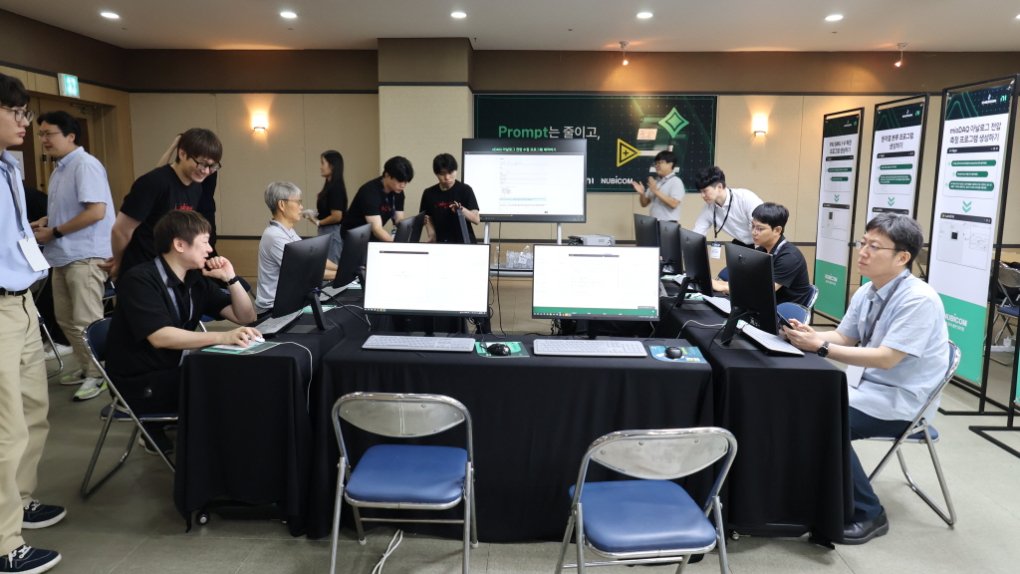
행사에 참석한 개발자와 엔지니어들은 소개 세션과 라이브 데모, 직접 체험을 통해 AI가 테스트·측정 업무에 적용되는 과정을 확인했다.
행사 발표를 담당한 김기륭 누비콤 부장은 ‘NI Nigel™ AI’가 NI의 테스트·측정 전문 지식을 기반으로 개발된 AI로 테스트 시스템 설계와 측정 방법론, 데이터 분석 등에 관한 질문에 답하고, LabVIEW 환경 안에서 개발 중인 프로젝트의 맥락을 파악해 필요한 기능과 프로그래밍 방향을 제안한다고 밝혔다.
특히 범용 AI보다 테스트 애플리케이션과 NI 하드웨어에 적합한 답변을 제공하는 것이 특징이다.
가장 주목받은 기능은 LabVIEW VI 자동 생성이다.
엔지니어가 측정 대상과 센서, 장비, 원하는 결과를 자연어로 입력하면 Nigel AI가 요구사항을 분석해 블록 다이어그램 코드를 만든다.
연결 장비 인식과 계측기 제어 코드 생성도 주요 기능이다.
Nigel AI는 PC에 연결된 NI 하드웨어와 드라이버가 설치된 타사 계측기의 목록을 확인하고, 장비 특성을 반영한 프로그램 개발을 지원한다.
Nigel AI는 기존 코드 분석과 개발 가이드에도 활용된다. LabVIEW 블록 다이어그램을 첨부하면 사용된 컨트롤과 인디케이터, 프로그램 구조, 상태별 동작을 분석해 설명한다.
다른 개발자가 작성한 코드를 인수하거나 기존 시험 프로그램을 개선할 때 코드 구조를 파악하는 시간을 단축할 수 있다. 필요한 함수나 설계 패턴, 개선 방향도 대화 방식으로 질문할 수 있다.
테스트 시스템 구성 컨설팅 역시 Nigel AI의 핵심 기능이다. 측정 대상과 신호 종류, 요구 조건을 입력하면 필요한 하드웨어와 드라이버, 툴킷, 주요 함수 및 화면 구성 요소를 단계별로 안내한다.
라이브 데모에서는 cDAQ를 이용해 온도와 진동을 동시에 측정하는 프로그램이 제작됐다.
김진호 누비콤 과장이 측정 목적과 장비 조건을 프롬프트로 입력하자 Nigel AI는 온도와 진동 입력을 하나의 태스크로 구성한 VI를 생성했다.
두 모듈을 별도 루프로 처리하는 대신 단일 태스크로 묶어 동기화된 데이터를 읽도록 구성한 것이다.
온도 센서를 손으로 잡자 측정값이 변했고, 팬이 작동하자 진동 그래프가 반응했다.
이어 Nigel AI는 GPIB로 연결된 전원공급기와 멀티미터를 제어하는 VI를 만들었다.
프로그램에서 5V 출력을 지시하자 전원공급기가 동작했고, 멀티미터는 측정 데이터를 PC로 전달했다. PXI 시스템에서는 장착된 신호발생기와 오실로스코프 모듈을 확인하고 두 장비를 사용하는 VI를 생성했다.
김진호 과장은 원하는 측정 조건과 프런트패널 구성, 장비 동작 방식을 구체적으로 입력할수록 품질 높은 결과를 얻을 수 있다고 설명했다.
Nigel AI가 제공하는 도움은 코드 자동 생성에 한정되지 않는다. 먼저 새로운 테스트 시스템을 설계하는 개발자는 사전 구성 컨설팅을 받을 수 있다.
예를 들어 모터의 온도와 진동을 측정하려는 경우 측정 대상, 보유 장비, 요구 결과와 주의사항을 입력하면 필요한 NI 하드웨어 드라이버와 툴킷, 주요 함수의 위치, 프런트패널에 배치할 컨트롤과 인디케이터를 안내받을 수 있다.
무엇부터 준비해야 하는지 모를 때는 Nigel AI에 고려 사항을 먼저 정리해 달라고 요청할 수도 있다.
처음 접하는 계측기를 다룰 때도 도움을 받을 수 있다.
Nigel AI는 PC에 연결된 장비 목록을 확인하고, 해당 장비가 어떤 사양과 용도로 사용되는지 안내한다.
오래된 설비에 어떤 계측기가 연결돼 있는지 알기 어렵거나, PXI 모듈별 전용 드라이버와 함수 사용 규칙을 확인해야 할 때 장비 탐색과 학습의 출발점으로 활용할 수 있다.
다른 개발자에게서 넘겨받은 코드의 구조를 파악하는 작업도 지원한다.
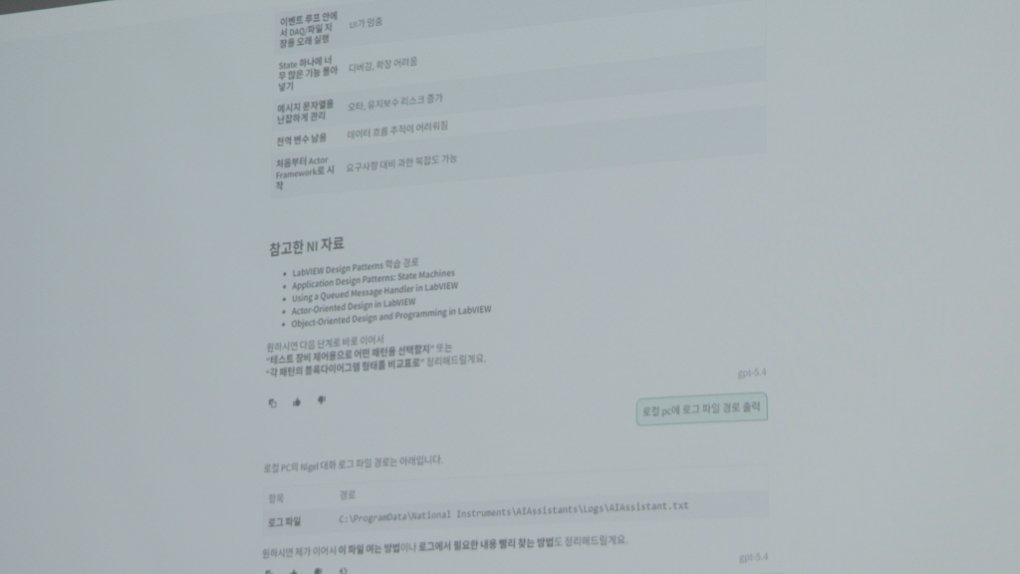
행사에서는 연속 측정용 LabVIEW 템플릿을 Nigel AI에 첨부하자 시작·정지·설정 컨트롤과 데이터 인디케이터, 전체 설계 구조 및 상태별 동작을 구분해 설명했다.
기존에는 개발자가 블록 다이어그램을 직접 따라가며 분석해야 했지만, Nigel AI를 이용하면 코드가 어떤 구조로 동작하는지 먼저 요약받고 필요한 부분을 집중적으로 검토할 수 있다.
개발 초안 작성과 학습에도 활용할 수 있다.
Nigel AI는 목적에 맞는 디자인 패턴을 제안하고, 필요한 함수와 위치를 알려주며, 단계별 개발 가이드나 공정표를 작성한다.
LabVIEW 경험이 적은 개발자는 빈 블록 다이어그램에서 시작하는 대신 측정 프로그램의 골격을 확보할 수 있고, 숙련 개발자는 NI 예제 프로그램을 바탕으로 수정안을 요청해 반복적인 초기 구현 작업을 줄일 수 있다.
NI가 소개한 내부 경험에 따르면 Nigel AI를 활용한 코드 생성에서 기존 엔지니어 개발 대비 5배에서 최소 10배 이상의 시간 단축 효과를 확인했다. 다만 현재는 신규 단일 측정 VI 생성이 중심이며, 여러 VI의 자동 결합과 객체지향 구조, 정교한 UI 배치, FPGA·리얼타임 코드 생성에는 제한이 있다. 생성 결과 역시 개발자의 검증과 보완이 필요하다.
그럼에도 Nigel AI를 사용해야 할 이유는 분명하다.
장비 탐색과 시스템 구성, 개발 절차 수립, 코드 초안 생성, 기존 프로그램 분석을 LabVIEW 안에서 연속적으로 지원하기 때문이다.
반복적인 구현과 검색에 쓰는 시간을 줄이고, 개발자가 측정 조건의 타당성과 데이터의 의미를 판단하는 핵심 업무에 집중하도록 돕는다.
NI는 향후 Nigel AI를 LabVIEW뿐 아니라 TestStand, DIAdem, VeriStand 등 테스트 소프트웨어 전반을 연결하는 에이전트로 발전시킬 계획이다.

Comments
Related news
.jpg)
Nubicom to launch NI MioDAQ solution sales
Emerson/NI has launched four new USB Type-C data acquisition (DAQ) products, accelerating the development of complex electronic products for developers with enhanced measurement capabilities and strengthened software integration. In Korea, starting today, NI Korea and Nubicom, an NI authorized distributor, will sell the innovative USB Type-C DAQ, NI mioDAQ. Information about the new DAQ can be found through the NI and Nubicom websites.
2024.09.24by 배종인 기자
.jpg)
NI·Nubicom, Full-scale Industry-Academic Cooperation for Future Industries
Global measurement and automation specialist NI (National Instruments) and its domestic distributor Nubicom have signed a Memorandum of Understanding (MOU) with Kongju National University's Cheonan College of Engineering (Dean Lee Dong-joo) to strengthen industry-academia collaboration. Through this MOU, the parties agreed to △establish a foundation for joint research and share outcomes △foster specialized talent through personnel exchange △promote industrial technology dissemination and enhance practical training environments. Additionally, NI will provide Kongju National University with LabVIEW Academic Volume Licenses (100 copy, 2-year subscription) worth approximately 2.8 billion won at no cost, and plans to negotiate discount benefits for future hardware purchases.
2025.07.21by 배종인 기자
.jpg)
[2025 Power Electronics Conference] Nubicom Vice President Kim Ki-ryong, “NI presents a solution for data center power monitoring in the AI era”
Nubicom, the domestic distributor of National Instruments (NI), participated in the 2025 Power Electronics Academic Conference held at the Alpensia Convention Center in Pyeongchang from July 7th to 10th, and showcased high-precision, real-time power monitoring solutions based on the CDAQ system and SystemLink platform.
2025.07.22by 명세환 기자
Nubicom Maximizes Developer Test Generation with AI Tools
Nubicom, Korea's leading electronic measurement instrument distributor and the official distributor of NI (National Instruments), has begun domestic supply of 'NI Nigel™ AI Advisor' and its lightweight version 'NI SystemLink™ base' released by Emerson, enabling engineers to incorporate AI functionality into NI software such as LabVIEW™ and TestStand™, and to remotely manage distributed test equipment through SystemLink.
2025.08.05by 명세환 기자
NI and Nubicom Provide 500 Million Won Worth of Software and Technology Support to Hanyang University
NI (National Instruments) and Nubicom (CEO Shin Dong-man) are providing software and technical expertise valued at 500 million won to Hanyang University, making a full commitment to securing next-generation technologies and strengthening industry-oriented collaboration among academia, industry and research institutions.
2025.09.30by 배종인 기자











