



[Interview] Park Ji-yong, Branch Manager of Nozomi Networks, "Korea entering full-scale OT security adoption phase"
 Published2026.08.18 12:39
“한국 OT보안 본격 도입 단계 진입”
Arc-Embedded, PLC에 직접 보안 기능 넣어 사각지대 줄여 줘
Vantage IQ, 알람 중심에서 의사결정 중심 전환 고급 분석 수행
[편집자 주]국내 OT보안 시장은 대기업 중심으로 인식이 크게 높아졌으며 POC 수요도 증가하고 있다. 특히 기업은 생산성 저하 없이 취약점을 파악하기 위해 OT보안 진단이 필수이며, 병원·제약·발전·제조 등에서 수요가 증가하고 있다. 이런 가운데 노조미 네트웍스(Nozomi Networks)의 Arc-Embedded는 PLC에 직접 보안 기능을 넣어 사각지대를 줄이고, Vantage IQ는 알람 중심에서 의사결정 중심으로 전환해 비전문가도 고급 분석을 수행하도록 도우며, OT보안의 핵심 안전자산으로 각광을 받고 있다. 이에 본지는 노조미 네트웍스(Nozomi Networks) 박지용 지사장을 만나 OT보안과 노조미 네트웍스의 솔루션에 대해 들어봤다.

■ 최근 제조업과 산업 인프라의 디지털 전환이 빠르게 진행되고 있다. 국내 OT 보안 시장이 과거와 비교해 가장 크게 변화한 부분은 무엇이며, 기업들의 보안 인식은 어느 수준까지 올라왔다고 보는지
노조미 네트웍스가 한국에서 비지니스를 시작한지 이번 달로 딱 만 5년이 지났다.
처음 3년은 많이 힘들었다.
OT보안 이라는 용어 자체도 생소했고, 노조미 네트웍스라는 회사 이름 또한 대부분 알지 못하던 시기였다.
저는 그동안 한국 시장에 OT보안의 중요상과 노조미 네트웍스라는 브랜드 이미지를 보안 담당자들에게 각인 시키기 위해, 파트너사들과 함께 많은 노력을 쏟았다.
그 결과인지는 모르겠으나, 이제는 국내 보안 산업계에서 ‘OT보안’과 ‘노조미네트웍스’라는 이름을 한번씩은 다들 들어 본 것 같다고 이야기하고 있고, OT보안 담당자들은 누구나 아는 이름이 됐다.
노조미가 한국 시장에 처음 진출했을 때와 비교해 보면, CIO나 CISO 조직에서 OT보안의 필요성은 이제 다들 인지하기 시작했다는 점이 큰 차이다.
과거에는 IT 보안이 잘 되어 있고, 퍠쇄망인데, OT보안이 왜 또 필요하냐는 질문이 가장 많았으나, 이제 대기업들의 경우에는 OT 보안이 꼭 필요한 솔루션이고, 도입 검토를 고려하는 기업이나 기관들이 많이 늘었다는 것이다.
작년 말부터 OT보안에 대한 POC(개념 검증 테스트)를 해보자는 의뢰들이 많이 나오고 있다.
반면에 대형 생산 설비를 갖추고 있고, 보안 예산을 비교적 크게 운용이 가능한 대기업들이 우선적으로 OT보안에 대한 도입 준비를 하고 있지, 아직 중소기업들은 OT보안에 대한 인식이나 필요성 및 예산에 대한 고려가 많이 부족한 편이다.
글로벌 선진 국가들 대비 한국의 OT보안 시작은 많이 뒤쳐져 있는 편이며, 정부의 규제 또한 OT보안에 대해서는 많이 미비한 편이다.
아래 그림은 OT보안에 대한 성장 단계를 보여주는 그래프다.
한국의 중소기업은 대부분 ‘행복한 무지’ 단계에 있다.
OT보안의 취약성에 대한 인지를 아직 못하고 있는 경우가 대부분이다.
OT보안을 대비하는 대기업들도 아직은 OT자산 가시화 정도 고려하며, 솔루션 도입을 하는 경우가 60%에 달한다.
전세계 기업들 중 10% 정도만이 OT보안에 대한 궁극적인 리스크 관리를 하고 있다고 보시면 된다.
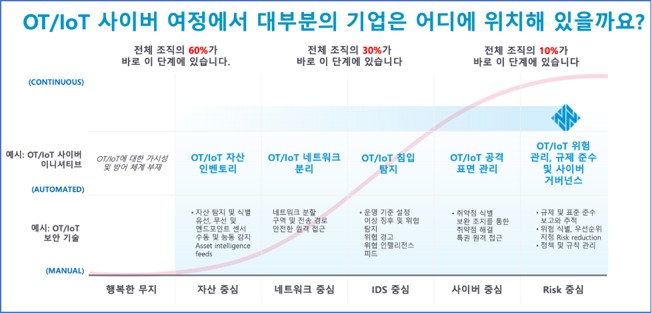
그럼에도 불구하고 가장 크게 변화한 부분은 OT보안의 의미와 중요성에 대해, 대부분은 대기업들은 모두 인지하고 있으며, 향우 2~3년내에 대부분 도입을 검토하고 있는 상황이라는 점이다.
■ 노조미 네트웍스는 PLC 내부에 직접 보안 기능을 심는 Arc-Embedded기술을 강조하고 있다. 기존의 네트워크 기반 OT 보안 방식과 비교했을 때, 현장 고객들이 체감하는 가장 큰 차별점은
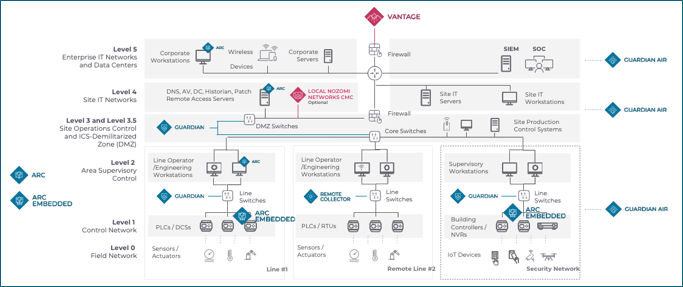
OT보안의 아키텍쳐는 일반적으로 아래와 같은 퍼듀모델을 많이 사용한다.
레벨 0에서 레벨3.5까지를 보통 OT망 또는 OT영역이라고 한다.
기존의 OT보안 장비들은 보통 레벨 3.5나 2단계에 설치가 된다.
네트워크 스위치에 미러링 방식으로 집선하여, 그 상하 구간의 OT 트래픽을 모니터링 하는 방식이다.
그러다 보니 네트워크 스위치를 사용할 수 없는 환경이나, 레벨 0이나 1같은 최하단부에는 집선이나 설치를 못해, 여전한 사각지대로 놓인 구간들이 있었다.
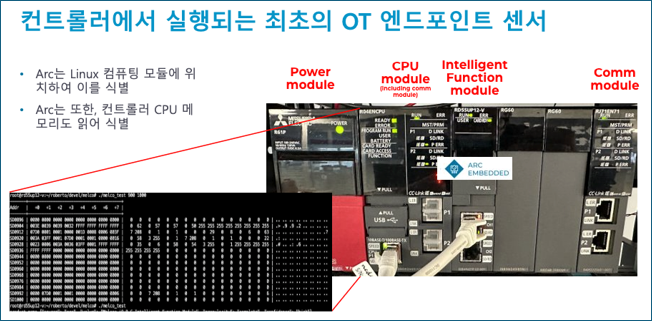
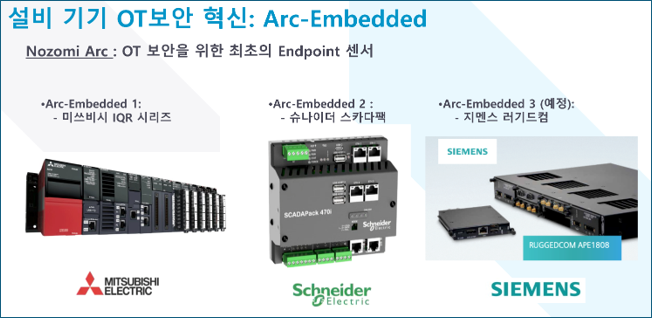
반면에 Arc-Embedded의 경우에는 스위치 미러링이 필요 없이, 레벨1 단에 설치되어 있는 PLC나 RTU에 직접 모둘형으로 OT보안 센서를 인스톨하여, 하나의 PLC 자체가 OT보안 센서 역할을 하게 만들어, PLC 주변의 트래픽 정보를 직접 수집 및 분석을 할 수 있게 한다.
이런 방식은 기존의 OT보안 정보 수집 방식과는 크게 차별화된다.
별도의 OT 보안 정보 수집/분석 장비를 설치할 필요 없이, PLC 자체가 그 역할을 수행하게 되어, 공간의 제약이나 아키텍쳐상의 사각지대를 줄여 준다.
쉽게 말하자면 보다 촘촘한 그물을 보다 더 깊은 곳까지 내려, 작은 고기부터 큰 고기까지 모두 획득할 수 있는 구조라고 할 수 있다.
■ AI 기반 보안 분석 플랫폼인 Vantage IQ를 통해 ‘알림 중심’에서 ‘의사결정 중심’으로 전환한다고 말씀하셨는데, 실제 산업 현장에서 AI가 보안 담당자의 업무를 어떻게 변화시키고 있으며, 앞으로 어떤 역할까지 맡게 될 것으로 전망하는지
대부분의 OT보안 솔루션들은 설치 후 수많은 알람 정보를 띄워 주는데, 보안 담당자가 이 내용들을 일일이 분석하여 유의미한 정보만을 취합하기가 쉽지는 않았다.
전문적인 기술자들이 복잡한 쿼리문을 생성하여, 수동적인 분석을 하다 보니, 많은 시간이 걸리고 또한 그 노력 시간 대비 의미있는 분석 결과를 가져오는데 한계가 있으며, 집계된 데이터를 보고용으로 재 편집하는 데에도 많은 시간과 노력이 필요했다.
따라서 의사결정을 하기까지 많은 단계와 수고가 필요했다.
그러다 보니 의사결정용 보다는 단순한 자신 가시화와 위협 탐지용으로만 OT보안 관리를 할 수 밖에 없었다.
노조미 네트웍스의 AI 기반 어시스턴트 솔루션인 Vantage IQ는 OT보안을 보다 심도 깊은 단계의 분석 및 의사결정 지원 솔루션화 했다.
위에 보여드렸던 OT보안 여정 그래프에서 상위 10% 단계로 갈 수 있는 길을 열었다고 보시면 된다.
Vantage IQ를 통해 보다 손쉽게, 보다 다양하고 심도 깊은 질의 응답이 가능하고, 기존에 수작업에 의존했던 플랜과 보고서 작업을 AI가 자동적으로 수행할 수 있게 된다.
기존에 여러 담당자가 장기간에 걸쳐 해야 했던 일들이 혼자서도 빠르고 정확하게 처리하여, 훌륭한 보고서 형태로 결과물을 받아 볼 수 있게 되며, 마치 전문가와 대화 하듯이 OT보안에 대한 분석 및 운영 관리를 할 수 있게 된다.
현재 한국에는 OT보안 솔루션 전문가나 분석가가 절대적으로 부족한 상황이다.
OT보안 운영 인력을 구하지 못해 솔루션 도입을 못하는 경우도 많은데, 노조미의 Vantage IQ는 고객들의 이런 어려움을 해결하며, 비전문가라도 손쉽게 OT보안 솔루션을 사용할 수 있게끔 해 준다.
또한 여러 부서에서 오는 다양하고 복잡한 질문들을 빠르게 처리할 수 있어, 업무 생산성 향상 및 분석력 강화 등의 장점을 누릴 수 있다.
■ 스마트팩토리와 산업 현장에서는 생산성을 유지하는 것도 중요하지만, 보안을 위해 운영을 멈출 수 없는 경우가 많다. 보안과 생산성 사이의 균형을 맞추기 위해 기업들이 가장 먼저 점검해야 할 부분은 무엇이라고 생각하는지
IT보안과 OT보안의 가장 큰 차이점이 바로 이 부분이다.
생산설비의 가용성을 유지하기 위해, 적절한 SW 버젼 관리와 장비 업그레이드를 못하고 오랜 기간동안 설비를 운영하다 보니, 많은 OT보안 취약점이 생길 수 밖에 없고, 사이버 공격에 취약한 상태로 운영을 계속할 수 밖에 없다.
이러한 취약점을 파악하고 개선 방안을 세우기 위해 기업들은 우선적으로 OT영역에 대한 진단을 반드시 실시해야 한다.
OT보안 진단 (POC)는 가용성에 영향을 미치지 않는 OT보안 솔루션에 의해 진행되며, 진단 결과 리포팅에 의해 잠재된 취약점, 우선적으로 고려해야 할 사항들, 향후 개선 플랜을 마련할 수 있다.
우리가 사전에 정기적인 건강검진을 받는 것과 동일하다.
위협과 취약점을 사전에 인지하고 설비 운영을 하는 것과 아무런 정보 없이 운영하는 것은, 큰 차이가 있다.
예상되는 위협은 방어가 가능하다.
■ 한국 진출 5년차를 맞아 국내 사업이 성장하고 있다고 언급했다. 국내 고객들이 가장 관심을 보이는 산업군이나 사용 사례는 무엇이며, 향후 한국 시장에서 노조미 네트웍스가 집중하고자 하는 전략은 무엇인지
최근 저희가 많은 관심과 문의를 받는 산업군은 병원, 제약, 발전 설비, 제조, 조선 해양 분야다.
그리고 잠재적인 성장 산업군은 데이터센터, 국방, 항만이나 공항 및 철도 인프라, 로봇, 물류 산업이다.
노조미 네트웍스는 OT보안 솔루션의 필요성을 지속적으로 강조할 것이며, 고객 사례를 늘려갈 것이다.
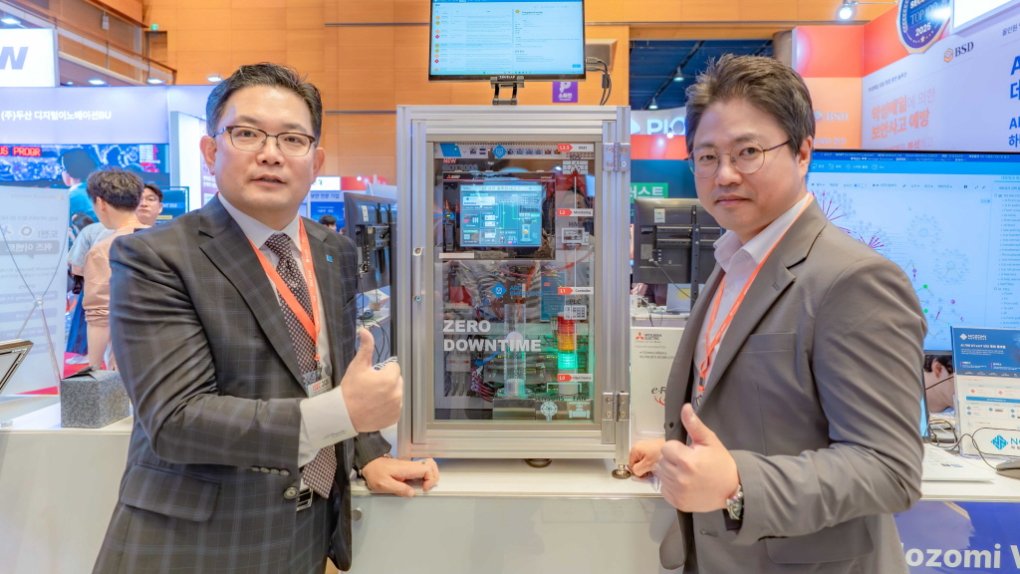
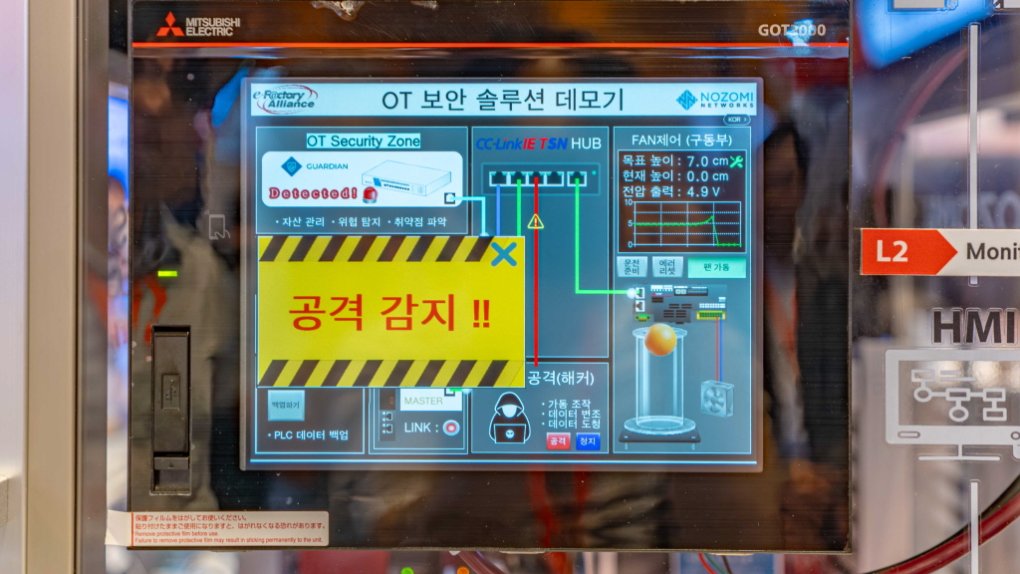
대형 데모센터를 마련함으로써 운영 이슈 걱정 없이, 실제 가동되는 설비에서 작동하는 OT보안 솔루션을 누구나 손쉽게 체험해 볼 수 있도록 했다.
한국에서도 누구나 편리하게 사용할 수 있는 OT보안 운영 체계를 만들 수 있도록 할 것이다.
고객과 파트너사들이 OT보안 자격을 취득할 수 있도록 교육 환경을 확대해 나갈 것이다.
■ 마지막으로 독자들에게 한 말씀 부탁드린다
OT보안 사고는 IT보안 사고 대비 훨씬 큰 경제적/인적 피해를 가져올 수 있다.
OT보안 규제 또한 각 산업별, 지역별로 강화되고 있어, 글로벌에서 활동하는 우리 기업들은 이러한 규제를 어떻게 대응해야 할 지 고민해야 한다.
각 고객들 설비에 이상이 없는지 반드시 OT보안 진단 테스트를 해보시기를 바란다.
한편 장재안 노조미 네트웍스 이사는 오는 9월8일 ‘e4ds Tech Day 2026’ 행사에서 ‘Physical AI 시대 데이터센터 OT 인프라 보안의 새로운 방향성’을 주제로 발표할 예정이다.
‘e4ds Tech Day 2026’ 접수는 아래 배너를 클릭하면 된다.

Comments
Related news
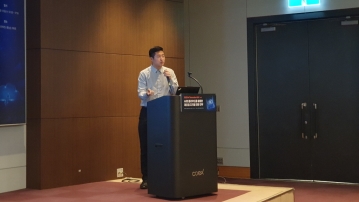
Na Hyun-sik, Manager of Nozomi Networks, “Cyber threats are rapidly emerging as a top priority, and active response is essential”
Na Hyun-sik, manager at Nodus Networks, presented on the topic of "Manufacturing Digital Transformation Strategy Using AI and Cloud" at the '2025 e4ds IIoT Innovation DAY_part 2' event held on the 12th. He noted that as cyber threats related to OT/IoT are increasing, cyber risks are not merely IT issues but business risks, and that immediate response measures are imperative.
2025.03.24by 권신혁 기자
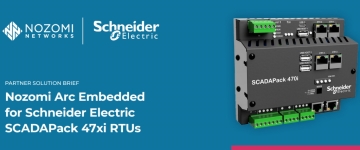
Nozomi Networks Revolutionizes Industrial Automation Security with the Launch of the World's First RTU-Embedded Security Sensor
Nozomi Networks Inc., a leading company in OT, IoT and CPS security, announced the world's first embedded security sensor in a Remote Terminal Unit (RTU) in collaboration with Schneider Electric. Arc Embedded, launched through this partnership, is directly embedded in Schneider's SCADAPack 47xi smart RTU, dramatically improving the security level of industrial automation equipment from the design phase.
2025.08.18by 배종인 기자
.jpg)
Mitsubishi Electric's Acquisition of Nozomi Networks Accelerates Industrial Cybersecurity Innovation
Mitsubishi Electric is set to significantly expand its AI-based cloud-centric cybersecurity business through the acquisition of Nozomi Networks.
2025.09.11by 배종인 기자
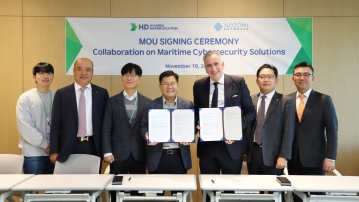
HD Hyundai Marine Solutions and Nozomi Networks Partner on Marine Vessel Cybersecurity
HD Hyundai Marine Solution and Nozomi Networks signed a "Memorandum of Understanding (MOU) for Maritime Vessel Cybersecurity Business Collaboration" on the 19th in Seoul with key executives in attendance.
2025.11.20by 배종인 기자
Nozomi Networks ushered in an era of customized AI for security teams and CISOs.
Nozomi Networks, a global leader in OT·IoT·CPS security, has recently unveiled 'Vantage IQ,' the world's first personal OT/IoT cybersecurity AI assistant, opening an era of customized AI.
2026.01.16by 배종인 기자











