


OpenAI reveals ChatGPT Work agent features domestically for the first time
 Published2026.08.20 13:40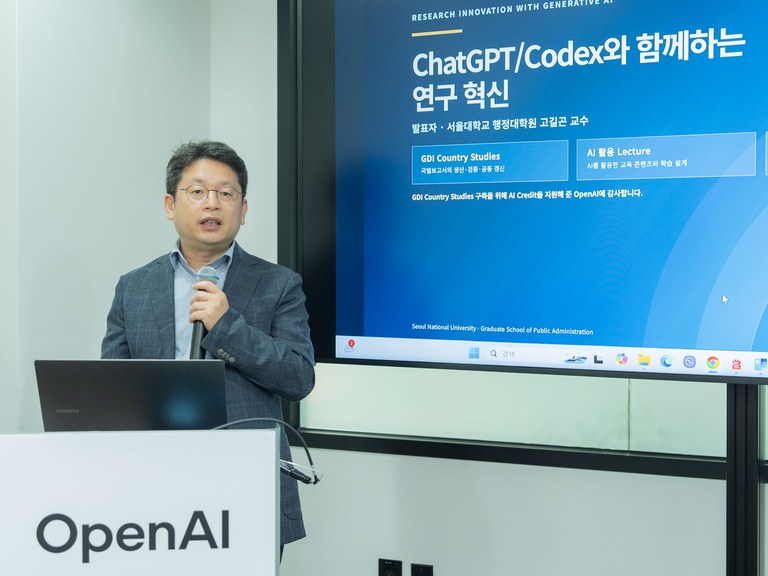
챗GPT 워크는 GPT-5.6 모델을 탑재해 복잡한 다단계 작업을 추론하고, 스프레드시트·슬라이드·웹 앱 등 완성된 결과물을 독립적으로 생성할 수 있다고 회사 측은 밝혔다.
플러그인을 통해 슬랙·구글 드라이브 등 외부 업무 도구에서 맥락 정보를 불러와 프레젠테이션 등 결과물을 생성하고, 예약 작업(Scheduled Tasks)으로 프로젝트 정보를 정기 갱신하는 방식이 소개됐다.
△사이트(Sites) △내장 브라우저 △컴퓨터 사용(Computer Use) 기능을 조합하면 조사·분석·결과물 제작을 단일 흐름으로 처리할 수 있다고 설명했다.
연구자는 출처 검증과 해석에 집중하고 반복 작업은 AI가 처리하는 역할 분담 방식이라고 설명했다.
200쪽 이상의 자료집을 기사·이미지 추출부터 편집·검수까지 코덱스와 협업해 완성한 경험도 공유했다.

Comments
Related news
OpenAI hosts AI Hackathon finals with Zocoding and Primer; 3,295 participants participate in preliminary rounds.
OpenAI is hosting the finals of an AI hackathon in Seoul in partnership with YouTuber Jo Coding and startup accelerator Primer. A total of 3,295 developers and prospective entrepreneurs participated in the preliminary round, with 30 teams advancing to the finals. Participants will develop functioning AI services and products utilizing the OpenAI API and the coding agent 'Codex'. All preliminary round participants will receive API credits, and award winners will be provided with additional credits and usage rights. The event aims to support the commercialization and proliferation of AI technology within the Korean developer ecosystem.
2026.03.03by 배종인 기자

AMD and OpenAI Step Up to Resolve Bottlenecks in Massive AI Infrastructure
The critical factor determining the performance of ultra-large AI models is shifting from 'GPU computing power' to 'network efficiency'. In AI training environments where hundreds of thousands of GPUs synchronize in real-time and exchange data, even a single delay or failure can reduce overall throughput. In this context, AMD has drawn industry attention by unveiling a new AI network standard 'MRC (Multipath Reliable Connection)' alongside OpenAI, Microsoft, and others.
2026.05.07by 배종인 기자
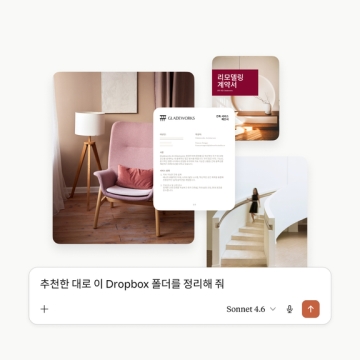
Dropbox Expands Integrated Support for Claude, ChatGPT, and Gemini Spark AI
Dropbox has expanded its integration capabilities with major generative AI platforms including Claude, ChatGPT, and Gemini Spark. The company has launched three connectors for Claude that directly link files and work histories stored in Dropbox to AI workflows, while also strengthening interoperability with AI services from OpenAI and Google. This enables users to obtain accurate AI results without switching between multiple tools.
2026.07.16by 명세환 기자
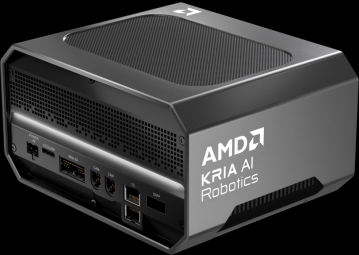
AMD Unveils Full-Stack Computing Portfolio Targeting Agentic AI
AMD has unveiled a full-stack computing portfolio for inference and agentic AI. The Helios rack-scale solution, which integrates 72 MI455X GPUs and EPYC CPUs, has now entered mass production and delivers up to 30% higher AI token throughput per dollar compared to competitors. The company also announced the Kria AI solution for robotics and physical AI applications, along with ROCm.ai software, which major tech companies including OpenAI, Meta, and Microsoft are implementing. AMD forecasts the AI market size to reach 2 trillion dollars by 2030.
2026.07.24by 배종인 기자
.jpg)
OpenAI Hosts AI Hackathon for Social Welfare Fields… Utilizing ChatGPT Work and Codex
OpenAI, along with Hyundai Motor Group's Jung Mong-koo Foundation and Seoul National University, will host Korea's first AI hackathon to solve practical problems in the social welfare field. Thirty non-developer social welfare practitioners will use ChatGPT Works and Codex to develop working prototypes for five teams addressing actual issues such as home care visit documentation, mental health case management, and single-person household network identification. From August to October, the solutions will be refined through action learning projects while undergoing ethics and safety reviews.
2026.07.24by 명세환 기자











