


Snowflake, "Actual Business Workloads, Not AI Experiments"
 Published2026.08.27 12:44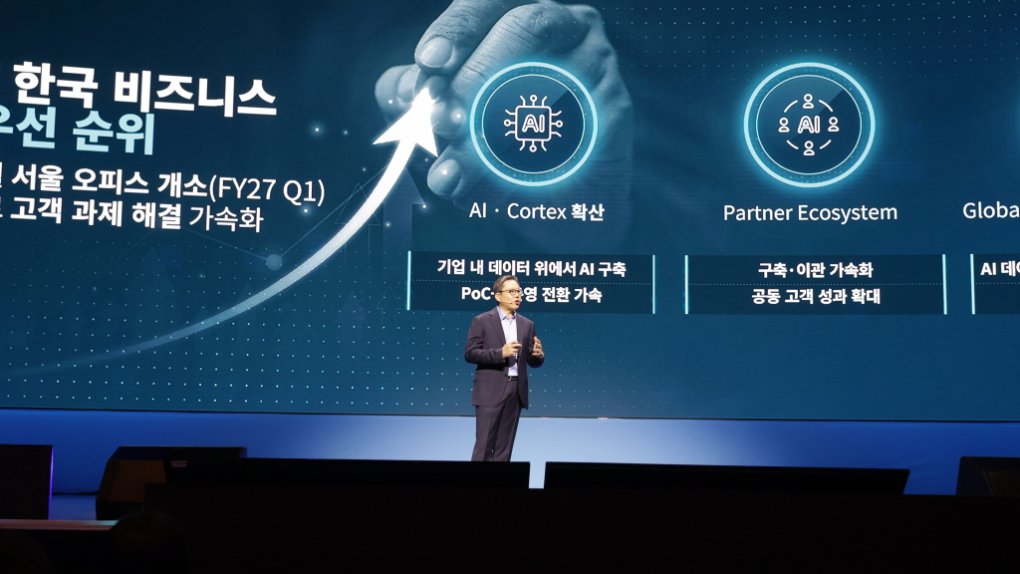
신뢰할 수 있는 데이터·거버넌스로 AI 에이전트 시대 준비
코코(CoCo)·코워크(CoWork)·코텍스 AI 게이트웨이 공개
“AI 전략은 결국 데이터 전략 위에서만 완성될 수 있다”
글로벌 AI 데이터 클라우드 기업 스노우플레이크(Snowflake)는 27일 서울 삼성동 코엑스에서 연례 컨퍼런스 ‘스노우플레이크 월드 투어 서울 2026’을 개최했다.
이날 키노트 무대에는 ‘에이전틱 엔터프라이즈(Agentic Enterprise)’라는 새로운 기업 운영 모델을 화두로 이용석 스노우플레이크 한국지사장과 발라 카시비스와나탄 AI·개발자 경험 담당 부사장, 이수현 테크 에반젤리스트가 차례로 올라 스노우플레이크의 비전과 실제 구현 사례를 소개했다.
무대에 오른 이용석 지사장은 먼저 한국 시장의 성장세를 소개했다.
그는 “2021년 한국 지사 출범 이후 2025년까지 국내 매출이 약 18배 성장했고 고객 수는 10배 이상 증가했다”며 “한국 10대 그룹 중 8곳과 넥슨, 카카오, 토스 등 주요 디지털 기업들이 데이터와 AI 워크로드를 실제 운영하고 있다”고 밝혔다.
그는 AI 도입이 여전히 많은 기업에서 개념검증(PoC) 단계에 머물고 있다는 점을 지적했다.
데이터를 외부로 이동시키고 별도 환경을 구축하는 과정에서 보안 검증과 운영 복잡성이 커지면서 추진 동력이 약해진다는 것이다.
이에 대해 “스노우플레이크는 데이터를 옮기지 않고 원래 위치에서 AI를 구축할 수 있게 해 실험이 아닌 실제 운영 환경으로 빠르게 전환하도록 지원하겠다”고 말했다.
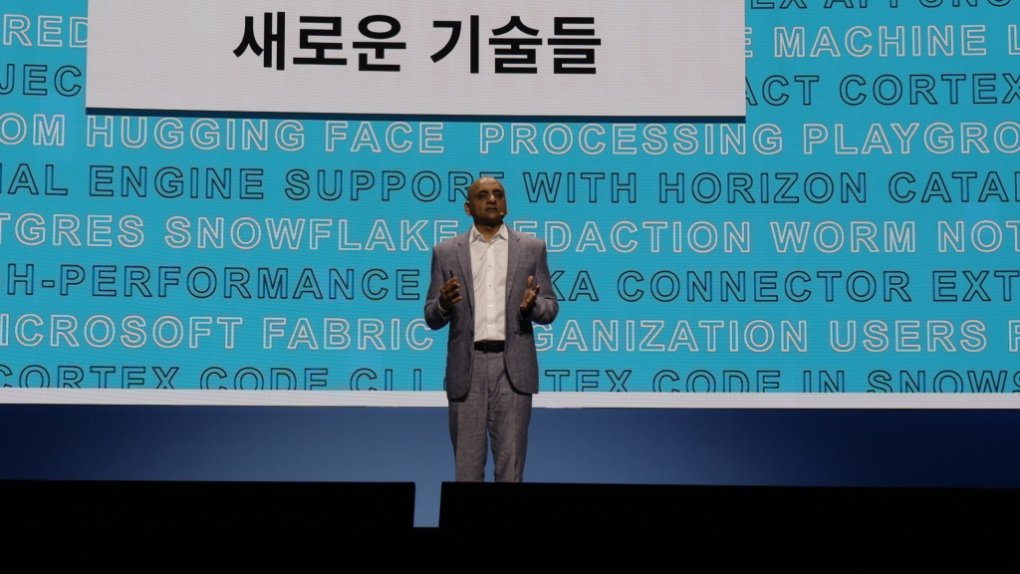
이어 마이크를 넘겨받은 발라 카시비스와나탄 부사장은 기업 AI의 미래를 ‘에이전틱 엔터프라이즈’로 규정했다.
그는 “오늘날 기업들은 수많은 애플리케이션과 데이터베이스, 서로 다른 데이터 형식이 뒤섞인 복잡한 환경에 놓여 있다”며 “AI가 안전하고 신뢰성 있게 작동하려면 단순히 모델만 도입해서는 안 된다”고 말했다.
스노우플레이크가 제시한 해법은 네 가지다.
첫째는 신뢰할 수 있는 데이터와 컨텍스트, 둘째는 특정 공급업체에 종속되지 않는 유연한 AI 모델 선택, 셋째는 기업 업무 애플리케이션과의 연결성, 넷째는 모든 AI 에이전트를 통합 관리하는 컨트롤 플레인이다.
스노우플레이크는 이 네 가지 요소를 AI 데이터 클라우드 위에서 통합 제공하겠다는 전략을 제시했다.
특히 눈길을 끈 것은 AI 에이전트 거버넌스 체계였다.
스노우플레이크는 최근 AI 에이전트 신원 및 접근 제어 전문기업 나토마(Natoma)를 인수하고 이를 자사 플랫폼과 통합했다.
또한 ‘코텍스 AI 게이트웨이(Cortex AI Gateway)’를 통해 기업 내 다양한 AI 모델과 애플리케이션, 에이전트의 접근 권한과 비용, 활동 내역을 중앙에서 통제할 수 있게 했다.
이론 설명에 이어 무대가 어두워지자 객석의 시선은 대형 스크린으로 향했다.
이수현 테크 에반젤리스트는 가상의 스포츠·엔터테인먼트 기업을 예로 들어 에이전틱 엔터프라이즈 시나리오를 시연했다.
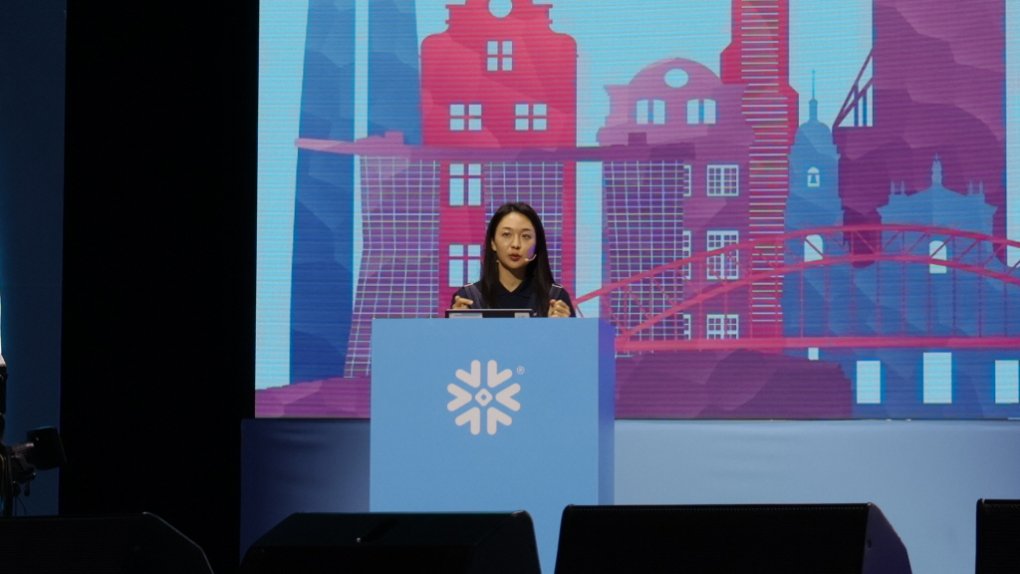
데모에서는 매출 증가의 원인을 분석하기 위해 매출 데이터와 운영 정보, CCTV 영상, 팬 애플리케이션 리뷰 데이터까지 한 화면에서 통합 분석하는 장면이 공개됐다.
AI는 실시간 스트리밍 데이터와 비정형 영상 데이터, 고객 반응 데이터를 동시에 분석해 인사이트를 도출했고, 이후 슬랙과 이메일로 결과를 자동 전송하는 모습까지 구현됐다.
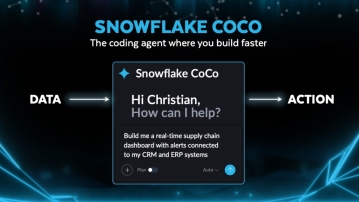
또 다른 장면에서는 새롭게 출시된 개발자용 AI 에이전트 ‘코코(CoCo)’가 등장했다.
사용자가 자연어로 “데이터를 보호해 달라”고 요청하자 AI가 민감정보를 자동 식별하고 적절한 마스킹 정책을 생성해 적용했다. 이어 부서마다 다른 기준으로 사용되는 ‘매출’ 개념을 시맨틱 뷰로 정의해 AI가 동일한 비즈니스 언어를 이해하도록 만드는 과정도 시연됐다.
객석에서는 특히 AI가 단순 분석을 넘어 실제 행동을 수행하는 장면에 관심이 집중됐다.
발라 부사장은 “앞으로 모든 직원이 자신만의 애플리케이션과 업무 자동화를 만들 수 있는 시대가 열리고 있다”며 “개발자가 아니더라도 데이터 기반 서비스를 직접 구축하는 시대가 도래하고 있다”고 강조했다.

Comments
Related news

Snowflake Expands Partnership with Antropic… Supporting Enterprise AI Operations
Snowflake is expanding its collaboration with Anthropic and broadening the scope of Claude model utilization across its enterprise AI product suite. The two companies are linking AI agents and development tools centered on Snowflake Cortex AI, enabling enterprises to operate generative AI based on their internal data. As enterprise AI adoption moves beyond the experimental stage into practical business applications, the importance of AI execution environments that maintain data security and governance is growing.
2026.06.02by 명세환 기자
Snowflake: “‘Core Enterprise Competitiveness’ Shifts to How Fast and Reliablely Data Is Utilized”
Snowflake presented its "Agentic AI" strategy integrating coding, operations, and data governance through Snowflake Summit 2026, emphasizing the direction of transitioning enterprise AI from experimentation to execution phases centered on Coco, Cowork, and Horizon Catalog.
2026.06.04by 배종인 기자

Snowflake Supports Sanofi AI Agent Implementation… Expanding Utilization of Pharmaceutical R&D Data
Snowflake is supporting Sanofi's AI-driven new drug development and sales operations enhancement. Sanofi is building an AI agent called "Concierge for Field" for sales support based on Snowflake Cortex AI, and is expanding data utilization across research and development, manufacturing, and commercial divisions.
2026.06.09by 배종인 기자
.jpg)
Snowflake Supports Thomson Reuters Enterprise AI Implementation
Snowflake supported Thomson Reuters in building an enterprise AI and data platform. Based on Snowflake, Thomson Reuters integrated over 37,500 data tables and 350 data sources, establishing an environment where more than 1,500 employees can leverage governed data. This case demonstrates that data reliability and control systems are becoming increasingly important for expanding AI adoption in the legal, tax, and regulatory industries.
2026.06.10by 명세환 기자
Snowflake Unveils AI Data Integration Strategy at Salesforce Event
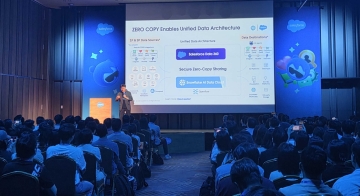
Snowflake announced a data integration strategy for AI agent utilization at Salesforce's "Agentforce World Tour Korea 2026." The two companies presented methods to connect Data 360 and Snowflake AI Data Cloud using zero-copy technology, and to expand the scope of enterprise data utilization through MCP-based agent integration.
2026.06.11by 배종인 기자











