



Silicon Labs Announces Tool to Measure Clock Jitter Easily and Fast
 Published2015.12.07 18:15
PCIe 1.0, 2.0, 3.0, 4.0 스펙을 위한 표준화 지터 계산기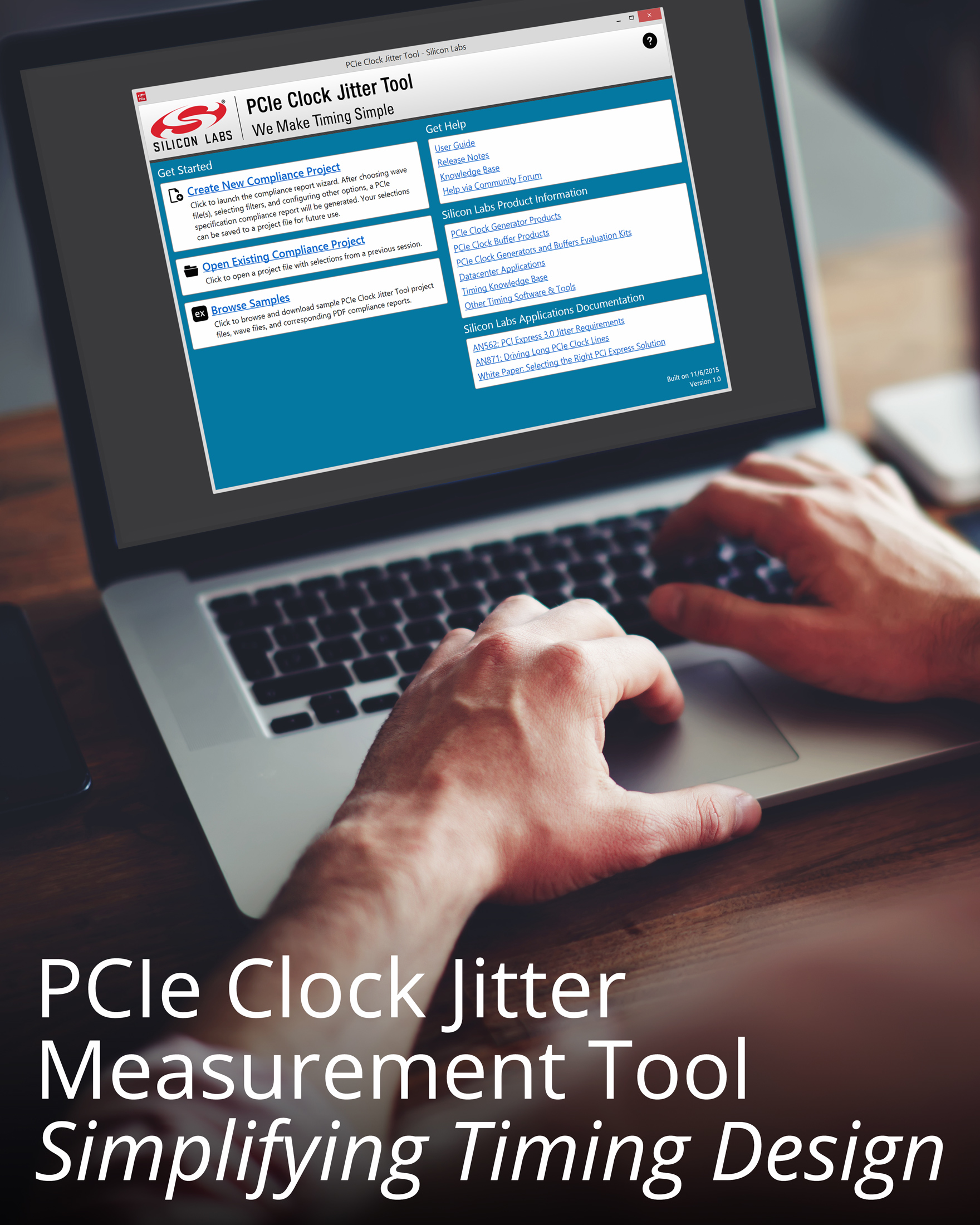
실리콘랩스는 엔지니어가 간단하게 몇 번의 클릭만으로도 오실로스코프 데이터 파일에서 PCI Express® (PCIe®) 클록지터를 빠르고 쉽게 측정할 수 있는 무료소프트웨어 툴을 발표했다. 엔지니어는 이 툴을 통해PCIe 스펙을 준수하는지 쉽게 검증할 수 있으며 시스템 개발 시간을 단축할 수 있다.
실리콘랩스의 클록지터 툴은 PCIe 1.0, 2.0, 3.0, 4.0 스펙을 위한 최초의 표준화된 지터 계산기로, PCIe 아키텍처 기반의 애플리케이션을 개발하는 모든 엔지니어가 무료로 이용할 수 있다. PCIe 커먼 클록 및 개별적인 클록아키텍처를 지원하기 위해 설계된 이 툴은 누구라도 이용할 수 있으며 실리콘랩스의 클록 제품을 사용하는 경우로 국한시키지 않는다.
PCIe기술을 위한 실리콘랩스의 지터 측정 툴은 개발자들이 바로 이용할 수 있으며 www.silabs.com/pcie-learningcenter에서 무료로 다운로드 받을 수 있다.
10년 보다도 더 이전에 데스크톱 PC용 시리얼 인터커넥트로 처음 사용 되었던 PCIe 표준은 현재3세대 기술로 발전하여 블레이드서버, 스토리지, 임베디드 컴퓨팅, IP 게이트웨이, 산업용 시스템 및 가전 제품 등에서 폭넓게 채택되고 있다.
PCIe 기술은 FPGA 및 SoC 기기에 채택되어 시스템내에서 데이터전송을 위한 다목적 고성능의 방법을 제공한다. PCIe스펙은±300 ppm 주파수안정성으로100 MHz 레퍼런스 클록을 규정하지만, FPGA와 SoC 일부 설계에서는 내부에서 최대 250MHz까지 동작할 수 있어 클록 지터 평가가 중요한 설계 고려사항이 되고 있다.

일부 설계에서 최대 250MHz까지 동작할 수 있어
PCIe기술을 위한 필터 마스크 및 지터계산은 개발과정에서 오해되고 있는 부분이 종종 있다. 대부분의 오실로스코프는 정확한 PCIe 클록지터를 측정할 수 있는 필수적인 필터마스크를 탑재하지 않기 때문에, 측정된 결과가 데이터시트사양과 일치하지 않는 이유에 대한 혼동이 발생할 수 있다.
개발자들은 클록 데이터시트 사양 보다 더 높은 PCIe 지터 측정치를 보고하는 경우가 있는데, 이는 설계 문제라기보다는 잘못된 측정의 결과로 판명된다. 실리콘랩스는 PCIe 클록제품의 선도공급업체로서, 이러한 문제를 해결할 수 있는 PCIe 지터툴을 설계했으며, 하드웨에 개발자들에게측정된 클록이 PCIe 지터요건을 준수했는지 여부를 신속하게 판단하는 것을 다운로드하여 사용할 수 있는 유틸리티를 제공한다.
실리콘랩스의 PCIe 기술을 위한 클록지터 툴은, 오실로스코프 데이터파일에서 클록지터를 계산하기 위하여 필요한 몇 개의 간단한 단계를 개발자에게 안내하는 직관적인 그래픽 사용자 인터페이스를 제공한다. 이 툴은 PCIe 1.0, 2.0, 3.0, 4.0 커먼 클록과 개별 레퍼런스 클록 아키텍처를 위한,PCI-SIG®에서 정의하는 모든 필터마스크를 포함하며, 독립적인 SRIS(spread spectrum)와 SRNS(non-spread spectrum) 두가지 방식 모두 지원한다. 지터 결과는 시스템설계가 충분한 지터 마진으로 PCIe스펙의 준수를 보장하면서도 추측에 의한 작업을 배제할 수 있는 간결하고 읽기 쉬운 요약 형태로 보여준다.
관련뉴스에서, 실리콘랩스는 자사의 클록제네레이터 및 버퍼가PCIe 4.0스펙요건을 준수한다고 발표했다. 모든 관련 제품데이터시트는PCI Express 베이스 스펙 4.0, rev 0.5의 내용이 반영되어 업데이트되어있다.
실리콘랩스의 타이밍제품을 담당하는 제임스 윌슨 마케팅 이사는 “우리의 비전 중 하나는 타이밍타이밍 간소화시키는 것이며, 실리콘랩스는 가능한 빠르고 쉽고 정확하게 PCIe 지터 측정치를 얻기 위한 작업을 위해 클록지터 툴을 개발했다”면서 “우리는 개발자들이 이용하는 클록 IC의 공급업체와 무관하게 PCIe 데이터버스표준으로 작업을 하는 모든 개발자가 혜택을 받을 수 있도록 무료로 클록 지터 계산기를 제공하고 있다”라고 말했다.

Comments
Related news

Silicon Labs Launches Thread-Upgradable Home Solution
SiliconLabs announced reference designs that streamline the ZigBee®-based home automation, connected lighting, and smart gateway product development process, accelerating time-to-market.
2015.11.17by
Silicon Labs Launches Small, High-Integration Analog Performance 8-Bit MCU
Silicon Labs announced the release of new microcontrollers (MCUs) with integrated analog performance and peripherals in the 8-bit market.
2015.11.20by

Silicon Labs Acquires Zigbee Module Company Telegesys
Silicon Labs announced the acquisition of Telegesis, a company specializing in wireless mesh networking modules based on its market-leading ZigBee® technology.
2015.11.26by 명세환 기자
European Patent Applications Surpass 200,000 for the First Time… South Korea Maintains 5th Place, Led by Batteries and Telecommunications
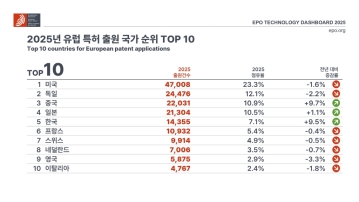
According to the European Patent Office (EPO)'s 'Technology Dashboard 2025', European patent applications last year reached 201,974, surpassing 200,000 for the first time. Korean companies and inventors filed 14,355 applications, representing a 9.5% increase from the previous year and maintaining 5th place by country. Battery, digital communication, and semiconductor technologies led the growth, with Samsung ranking as the top EPO applicant for the second consecutive year and LG reaching 3rd place. The presence of major domestic cities such as Seoul, Suwon, and Yongin was also confirmed. It was also revealed that Korea's European patent strategy is expanding beyond individual technologies to span the entire industry.
2026.03.24by 명세환 기자

SK Telecom First Applies AI-Based Network Operations at Gwanghwamun K-Pop Concert
SK Telecom announced that it applied an AI-based network operation system for the first time at a large-scale K-pop concert held in the Gwanghwamun area of Seoul on March 21st, managing communication quality throughout the event. Mobile data usage during the three hours before and after the concert reached 12.15TB, approximately doubling compared to the same time slot the previous weekend. SK Telecom monitored traffic using the AI system 'A-One' in five-minute and 50-meter units to respond to potential overload situations, while also operating temporary communication facilities and on-site personnel in parallel. This case is interpreted as confirmation of the practical applicability of AI-based autonomous network operation in an environment where demand from dense events and foreign users increases simultaneously.
2026.03.23by 명세환 기자











