


Artificial intelligence, virtual reality, sensing homes… consumers consider them the near future
 Published2015.12.22 11:51
The Consumer Lab Trends Report, published annually by Ericsson, introduced the top 10 hottest consumer trends of 2016.
According to this report, consumers expect to be able to interact with objects in the near future without looking at smartphone screens using artificial intelligence (AI). About half of smartphone users predicted that smartphones will become obsolete devices within the next five years.
It also showed that as the introduction of network technology accelerates more than ever before, the formation of the mainstream market is also accelerating. As a result, the time early adopters have influence is becoming increasingly shorter.
As the adoption of network technology accelerates, the influence of early adopters is diminishing.
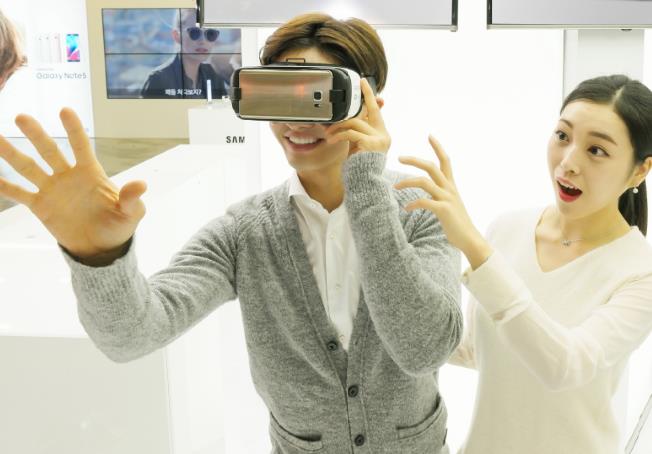
▲ Samsung Electronics' recently released virtual reality headset, 'Gear VR'.
“Some of these trends may seem like things of the distant future, but people are very interested in new interaction paradigms such as AI and virtual reality (VR), and new technologies that embed the internet in the walls of homes or even in the human body,” said Mikael Bjorn, Research Director at Ericsson Consumer Lab. He also
“Due to these changes, new consumer product categories may emerge, or the entire industry could transform into a different form,” he added.
Eight out of ten consumers hope for improvements in vision, memory, and hearing functions through technological advancements.
The insights contained in the “Top 10 Hottest Consumer Trends of 2016” report are based on Ericsson Consumer Lab’s global research program and include diverse consumer opinions. The most extensive survey represents 1.1 billion consumers across 24 countries, while the smallest survey targets 46 million smartphone users in 10 major cities.
The top 10 trends selected this time are as follows:
1. Lifestyle Network Effect: Four out of five people believed that they were enjoying more benefits as more people began using online services. Globally, it was found that one in three consumers participates in various forms of the sharing economy.
2. Streamers: It has been found that teenagers watch more YouTube content than other age groups. It was found that 46% of adolescents aged 16-19 watch YouTube for more than one hour every day.
3. The Rise of AI and the End of the Screen Era: With the advancement of artificial intelligence, we will be able to interact with objects without smartphones. One in two smartphone users predicted that smartphones would become obsolete within the next five years.
4. Virtual Becomes Reality: Consumers wanted to use virtual technology in their daily lives, such as watching sports games or making video calls. Even 44% of respondents wanted technology to print food.
5. Sensing Home: 55% of smartphone owners believed that within five years, sensors monitoring mold, leaks, and electrical issues could be embedded in the bricks used to build homes. The concept of the smart home may need to be redefined from scratch.
6. Smart Commuting: People want to spend meaningful time during their commute instead of just letting themselves be carried by their vehicles. 86% stated that they would be willing to use personalized commuting services if they were available.
7. Emergency Contact Network: In the future, social media may be used as the primary emergency contact network. Six out of ten consumers also showed interest in disaster alert apps.
8. Internables: Sensors that measure well-being inside the body may become the new wearable devices. Eight out of ten consumers stated that they want to use technology that enhances senses such as sight, hearing, or memory, and improves cognitive abilities.
9. Everything gets hacked: Most smartphone users expected that hacking and virus problems would continue. On the positive side, one in five said that although they were hacked, they gained more trust in the organization that handled the situation well.
10. Netizen Journalists: Consumers believe they can share more information than ever before and exert greater influence on society through it. More than one-third of respondents answered that reporting unethical companies online is more effective than reporting them to the police.
Comments
Related news
The future of virtual reality (VR) is quickly becoming the present.
Anderson's CTO stated, "Our focus areas include industry, education, and entertainment, and last year we particularly concentrated on the education sector," adding, "By utilizing our VR prototype solutions in actual industrial sites, we have achieved dramatic improvements in safety and accuracy, resulting in cost reduction effects, and the learning effectiveness demonstrated in educational settings shows a retention rate of over 80% compared to traditional education methods."
2015.09.09by 신윤오 기자
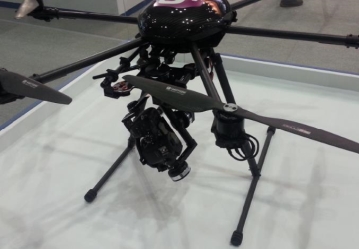
The sensor industry's convergence with information and communications technology is accelerating next-generation product services.
Sumit Kumar Pal, Senior Research Analyst at Frost & Sullivan TechVision, stated, "The integration of information from various sensors to provide comprehensive sensing capabilities and sensor accuracy are becoming key factors that open doors to new applications. With the emergence of flexible sensors, sensor solutions will be able to be applied in increasingly new application fields."
2015.11.13by 신윤오 기자
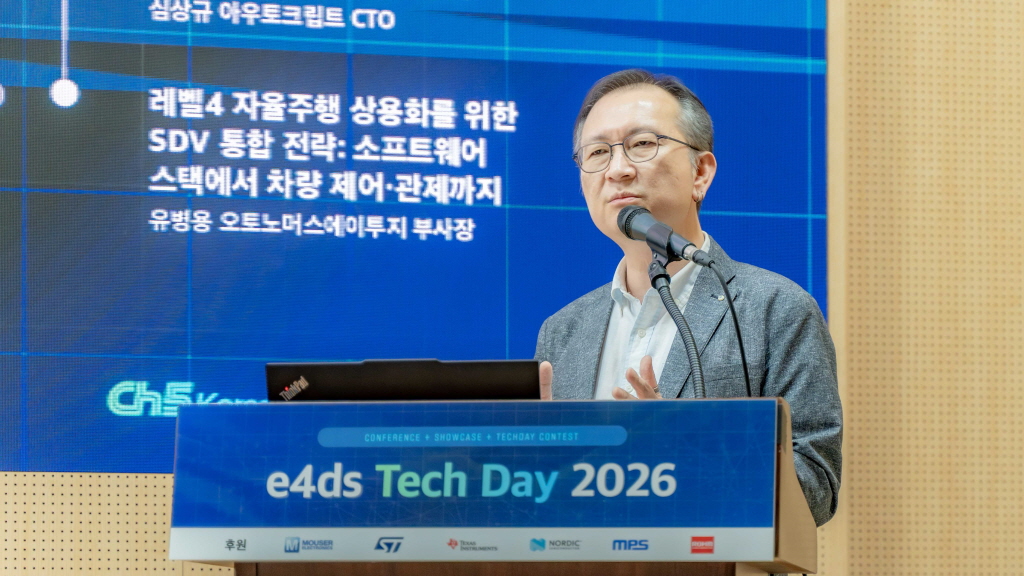
[e4ds Tech Day 2026 ⑨] Sim Sang-gyu, Autocrypt CTO: "In the Physical AI Era, Automotive Security Must Extend Beyond the Vehicle"
At e4ds Tech Day 2026, Sim Sang-gyu, CTO of Autocrypt, explained automotive cybersecurity strategies in the era of Physical AI and SDV (Software-Defined Vehicle). Automobiles are evolving as part of an ecosystem connected to AI, cloud, chargers, IoT, and robots, and he emphasized that the scope of security must expand beyond the vehicle interior to the entire connected environment. In particular, AI model tampering, adversarial attacks, OTA updates, and EV charger hacking were identified as major threats. He explained that response measures require zero trust, AI model integrity protection, intrusion detection, Security by Design and Default, and full lifecycle security management, and that proactive security system establishment beyond regulatory compliance is critical for securing future mobility competitiveness.
2026.10.12by 배종인 기자

NVIDIA to Invest $1 Billion in U.S. Science Over Next Five Years
NVIDIA has announced plans to invest $1 billion over the next five years to strengthen U.S. scientific and technological competitiveness. The company will enhance cutting-edge artificial intelligence research and development capabilities in key areas including quantum computing, healthcare, and energy security, while expanding support for higher education research institutions and cloud service providers. NVIDIA is participating as a major industry partner in the White House Office of Science and Technology Policy's Genesis Mission, and is promoting supercomputer construction in collaboration with national laboratories including Argonne and Los Alamos.
2026.10.12by 배종인 기자
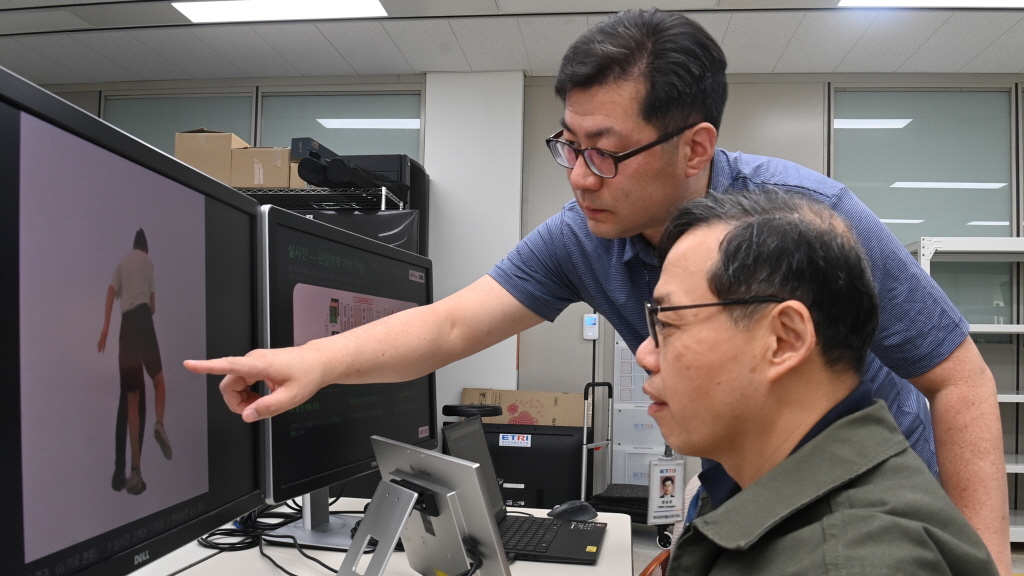
ETRI Unveils 3 Next-Generation Media Technologies Including AI-Dedicated Video Compression
ETRI has unveiled three next-generation media technologies optimized for AI. These include AI-based video encoding (VCM), 3D human generation based on sparse cameras, and generative AI-based pre-visualization technology. In environments where AI directly processes video such as autonomous vehicles, robots, and drones, these technologies enable efficient compression and transmission of large-scale data, and can be applied across various industrial sectors including smart cities, video security, and sports broadcasting.
2026.10.12by 배종인 기자











