



Diagnosing diseases with a single drop of blood: Development of high-sensitivity graphene biosensors takes a step closer
 Published2016.08.16 09:12
Detectable trace amounts of protein present in a single drop of blood
Recently, a domestic research team developed a technology to fabricate high-sensitivity biosensors capable of diagnosing various diseases by realizing graphene, known as the "dream material," into a large-area panel (4-inch wafer).
A team led by Dr. Kyo-Seon Hwang of the Bio-Microsystems Research Group at the Korea Institute of Science and Technology (KIST, President Lee Byung-kwon) fabricated a graphene biosensor with a precisely implemented pattern of tens of micrometers (100,000 to 1/1,000,000 of a meter) by applying semiconductor process technology.
This sensor can determine the presence or absence of disease by identifying the amount of specific proteins contained in a single drop of blood through a blood test. In particular, the graphene sensor has excellent sensitivity, allowing for the rapid and accurate detection of minute amounts (picograms (pg/mL) * one trillionth of a gram) of biomarkers (disease marker proteins) in the blood, thereby enabling fluid diagnosis of various diseases.
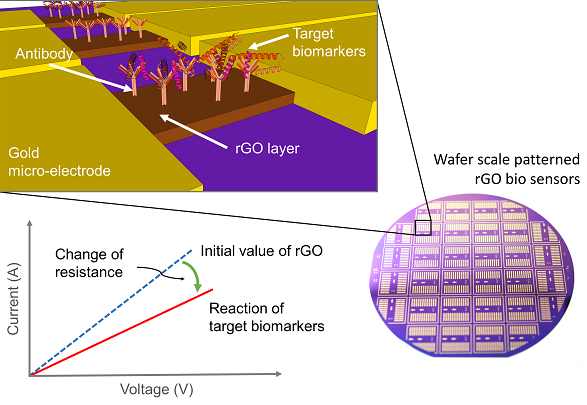
For the commercialization of developed sensor technology, not only must sensor performance, such as sensitivity and reproducibility, be excellent, but a fabrication method that lowers production costs by implementing sensors over large areas is also crucial. In this regard, the graphene biosensor fabrication technology presented here can be considered a candidate for commercialization that has secured the feasibility of large-area implementation.
Graphene biosensors are expected to enable the easy and rapid diagnosis of Alzheimer's dementia, a representative aging disease, by detecting minute amounts of beta-amyloid protein present in the blood. The possibility of diagnosing dementia via blood was confirmed using the blood of transgenic (TG) mice and wild-type (WT) mice, and the research team has currently secured clinical trial data capable of distinguishing between healthy individuals and patients.
This research was conducted as a representative example of convergence research, involving joint studies on genetically modified mice with Dr. Young-soo Kim's research team at KIST and basic performance evaluation of graphene sensor fabrication with Professor Seok-tae Jang's team at Chung-Ang University. Dr. Kyo-seon Hwang's team, which has experience transferring technology for a dementia blood diagnostic system developed earlier this year to a company, is accelerating follow-up research to achieve commercialization by evaluating the potential for early diagnosis of various diseases, including not only dementia but also cancer, diabetes, and depression.
Dr. Hwang Kyo-seon of KIST stated, “This research result is significant in that it brings us one step closer to the commercialization of high-sensitivity sensors capable of diagnosing various diseases through the simple method of blood testing, and lays the technical foundation for implementation on large surfaces.” He added, “We plan to conduct clinical research in cooperation with domestic and international clinical institutions to verify the applicability to various diseases.”
It is expected that once this technology is commercialized, anyone will be able to conveniently diagnose diseases, including various incurable diseases, through blood tests.
This research was conducted with support from KIST’s proprietary Future Source Technology Development Project and Open Research Program (ORP), as well as the Disease Overcoming Technology Development Project implemented by the Ministry of Health and Welfare, and the results were published in the online edition of the world-renowned scientific journal 'Scientific Reports' on August 10.
Comments
Related news
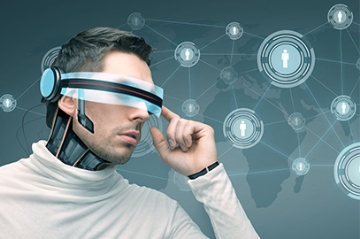
[Company Review] Yuwoo Electronics Targets Global Market with MEMS-Based Infrared Sensors
U-Electronics (CEO Han Yong-hee), a specialist in uncooled infrared sensors, is a company specializing in infrared sensors based on MEMS technology. MEMS technology is the fundamental technology for developing and manufacturing thermal imaging sensors. U-Electronics is the only domestic company with over 15 years of experience and expertise in MEMS-based thermal imaging sensors. The company supplies this product to various fields. The major business areas are smart devices, smart building automation IoT, automotive, and industrial sectors. In other words, it targets the smart device field such as camera modules, non-contact thermometers, wearable bands and glasses, and DIY (home, car, security) applications, as well as the smart building automation IoT field including human detection, energy saving, intrusion detection, and fire prevention sensing.
2016.06.20by 신윤오 기자

ams Announces New Temperature Sensor Ideal for Wearable Devices
ams (Korea Branch Representative: Lee Jong-deok) announced the launch of the AS6200, a highly integrated digital temperature sensor that combines low power consumption and high precision functionality in a compact package at the industry's best levels. The AS6200, with dimensions of 1.6mm x 1mm, has a typical current consumption of 6μA at a measurement speed of 4 samples per second, and its digital measurement output has a precision of ±0.4°C. The AS6200, which is factory calibrated with precision, integrates the functions required in temperature sensing systems into a single chip, enabling users to easily design sensors even in space-constrained or battery-powered products.
2016.06.22by 명세환 기자
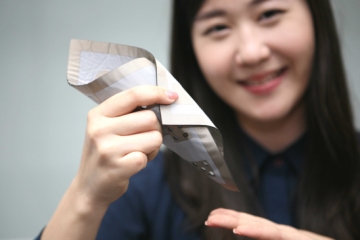
LG Innotek Develops 'Fiber-Type Flexible Pressure Sensor' That Can Be Rolled Up Like Clothing
LG Innotek (CEO Park Jong-seok, 011070) has successfully developed a wide and flexible 'fiber-type flexible pressure sensor.' This innovative product can be rolled up like fabric material and senses pressure across the entire sensor surface. A pressure sensor is a component that detects the intensity of external force. It is installed in medical devices, automobiles, and other applications to measure and analyze pressure, and is utilized in customized services according to the user's health status or driving environment.
2016.06.29by 신윤오 기자
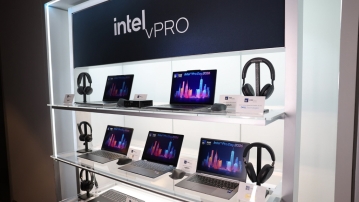
Intel Unveils Next-Generation 'Core Ultra Series 3' and vPro Platform for Enterprise PCs
Intel has officially unveiled the "Intel Core Ultra Series 3" for next-generation enterprise PCs and the latest vPro platform, addressing a wide range of demands from enterprise notebooks to high-performance workstations.
2026.03.26by 배종인 기자
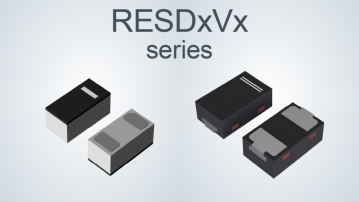
ROHM Launches ESD Protection Diode Compatible with High-Speed Interfaces of 10Gbps or Higher
Semiconductor specialist ROHM has developed the 'RESDxVx series' of ESD (electrostatic discharge) protection diodes capable of responding to next-generation high-speed data communication environments exceeding 10Gbps, simultaneously enhancing both signal quality maintenance required in high-speed interfaces and IC protection performance.
2026.03.26by 배종인 기자











