


[Interview] STM32 10th Anniversary: Why Do Developers Keep Looking for This MCU?
 Published2017.06.19 16:58
32비트 마이크로컨트롤러(MCU) STM32가 10년을 맞았다. 특정 제품군이 오래도록 사랑받은 경우는 적지 않지만, 매년 달라지는 트렌드와 개발환경에 따라 개발자에게 선택 받은 경우는 흔하지 않다. 흔한 말로 ‘한번 쓰고, 두 번 쓰고 자꾸만 쓰고 싶은’ MCU로 지난 10년 동안 업계의 꾸준한 사랑을 받아 온 제품이다.
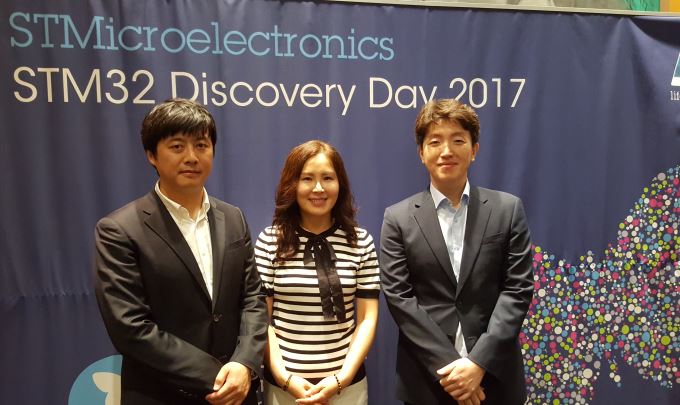
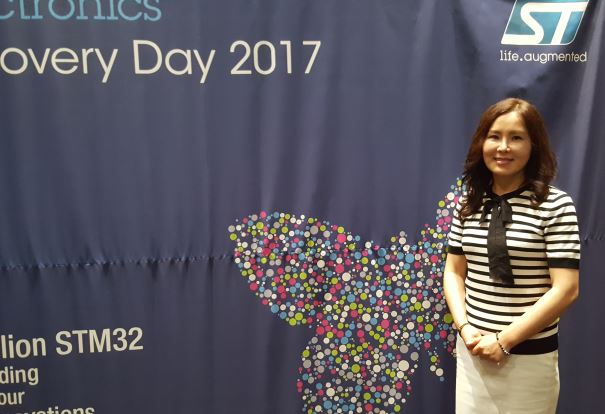
이처럼 STM32가 성공할 수 있었던 배경에는 발로 뛰며 개발자들의 의견 반영을 게을리 하지 않은 ST코리아의 노력이 있었다. STM32의 10년을 지켜 온 ST마이크로일렉트로닉스 코리아의 최경화 부장(사진)을 만나 지난 10년과 앞으로의 계획을 물었다.
-STM32 출시 10년이 됐습니다. 10년 전 상황은 어땠나요?
10년 전 STM32를 출시 행사를 하던 날이 아직도 생생합니다. 그때는 ARM Cortex M에 대해 고객들의 인지도가 높지 않았습니다. STM32와 더불어 ARM Cortex M3의 장점을 같이 홍보해야 했죠.
-그런 STM32가 10년이 지난 지금까지 꾸준히 이용될 수 있었던 이유가 뭐라고 생각하세요?
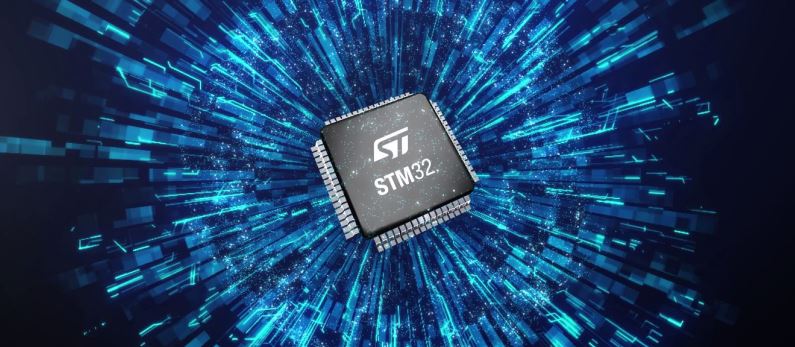
STM32는 하이퍼포먼스(High-Performance)와 울트라로우파워(Ultra Low Power)에 적합한 다양한 제품군을 출시해 왔어요. ARM코어의 범용성과 기술 우위성을 기반으로 빠르게 성장할 수 있었죠. 특히 ST는 자체기술인 ART(Adaptive Real Time) 엑셀러레이터로 플래시속도(flash access)를 높이고 퍼포먼스를 최대화할 수 있도록 도왔습니다. 일반적인 32비트 MCU는 프리패치 버퍼(prefetch butter)정도 기능을 지원하지만, ART는 보다 많은 메모리를 지원해 코어의 고속 동작 시 메모리 액세스에 의한 동작 지연을 방지합니다. 바로 고속 처리에 필요한 애플리케이션에 적합한 이유입니다.
“초저전력 제품부터 고성능 제품까지 다양한 STM32 제품군 선보일 예정”
-그렇다면, 올해는 어떤 MCU 제품군을 눈여겨봐야 하나요.
초저전력 제품부터 고성능 제품군까지 다양하지만 화려한 그래픽 처리와 음성인식 같은 애플리케이션을 소화할 수 있는 STM32H7 제품군이나, IoT 애플리케이션을 타깃으로 가격 대비 효율성이 좋아 세계적으로 널리 쓰이는 STM32F4, IoT 노드 제품에 적합한 로우 파워 제품군의 STM32L0 제품군을 강조하고 있습니다. 다양한 주변 장치를 선택할 수 있도록 ST MCU Finder 앱을 안드로이드와 IOS, PC용으로 출시해 고객들의 호응을 얻기도 했어요.
-특히 전력 소모에 민감한 웨어러블에 적합하다고 강조하는 BAM(Batch Acquisition Mode) 모드 기술은 시장에서 반응이 어떤가요?
BAM 기능은 CPU를 거의 잠재우고 센싱은 지속해서 감지하며 필요 시점에만 CPU를 깨워 데이터를 디스플레이에 나타내는 형태예요. 전력 소모를 줄일 수 있죠. 웨어러블 기기에서 코인 배터리로 일주일 정도 유지하는 게 목표인데 BAM을 활용해 고객들도 효과를 봤다고 알고 있습니다.
“소프트웨어 보안 아닌 하드웨어, 암호화 처리 블록 내장으로 보안 강화”
-최근 IoT 때문에 보안 관련 이슈가 뜨거운데, STM32의 보안은 어떤가요.
아직 한국에는 해킹 사례가 없지만, 중국에는 피해사례가 있습니다. 미리 대비해야죠. 기존에는 하드웨어가 아닌 소프트웨어로 지원하기도 했지만 아무래도 소프트웨어는 취약해 AES, MD5, SHA, 난수발생장치 같은 암호화 처리 블록을 내장했습니다. 또한, 복제를 막는 템퍼프로텍션과 통신 코드 복제를 막는 메모리 프로텍션 유닛을 추가하기도 했습니다. 기기를 켰을 때 누군가 해킹하려 하지 않는지 확인하고 시스템을 켜는 보안 시스템을 내장한 형태도 출시하고 있고요. 가장 강력한 형태는 ST와 고객사가 시리얼 넘버를 1:1로 공급하는 형태도 있습니다.
-이외에 고객들이 ST에 요구하는 사항은 어떤 것이 있나요?
고객사가 다양해 본사 라인업과 다른 형태의 요구사항이 있습니다. 본사에서 준비되지 않은 한글 가이드나 이지 가이드 작업을 통해 편의성을 제공하기도 했고요. 한국이 해외보다 앞서가는 분야는 저희(ST코리아)와 본사 간 피드백을 활발히 주고받았죠. 엔지니어와 마케팅이 합작한 솔루션을 제공해 좋은 결과를 내기도 했습니다. 그런 선례는 미국이나 중국의 다른 고객에게 전파가 되고 있습니다.
앞으로도 MCU트레이닝데이와 테크니컬 교육 세미나를 주기적으로 개최해 고객과 접점을 만들 계획입니다. 엔지니어와 고객이 만나 궁금했던 점을 질문하고 풀어가는 교육 세미나는 매달 예약이 꽉 찰 정도입니다. 또, 온라인상에서 질문할 수 있는 커뮤니티를 운영해 한글로 이메일을 주시면 직접 답해드리고 있습니다. 지난 10년간 “STM32의 개발환경이 좋다”는 말을 듣곤 했는데, 앞으로도 전문가와 대리점 등과 협력해 즉시 솔루션을 제공할 수 있도록 할 계획입니다.
Comments
Related news
[Planning] MCU Company ⑤ STMicroelectronics: "Highly integrated, low-power MCUs are perfect for IoT products, and we plan to expand into the low-end market in the future."
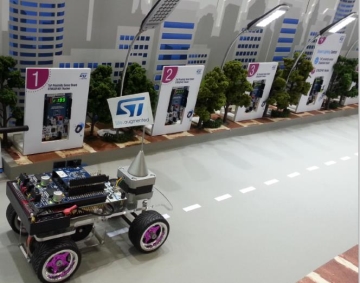
"Visiting MCU Companies" has this time sought out ST Microelectronics (hereinafter ST), renowned for its broad range of MCU offerings. ST possesses over 600 products that can be applied to diverse applications suited to the IoT era. Since the launch of STM32 in 2007, the company has currently moved into mass production of the STM32 F7 based on Cortex-M7. Additionally, ST plans to provide development environments free of charge to developers and hold training sessions. We meet with Manager Choi Kyung-hwa (photo), who oversees MCU operations at ST Korea, to hear about the secrets to competitiveness.
2016.01.11by 신윤오 기자
ST Launches Ultra-Low Power MCU Supported by Development Ecosystem
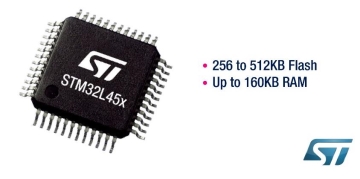
ST Microelectronics (hereinafter ST) announced that it has begun mass production of the STM32L45x, an ultra-low-power microcontroller. The product is supported by an easy-to-use and reasonably priced ecosystem development tool based on the STM32Cube platform. The STM32L451, STM32L452, and STM32L462 product lines are equipped with a Digital Filter for Sigma-Delta Modulators (DFSDM), enabling advanced audio functions such as noise cancellation and sound localization to be implemented even with affordable MCUs. With on-chip flash memory of up to 512K bytes and SRAM of 160K bytes, sufficient code and data storage space is secured. Additionally, the devices feature a True Random-Number Generator (TRNG), which simplifies development of security-critical applications such as connected smart products over networks. The STM32L462, in particular, is equipped with AES-256 cryptographic hardware accelerator to strengthen secure product development support. Other features include multiple timers, motor control channels, temperature sensing sensors, and capacitive sensing interfaces. The STM32L452 also features a crystal-less USB2.0 controller.
2017.05.30by 김지혜 기자
ST provides cost-effective security features to IoT devices
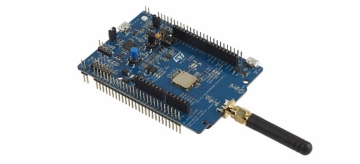
G+D Mobile Security, Murata, and STMicroelectronics have collaborated to implement cost-effective security features in Internet of Things devices. The joint solution has begun sales targeting various application areas and enterprise markets, enabling the secure transmission of Low Power Wide Area Network keys (LPWAN keys) while guaranteeing the integrity and confidentiality of data exchange. The number of internet-connected devices continues to increase steadily, and many of them are used in various types of essential systems. Going forward, non-cellular communication methods such as LoRaWAN™ will play an important role in critical IoT applications. Non-secure devices accessing critical systems can become easy targets for tampering and attacks, potentially posing serious risks not only to the applications themselves but also to the entire infrastructure. The new solution from G+D Mobile Security, Murata, and STMicroelectronics enables security features to be easily integrated from the device manufacturing stage, adding value to products in an effective and convenient way while protecting the IoT ecosystem.
2017.06.13by 김지혜 기자

Intel Unveils Next-Generation 'Core Ultra Series 3' and vPro Platform for Enterprise PCs
Intel has officially unveiled the "Intel Core Ultra Series 3" for next-generation enterprise PCs and the latest vPro platform, addressing a wide range of demands from enterprise notebooks to high-performance workstations.
2026.03.26by 배종인 기자

ROHM Launches ESD Protection Diode Compatible with High-Speed Interfaces of 10Gbps or Higher
Semiconductor specialist ROHM has developed the 'RESDxVx series' of ESD (electrostatic discharge) protection diodes capable of responding to next-generation high-speed data communication environments exceeding 10Gbps, simultaneously enhancing both signal quality maintenance required in high-speed interfaces and IC protection performance.
2026.03.26by 배종인 기자











