



[Talking about Industrial IoT ②] Schneider: "Augmented reality that identifies defects by simply holding it up is the evolution of IIoT."
 Published2017.07.31 11:57
제4차 산업혁명을 두고 제조 혁신을 이룰 기회라고 한다. 기회는 준비된 자들의 것인데, 기회를 잡기보다 의심의 눈초리로 바라보는 이들이 여전히 남아있다. 글로벌 에너지관리 및 자동화 전문기업 슈나이더 일렉트릭(Schneider Electric)은 이러한 기회를 현실로 바꾸는데 앞장서고 있는 대표 기업중의 하나이다. 슈나이더가 실현하고 있는 산업용 IoT에 대해 좀더 자세히 들어보기 위해 슈나이더 일렉트릭 코리아의 자동화 사업부 정성엽 팀장과 소프트웨어 채널 비즈니스의 노근배 팀장을 만났다.
-기업은 ‘산업용 IoT’를 도입하면 어떤 이득이 있다는 것인가?
정성엽 팀장(이하: 정): 국내에서는 정부나, 상사가 시키는 대로 하다 보니, 이런 갈증이 계속 느껴지는 것 같다. 그리고 주로 레볼루션(Revolution; 혁신)이라고 하는데, 슈나이더는 '에볼루션(Evolution; 진화)'라고 부른다. 새로운 것이 생기는 게 아니라 생산성이 올라가고, 전기세가 떨어지고, 데이터를 쉽게 보고, 다운 타임이 줄어들고, 더 많은 부분이 자동화되는 것이다.
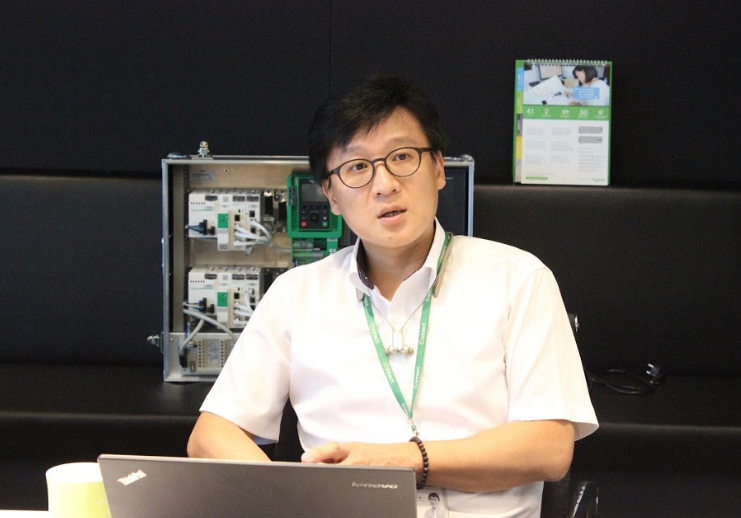
자동화 사업부 정성엽 팀장
일단, 도입을 해보고 피부에 와 닿는 효과를 느끼면 갈증이 해소될 것으로 본다. 예를 들어 곡면을 깎는 업무에 IoT를 실현하면, 기계는 입력된 값대로 작업해 품질이 일반화되고, 사람은 기계를 직접 다루지 않아 안전해지고, 편해질 수 있다. 단, 데이터를 분석하기 위해서는 자사가 부족한 것과 필요한 것을 인지하고 데이터를 플랜트 제공자나 컨설팅 회사에 제공해야 한다.
-국내 제조업은 산업용 IoT 도입 수준이 어느 정도 된다고 생각하는지.
노근배 팀장(이하: 노): 현장에서부터 필요성을 인지하는 단계다. 한 대기업 현장의 사례로는 ‘모터를 관리하고 싶다’는 이야기가 있었다. 그런데 진동 센서와 온도 센서는 부착되지 않은 상태였다. 데이터가 없으면 (데이터를 활용한) 솔루션을 드릴 수가 없다. 대부분이 이렇게 필요성은 인지하나, 데이터 구축을 위한 기반도 갖추지 않았다. 전체 자동화보다는 부분 자동화부터 구축하고 활용하는 방안으로 가고 있다.
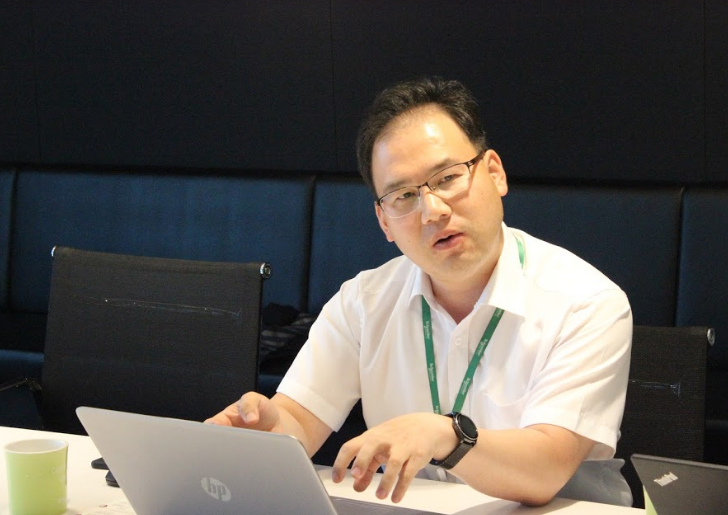
소프트웨어 채널 비즈니스의 노근배 팀장
대부분 필요성은 인지하나, 데이터 수집 같은 기반도 갖추지 않았다
전체 자동화보다는 부분 자동화부터 구축하고 활용한다
-슈나이더의 산업용 IoT 기술 플랫폼, 에코스트럭처(EcoStructure)는 어떻게 솔루션을 제공하나
정: 데이터를 수집하는 제품 간 연결(1단계)과 데이터를 기반으로 최적화된 자동화를 구현하는 엣지 제어(2단계), 진단 후 시뮬레이션해보거나 분석 리포트를 제공하는 등 소프트웨어(3단계)로 구성된 통합 플랫폼이다. 공정 최적화부터 빌딩, 홈, 데이터센터, 스마트 그리드 등 폭넓은 솔루션을 제공하고 있으나 인더스트리 분야에 특화됐다.
-에코스트럭처의 도입 사례로 설명한다면.
정: 모터를 돌려주는 인버터에 에코스트럭처를 구성한다면, 모터의 온도, 에너지 등의 데이터를 모아서 엣지 컨트롤러에 보낸다. 여기서 슈나이더의 PLC M580 ePAC은 이더넷 기반의 백본을 갖추고 있어 데이터 지연이 없다. 컨트롤러에서 전달받은 데이터는 클라우드 시뮬레이션 소프트웨어 심싸이(SimSci)나 증강현실 소프트웨어 비제오 360(Vijeo 360) 등으로 관리한다.
-증강현실 기반의 비제오 360은 스마트팩토리 홍보 동영상에서나 볼 수 있던 첨단 기기 같은데.
정: 아이패드로 기기를 스캔하면 데이터를 볼 수 있다. 현장 감독관들은 결함이 발생하면 바로 조치를 취하고 이력을 남길 수도 있으니 고객들의 문의가 많은 솔루션이다. 물론, 원거리에서 불량률을 확인하고 제어하는 수단으로 활용하기도 한다. 외국에서는 이미 도입된 사례가 있다.
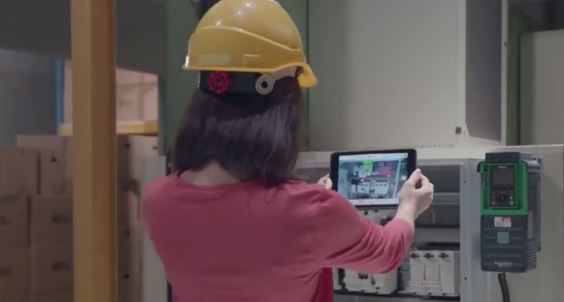
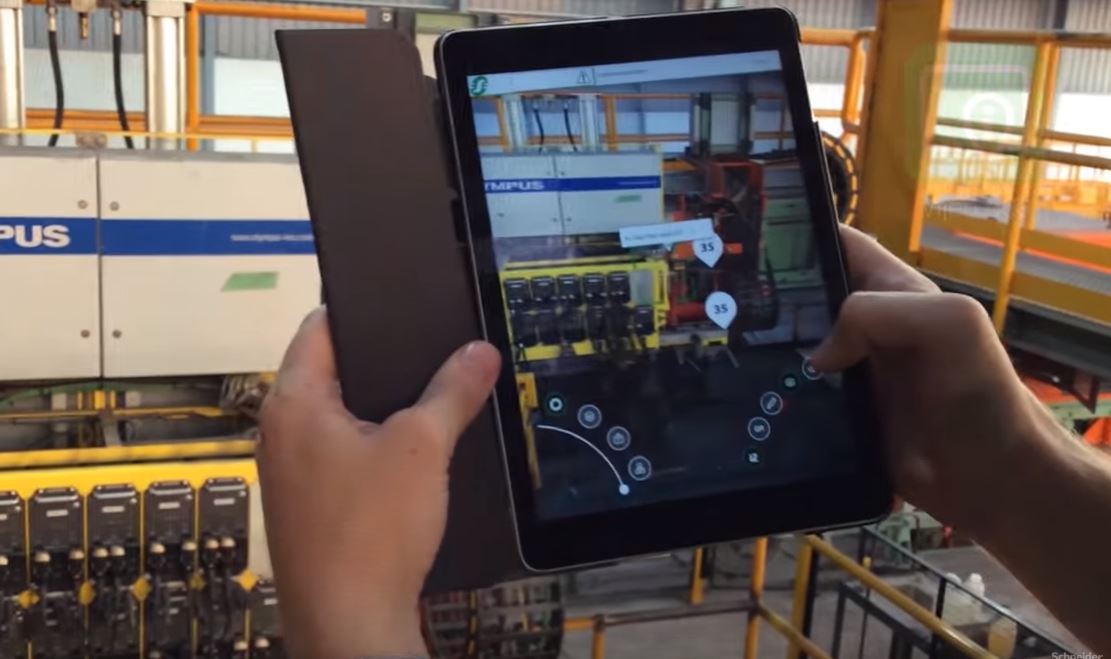
슈나이더 비제오 360 적용 모습. 사진출처: 슈나이더 홍보영상
-이 밖에 IIoT 분야에서 슈나이더만의 차별점은 무엇인가.
노: 표준화로 인한 효율성을 꼽을 수 있다. 지난해에 지멘스와 로크웰, 슈나이더의 PLC를 통합 관리할 수 있는 프로메테우스 (Prometheus) 소프트웨어를 발표했다. 올해에는 센서부터 이기종 PLC 및 설비 데이터를 통합하고 고객 요구에 따라 공정관리 및 제어 시스템 등을 더할 수 있는 시스템플랫폼 2017을 출시했다. 마이크로소프트사의 OS와 애저(Azure)를 함께 사용하기 때문에 속도가 빠르고 편리하다.
한순간에 출시된 플랫폼이 아니라 2002년 버전도 있다. 당시에는 소프트웨어만 제공했기에 PLC(Programmable Logic Controller)나 DCS(Distributed control system)를 갖춘 업체와 경쟁하기 위해서는 호환성이 없으면 살아남기 힘들다는 생각에 이기종을 통합할 수 있는 표준 플랫폼을 만들었다. 2002년에는 3만 2천 개 I/O를, 현재는 최대 200만 I/O를 제공하고 있다. 예를 들어 상수도 시설 레퍼런스가 은평구와 강동구가 각각 다르더라도, 중앙에서 시스템 플랫폼을 통합하기 때문에 현황판이나 데이터를 한 화면에서 볼 수 있다.
-산업용 IoT 분야에서는 파트너십이 중요한데, 슈나이더는 어떻게 하고 있는가.
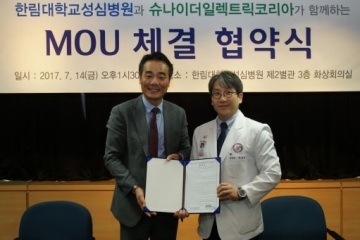
정: 국내외에서 활발하게 파트너십을 맺고 있다. 마이크로소프트나 시스코도 그렇지만 크고 작은 SI(system integration) 기업이나 통신사 등 폭넓은 분야와 비즈니스 모델을 연구하고 있다. 자신의 강점을 활용해서 필요한 부분을 어떻게 채워 나갈지 엔지니어나 컨설턴트, 유통 업체와 고민하는 것이다. 이번 달에는 한림대 성심병원과 MOU를 체결하기도 했다.
-중소기업과의 협업은 어떻게 이뤄지고 있나.
정: 준비는 많이 하고 있으나 소자 부품 센서부터 데이터를 모아야 해서 어려움이 있다. 국내 제조업 공장이나 공정을 보면 손으로 만들고, 단위로 구성된 개별단위 공정이 많다. 스마트팩토리 민간협동 추진단에서도 시스템 구축을 개별단위 공정으로 지원해왔고. 이제 개별 공정은 어느 정도 성숙해져 자동화를 구축할 단계인 것 같다. 추후에는 슈나이더가 MES 같은 상위 솔루션을 제공하는 기회가 생길 것으로 본다.
-슈나이더라는 기업하면 산업용 IoT가 떠오른다고 생각하는가. 앞으로 꿈꾸는 미래는.
정: 과거 슈나이더는 전기와 에너지를 관리하는 회사였으나 인벤시스 인수합병(2014년) 후 PLC나 DCS로도 진출할 수 있는 계기가 마련됐다. 앞으로는 슈나이더의 ‘에코스트럭처’가 산업용 IoT 시장에서 독립된 플랫폼으로 자리 잡는 미래를 그리고 있다. 국제 시장에서도 한국이 파급효과를 발휘할 수 있도록 슈나이더 코리아도 노력하겠다.
Comments
Related news
Schneider Electric Launches 2017 System Platform to Advanced Plant Operations
Schneider Electric Software Korea announced the launch of System Platform 2017, a system platform that advances plant data architecture to enhance operational efficiency and productivity. System Platform 2017, based on Wonderware, is a data standard platform incorporating industrial Internet of Things technology. It collects and analyzes vast amounts of process data and visualizes this information to support not only on-site operations managers but also executives in efficiently operating plants and making optimal business decisions. System Platform 2017 is structured in a hierarchical format based on plant models, enabling centralized management of data from the lower to upper levels of the plant. It integrates sensor data from the lower level with heterogeneous PLC and equipment data, and upon this platform, various process management and control systems such as SCADA (Supervisory Control and Data Acquisition), MES (Manufacturing Execution System), and CMMS (Computerized Maintenance Management System) are implemented according to customer requirements. Based on this foundational information, it also provides an operator training system (OTS) and extended solutions for optimizing process operations.
2017.07.03by 김자영 기자
[Talking about Industrial IoT ①] GE Interview: "Industrial IoT, Like Saving Electricity, Must Start with Purpose"
Industrial IoT, as commonly referred to, encompasses the concept of the Industrial Internet that emerged from the opposite perspective of consumer internet. The connectivity between computers and connections among people were collectively termed the Internet of Things, but this concept alone could not explain everything needed in industry. Ultimately, the concept of how to connect machines and people converged into the Industrial Internet. GE, having transformed itself into a digital company early on, established the concept of Industrial Internet and materialized it into visible solutions. Kim Sung-jin, Executive Vice President of GE Digital, emphasizes that "starting right now is the first step of Industrial IoT." We heard from Kim, who states that connections must extend beyond inter-device connectivity to include people as well, about GE's Industrial Internet story.
2017.07.17by 신윤오 기자
Schneider-Hallym University Sacred Heart Hospital Agreement, 'Maximizing Energy Efficiency with IoT'
Schneider Electric Korea signed a memorandum of understanding (MOU) with Hallym University Sacred Heart Hospital. This was conducted as part of establishing mutual cooperation for the development of various business platform programs, aimed at promoting mutual goodwill and expanding exchanges.
2017.07.24by 김자영 기자
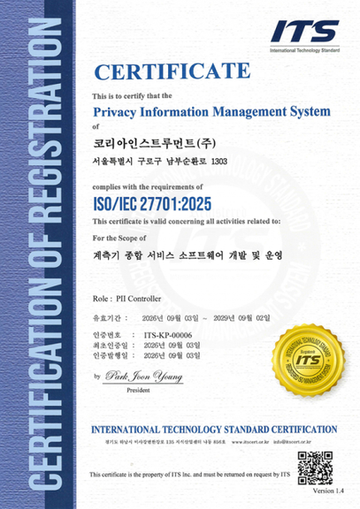
Korea Instrument, KOLAS Accredited Calibration Agency First to Simultaneously Acquire ISO/IEC 27,001·27,701
Korea Instrument has become the first among KOLAS accredited calibration agencies to simultaneously acquire ISO/IEC 27,001 and ISO/IEC 27,701 certifications. Through its proprietary platforms CWIZ Enterprise and CWIZ Partners, the company has embedded information security and personal data protection requirements across all business processes including customer information, equipment data, and calibration reports, with plans to continuously advance its management system through regular audits and security inspections.
2026.10.12by 배종인 기자
TeamViewer One, IT Incident Automation Workflow and Resolution Center Enhanced
TeamViewer has added IT incident automation capabilities and an advanced Resolution Center to its integrated digital workplace management platform 'TeamViewer ONE'. Recurrent service disruptions, configuration errors, and capacity shortages are automatically handled according to preset policies, and device status verification through script deployment can be managed in a unified interface, significantly reducing repetitive tasks for IT teams.
2026.10.12by 배종인 기자











