


[A Close Look at Quantum] 7. Semiconductors Become the Foundation of Modern Civilization
 Published2018.10.02 07:06
현대 문명의 기반, 반도체
반도체가 없는 일상을 상상할 수 있을까?
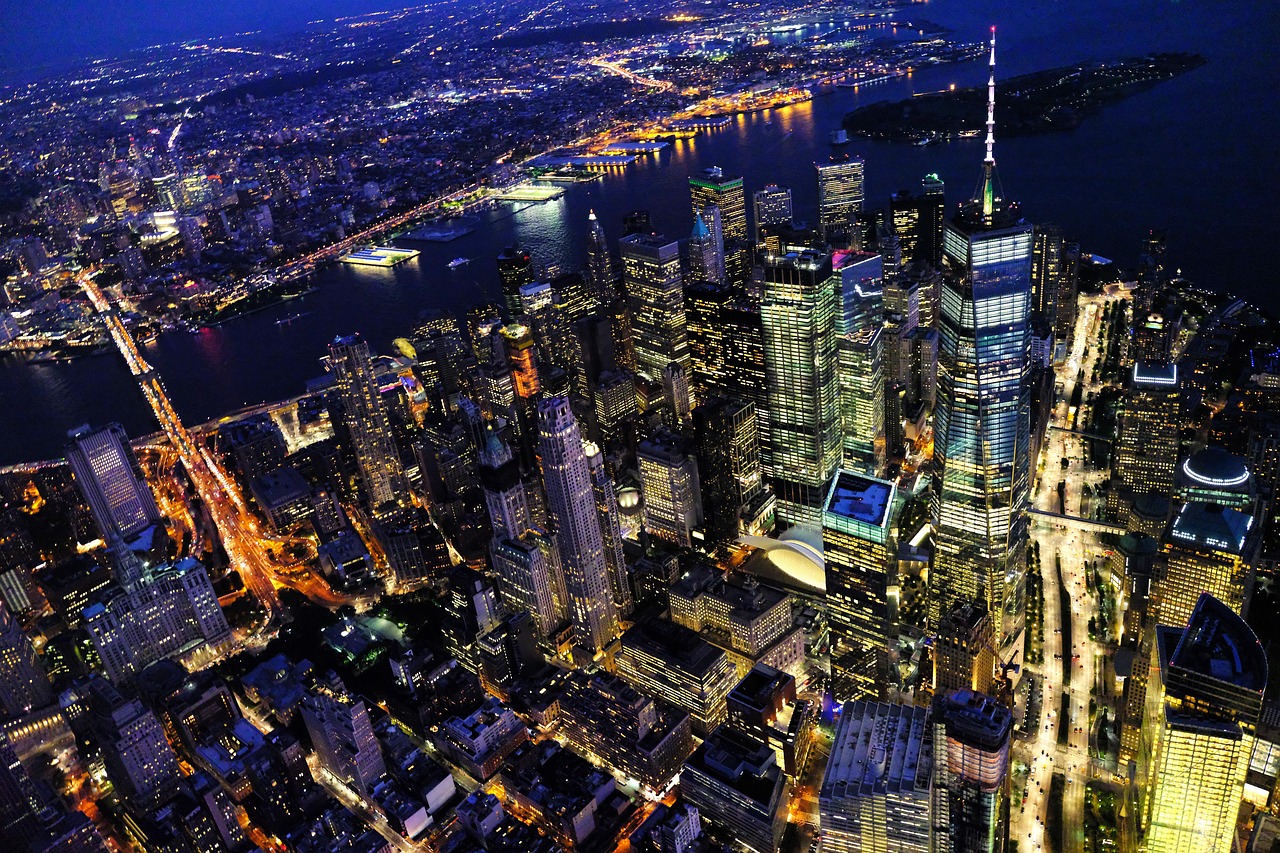
반도체가 없다면 우리는 지금의 생활을 누리지 못했을 것이다
전기를 사용하는 모든 사물에는 반도체 소자가 포함되어 있고, 그에 의해 제어된다. 반도체 소자를 포함한 전자적인 기계는 생산부터 유희까지 우리의 일상을 지탱하고 있다.
AI와 IoT, AR, VR, 자율주행차 모두 반도체 없이는 꿈도 꿀 수 없는 것들이다. 반도체가 없었더라면 우리의 삶은 트랜지스터가 개발되기 전인 1947년에 멈춰 있었을 것이다.
반도체와 반도체를 활용한 반도체 소자는 현대 문명을 지탱하는 힘이다.
반도체란 무엇일까?
원자 속에는 전자가 있다. 그리고 일정한 조건에서 전자는 원자핵의 속박을 벗어날 수 있으며, 어떤 소재 속에서는 자유 운동을 하고 전류를 형성한다. 금, 은, 구리와 같은 대부분의 금속은 전자가 움직일 때 거의 방해하지 않는 도체다. 반면 고무, 유리, 플라스틱은 전자가 움직이는 것을 방해하는 절연체다.
.jpg)
집적회로를 만드는 토대, 실리콘웨이퍼
몇몇 소재는 특별하다. 반도체다. 평소에는 전자의 움직임을 방해하다 특수한 외부 조건에 놓이면 더 이상 방해하지 않는다. 규소, 게르마늄이 이에 해당한다. 양자역학에 따라 전자는 원자핵 주변 전자구름 어디에서나 나타날 수 있다. 우리는 반도체의 외부 조건을 조절함으로써 전자의 운동과 전류의 형성을 조절할 수 있다.
다이오드와 트랜지스터
반도체를 이용해 만든 것이 이제는 어디에나 들어가는 반도체 소자다. 다이오드와 트랜지스터는 대표적인 두 반도체 소자다. 다이오드는 한쪽 방향으로 전압을 인가하면 전류가 발생한다. 반대 방향으로 인가하면 전류가 발생하지 않는다. 2개의 단자를 가진 다이오드는 회로의 스위치 역할을 맡는다.
트랜지스터는 3개의 단자를 갖고 있다. 3개의 단자는 입력단, 공통단 그리고 출력단이다. 입력단과 공통단 사이에 전압이나 전류를 인가하면 공통단과 출력단 사이의 전기전도도가 증가하게 되고 이를 통해 그들 사이의 전류 흐름을 제어한다. 트랜지스터는 전류를 증폭하면서 스위치의 역할도 할 수 있다.
이와 같은 반도체 소자의 특성을 통해 인간은 인간이 아닌 기계에게 반복적인 명령을 내릴 수 있다. 그렇다면 이 반도체 소자를 처음 만든 사람은 누구일까?
.jpg)
1948년 당시 (왼쪽부터) 바딘, 쇼클리, 브래튼
미국의 물리학자 존 바딘, 월터 브래튼, 윌리엄 쇼클리는 벨 연구소에 일하며 진공관을 대체할 소자를 연구했다. 1947년, 바딘과 브래튼은 쇼클리의 전기장 이론을 통해 트랜지스터를 개발하는데 성공했다.
트랜지스터는 변화하는 저항을 통한 신호 변환기(transfer of a signal through a varister / transit resistor)로부터 나온 조어다. 트랜지스터가 개발된 후 트랜지스터는 전자공학의 대변혁을 일으켰다. 트랜지스터의 출현으로 인해 더 작고 값싼 라디오, 계산기 컴퓨터 등이 개발되었다.
실리콘밸리에 실리콘을 가져온 남자
1953년, 벨 연구소에서 자신의 업적에 비해 충분한 대우를 받지 못한다고 생각한 쇼클리는 연구소를 박차고 나온다. 그리고 1955년, 캘리포니아 주 산호세에 위치한 벡맨 인스트루먼트에 취직하여 ‘쇼클리 반도체 연구소’를 맡게 된다.
.jpg)
실리콘밸리 전경, 실리콘밸리에는 실리콘(규소) 광산이 없다
쇼클리는 벨 연구소의 옛 동료들을 데려오고 싶었다. 하지만 쇼클리 반도체 연구소와 벨 연구소는 미 대륙의 양 끝에 위치했기 때문에 오려는 사람이 없었다. 또 쇼클리의 성격을 잘 알고 있던 옛 동료들은 쇼클리와 다시는 일할 생각이 없었다. 쇼클리의 성격이 너무도 괴팍했기 때문이다. 결국 자신의 명성과 벡맨 인스트루먼트의 자금력으로 뛰어난 졸업생들을 모은 쇼클리였지만, 결국 돌아온 것은 배신뿐이었다.
1957년, 쇼클리는 자신의 비서가 엄지를 다치자 이를 자신을 독살하려는 음모라 주장하고 전 직원을 대상으로 거짓말 탐지기 조사를 실시했다. 조사 결과 비서의 엄지를 다치게 한 것은 부러진 압핀이었고, 연구소의 분위기는 급격히 흉흉해진다. 그리고 그 해 말, 핵심 직원 8명이 쇼클리의 곁을 떠난다. 이 8명의 직원은 ‘8인의 배신자’라 불리며 ‘페어차일드 반도체’를 설립했고, 반도체 산업의 역사를 써 내려갔다.
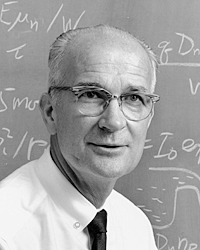
스탠퍼드 대학의 교수가 된 쇼클리
한편, 더 이상 사업을 할 수 없게 된 쇼클리는 1960년에 사업을 정리하고 스탠퍼드 대학의 교수가 되었다. 이후 흑인의 IQ가 백인보다 떨어진다는 인종차별적인 논문을 발표하는 등 사회 분란을 야기하다가 1989년 숨을 거뒀다.
쇼클리에 대한 평가는 분분하지만, 확실한 것은 그가 실리콘밸리에 실리콘, 즉 반도체를 가져온 남자라는 것이다. 우리가 흔히 실리콘밸리라 부르는 산호세와 그 근교에는 규소 광산이 없다. 단지 반도체 회사들이 많고 근처에 큰 계곡이 있어 붙여진 별칭이다. 쇼클리가 벨 연구소를 떠나오지 않았더라면, 8인의 배신자가 쇼클리를 떠나지 않았다면 실리콘밸리라는 말은 존재하지 않았을 것이다.
드러나는 집적회로 발전의 한계
페어차일드에서 8인의 배신자는 4개의 트랜지스터 회로를 하나의 실리콘웨이퍼에 집적하도록 설계하여 최초의 실리콘 집적회로 만들어냈다. 그리고 한동안 집적회로를 만들다 줄줄이 퇴사하여 여러 회사를 설립한다. 내셔널 반도체, AMD 등이 잘 알려져 있지만, 가장 대표적인 회사는 고든 무어와 로버트 노이스가 1968년에 설립한 인텔이다.
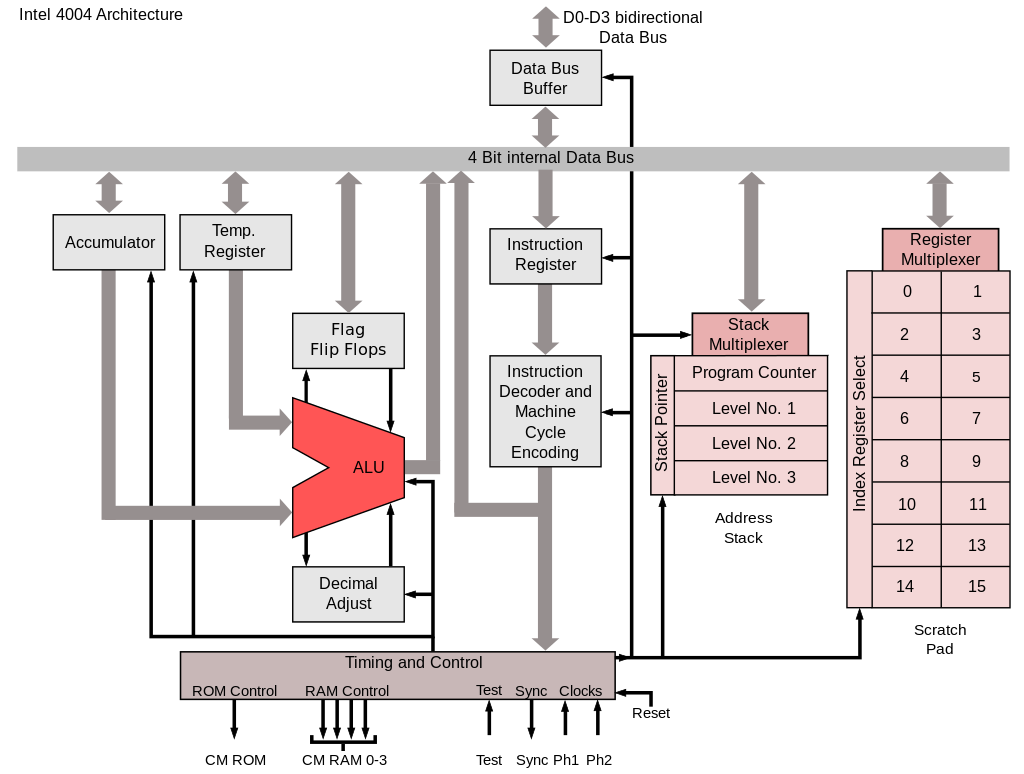
인텔 4004 블록 다이어그램
인텔은 1971년, 최초의 상용 마이크로컨트롤러인 인텔 4004를 출시했고, 이후 인텔 8088을 IBM PC에 납품하면서 컴퓨터 역사상 가장 중요한 기업으로 자리매김했다.
고든 무어는 1965년, 1000달러 반도체의 집적회로 성능은 24개월마다 2배로 증가한다는 법칙을 발표했다. 50년이 지난 현재, 반도체 칩의 성능은 최초의 집적회로보다 2억 배 증가했다. 현재 상용화된 가장 작은 칩의 크기는 7nm이다.
하지만 무어의 법칙은 깨질 수밖에 없다. 양자역학의 터널 효과 때문에 5nm부터는 집적도를 높여봤자 전자가 다른 곳으로 워프하는 등 전자가 다니는 길의 간격이 좁아져 소자 간 통신에 간섭을 한다. 기존의 방법으로는 컴퓨터 성능을 높이는 데 물리적인 한계가 있는 것이다.
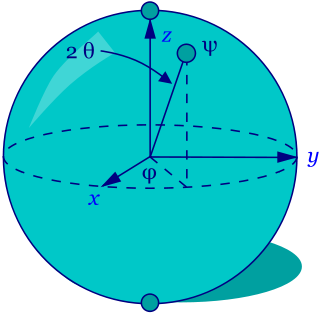
양자 컴퓨터의 기초가 되는 큐비트를 그림으로 나타낸 블로흐 구 모형
이 한계를 극복하기 위해 물리학자들은 양자역학의 원리에 따라 작동되는 컴퓨터를 고안해내는 데 그것이 바로 양자 컴퓨터다.
양자역학의 원리를 응용한 반도체 소자에 대한 역사와 내용에 대해 알아봤다. 다음 회에서는 양자 컴퓨터의 개념과 원리에 대해 간략히 알아보겠다.
Comments
Related news
[Quantum Exploration] 5. The Copenhagen Interpretation: Explaining Quantum Mechanics
A journalist with a liberal arts background wraps their head around what quantum is and what quantum mechanics is, and examines how quantum mechanics can be applied to our everyday lives.
2018.09.04by 이수민 기자
[Quantum Exploration] 6. Schrödinger's Cat and the Many Worlds Interpretation
A journalist from a liberal arts background puts their mind to understanding what quantum mechanics is, what quantum mechanics entails, and how quantum mechanics can be applied to our daily lives.
2018.09.19by 이수민 기자
[Quantum Reflection] It's more shameful not to learn than not to know.
A journalist with a humanities background has been grappling with understanding what quantum is and what quantum mechanics is, along with how quantum mechanics can be applied to our daily lives. The "Exploring Quantum" series, which has been examining these topics, has now progressed to its sixth installment. Around the time of Chuseok, a major Korean holiday, we take stock of the content covered so far.
2018.09.20by 이수민 기자

Intel Unveils Next-Generation 'Core Ultra Series 3' and vPro Platform for Enterprise PCs
Intel has officially unveiled the "Intel Core Ultra Series 3" for next-generation enterprise PCs and the latest vPro platform, addressing a wide range of demands from enterprise notebooks to high-performance workstations.
2026.03.26by 배종인 기자

ROHM Launches ESD Protection Diode Compatible with High-Speed Interfaces of 10Gbps or Higher
Semiconductor specialist ROHM has developed the 'RESDxVx series' of ESD (electrostatic discharge) protection diodes capable of responding to next-generation high-speed data communication environments exceeding 10Gbps, simultaneously enhancing both signal quality maintenance required in high-speed interfaces and IC protection performance.
2026.03.26by 배종인 기자











