



Home IoT Trends Shifting "From Control to Utilization" Create New IoT Businesses
 Published2018.11.12 17:55
국내 주거 문화의 주류인 아파트 공략해야
SKT, 건설사-홈 네트워크 사 등과 협업
러시아의 극작가 안톤 체호프(Anton Chekhov)는 이렇게 말했다.
"1장에서 벽에 매단 총을 언급했다면, 2장이나 3장에서는 쏴야 한다. 안 쏠 거면 없애버려라."
이른바 체호프의 총(Chekhov's gun)이다. 이야기 전개 도중 쓰지 않을 장치는 없애버리라는 말이다.
홈 IoT 디바이스 및 서비스가 딱 이러하다. 기업들은 저마다 IoT가 붐이니 비즈니스를 확장하기 위해 소비자들에게 집에다 홈 IoT 디바이스 및 서비스를 장만하고 사용하라고 마케팅하지만 사람들은 말을 듣지 않는다. 아무리 잘 만들었다 하더라도 쓰이지 않으면 무용지물이다. 체호프의 총처럼 치워버려야 할지도 모른다. 따라서 기업이 홈 IoT 비즈니스를 확장하기 위해서는 홈 IoT 디바이스 및 서비스를 사람들로 하여금 쓰게 만들어야 한다.
지난 10월 24일, 서울 삼성동 코엑스에서 2018 한국전자전이 개최되었다. 그와 함께 'KES 테크 인사이트 2018'이란 이름으로 일련의 세미나가 열렸다. 그중 IoT·빅데이터 컨퍼런스에서는 SK텔레콤의 정우식 매니저가 자사의 홈 IoT 역량을 어떻게 키우고 또 어떻게 홈 IoT 비즈니스를 확장할 수 있는지에 대한 고민과 노력을 공유하는 자리를 가졌다.
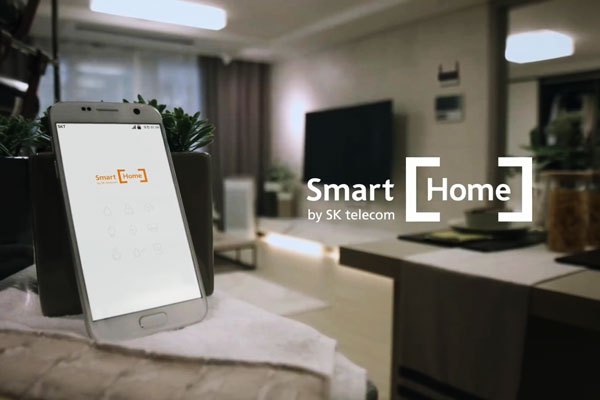
SKT 스마트홈
홈 IoT 디바이스를 외면하는 시장
한국의 홈 IoT 시장은 서구와는 확연히 다르다. 서구는 대형 서비스 사업자가 서비스 플랫폼을 만들고 API를 오픈하면 다양한 사업자들이 API를 활용해 자신들만의 서비스를 구축할 수 있다. 반면, 국내는 시장이 작아 대형 가전업체를 제외하고는 그럴 역량이 부족한 실정이다. 또 원활한 서비스를 위해서는 자체 서버를 운영해야 하는데 막대한 운영비를 감당할 수 없는 경우가 많다.
일찍이 IDC(Internet Data Center)를 구축한 SK텔레콤은 이에 4년 전부터는 IDC 센터 내에 플랫폼 서버를 만들고 다양한 가전업체를 찾아다녔다. SK텔레콤은 다양한 가전업체를 주력 제품의 용도에 따라 섹터로 분류했다. 그리고 각 섹터마다 에코 파트너를 정해서 그 파트너들과의 제휴를 탄탄히 함으로서 다양한 사업자들을 SK텔레콤의 서버로 끌어들였다.
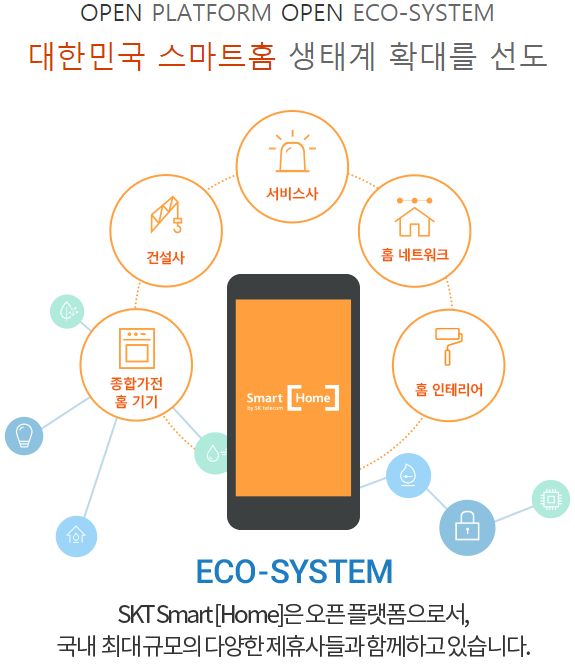
SKT 스마트홈은 다양한 제휴사들의 협력으로 이뤄진다
SK텔레콤은 홈 IoT 앱의 서비스 경쟁력을 향상하기 위해 각 에코 파트너와 함께 앱을 설계하여 앱 사용성을 높였다. 그렇게 SK텔레콤은 2015년 6월, 파트너의 가전과 함께 'IoT 스마트홈' 서비스를 출시했지만 시장의 반응은 냉담했다. 가입자가 영 늘지 않았다. 그 이유는 홈 IoT 디바이스의 보급률이 낮았기 때문이다. 당시 가전업체들은 IoT 모듈이 포함된 디바이스와 그렇지 않은 디바이스를 구별해서 판매했다. 또한, 유통업자들은 소비자들에게 IoT 모듈이 포함되지 않은 디바이스의 상대적으로 저렴한 가격을 소구점으로 내세우고 있었다. 가입자가 늘어날 리가 없었다.
홈 IoT 디바이스와 서비스를 융합하자
홈 IoT 디바이스 사용자 및 서비스 가입자를 확대하기 위해 고민하던 SK텔레콤은 국내와 서구의 주거 문화 차이에서 돌파구를 찾았다. 서구는 자가 주택에 거주하는 인구가 대다수지만, 국내는 공동 주택에 거주하는 인구가 대다수다. 그리고 목조 건물이 대다수인 서구는 가정 내에 새로운 설비를 설치하기 용이했지만, 콘크리트 건물이 대다수인 국내에선 개인이 IoT 환경을 구축하는 것은 불가능에 가깝다. 설사 개인이 IoT 환경을 구축할 능력이 있다 하더라도 전월세 문화 때문에 집주인의 허락이 없으면 집을 바꿀 수 없는 경우가 많다.
이를 종합해볼 때 해결 방법은 하나였다. 처음부터 아파트를 지을 때 IoT 모듈을 같이 설치하는 것이다. 그렇다면 굳이 개인이 IoT 환경을 구축할 필요도 없고 홈 IoT 디바이스를 살 필요도 없는 것이다. SK텔레콤은 당장 건설사들을 찾아갔다. 그러나 SK텔레콤이 홈 IoT 구축 역량을 갖고 있었음에도 건설사들의 반응은 회의적이었다. 심지어 같은 계열사인 SK건설조차 그랬다. 아파트 시공 시 IoT 모듈을 추가적으로 설치하면 세대 당 단가가 높아지기 때문이었다. 이미 건설사는 세대 당 적정 단가를 책정하고 있었기 때문에 추가적인 지출을 원하지 않았다.
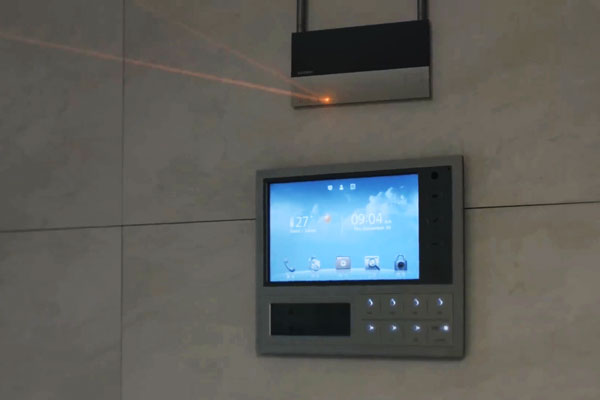
오늘날 신축 아파트마다 꼭 들어가는 월패드
그런데 반전이 있었다. 이미 2010년대부터 새로 지어지는 아파트 단지는 단지 안에 단지 서버가 인터넷망에 연결되어 각 가정의 월패드와 연동되고 있었던 것이다. 월패드는 단지 서버를 통해 가정 내의 다양한 빌트인 가전을 제어하고 있었으며 분양 시장에서는 이를 홈 IoT 서비스라 부르며 소구점으로 내세우고 있었다. 단지 이런 환경이 조성되었음에도 사람들이 쓰지 않았을 뿐이다.
왜 그랬을까? 지속적인 서비스가 아니었기 때문이다. 단지 서버와 월패드의 커넥티비티를 책임지는 주체는 홈 네트워크 업체들이다. 이 업체들의 비즈니스 모델은 시공 시 홈 IoT 네트워크를 구축하는 데서 끝난다. 시공 후 서비스에 대해선 그 어떠한 비즈니스 모델도 없었다. 아무도 운영에 관심을 가지지 않기 때문에 자연히 시간이 지나면서 서비스가 죽어버리는 것이다.
그래서 SK텔레콤은 자사의 서버와 기존 단지 내의 서버를 통합하기로 했다.
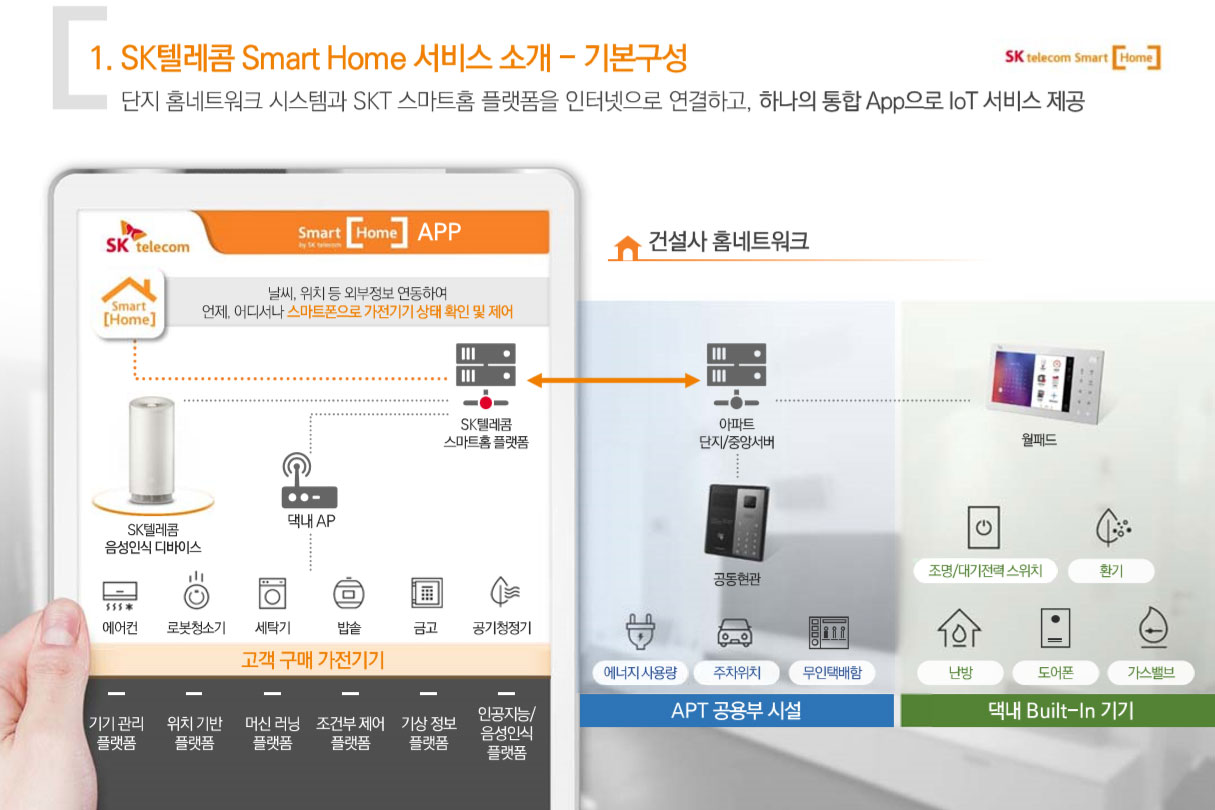
단지 홈 네트워크와 SKT 스마트홈 플랫폼의 통합
오늘날은 앱이 넘쳐나는 시대다. 따라서 앱을 줄이는 것이 중요하다. SK텔레콤은 앱 하나로 아파트 공용 시설, 가정 내 빌트인 가전, SK텔레콤 제휴 가전 등을 한 번에 조정할 수 있도록 스마트홈 앱에 모든 기능을 통합했다. 또 자사의 AI 음성인식 스피커인 NUGU를 통해 음성으로도 다양한 제어를 할 수 있는 서비스를 현재 제공하고 있다. 2018년 10월 기준으로 39개 단지 41만 세대가 SK텔레콤의 IoT 스마트홈을 경험하고 있다.
성공 사례가 늘면서 첫 목표였던 시공부터 IoT 모듈을 설치하는 아파트도 점차 늘어나고 있다.
스마트홈에서 스마트빌리지로
이 정도로는 충분치 않다. IoT 스마트홈의 사용자 대다수가 가장 많이 쓰는 기능은 홈 IoT 디바이스를 켜고 끄는 것이다. 사람에 따라서는 요금이 아깝다고 생각할 수 있는 부분이다. 꼭 필요하다는 생각이 들지 않는 서비스를 지속적으로 이용할 사람이 몇이나 될 것인가? 따라서 홈 IoT 서비스는 가전을 제어하는 수준에서 생활 전체를 케어하는 수준으로 나아가야 한다고 SK텔레콤은 생각했다.
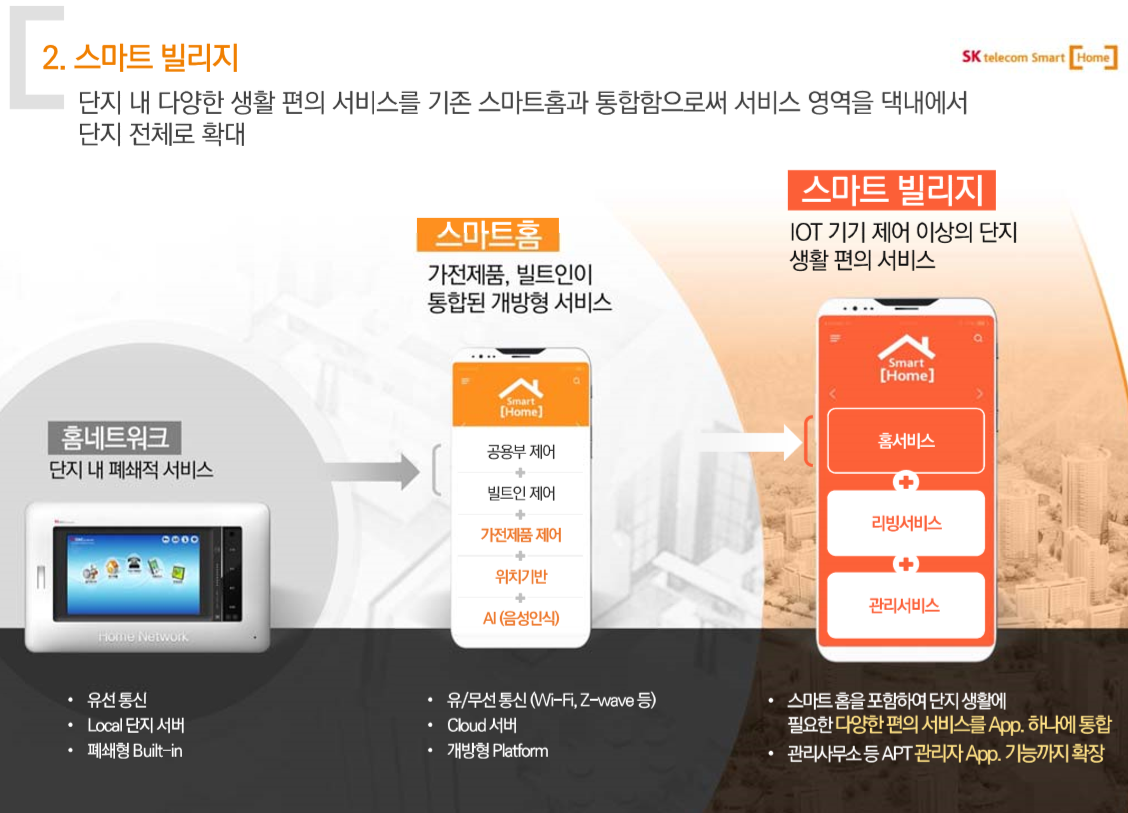
홈 IoT 서비스가 나아가는 방향
홈 IoT 비즈니스를 보다 풍성하게 만들기 위해선 스마트홈을 넘어선 스마트빌리지를 추구해야 한다. 기존의 스마트홈은 그대로 가되 스마트리빙을 추가하는 것이다. 최근 신축 아파트는 헬스장, 사우나, 카페테리아 등의 다양한 커뮤니티 시설을 제공한다. 스마트리빙은 이 커뮤니티 시설과 주변의 로컬 서비스를 앱에 포함한다.
구체적으로 아파트 공지사항, 하자 보수 신청, 전자 투표, 생활 분쟁 신고, 다양한 커뮤니티 시설 출입 예약, 관리비 조회 및 결제, 주차 정보 공유, 주변 상가 광고 서비스, 무인 택배, 자동 엘리베이터 등이 기획 중이다. 스마트홈 앱이 거주자와 거주자, 거주자와 관리자, 거주자와 주변 상가 사업자 간의 소통의 장이 되는 것이다.
기존 스마트홈은 사용자만 접속하는 앱이었으므로 관리자 메뉴가 없었다. 하지만 스마트빌리지를 구현하기 위해선 관리자 메뉴가 당연히 필요하다. SK텔레콤은 스마트홈 앱을 사용자 앱과 관리자 앱 2개로 나누고 개발 및 보완에 서두르고 있다.
홈 IoT 비즈니스의 확장 가능성
홈 IoT 비즈니스를 B2C에서 B2B로 확장할 수 있지는 않을까? 국내의 한 대형 시행사는 아파트를 시행할 때 스마트홈 데이터를 활용하는 방안에 대해서 검토하고 있다.
큰 시행사는 보통 1년에 5개에서 6개의 단지 사업을 한다. 그러나 입주 예정자의 특징을 명확히 알 수 없기 때문에 감에 의존하는 시행을 많이 하게 된다. 아파트에 들어갈 시설의 종류와 크기와 위치 등의 결정에 시행사의 경험이 크게 작용한다는 것이다. 시행사의 감이 틀렸다면, 시설은 파리만 날릴 것이다. 리스크가 크다.
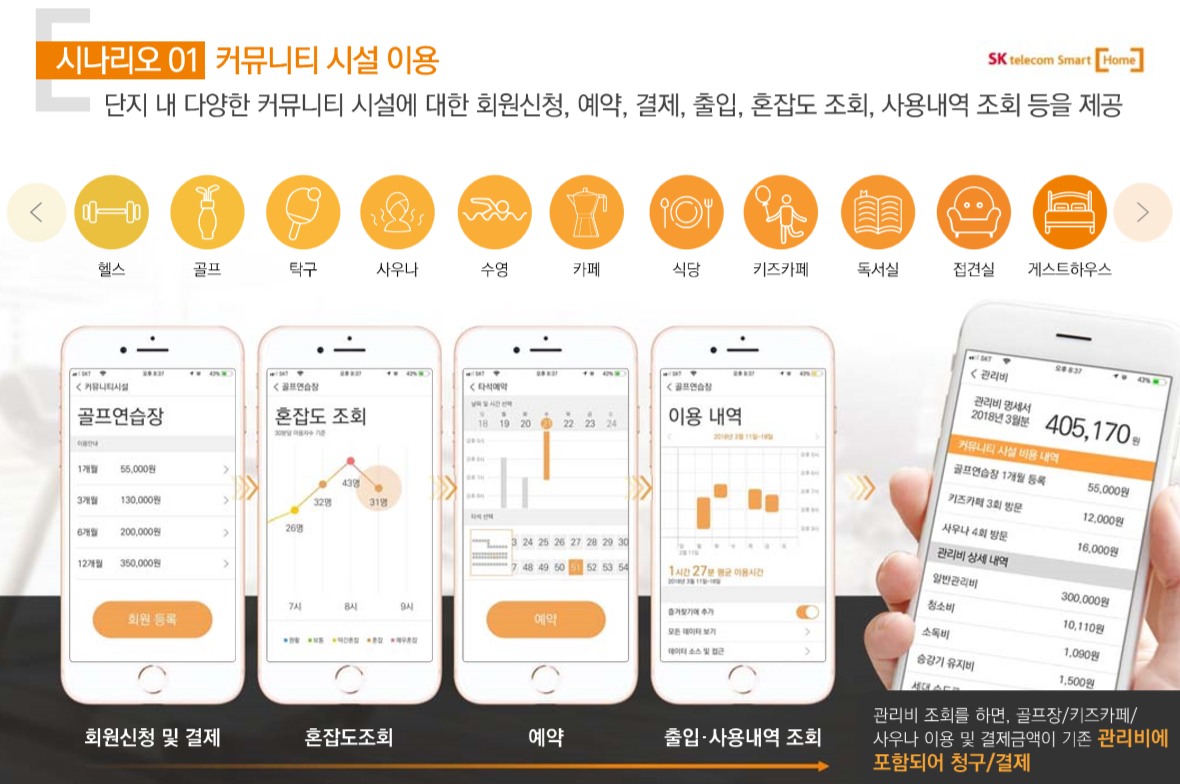
입주민의 커뮤니티 시설 사용 데이터는 다른 단지 시공에 참고가 될 수 있다
지금 이 시간에도 스마트홈 서버에는 수많은 사람들의 행동 데이터가 꾸준히 축적되고 있다. 만약 시행사가 이 데이터를 활용할 수 있다면, 다음 단지를 지을 때는 합리적이고 이성적인 결정을 내릴 수 있을 것이다. 아직 이 부분에 대해선 전 세계 어디에도 비즈니스 사례가 없다. SK텔레콤이던 다른 홈 IoT 사업자 건 이 기회를 살릴 수 있다면 새로운 비즈니스 영역을 창출할 수 있을 것이다.
SK텔레콤은 IoT 스마트홈을 통해 많은 수익을 내지는 않고 있다. 현재 입주민을 대상으로 IoT 스마트홈을 3년 무상으로 서비스하고 있으며, 기간이 지나면 월 3천 원에서 5천 원의 요금 받을 예정이다. 3년 동안의 운영 비용은 시공할 때 건설사에서 받은 금액으로 충당하고 있지만 충분하진 않다. SK텔레콤은 IoT 스마트홈을 통해 돈을 벌기보다는 홈 IoT 기반을 닦고 위와 같이 다른 비즈니스를 개척할 계획이다.
스마트폰만 와이파이만 있으면 계속 확장할 수 있는 비즈니스가 바로 홈 IoT다. SK텔레콤의 홈 IoT 비즈니스는 건설사, 시행사 뿐만 아니라 다른 계열사 사업에도 영향을 주고 있다. SK브로드밴드의 BTV에 IoT 스마트홈을 연동하면 단지 내 정보를 TV 화면 아래에 자막으로 내보낼 수 있고, 이를 소구점으로 삼을 수 있다.
4차 산업혁명 시대는 융합의 시대다. 융합하지 않으면 살아남을 수 없다. SK텔레콤의 위 사례에서 보듯이 어떻게 해야 다른 기업, 서비스와 융합하고 자사의 비즈니스를 확장할 수 있을지 고민해야 할 때다.
Comments
Related news
Samsung Electronics CE Strengthens AI-Based Home IoT Business and Creates New Markets
Samsung Electronics has revealed its vision as an industry leader regarding the direction of home appliance innovation based on AI, ahead of the opening of IFA 2018, Europe's largest consumer electronics exhibition held in Berlin, Germany. Samsung Electronics will strengthen its AI-based Home IoT business going forward and propose future lifestyles targeting the millennial generation.
2018.09.03by 이수민 기자
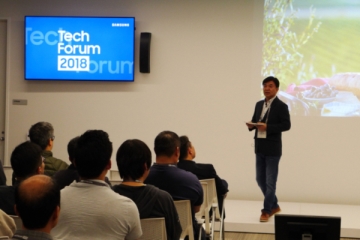
Samsung Electronics Hosts Tech Forum 2018 with Silicon Valley IT Talent
Samsung Electronics held TechForum 2018 in Silicon Valley, where it discussed future innovative technologies in the IT industry through exchanges with talented individuals. Local developers and designers in Silicon Valley heard about the company's vision and technologies from Samsung Electronics executives and discussed innovative technologies including AI, mobile services, home IoT, and cloud computing, which have recently become key topics.
2018.11.09by 이수민 기자
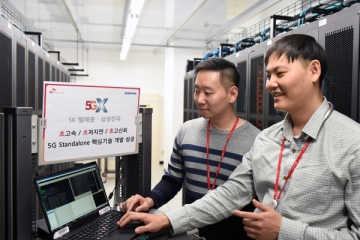
SK Telecom and Samsung Electronics Successfully Localize Core Equipment for 5G Standalone Standards
SK Telecom has successfully developed core technologies and prototype equipment for a 5G SA-based exchange in collaboration with Samsung Electronics. The 5G international standard is divided into 5G NSA, which shares some equipment with LTE, and 5G SA, which comprises the entire network with only 5G equipment. While SA specifications are more challenging to develop technically than NSA specifications, they can provide improved service quality. The '5G SA exchange' developed by SK Telecom and Samsung Electronics in this project handles data transmission processing between wireless base stations and the internet network.
2018.11.10by 이수민 기자
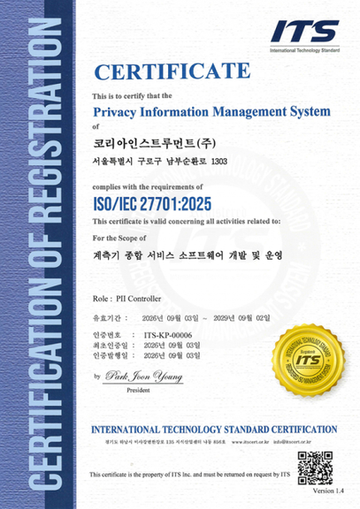
Korea Instrument, KOLAS Accredited Calibration Agency First to Simultaneously Acquire ISO/IEC 27,001·27,701
Korea Instrument has become the first among KOLAS accredited calibration agencies to simultaneously acquire ISO/IEC 27,001 and ISO/IEC 27,701 certifications. Through its proprietary platforms CWIZ Enterprise and CWIZ Partners, the company has embedded information security and personal data protection requirements across all business processes including customer information, equipment data, and calibration reports, with plans to continuously advance its management system through regular audits and security inspections.
2026.10.12by 배종인 기자
TeamViewer One, IT Incident Automation Workflow and Resolution Center Enhanced
TeamViewer has added IT incident automation capabilities and an advanced Resolution Center to its integrated digital workplace management platform 'TeamViewer ONE'. Recurrent service disruptions, configuration errors, and capacity shortages are automatically handled according to preset policies, and device status verification through script deployment can be managed in a unified interface, significantly reducing repetitive tasks for IT teams.
2026.10.12by 배종인 기자











