


NVIDIA GPUs Accelerate Global Computing
 Published2018.11.15 09:01
1년 사이 48% 증가, 5년 전보다 3배 이상↑
구글 클라우드용 엔비디아 T4 GPU 최초 공개
엔비디아
엔비디아가 최근 발표된 ‘세계에서 가장 빠른 슈퍼컴퓨터 상위 500대’ 리스트에서 새로운 기록을 세우며, 글로벌 슈퍼컴퓨팅 분야에서 다시 한번 그 입지를 공고히 했다.
현지시간으로 11일부터 16일까지 미국 텍사스주 댈러스에서 열리는 HPC 컨퍼런스인 슈퍼컴퓨팅 2018에서 발표된 상위 500대 슈퍼컴퓨터 중 엔비디아 GPU 가속기를 사용하는 시스템의 수가 1년 사이 48% 증가했다. 이는 1년 전 86개에서 올해 127개로 상승한 것으로, 5년 전보다 3배 이상 늘어난 수치다.
엔비디아 GPU는 미국의 에너지부가 오크리지 국립연구소와 로렌스 라이브모어 국립연구소에 각각 배치한 세계에서 가장 빠른 두 대의 슈퍼컴퓨터 ‘서밋(Summit)’과 ‘시에라(Sierra)’에도 탑재됐다. 4만 개 이상의 엔비디아 V100 텐서 코어 GPU를 장착한 이 두 시스템을 활용해 세계 최고의 연구진들은 올해 고든 벨 상 6개 부문 중 5개 부문에서 혁신적인 연구를 인정받았으며, 슈퍼컴퓨팅 2018에서 관련 시상식이 거행된다. 유럽과 일본이 보유한 가장 빠른 슈퍼컴퓨터 역시 엔비디아 GPU로 가속하고 있다.
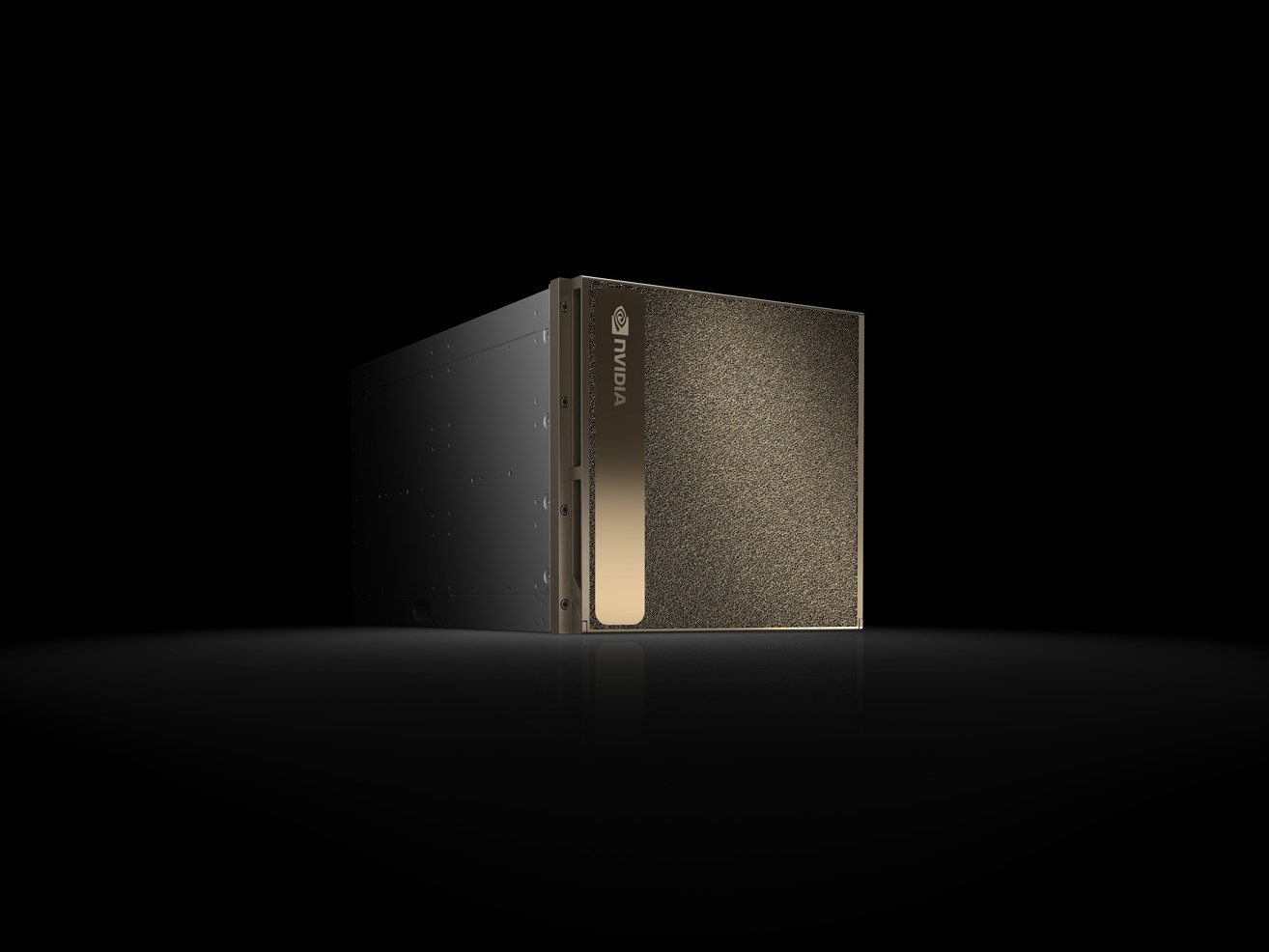
엔비디아 DGX-2

또 슈퍼컴퓨팅 시스템의 에너지 효율성을 나타내는 ‘그린500(GREEN500)’ 리스트에서도 가장 친환경적인 상위 25대 슈퍼컴퓨터 중 22대가 엔비디아 기술로 구동되고 있었다.
젠슨 황(Jensen Huang) 엔비디아 창립자 겸 CEO는 "무어의 법칙이 종식되면서 AI와 머신 러닝 워크로드를 중심으로 새로운 HPC 시장이 등장했다"라며, "이 시장은 과학 및 사회 분야의 난제를 해결하는데 필요한 성능을 제공하기 위해 고성능 및 고효율 GPU 플랫폼에 그 어느 때보다 의존하고 있다”라고 말했다.
1년 전 상위 500대 리스트에 새롭게 이름을 올린 슈퍼컴퓨터 중 단 33대만이 GPU 가속 시스템을 사용한 반면, 올해는 새로운 153대 중 약 3분의 1에 해당하는 52대가 GPU로 가속화된 것으로 나타났다.
슈퍼컴퓨터뿐만 아니라 다른 분야에서도 엔비디아 GPU에 대한 관심이 뜨거웠다.
엔비디아는 새로운 엔비디아 T4 GPU가 서버 GPU 중 가장 빠른 채택률을 보이고 있다고 밝혔다.
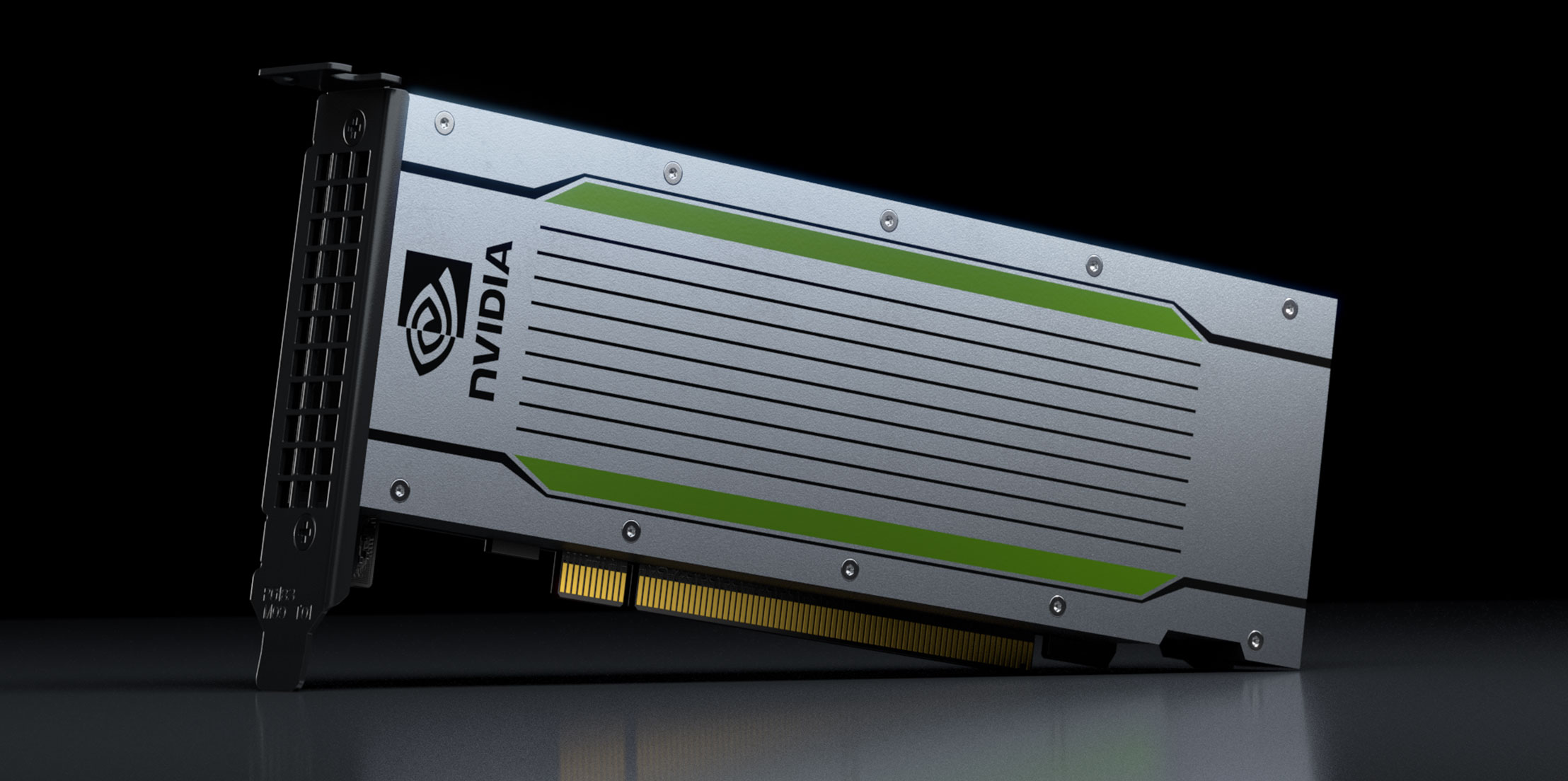
엔비디아 T4 GPU
지난 9월 출시된 엔비디아 T4 GPU는 전 세계 컴퓨터 제조업체들이 제공하는 57가지 서버 설계에 적용됐다. T4 GPU는 이제 클라우드에서도 사용이 가능해진 가운데, 구글 클라우드 플랫폼 고객을 위한 T4도 최초 공개됐다.
이안 벅(Ian Buck) 엔비디아 엑셀레이티드 컴퓨팅 담당 부사장 겸 총괄은 “지금까지 데이터 센터 프로세서가 이렇게 빠른 채택률을 보인 적이 없었다”라며, “T4는 출시 60일 만에 클라우드에서도 사용할 수 있게 되었으며, 전 세계 서버 제조업체 네트워크를 통해 지원된다"라고 말했다.
또 "T4는 오늘날 퍼블릭 및 프라이빗 클라우드가 컴퓨팅 집약적인 워크로드를 처리하는데 요구되는 성능과 효율성을 제공한다”라고 덧붙였다.
T4는 HPC, 딥 러닝 교육과 추론, 머신 러닝, 데이터 분석, 그래픽 등 다양한 클라우드 워크로드를 가속화한다. 새로운 엔비디아 튜링 아키텍처에 기반한 이 제품은 다중 정밀 튜링 텐서 코어와 새로운 RT 코어를 특징으로 하며, 가속화된 컨테이너형 소프트웨어 스택과 결합될 경우 전보다 높은 성능을 제공한다.
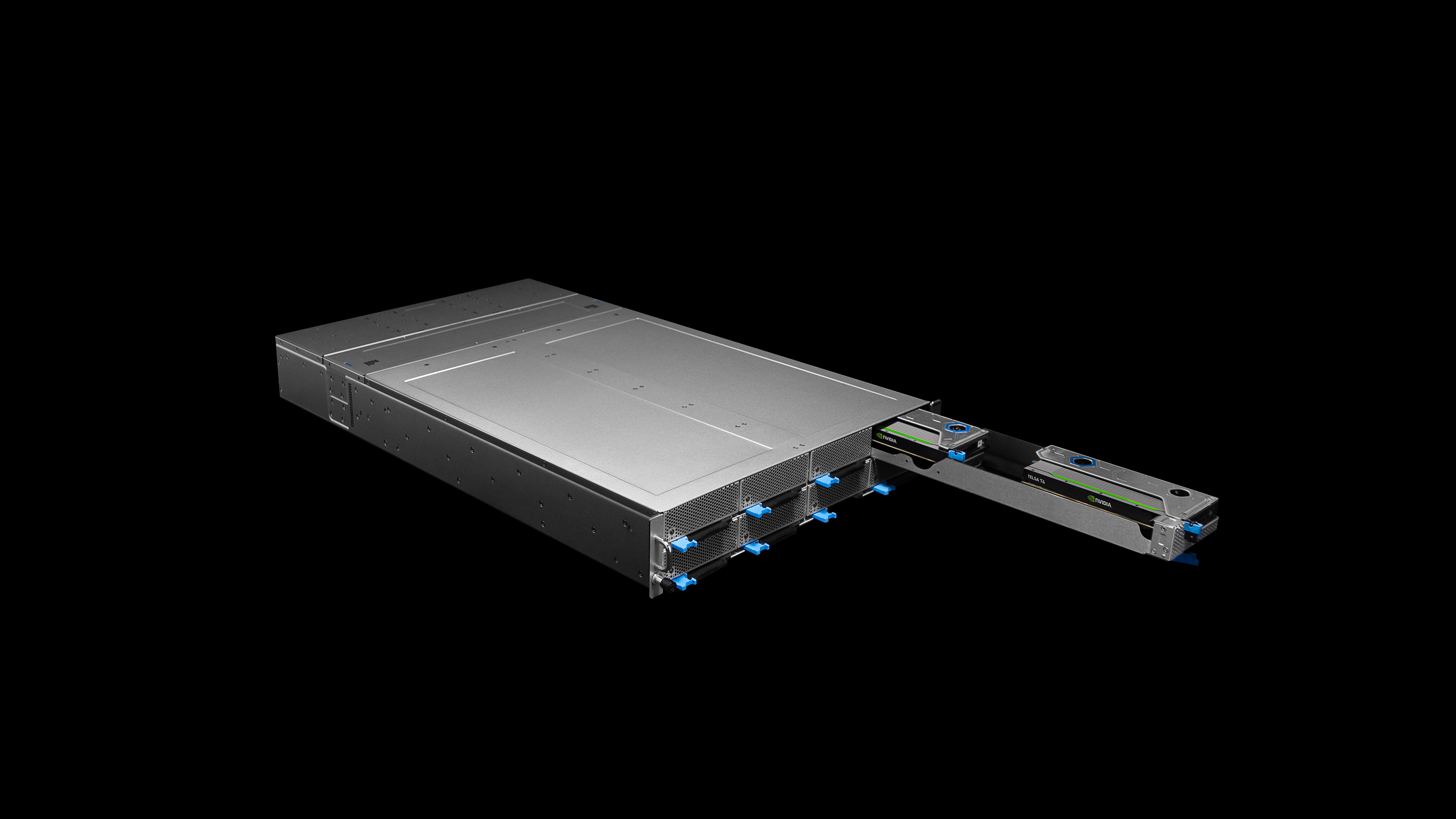
엔비디아 T4 GPU
다미온 헤레디아(Damion Heredia) 구글 클라우드 제품 관리 담당 수석 디렉터는 “실시간 시각화와 온라인 추론 워크로드를 최종 사용자에 제공하려면 지연시간이 낮아야 한다"라며, "구글 클라우드용 엔비디아 T4 GPU는 우리의 머신 러닝 및 시각화 고객들에게 확장성과 비용 효율성이 뛰어나면서도 지연시간이 낮은 플랫폼을 제공한다"라고 말했다.
또 "고객들은 구글 클라우드의 네트워크 역량과 T4의 기능을 결합해 새로운 방식으로 혁신할 수 있으며, 애플리케이션 속도는 높이는 동시에 비용은 낮출 수 있다”라고 설명했다.
Comments
Related news
Low-power, miniaturized HBM2 that controls large-capacity memory
With the development of AI, IoT, blockchain, RADAR, 5G, and 8K video, memory throughput is surging rapidly. However, existing memory bandwidth is unable to keep pace with the increasing system requirements. The industry is seeking high-capacity memory solutions through HBM2 DRAM utilizing TSV technology.
2018.08.28by 이수민 기자
NVIDIA Announces Virtual Workstation for Remote Work
Nvidia has announced Quadro virtual Data Center Workstation (Quadro vDWS), a virtual workstation solution. Quadro vDWS is designed to accelerate demanding graphics and handle workflows. With multi-GPU performance capabilities, Quadro vDWS enables professionals to work remotely from any device, while design and intellectual property remain securely protected in the data center.
2018.10.15by 이수민 기자
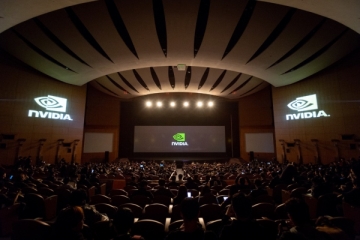
"Largest Ever" NVIDIA AI Conference 2018 Successfully Concludes
Nvidia held the 'Nvidia AI Conference 2018' on the 7th at COEX in Samseong-dong, Seoul, sharing the latest technology trends and success cases in AI and deep learning fields. The event, which was the largest in its history with approximately 3,000 attendees, featured experts from Nvidia and other industry-leading companies presenting the current state of AI and deep learning technologies as well as application cases across various industries.
2018.11.09by 이수민 기자

[e4ds Tech Day 2026 ⑨] Sim Sang-gyu, Autocrypt CTO: "In the Physical AI Era, Automotive Security Must Extend Beyond the Vehicle"
At e4ds Tech Day 2026, Sim Sang-gyu, CTO of Autocrypt, explained automotive cybersecurity strategies in the era of Physical AI and SDV (Software-Defined Vehicle). Automobiles are evolving as part of an ecosystem connected to AI, cloud, chargers, IoT, and robots, and he emphasized that the scope of security must expand beyond the vehicle interior to the entire connected environment. In particular, AI model tampering, adversarial attacks, OTA updates, and EV charger hacking were identified as major threats. He explained that response measures require zero trust, AI model integrity protection, intrusion detection, Security by Design and Default, and full lifecycle security management, and that proactive security system establishment beyond regulatory compliance is critical for securing future mobility competitiveness.
2026.10.12by 배종인 기자
NVIDIA to Invest $1 Billion in U.S. Science Over Next Five Years
NVIDIA has announced plans to invest $1 billion over the next five years to strengthen U.S. scientific and technological competitiveness. The company will enhance cutting-edge artificial intelligence research and development capabilities in key areas including quantum computing, healthcare, and energy security, while expanding support for higher education research institutions and cloud service providers. NVIDIA is participating as a major industry partner in the White House Office of Science and Technology Policy's Genesis Mission, and is promoting supercomputer construction in collaboration with national laboratories including Argonne and Los Alamos.
2026.10.12by 배종인 기자











