


How Far Has the Ultimate Goal of IoT, the 'Smart City,' Been Realized?
 Published2019.07.15 17:01
| 스마트시티, 저비용 고효율 도시문제 해결 핵심
| 스마트시티 기술, 플랫폼 기술 및 5대 기술로 구분
말이 나면 제주도로 보내고 사람이 나면 서울로 보내라는 속담이 있다. 이 속담을 가훈으로 단단히 여긴 탓인지 서울과 그 주변에는 대한민국 인구의 절반이 거주하게 됐다.

사실 한국만의 이야기는 아니다. UN에 의하면 2050년까지 지구상의 인구는 90억 명에 도달할 것이며, 그중에서도 도시 안에 거주하는 인구는 65% 이상이 될 전망이다. 향후 지구상에 가장 큰 변화를 초래하는 요인은 기후변화와 함께 도시화를 꼽을 수 있다.
세계 각국은 도시화로 인한 피해를 최소화하고자 스마트시티 프로젝트를 추진하고 있다. 스마트시티란, 언제 어디서나 모든 것과 연결 할 수 있는 네트워크와 지능형 ICT 기술로 도시의 효율성을 높이고, 시민의 편익과 삶의 질을 향상하며, 지속 가능한 혁신성장이 실현되는 미래도시라고 할 수 있다.
미국, 유럽 등에서는 도시 시설물의 노후화, 도심지역의 쇠퇴를 극복할 수 있는 도시재생사업 등에 대한 관심이 고조되고 있으며, 기후변화와 자원고갈을 대비한 지속 가능한 도시발전을 위하여 에너지 및 교통 등 다양한 정책이 추진되고 있다.
아시아, 중남미 등 신흥국에서는 급격한 인구증가와 도시로의 인구이동에 따라 주택, 물, 에너지, 도로 등 인프라 부족이 심각한 문제가 되고 있으며, 급속한 도시화에 대한 대응이나 산업화에 따른 에너지 수요 급증에 대응 등이 주요 개발 목적이 되고 있다.
첨단 ICT 산업과 함께 현실로 다가오는 스마트시티는 모든 사람의 일상이 될 전망이다. 이러한 흐름에 맞추어 전 세계 글로벌 기업들이 스마트시티 시장 진출을 가속하고 있으며, 관련 연구 및 솔루션 개발을 적극적으로 추진하고 있다.
기후변화를 극복하는 스마트시티
스마트시티가 주목받게 된 이유는 도시문제 해결의 저비용 효율적 수단인 동시에 기후변화 대응에 적합한 모델로 인식되었기 때문이다.
스마트시티가 저비용 고효율 도시문제 해결하는데 핵심인 이유는 4차 산업혁명으로 대변되는 ICT의 융복합이 실제 적용 가능할 수 있을 정도로 기술 수준이 높아졌기 때문이며, 특히 IoT의 발전은 실시간으로 필요한 정보를 제공하거나 수집하는 것을 가능하게 하였다.
이러한 특성은 도시를 매우 효율적으로 관리할 수 있게 하는 원동력으로 생각되었다.
도시문제 해결 측면과 기후변화 대응은 그 목표가 다르게 보이기는 하지만 실제 기후변화 관련 탄소 배출이 대부분 도시를 중심으로 이루어지고 있기 때문에 도시 내 발생하는 문제해결은 기후변화 대응 수단으로 동시에 작동하는 경우가 많다.

교통 및 에너지 분야가 이러한 경우에 해당한다.
교통 정체는 도시 인구가 급증함으로써 발생하는 가장 큰 도시 문제이며, 동시에 교통 정체로 인하여 발생하는 도로상의 탄소 배출은 기후변화의 가장 중요한 요인이기도 하다. ICT를 활용하여 교통정체를 해소하는 방안은, 개발도상국의 도시 문제 해결 방책이 되는 동시에 탄소 배출을 감소시켜 기후변화에 대응할 수 있는 효과적인 수단이 된다.
이처럼 도시문제 해결 및 기후변화 대응이라는 가장 중요한 글로벌 이슈들을 해결할 수 있는 수단으로 스마트시티가 채택되면서 2010년 이후 스마트시티에 대한 논의는 개발도상국 및 선진국 모두가 주목하는 전 세계적인 현상이 되었다. 이로 인하여 글로벌 스마트시티 시장 역시 급격히 팽창할 것으로 예측되면서 산업적 측면에 대한 관심 역시 확대되고 있다.
스마트시티는 왜 스마트한가?
과일이나 채소, 고기 같은 천연 식품이 사라진 세상. 사람들은 인구 과잉으로 인해 굶주림과 병에 시달리고, 유일한 식료품은 물과 ‘소일렌트’라는 식품뿐이다. 1973년에 나온 영화 ‘소일렌트 그린’은 기후변화와 도시화 문제를 해결하지 못한 2022년의 맨해튼을 무대로, 소일렌트가 무엇으로 만들어졌는지를 파헤치는 디스토피아 영화다.

<출처: 소일렌트 그린 트레일러>
영화 속 시점인 2022년이 머지않았지만, 영화와 달리 인류는 소일렌트를 먹지 않는다. 도시화 문제를 인지하고 이를 해결하려 끊임없이 노력하고 있기 때문이다. 그 노력의 결정체가 바로 스마트시티다.
스마트시티는 기본적으로 재생에너지와 친환경 등의 활용으로 저탄소화를 실현하고 도시 교통과 IT 인프라 등을 최적화하여 그 지역에 사는 사람들의 삶의 질 향상을 목표로 하고 있다.
스마트시티와 기존 도시와의 차별성은 도시문제 발생 시 해결방식에서도 드러난다. 기존의 도시 관리 방식에서는 신규로 인프라를 건설하거나 인력 등 자원을 추가로 투입하여 문제를 해결하는 방식을 주로 사용했다.
스마트시티는 다르다. 도시전역에서 정보를 수집하고 이를 분석하여 필요한 곳에 자원을 투입하거나 기존자원의 효율적 활용을 유도하는 방식으로 문제를 해결한다.
스마트시티 기술의 종류
국토교통과학기술진흥원에 따르면, 스마트시티 기술은 플랫폼 기술과 5대 중점분야별 기술로 구분된다.
플랫폼 기술은 분야별 기술(디바이스)을 통합하여 관리 및 제어하는 기술로 하드웨어, 운영체제 및 인터페이스 등을 의미하며 이를 정의하는 규약, 규칙 등의 기술표준을 포함한다.
5대 중점분야별 기술은 스마트빌딩, 스마트교통, 스마트에너지, 스마트워터, 스마트정부를 의미하는 일종의 디바이스 기술로서 기존에는 교통, 에너지, 워터 분야는 독립적인 기술로 관리되어 왔으나, 스마트시티를 구현하기 위해서는 플랫폼을 통한 5대 중점분야 간 통합적인 관리가 필요하다.
플랫폼기술에 대해 글로벌 IT기업들은 국제표준화 협의회(oneM2M)를 중심으로 스마트시티 플랫폼 기술에 대한 표준화 협의를 진행하고 있다. IBM은 2010년부터 ’Smart Cities Challenge'라는 사회공헌 프로그램을 통해 시장 지배적인 표준을 만들기 위해 노력중이다. 시스코는 도시 인프라 네트워크 지능화에 중점을 둔 ‘Smart Connected Communities' 이니셔티브를 진행하고 있으며, 국내기업들의 경우 통신 사업자를 중심으로 지자체 및 협력업체와 공동으로 스마트시티 실증단지 개발에 나서고 있다.

스마트빌딩은 인텔리전트 빌딩으로 불리며 건물에 ICT가 융합된 형태를 말한다. 빌딩의 주요 설비에 IoT 센서를 적용해 모든 상황을 모니터링하고 이를 기반으로 스스로 상태를 판단해 최적의 운영을 지원한다. 5대 스마트시티 기술 중 가장 많은 수의 IoT 기기들이 적용된다.
스마트빌딩 기술 중 빌딩에너지 관리시스템(BEMS)의 세계시장 규모는 2020년 56억달러로 예상되며, 에너지 사용량을 계측하고 효율화하는 것에 그치지 않고 ‘제로에너지빌딩(ZEB)’으로 진화하고 있다. 하니웰, 지멘스, 존슨콘트롤즈, 슈나이더 일렉트릭 등이 글로벌 스마트빌딩 시장을 주도하고 있으며, 국내기업으로는 2010년 초부터 포스코ICT, LG CNS, 한화S&C 등이 진출했다.
스마트교통은 도시 스스로가 시스템적으로 교통정보를 수집하고, 교통환경을 감지하여 이를 실시간으로 네트워크에 연결하여 모니터링하는 것을 의미한다. 우리나라는 기존의 지능형교통시스템(ITS)기술에서 시작하여 스마트시티 플랫폼에 연동되면서 각 주체가 상호협력을 통해 각자의 교통정보를 교환하는 개념으로 발전하고 있다.
스마트에너지는 전력모니터링을 통해 불필요한 전력소비를 최소화하고, 친환경적인 도시를 조성하는 기술을 말한다. 스마트에너지는 도시 자체의 에너지 공급비율을 높이는 것을 목표로 하기 때문에 이를 위한 신재생 전력설비 확충이 예상되며, 지능형 전력관리를 위한 검측장비(Advanced Metering Infrastructure; AMI)에 대한 수요가 지속적으로 증가할 것으로 예상된다.
스마트워터는 상하수도 및 도시용수 관리를 효율화하고 홍수, 가뭄 등 환경변화에 대비하는 수자원관리를 목적으로 하는 기술을 말하는 것으로, ICT를 적용하여 공급자와 수요자간 정보를 교환하는 지능형 수자원관리 플랫폼인 ‘스마트워터그리드’가 중심이다.
스마트정부는 방범, 방재, 교통 등 분야별 정보시스템을 기반 소프트웨어인 스마트시티 통합플랫폼으로 연계하여 지능화된 도시기반을 조성한다. 이를 통해 개별 운영되고 있는 지자체의 각종 스마트시티 서비스와 정보시스템, 중앙센터 등을 연계할 수 있도록 지원하며, 공공행정서비스 간소화와 처리시간을 단축하는 기술을 말한다.
한국 스마트시티 산업이 나아가야 할 길
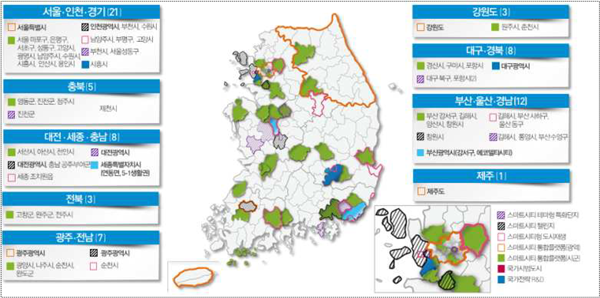
최근 국토교통부는 제3차 스마트도시 종합계획을 수립하고 고시했다.
정부는 스마트시티를 8대 혁신성장 선도사업의 하나로 선정하여 정책역량을 집중해고 있다. 먼저 스마트시티 관련 신규 사업이 늘어나자 재정투자를 대폭 확대했고, 2차례의 ‘스마트도시법’ 개정으로 관련 규제를 대폭 완화했다.
<출처: 국토교통부>
또한, 도시문제 해결의 수단으로서 스마트시티의 가치를 인지한 지자체들의 참여도 확대되고 있다. 전국 78개 지자체가 스마트시티 전담조직을 확보하여 사업을 추진하고 있으며, 정부지원 사업을 추진하는 지자체도 총 67여 곳으로 집계되었다.
국토교통부 배성호 도시경제과장은 “스마트시티가 도시문제를 해결하고 시민의 삶의 질을 높임과 동시에, 신산업에 대한 다양한 투자를 유인하고 지식집약적 일자리를 창출할 수 있는 혁신성장의 플랫폼이 될 수 있기를 기대한다”고 밝혔다.
KDB산업은행 산업리서치기술센터 한상목 애널리스트는 ‘4차 산업혁명의 종합 플랫폼, 스마트시티’라는 제목의 조사 연구에서 스마트시티를 IoT를 기반으로 AI, 빅데이터, 5G, 클라우드 등 신기술이 현실에 적용되는 미래 산업의 궁극적인 지향점으로 바라봤다.
신기술과 혁신적인 서비스의 확산을 위해서는 이용자 경험의 확대가 중요한 과제다. 스마트시티는 새로운 기술과 서비스를 일상에서 체험할 수 있는 기회를 제공하여 관련 수요를 창출하고 초기 시장형성에 기여할 것으로 예상된다.
따라서 세계 각국은 4차 산업혁명을 통해 새로운 성장 동력을 확보하기 위해서 스마트시티 투자를 점차 확대하고 있으며, 새로운 시장의 창출과 선점을 위해 노력하고 있다.
스마트시티의 핵심기술인 플랫폼 기술은 글로벌 ICT 기업들이 선도하고 있으며, 국내기업의 기술수준은 초기단계에 머물고 있다. 국내 기업들은 후발주자로 플랫폼 기술개발 사례는 많지 않으나, 기존의 네트워크, IoT 기술을 활용한 스마트빌딩, 스마트교통 등 디바이스 분야에서는 경쟁력을 갖출 수 있다.
스마트시티는 플랫폼과 디바이스가 통합되어 구성된 서비스로서 국내 스마트시티 생태계 육성을 위해서는 대기업의 플랫폼 기술과 다수의 디바이스 기술을 보유한 중소기업이 참여하는 수익공유 모델개발이 필요할 것이다.
Comments
Related news
IBM to Provide Technical Advisory for Daejeon Smart City Challenge Project
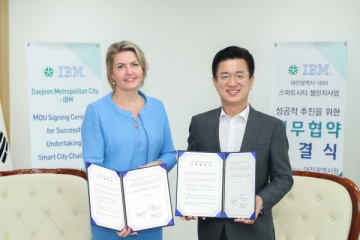
IBM announced that it will provide technical consulting in the field of data architecture for building a smart city challenge in Daejeon Metropolitan City. The Smart City Challenge project by the Ministry of Land, Infrastructure and Transport aims to support the discovery of business models that solve urban problems using smart city technology. Lian van Veldhuizen, Vice President of Commercial Business at IBM Asia-Pacific headquarters, visited Daejeon City Hall and signed an agreement with Daejeon Mayor Huh Tae-jeong to support solutions and technical consulting for establishing a data hub, which is the core infrastructure of the Smart City Challenge project, and discussed specific measures. By November of this year, Daejeon City and IBM will analyze various administrative systems and challenge demonstration service models to establish a strategic plan for building the data hub.
2019.07.09by 이수민 기자

Daegu and Busan Metropolitan Cities Selected as Best Projects at Asia-Pacific Smart City Awards
IDC selected a total of 17 outstanding smart projects across 12 functional smart city categories at the 2019 Smart City Asia Pacific Awards. Domestically, Daegu Metropolitan City's 'Underground Utility Management System' and Busan Metropolitan City's 'Busan Eco Delta Smart City - Smart Water Project' were respectively selected as the best projects in the administration and smart water sectors. This year's Asia-Pacific award winners will have the opportunity to compete with smart city winners from other regions and be selected as the world's best smart city projects across 12 award categories in total.
2019.07.10by 이수민 기자
Breakwater Breaks Off at Incheon Songdo Tomorrow City, the Korean Version of Silicon Valley
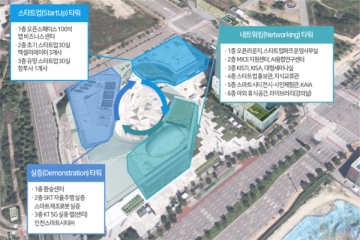
The Ministry of SMEs and Startups announced on the 11th that Incheon's Songdo Tomorrow City was selected as the final winner of the 2019 Startup Park Development Project competition among metropolitan local governments nationwide. The Startup Park Development Project is an initiative to establish open innovation and entrepreneurship hubs similar to China's Zhongguancun, the United States' Silicon Valley, and France's Station-F. The Ministry of SMEs and Startups is implementing this as a pilot project this year through a nationwide competition among metropolitan local governments. Incheon plans to remodel underutilized municipal buildings to establish an entrepreneurial ecosystem including startup office spaces and networking facilities, and to activate startups with a focus on IT, biotechnology, and smart city industries.
2019.07.12by 이수민 기자
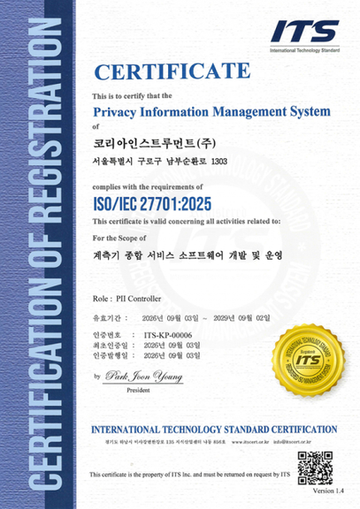
Korea Instrument, KOLAS Accredited Calibration Agency First to Simultaneously Acquire ISO/IEC 27,001·27,701
Korea Instrument has become the first among KOLAS accredited calibration agencies to simultaneously acquire ISO/IEC 27,001 and ISO/IEC 27,701 certifications. Through its proprietary platforms CWIZ Enterprise and CWIZ Partners, the company has embedded information security and personal data protection requirements across all business processes including customer information, equipment data, and calibration reports, with plans to continuously advance its management system through regular audits and security inspections.
2026.10.12by 배종인 기자
TeamViewer One, IT Incident Automation Workflow and Resolution Center Enhanced
TeamViewer has added IT incident automation capabilities and an advanced Resolution Center to its integrated digital workplace management platform 'TeamViewer ONE'. Recurrent service disruptions, configuration errors, and capacity shortages are automatically handled according to preset policies, and device status verification through script deployment can be managed in a unified interface, significantly reducing repetitive tasks for IT teams.
2026.10.12by 배종인 기자











