



[COVID-19] “5 IT Technologies” to Prevent Further Spread
 Published2020.02.25 15:53
바이러스 최초 예측은 알고리즘 기반 의료 AI 플랫폼
IoT·빅데이터·자율주행 등 코로나19 이후 급성장할 것
지난 19일 청도대남병원에서 연고지 없이 조현병으로 입원해 치료를 받아오던 60대 환자가 사망하는 일이 발생했다. 사후 검사 결과 그는 지난해 12월 중국 우한에서 처음 발생한 새로운 유형의 코로나바이러스(COVID 19)에 감염된 것으로 양성 반응이 나왔다.
25일 오전에는 대구 칠곡병원에 입원 중이던 60세 여성이, 오후에는 청도대남병원과 관련 있는 50대 남성이 사망하며 코로나19 누적 감염자수는 977명(사망자수 10명)으로 집계됐다. 코로나19는 감염자의 비말(침방울)이 호흡기, 눈, 코, 입 등의 점막을 통해 침투될 때 전염되는 특성을 지녀 최근 사람 간 접촉을 자제하는 분위기가 고조되고 있다.
코로나19 확산의 여파로 5G, AI, IoT, 빅데이터, 자율주행 등 첨단 ICT 기술을 활용한 서비스도 증가세다. 의료, 배송, 모니터링, 체온측정, 환자관리, 소독 등 의료분야에서의 중요도는 더욱 높아지고 있다.
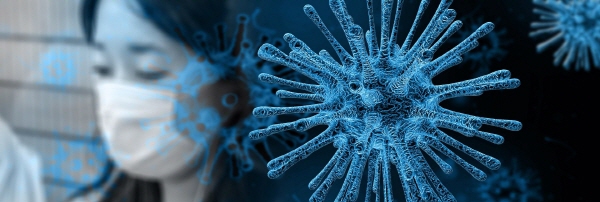
▲ 코로나19 확산에 IT 기술을 활용한 서비스가 다양화되고 있다
코로나19 최초 예측은 '의료 AI 플랫폼'
세계보건기구(WHO)에 따르면 코로나19의 위험성을 최초로 경고한 것은 캐나다 기업의 의료 AI 플랫폼 블루닷(BlueDot)이었다.
인공지능 알고리즘을 기반으로 다양한 소스를 분석해 질병 발생을 식별하고 확산 방법을 예측했다. 2019년 12월31일에는 자사 고객을 대상으로 우한에서 바이러스가 시작되었으므로 우한 여행을 피하라는 메시지를 발송했다.

▲ 블루닷이 세계 최초로 코로나19 바이러스의 위험성을 경고했다
잠복기 환자까지 찾아내는 '나노바이오센서'
지난 9일 경희대 의대 황교선 교수팀은 혈액 내 극미량 존재하는 바이오마커(biomarker)를 활용해 코로나19 바이러스 잠복 환자를 찾아내는 기술을 개발했다.
발열 등의 증상이 없는 잠복기 환자도 나노바이오센서로 혈액 검사를 진행하면 1시간 내에 감염 여부를 파악할 수 있다.
현재 사용되고 있는 실시간 유전자 증폭(rt PCR) 검사의 경우 진단 결과 도출 시까지 6시간 가량 소요되는 점을 고려하면 시의성을 다루는 코로나19 관리에 활용도가 높다고 볼 수 있다.
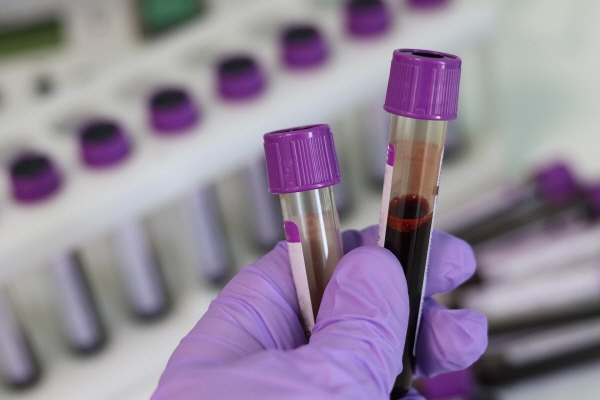
▲ 혈액 내 바이오마커로 코로나19 잠복기 환자를 찾아내는 기술이 개발됐다
병원 방문 대신 '언택트 서비스'
코로나19 바이러스 2차 감염을 우려해 병원을 방문하지 않고 진료를 받을 수 있는 비대면(Untact) 서비스가 주목받고 있다.
고객은 병원 진료 예약을 모바일로 대신한 후 화상 기능이 있는 로봇을 통해 의료진으로부터 진료를 받는다.
코로나19가 빠른 속도로 확산되면서 2차 감염을 우려해 비대면 서비스에 대한 관심도 증가세다. 실제로 국내 한 병원은 코로나19 선별진료소에서 로봇을 활용해 비대면 진료를 진행 중이다. 의사소견이 필요하면 로봇과 의사가 스마트폰으로 연결해 원격 협진을 제공한다.
비대면 서비스 제공 기업 똑닥에서 집계한 자료에 따르면 지난 1월20일부터 2월2일까지 총 2주 동안 본인이나 가족 등의 진료를 위해 똑닥서비스를 이용한 사람은 일평균 1만8,906명에 달하는 것으로 나타났다. 전년 동기 대비 4배(4,521명) 이상, 직전 2주 전보다 25%(1만5,079명) 늘어난 수치다.
중국의 알리바바는 헬스케어 플랫폼 알리바바 헬스를 통해 후베이성에 무료 원격 의료 진료 서비스를 제공 중이다. 알리페이와 타오바오 앱을 통해 경미한 증상을 보이는 환자와 의사를 연결시켜 상담을 진행한다.
초당 500건의 통화 이력과 내용을 분석할 수 있는 인공지능 기반 플랫폼이다.

▲ 코로나19 바이러스 2차 감염을 예방하고자 언택트 의료서비스가 각광받고 있다
발열 여부 파악하는 'AI 진단 기술'
코로나19가 사람과의 접촉을 통해 전파되는 특성을 고려해 비대면, 비접촉, 모빌리티 기반 서비스의 활용도가 높아지고 있다.
국내 기업 한 기업은 열 감지 카메라를 활용해 코로나19 바이러스의 감염 증상 중 하나인 발열 여부를 파악하는 기술을 선보였다.
운영자가 온도범위를 환경에 맞게 조절할 수 있고 일정온도 이상 감지될 경우 열화상 카메라 화면이 실시간으로 컴퓨터 화면과 모니터로 전송되는 동시에 보이스 알람, 문자 등의 경고를 관리자에게 보내 환자를 식별해내는 것이다.
기존 캠코더 형식의 열 측정 장비는 운영자가 24시간 있어야 했지만 이번에 공개된 열감지 융합 CCTV 기술은 이같은 불편을 해소했을 뿐만 아니라 감지대상을 원적외선 화면만으로 나타내 인체에도 무해한 장점을 지녔다.
또 다른 국내 기업은 스마트 방역 서비스에 활용되는 방역케어 로봇 ‘테미’를 공개했다. 열감지 카메라를 활용한 자가발열 진단을 비롯해 자동분사 손세정, 방역·관제 솔루션, 운반·배달 등의 서비스를 제공한다.
비대면 서비스로 감염 의심자는 선별 진료소의 담당자와 영상통화를 할 수 있고 감염 의심자의 정보는 실시간으로 제공돼 관제 및 모니터링까지 가능한 원스톱 서비스다.
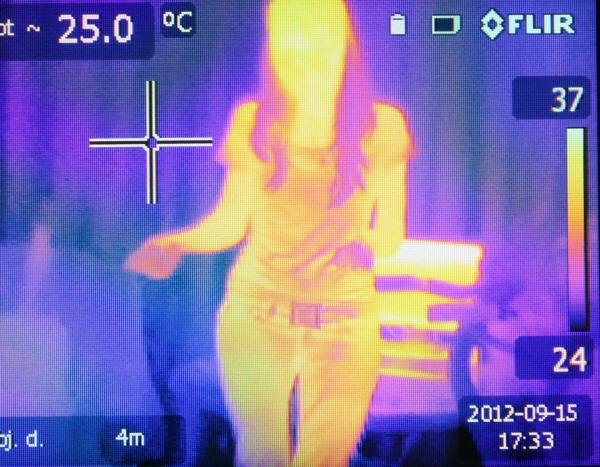
▲ 열감지 카메라를 활용해 발열 여부를 판단하는 기술이 공개됐다
중국에서는 인파가 몰리는 장소에서 발열 증상을 보이는 환자를 식별해 내는 AI 체온측정 시스템이 가동 중이다. 이는 원래 탈주범을 잡는데 활용되던 서비스로 안면인식 기술을 활용해 코로나 환자를 식별하는 것이다.
최대 3미터 거리에서 접촉 없이 발열 여부를 판단할 수 있을 뿐만 아니라 고열 의심환자가 인식될 경우 곧바로 경보가 작동돼 1명의 검역 인원만 있으면 현장 통제가 가능하다.
초당 15명까지 체온 측정을 할 수 있는 인체·이미지 식별 및 적외선 센서 통합 솔루션이다.
체온 측정을 넘어 마스크 착용여부까지 식별하는 기술을 선보인 중국 업체도 있다. 열화상 체온측정, 적외선, 가시광선 등을 융합한 기술로 체온 37℃ 이상 또는 마스크 미착용 고위험군 대상 출현 시 실시간으로 경보를 작동시킨다. 이후 방역 인원에게 출동 통보를 보내고 고위험군의 행적 및 접촉 상황 등을 추적해 동영상으로 보존한다.
마스크 착용 여부 식별의 정확도는 99%에 달하며 체온은 오차 범위 ±0.3℃ 내에서 밀리세컨드(1000분의 1초) 단위로 측정할 수 있다.
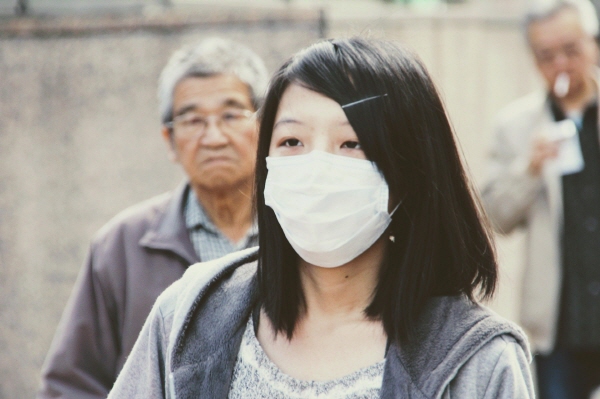
▲ 체온측정은 물론 마스크 착용여부도 판독하는 서비스가 제공 중이다
알리바바는 산하 연구기관 달마원(DAMO)과 알리바바 클라우드가 공동 개발한 AI 진단 서비스를 선보였다. 코로나19 의심 환자의 CT 화상을 20초 내에 96%에 달하는 정확도로 판독해 내는 기술이다.
코로나 감염 환자의 흉부 CT 화상은 폐에 얼룩 모양 또는 우윳빛 유리 모양의 결절 음영이 보이는 특성을 지니는데 이를 육안으로 분석하려면 통상 5~15분이 걸린다.
알리바바는 5,000예 이상의 CT 화상 샘플 데이터를 바탕으로 데이터 병변 형상을 학습시킨 AI 알고리즘 모델을 개발했다. 자연어처리(NPL)의 회고성 데이터와 상승뉴럴네트워크(CNN)를 사용해 CT 화상 식별 네트워크를 훈련시키는 방식이다.
이 밖에도 우리 국민은 누구나 원하는 정보를 맞춤형으로 실시간 제공 받을 수 있는 서비스가 공개됐다. 와이즈넛은 인공지능 챗봇에 질병관리본부, 보건복지부에서 제공하는 정보를 결합한 코로나19 챗봇 베타버전을 20일부터 제공 중이다.
확진자, 자가격리자, 일반인, 의료인, 집단시설 등 대상별로 원하는 정보를 제공받을 수 있다.
사람 일손 대체하는 '자율주행 로봇'
상하이 교통대학교는 로봇 내부에 소독 장비를 장착해 소독기체를 만들어 내는 자율이동 소독 로봇을 선보였다. 상단에는 과산화수소 분무기를, 중앙에는 자외선 램프 9개를 탑재했다.
실내에서 사각지대 없이 360도 소독 방역을 할 수 있으며 로봇 한 대당 1,500ml의 소독액을 탑재해 한 번에 3시간 이상 연속 작업을 수행할 수 있다.
랴오닝성 선양 지역에서는 21대의 의료로봇이 살균제 분사 및 약품 배송 등의 업무를 수행하고 있다. 레이저 위치 센서, 지능형 항법, 인간과 컴퓨터의 상호작용 등 첨단 기술을 활용했다.
뉴욕 타임스스퀘어에는 행인들에게 감염 증상 정보를 제공하는 프로모봇 로봇이 등장했다. 설문이나 문답을 통해 감염 의심 여부를 질문자가 직접 체크해보는 서비스다.
국내 기업 유버는 UV LED 기술을 이용한 살균로봇을 출시했다. 화학약품 대신 자외선을 이용해 빛으로 살균하는 방식으로 UV LED 공기정화모듈을 내장했다. 8축 이동바퀴와 360도 회전 구동은 물론 5분 내 99.999%에 달하는 살균력을 제공한다.
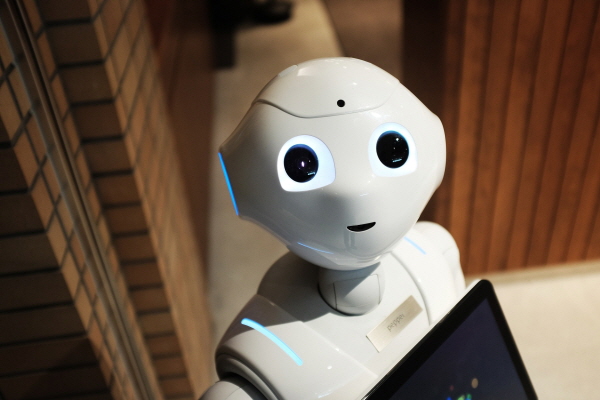
▲ 살균소독에 자율주행 로봇이 활용되고 있다
인간의 한계를 넘어선 '무인비행체'
중국 상하이, 광저우 등 주요 도시에는 순찰 및 살균제 살포를 목적으로 드론 100여대가 투입돼 있다. 40배 줌 카메라로 360도 순찰이 가능하며 마스크를 하지 않은 행인을 발견하면 지휘관이 확성기로 경고하며 추적 비행을 지속한다.
DJI는 농업용 드론 아그라스(Agras) 시리즈를 잠재적 영향권 지역에 투입해 소독제를 분사하는데 활용하고 있다. 사람이 직접 소독제를 뿌리는 것보다 분사 속도가 50배 빨라 코로나19 사태에 대응하는데 적합하다.
중국 환치우왕 구이양시 고속도로에는 QR코드를 접목한 경찰용 드론이 하늘에 떠 있다. 드론에 QR코드를 단 종이가 걸려 있어 이를 스마트폰으로 스캔하면 신분 인증이 완료되는 톨케이트 신분인증 시스템이다.
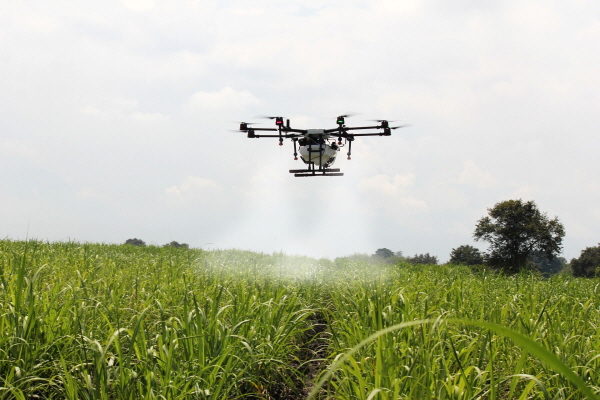
▲ 소독제 살포에서 신분인증까지 드론이 다양하게 활용되고 있다
전문가들은 코로나19 사태 이후 중국에서 의료용 로봇 시장의 급성장할 것으로 전망했다.
국제로봇연맹(IFR)이 발표한 자료에 따르면 지난 2018년 기준 전 세계 서비스 로봇 시장 매출액은 130억 달러로 이 중 중국 서비스 로봇 시장 매출액은 25억1,000만 달러를 차지했다. 중국 내 서비스 로봇 시장은 최근 5년간 연평균성장률 35%를 기록하며 고속 성장해 왔다.
중국 시장조사기관 중상정보망(ASKCI)은 지난해 6억 달러 수준에 불과하던 중국 의료용 로봇산업의 시장가치는 오는 2021년 10억 달러를 넘어설 것으로 예상했다.
특히 최근 불거진 코로나19 사태와 같은 예상치 못한 위험을 대비해 중국에서는 공장시스템을 자동화하는 방안도 적극 검토 중이다.
심영화 KOTRA 중국 다롄 무역관은 “노동력 자원 중심의 구조에서 벗어나 IoT, AI 등을 활용한 제조업 생산구조 혁신이 필요하다”며 “한국은 의료보건산업, 전자상거래, 온라인 교육, 온라인 플랫폼 진출 확대를 위한 전략을 재점검해 볼 시점으로 제조업 생산라인 리스크를 줄이는 공장물류 자동화 시스템은 앞으로 더욱 가속화 될 것”이라고 말했다.
Comments
Related news
2020 Manufacturing Digital Transformation Trend Forecast
Recently in the manufacturing industry, various proofs of concept are being attempted driven by expectations for the potential of technologies such as IIoT and AI. However, even if companies have identified approximately 100 IIoT use cases, realistically only 4 to 5 of them should be included in their priorities. In 2020, companies equipped with a value-oriented digital transformation mindset will be able to easily scale their digital transformation initiatives and shorten the time to value creation.
2020.01.13by 이수민 기자
Novel coronavirus infection throws cold water on ICT industry as well
The WHO declared a Public Health Emergency of International Concern regarding the novel coronavirus infection outbreak that occurred in Wuhan, Hubei Province, China. The impact of this infection is also extending to the ICT industry. China, where the largest number of patients has occurred, accounts for 52.93% of the global semiconductor market. The Chinese government extended the Lunar New Year holiday, originally scheduled to end on January 30th, to February 2nd, and ordered mandatory closures in Wuhan, the epicenter of the outbreak. These measures are expected to affect the operation and construction of other semiconductor plants within China.
2020.01.31by 이수민 기자
Rockwell Expands 'Control & Visualization' Portfolio with Acquisition of ASEM
Rockwell Automation has concluded an acquisition agreement with Asem, an Italian company. Asem is a digital automation technology supplier that provides a full range of IPC, HMI hardware and software, remote access, and IIoT gateway solutions. Through this acquisition agreement, Rockwell will also acquire Asem's minority stake held by Germany's KEB Group. Rockwell stated that through this acquisition, it will expand its control and visualization hardware and software portfolio.
2020.02.19by 이수민 기자
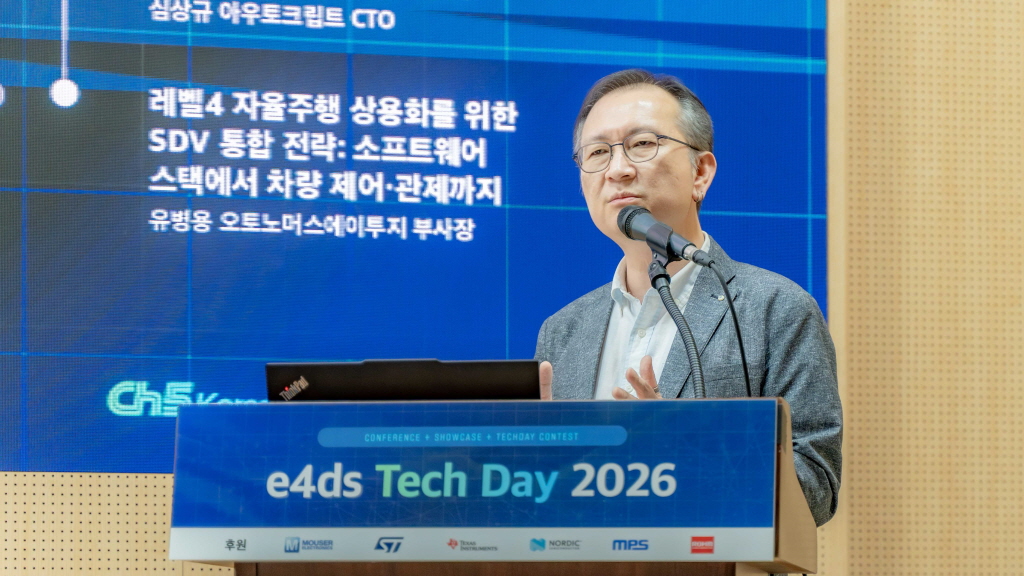
[e4ds Tech Day 2026 ⑨] Sim Sang-gyu, Autocrypt CTO: "In the Physical AI Era, Automotive Security Must Extend Beyond the Vehicle"
At e4ds Tech Day 2026, Sim Sang-gyu, CTO of Autocrypt, explained automotive cybersecurity strategies in the era of Physical AI and SDV (Software-Defined Vehicle). Automobiles are evolving as part of an ecosystem connected to AI, cloud, chargers, IoT, and robots, and he emphasized that the scope of security must expand beyond the vehicle interior to the entire connected environment. In particular, AI model tampering, adversarial attacks, OTA updates, and EV charger hacking were identified as major threats. He explained that response measures require zero trust, AI model integrity protection, intrusion detection, Security by Design and Default, and full lifecycle security management, and that proactive security system establishment beyond regulatory compliance is critical for securing future mobility competitiveness.
2026.10.12by 배종인 기자
NVIDIA to Invest $1 Billion in U.S. Science Over Next Five Years
NVIDIA has announced plans to invest $1 billion over the next five years to strengthen U.S. scientific and technological competitiveness. The company will enhance cutting-edge artificial intelligence research and development capabilities in key areas including quantum computing, healthcare, and energy security, while expanding support for higher education research institutions and cloud service providers. NVIDIA is participating as a major industry partner in the White House Office of Science and Technology Policy's Genesis Mission, and is promoting supercomputer construction in collaboration with national laboratories including Argonne and Los Alamos.
2026.10.12by 배종인 기자











