


[1st Anniversary of 5G Commercial Service] What Path Has Been Taken and What Path Will Be Next?
 Published2020.04.03 11:29
5G 단말·장비 1, 3위 등 글로벌 시장 선도
제3차 5G+ 전략위원회, 오는 8일 개최
2020년 4월 3일은 세계 최초의 5G 상용서비스가 시작된 지 딱 1주년이 되는 날이다.
5G 생태계 육성을 위해 지난 몇 년간 우리나라가 걸어온 길을 종합해서 파악하고 미래를 반추해본다.
5G 상용화 전 추진한 것들
정부는 세계 최초 5G 상용화를 목표로 2017년 말, 초연결 지능형 네트워크 전략을 마련하고 2018년 2월, 평창동계올림픽에서 세계 최초로 5G 시범서비스를 선보였다.
2018년 6월에는 5G 인프라 조기 구축을 위해 주파수 경매를 계획 대비 1년 앞당겨 시행하고, 통신사들의 중복투자를 줄이기 위해 필수설비 공동구축·활용 관련 제도를 개선했다.
2018년 8월에는 5G 단말기 도입과 무선망 구축에 필요한 전파인증 및 무선국 허가·검사를 위한 무선설비 기술기준을 마련하고, 2018 자카르타-팔렘방 아시안게임에 5G 체험관을 운영했으며, 5G 장비·단말에 대한 전파인증을 10월에 진행하였다.
2018년 12월 1일에는 세계 최초로 5G 전파를 발사하고, 모바일 라우터 기반 B2B 상용서비스를 개시했다. 2019년 4월 3일에는 세계 최초로 스마트폰 기반 5G 서비스를 상용화했다.
[사진=과기정통부]
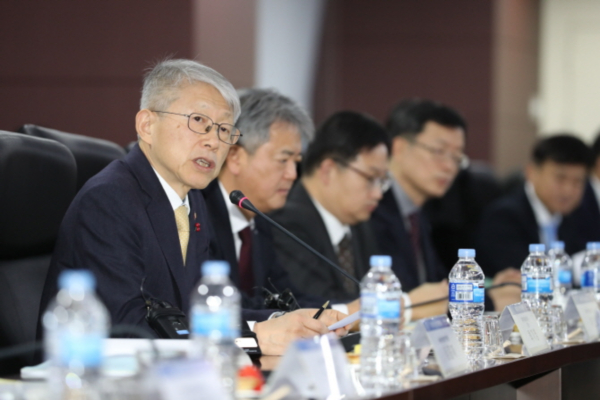
2019년 4월 8일에는 ‘5G+ 전략’이 발표됐다. 이 전략을 추진하기 위해 2019년 6월, 관계부처와 민간 업계‧전문가가 참여하는 ‘5G+ 전략위원회’가 구성되어 운영 중이다.
정부는 15대 5G+ 전략산업의 체계적 육성을 위해 콘텐츠산업 3대 혁신전략(2019.09), 5G+ 핵심서비스 융합보안 강화방안(2019.10), 5G 기반 스마트공장 고도화 전략(2019.10), 5G+ 스펙트럼 플랜(2019.12) 등 10여 개의 후속 정책을 추진 중이다.
5G 상용화 후 주요한 성과
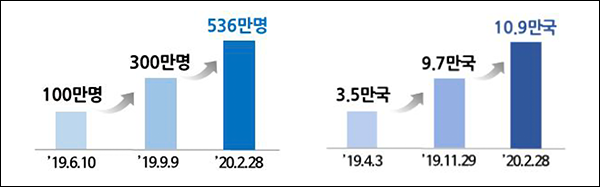
국내 5G 가입자는 상용화 약 10개월 만에 500만 명을 넘었으며, 5G 기지국은 전국 85개 시 10만9천여 곳에 구축됐다.
삼성전자는 스마트폰 기반 5G 서비스 상용화와 함께 5G 단말을 출시한 이후 5G 스마트폰 점유율 세계 1위를 기록했으며, 5G 장비도 세계시장 3위를 기록하며 기존 견고했던 통신장비 3강(화웨이-에릭슨-노키아) 구도에 변화를 일으켰다.
5G 상용화로 통신사들의 망 투자 확대 등에 따라 관련 중소기업들의 매출과 영업이익 또한 증가했다.
5G 기지국 장비를 제조하는 모 업체는 다중입출력장치(Massive MIMO)를 개발하여, 2019년 매출액이 2018년 대비 247% 증가한 7,330억 원, 영업이익 1,613억 원을 기록했다.
광 송수신기를 제조하는 모 업체 또한, 삼성전자, 화웨이, 에릭슨 등의 업체에 5G 장비를 공급하여 매출액이 2018년 258% 증가한 2,105억 원, 영업이익은 294% 증가한 588억 원을 기록했다.
3D VR 콘텐츠를 제작하는 모 스타트업은 통신사와 함께 해외에 진출하는 등 5G 상용화로 매출액이 2018년 대비 178% 증가한 50억 원을 기록했다.
국제협력도 활발했다.
[사진=SK텔레콤]
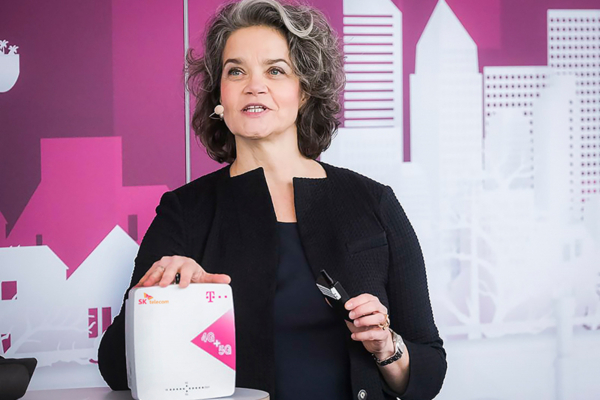
이동통신 3사는 독일 도이치텔레콤을 비롯한 전 세계 여러 이동통신사와 기술 협력을 맺었고, 삼성전자를 비롯한 제조업체들은 일본 KDDI, 캐나다 비디오트론, 미국 US셀룰러, 뉴질랜드 스파크 등에 5G 장비를 공급했다. 몇몇 콘텐츠 업체는 중국 차이나텔레콤, 홍콩텔레콤 등에 콘텐츠를 수출했다.
OECD, 세계은행, 아르헨티나, 미국 AT&T 등 세계 각국 정부 및 통신사가 5G 상용화 노하우를 배우기 위해 우리나라를 방문했다. 우리나라 역시 아태지역 5G 최고경영자 회의(2019.05), 5G 버티컬 서밋 2019(2019.12)등을 개최하여 전 세계와 경험을 공유했다.
정부 지원도 꾸준했다.
정부는 2019년 5월에 융합보안핵심인재 양성을 위해 5G+ 5대 핵심서비스 분야 등을 중심으로 융합보안대학원 3개교(고려대-스마트팩토리, KAIST-스마트시티, 전남대-에너지)를 선정했다.
2019년 6월에는 서울 상암에 차량전용통신(WAVE)․5G 통신 인프라를 구축하고 개방하여 민간의 차세대 지능형 교통시스템(C-ITS) 및 자율협력주행 기술 개발을 지원했고, 판교에서 자율주행 셔틀을 시범운영했다. 또한, 5G 스마트팩토리를 중소기업 3곳에 보급했다.
2019년 7월에는 차세대 스마트폰 개발을 위해 국내 5G 단말기 제조기업이 해외에 나가지 않고도 국제인증을 획득하여 단말기 개발 기간을 단축하고, 인증비용을 줄일 수 있는 국제공인 인증시험 서비스를 한국정보통신기술협회(TTA)를 통해 제공하고 있다.
5G 콘텐츠 플래그십 사업을 통해 실감 콘텐츠 5대 분야(실감미디어, 실감커뮤니케이션, 실감라이프, 산업융합, 공공서비스) 선도과제 제작(28개)을 지원했으며, 초기기업 성장지원을 위한 펀드(300억 원)를 조성하고, 해외에 5G 콘텐츠 공급을 위해 미국(LA), 베트남(호치민) 등에 5G 콘텐츠 체험관도 구축했다.
성공적인 5G 상용화 2주년을 위해서
정부는 5G 상용화 직후부터 추경으로 약 230억 원을 편성하는 등 3천4백억여 원을 투입했으며, 올해는 87% 증가한 6천5백억 원을 투자할 계획이다.
정부는 민간의 5G 투자를 촉진하기 위해 2019년부터 2년간 5G 망 투자 세액공제를 추진 중이며, 올해부터는 세액공제율(수도권 지역)과 대상(비수도권 지역)을 확대한다.

세액공제의 경우 2020년 1월 1일부터 수도권 투자 세액공제율을 당초 1%에서 2% 수준으로 확대 시행 중이며, 2월 11일에는 비수도권 투자 세액공제 대상에 공사비를 추가했다.
2019년 12월에는 2026년까지 5G 주파수 폭을 약 2배 확대(2,680㎒→5,320㎒)하는 ‘5G+ 스펙트럼 플랜’을 발표하고 추진 중이다.
또한, 무인기지국 원격전원관리시스템에 대한 ICT 규제샌드박스를 지정하여 기지국 유지관리비용 절감도 기대된다.
5G 관련 제품 및 설비 개발은 활발하나 소비자들이 실감할 수 있을 정도의 데이터 송수신 속도는 아직 구현되지 못하고 있으며, 굳이 5G를 사용해야 할 당위성을 제공해줄 킬러 콘텐츠의 부재 역시 숙제로 남아있다.
이에 정부는 5G+ 전략의 2020년도 추진계획 점검 및 성과 창출 가속을 위해 오는 8일, 제3차 5G+ 전략위원회를 개최할 계획이다.
Comments
Related news
Ministry of Science and ICT and KISA Promote Security Enhancement Project for 5G+ Core Services
Cybersecurity threats are extending into traditional industries, making preemptive prevention necessary. The Ministry of Science and ICT and KISA announced that they will be implementing the 5G+ Core Service Security Enhancement Project. Through this initiative, security improvement measures for each 5G+ core service will be established, and security models containing implementation methods for convergence security technologies applicable to each service will be developed.
2020.03.19by 이수민 기자
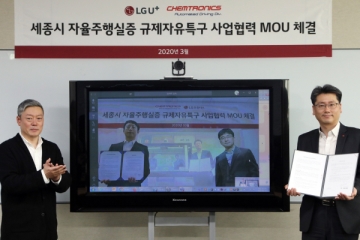
Self-driving shuttles will be operational in Sejong City within the first half of this year.
LG Uplus and Chemtronics have signed a memorandum of understanding and are launching a proof-of-concept project for autonomous shuttle services in Sejong City. Under the agreement, Uplus will provide 5G communication networks, dynamic precision maps, and high-precision positioning solutions for Sejong City's autonomous driving services. Chemtronics will focus on technical support for V2X-related stacks, hardware, and applications.
2020.03.26by 이수민 기자

5G plans starting at around 30,000 won per month are now available, marking the first anniversary of 5G commercialization.
SK Telecom is providing 5G rate plans wholesale to six MVNO operators. The operators are Smartel, Aizvision, Freetelecom, S-One, SK Telink, and Keun Saram. These six companies will sequentially launch 5G MVNO rate plans starting from the 30th and will begin recruiting 5G subscribers.
2020.03.30by 이수민 기자
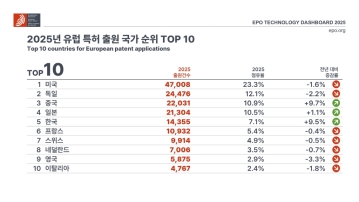
European Patent Applications Surpass 200,000 for the First Time… South Korea Maintains 5th Place, Led by Batteries and Telecommunications
According to the European Patent Office (EPO)'s 'Technology Dashboard 2025', European patent applications last year reached 201,974, surpassing 200,000 for the first time. Korean companies and inventors filed 14,355 applications, representing a 9.5% increase from the previous year and maintaining 5th place by country. Battery, digital communication, and semiconductor technologies led the growth, with Samsung ranking as the top EPO applicant for the second consecutive year and LG reaching 3rd place. The presence of major domestic cities such as Seoul, Suwon, and Yongin was also confirmed. It was also revealed that Korea's European patent strategy is expanding beyond individual technologies to span the entire industry.
2026.03.24by 명세환 기자
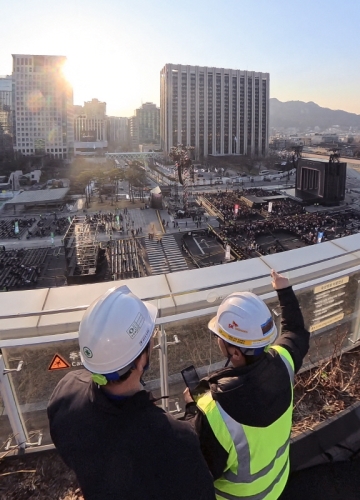
SK Telecom First Applies AI-Based Network Operations at Gwanghwamun K-Pop Concert
SK Telecom announced that it applied an AI-based network operation system for the first time at a large-scale K-pop concert held in the Gwanghwamun area of Seoul on March 21st, managing communication quality throughout the event. Mobile data usage during the three hours before and after the concert reached 12.15TB, approximately doubling compared to the same time slot the previous weekend. SK Telecom monitored traffic using the AI system 'A-One' in five-minute and 50-meter units to respond to potential overload situations, while also operating temporary communication facilities and on-site personnel in parallel. This case is interpreted as confirmation of the practical applicability of AI-based autonomous network operation in an environment where demand from dense events and foreign users increases simultaneously.
2026.03.23by 명세환 기자











