



[Planning] IoT: Transforming Our Lives, Implemented by Cutting-Edge Technology (1) - Sensors
 Published2021.05.17 10:04
(2) 5월20일 커넥티비티
(3) 5월24일 액추에이터
(4) 5월26일 마이크로 컨트롤러
(5) 5월28일 보안
[편집자 주]집안에서 연기가 감지되자 화재 감지기가 울리며, 감지기 근처 소방장비가 작동하고, 집 주인과 소방서에 긴급 연락이 전송된다. 소방이외의 분야에서도 이렇게 사람이 없어도 작동하는 이런 시스템의 구현은 우리 일상생활에서 쉽게 가능해졌고, 보편화됐으며, 향후 우리 일상생활에서 더욱 많은 발전을 거듭할 것으로 보인다. 사람의 개입이 없어도 사물 간 인터넷을 통해 연결되고 작동하는 시스템을 사물인터넷(Internet of Things)이라고 한다. 건강관리, 전원, 가스, 주차장, 가전 등 사물인터넷은 알게 모르게 우리 삶에 많이 적용되고 있다. 이에 본지는 5회에 걸쳐 사물인터넷을 가능하게 하는 첨단 기술에 대해 살펴보는 자리를 마련했다.
■ 센서, 주변 환경 정확 모니터링
사물인터넷(IoT) 기술을 구현하기 위해서는 주변 상황을 정확하게 파악할 수 있는 기술이 필요하다.
예를 들어 요리를 하다 연기가 발생한 상황을 화재 상황으로 오인 인식하고, 스프링클러를 작동시키거나 소방서에 연락한다면 쓸데없는 에너지 낭비와 불필요한 시간 및 상황이 발생할 수 있기 때문이다.
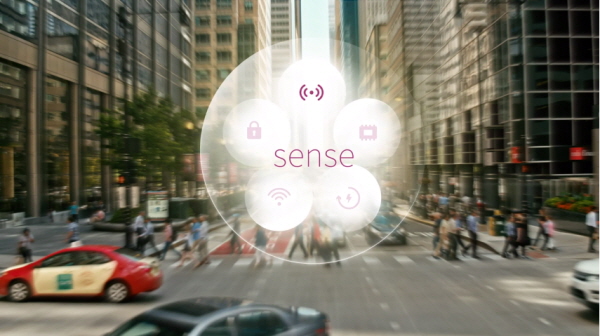
이에 주변 환경에 대해 보고, 듣고, 느끼고, 냄새를 맡아 주변을 정확하게 인식하게 할 수 있는 기술이 중요하다.
또한 이에 대한 다양한 센서가 필요하며, 이 센서들을 통합 운영하고, 이러한 센서들의 개발 기간을 단축할 수 있는 솔루션도 필요한 시대가 됐다.
IoT 구현을 위한 핵심 기술은 센서인 것이다.
■ 스마트 사물·건물·공장·자동차, 시작점은 ‘센서’
IoT에서 센서는 어디에나 있으며 모든 IoT 시스템의 시작점으로, 주변 환경에 대한 모든 종류의 데이터를 수집한다.
스마트하고 네트워크로 연결된 IoT 제품을 개발하는 것은 정말 어려운 일이다. 무선과 임베디드 시스템 간의 상호동작, 보안, 클라우드 통합, 에너지 관리 같은 주제를 다루는 데는 시간이 많이 들고 상당한 전문성이 필요하다.
이에 IoT 구현을 위한 핵심 센서 기술로는 △압력 및 자기 센서 △음향 센서 △3D 이미지 센서 △레이더 센서 △CO2 센서 기술들이 필요하다.
음성비서, 디지털지갑, 피트니스 트래커 등 스마트디바이스 영역에서는 △매우 까다로운 애플리케이션에서도 향상된 오디오 성능을 달성할 수 있는 MEMS 마이크로폰 △작은 크기, 낮은 전력 소모, 최고의 정밀도, 주변 환경에 대한 견고성, 넓은 온도 범위에서의 상대정확도 (relative accuracy)를 특징으로 하는 디지털 대기압 센서 △헬스 모니터링, 동작 제어, 존재 감지 등의 애플리케이션에 적합한 레이더 △안면 인식을 통한 인증과 AR/VR 애플리케이션에 적합한 이미지센서 등이 필요하다.
편안함, 에너지효율, 보안을 향상 시킬 스마트 빌딩 영역에서는 △음성 제어를 구현할 수 있는 MEMS 마이크로폰 △터치로 디바이스를 제어할 수 있는 정전용량식 센서 △모션을 효과적으로 감지할 수 있는 레이더 센서 △실시간으로 정확한 깊이 데이터를 제공하고, 빠르게 반응하며, 비접촉으로 동작하고, 주변 빛에 대한 견고성이 우수한 이미지 센서가 요구된다.
.jpg)
산업분야에 IoT가 도입되면서 스마트제조를 가능하게 할 스마트팩토리 영역에서는 △산업용 애플리케이션에 적합한 전류 센서, 고정밀 코어리스 센서를 비롯해 △디바이스 전방의 장면에 대한 3D 맵을 포착할 수 있는 이미지센서 등이 필요하다.
IoT의 집합체인 자동차 영역에서는 신뢰할 수 있는 센서가 필요하다. 환경 감지는 스마트카를 위한 초석이다. 어댑티브 크루즈 컨트롤이나 충돌 경고 같은 레이더 기반 운전자 지원 시스템과 3D 카메라는 승객 감지나 스마트 에어백 시스템 등을 통해 패시브 세이프티를 높인다.
IoT 디바이스와 애플리케이션 수가 증가함에 따라 데이터 트래픽 양도 증가하고 있다. 오늘날에는 연간 16.3제타바이트의 데이터가 생성되고 수집되고 있으며, 2025년에는 163제타바이트로 증가할 것으로 전망된다.
이와 같이 엄청난 양의 데이터를 처리하고 전송하기 위해서는 IoT의 중추를 형성하는 통신 네트워크, 데이터 센터, 서버의 성능을 계속해서 향상시켜야 한다. 대역폭을 높이고, 저장 용량을 높이고, 에너지 효율을 높여야 하며, 뿐만 아니라 사용자들과 기업들이 안정적이고 끊김 없는 커넥티비티를 원하므로, IoT를 형성하는 모든 시스템이 매우 안정적으로 동작해야 한다.
■ 인피니언, 40년 경험 축적 안정성·내구성 완벽 입증
IoT 센서 전문기업으로 인피니언(Infineon)이 업계에서 인정받고 있다.
인피니언은 40여년의 경험을 축적한 시스템 전문성을 바탕으로 자기 센서, 전류 센서, 압력 센서, 음향 센서, 3D 이미지 센서(REAL3™) 등 광범위한 포트폴리오를 제공하고 있다.
인피니언의 XENSIV™ 제품군은 자동차, 산업 및 소비자 애플리케이션에서 오늘날의 감지 문제를 해결하기 위해 개발됐으며, 스패닝 자기 센서, 전류 센서, 압력 센서, 음향 센서, 3D 이미지 센서(REAL3™)와 레이더 센서 MMIC(자동차용 RASIC™), XENSIV™는 업계에 관계없이 모든 성능 및 무결성 요구 사항에 완벽하게 맞도록 보장한다.
XENSIV™ 센서는 ‘사물’이 환경을 △보고 △듣고 △느끼고 △이해 할 수 있도록 해 삶을 ‘스마트 화’ 하도록 설계됐다. 고객이 설계에 더 많은 인텔리전스를 구축 할 수 있도록 지원한다.
또한 모든 XENSIV™ 센서는 최고의 안정성을 위해 설계됐다. 가장 혹독한 조건에서 확장 된 테스트와 결합 된 향상된 설계 및 생산 표준이 포트폴리오의 현장에서 입증 된 품질에 반영된다.
이러한 견고함으로 인해 전 세계 고객은 전체 제품 수명 동안 시스템 안정성, 내구성 및 무결성을 위해 XENSIV™를 사용할 수 있다.
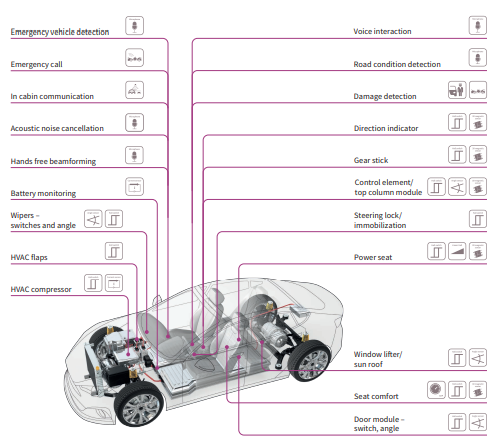
예를 들어 이는 자동차 설계에서 안전이 중요한 애플리케이션의 핵심 성공 요인이다.
또한 고객은 입증 된 실적에 대한 추가적인 확신을 갖게 된다. 지난 10년 동안 인피니언은 200억개가 넘는 장치를 출하했으며 전체 시스템 설계를 최적화하는 동시에 실제 고객 별 요구 사항에 부합하는 즉시 사용 가능한 센서 솔루션을 개발할 수 있는 능력을 분명히 보여줬다.
이 기사에 대한 자세한 내용은 인피니언 홈페이지(https://www.infineon.com/cms/kr/make-iot-work/)에서 확인 할 수 있다.

Comments
Related news
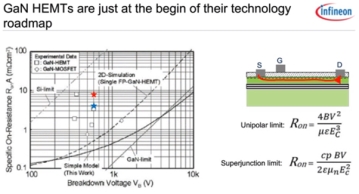
[Power Special Feature I] EMI Avoidance Driving Circuit Techniques for Building High-Power GaN Switching Devices!
When GaN switching devices are connected in parallel, if the gates of the switches are not symmetrical, not only does current sharing between devices become uneven, but parasitic components in the circuit are mixed into the current flow, which can cause undesirable high-frequency oscillations. This fails to meet electromagnetic compatibility (EMC) requirements and can, in severe cases, cause damage to the switches themselves.
2021.03.31by 명세환 기자
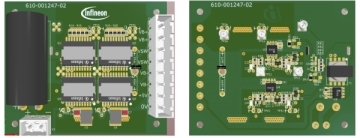
[Power Special II] PCB layout and EV board study for parallel use of GAN devices!
When using GaN power transistors, it is important to note that gate driving is different. Additionally, while parallel configuration is relatively straightforward, attention must be paid to current balancing between devices under static conditions and PCB layout during design.
2021.04.15by 배종인 기자
Infineon to Hold Power Seminar on June 16th
Infineon, a global leader in power semiconductors, will hold the "Infineon Power Seminar 2021" online starting at 10:00 AM on June 16th. Registration is available on the Infineon website.
2021.05.11by 배종인 기자
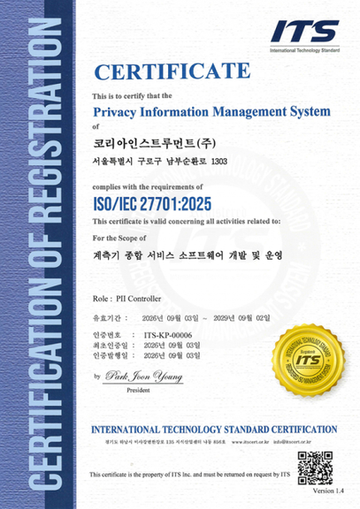
Korea Instrument, KOLAS Accredited Calibration Agency First to Simultaneously Acquire ISO/IEC 27,001·27,701
Korea Instrument has become the first among KOLAS accredited calibration agencies to simultaneously acquire ISO/IEC 27,001 and ISO/IEC 27,701 certifications. Through its proprietary platforms CWIZ Enterprise and CWIZ Partners, the company has embedded information security and personal data protection requirements across all business processes including customer information, equipment data, and calibration reports, with plans to continuously advance its management system through regular audits and security inspections.
2026.10.12by 배종인 기자

TeamViewer One, IT Incident Automation Workflow and Resolution Center Enhanced
TeamViewer has added IT incident automation capabilities and an advanced Resolution Center to its integrated digital workplace management platform 'TeamViewer ONE'. Recurrent service disruptions, configuration errors, and capacity shortages are automatically handled according to preset policies, and device status verification through script deployment can be managed in a unified interface, significantly reducing repetitive tasks for IT teams.
2026.10.12by 배종인 기자











