



Digital Electricity™, Leading Digital Innovation with Micro-Energy Distribution
 Published2021.10.14 08:45
저가 상용 데이터 케이블로 2㎾ 전력 2㎞ 안전 전송
바이코 고효율 컨버터, 열손실 43% 감소·EMI 최소화
극소량의 에너지만을 포함하고 있는 에너지 패킷을 디지털 신호 처리 엔진을 활용해 수신기서 대용량 전기를 모으는 디지털 전력이 새롭게 주목을 받으며, 인공지능, 5G, 사물인터넷 등 대용량의 전기가 필요한 디지털 혁신을 가속하는데 선도를 할 것으로 기대를 모으고 있다. 또한 이러한 기술을 가능하게 하는데 추가 쿨링 필요성이 없는 바이코(VICOR)의 고효율 컨버터가 일조를 하고 있는 것으로 알려졌다.
미국 로드아일랜드 이스트 그리니치에 위치한 전력 공급 제조사 볼트서버(VoltServer)는 최근 고유의 Digital Electricity™(특허 출원) 기술을 사용해 에너지 송수신의 미래를 바꾸고 있다고 밝혔다.
볼트서버의 디지털 전력 기술은 저가의 상용 데이터 케이블을 사용해 최대 2kW의 전력을 먼 거리(최대 2km)에서 안전하게 전송해준다.
현재 볼트서버의 제품들은 경기장, 공항, 컨벤션 센터, 사무용 건물, 호텔, 콘도, 병원 및 실내 정원 등을 포함한 수백여 곳의 주요 장소에 설치돼 4G, 5G 및 Wi-Fi 무선 통신뿐만 아니라 LED 조명과 IoT 장비 등에 전력을 공급하고 있다.
■ 디지털 전력, 한 번에 하나의 펄스 활용
디지털 전력은 전선에 전력을 공급하는 체계로서, 구조화된 구리 케이블을 매개로 해 중심점에서 원격 장비에 전력을 보내는 수단이다. 디지털 전력은 경량 데이터 케이블을 사용해 고압의 전력을 안전하게 전송하며, 파워 로드까지 저전류를 전달한다. 원천적으로 디지털 형태를 띄는 디지털 전력은 150여년 전 처음으로 활용됐던 AD/DC 방식에 새롭게 추가되어 세 번째 전력 송수신 형태라고 볼 수 있다.
먼저 볼트서버에서는 통상적인 전력을 끌어와서 ‘에너지 패킷’이라고 하는 작은 펄스 모음으로 나눈다. 각 패킷은 내장형 로컬 처리기를 갖춘 송신기에서 수신기로 전송된다. 각 에너지 패킷은 디지털 신호 처리 엔진을 활용하여 전력이 정확하고 안전하게 공급되고 있는지 판단한다. 문제가 식별되는 경우, 다음 에너지 패킷에는 전송되지 않는다. 각 패킷은 극소량의 에너지만을 포함하기 때문에, 사람이나 동물, 장비 및 건물에 무해하다. 수신기는 디지털 전력을 아날로그 방식의 AC 혹은 DC로 재변환해 각 로드에 전력을 공급한다.
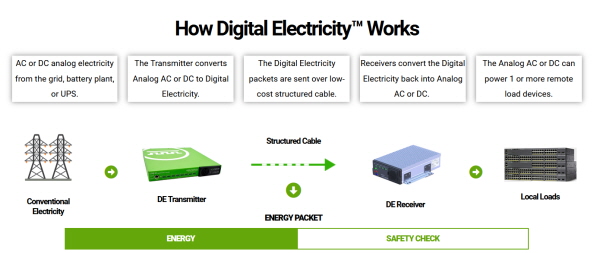
▲각 전력 패킷은 송신기에서 수신기로 전송된다. 각 패킷은 극소량의 에너지만을 포함하고 있으며, 안전 점검을 진행한다. 개별 패킷은 사람, 동물, 장비 및 건물에 무해하다. 볼트서버 제품은 미국의 국가공인 시험소(NRTL)의 안전 및 EMC 기준을 충족하며, 인증을 받아 등재됐다.

볼트서버의 공동설립자인 스테픈 이브스(Stephen Eaves) CEO는 “배관을 통해 물이 빠르게 흐르는 상황을 가정할 때 파이프가 터지게 되면, 강한 수압 때문에 누군가가 다칠 수 있다. 그런 위험을 감수하는 대신 물을 수백만 개의 방울로 나눈 다음 재결합하게 되면, 결국 똑같이 필요한 양의 물을 얻으면서도 안전한 물방울을 활용할 수 있게 되는 것이다. 디지털 전력은 이와 비슷한 개념으로, 에너지 패킷에 소량의 에너지를 배분한다. 전력의 총량은 똑같이 유지하면서, 개별 패킷의 안전을 확보할 수 있다”고 설명한다.
■ 플러그 앤 플레이 방식으로 전력 공급
원천적으로 안전하게 설계된 에너지 전달 방식 덕분에, 볼트서버 Digital Electricity™ 플랫폼은 시중에 나와 있는 구조화된 구리 통신 케이블이나 클래스2 저전압 배선 방식을 활용해 최대 2,000미터까지 전력을 송신할 수 있다.
볼트서버는 이 기술을 활용해 이더넷 전원장치(PoE)와 유사하게 디지털 데이터와 전력을 함께 하나의 혼합 케이블 체계를 통해 송신할 수 있게 됐다. 통상적인 110/220 전압 체계보다 설치가 훨씬 수월하고 비용 또한 저렴하다.
이와 같은 단순함은 건축가, 디자이너, 그리고 건물 관리자들로 하여금 무선 네트워크, 사무실 평면도 및 농업용 재배실 등을 빠르고 손쉽게 구성 및 재구성할 수 있게 해준다.
플랫폼이 원천적으로 디지털 기반이므로, 에너지 사용량에 대한 정보를 중앙 대시보드에서 확인하는 것이 전례 없이 간단해졌다. 이를 통해 건물 운영자와 관리팀은 건물의 배전 체계를 세부적으로 주시할 수 있으며, 주요 로드를 보다 수월하게 관리하는 한편, 기존의 회로 차단기 패널을 사용하지 않아도 된다.
■ 바이코 고효율 컨버터, 추가 쿨링 필요성 無
바이코는 볼트서버가 제품 개발에 착수한 시점부터 볼트서버와 긴밀하게 협력해 왔다. 바이코에서 생산하는 견고한 패시브 쿨링 BCMⓡ DC-DC 고정 비율 버스 컨버터는 수신기에 내장되어 고전압으로 전송된 전력을 저전압 전력으로 변환시켜 로드에 공급한다.
소형 케이스 내부에 쿨링팬이 장착되지 않더라도 97%의 전력 효율을 활용하여 안정적인 쿨링이 가능하다.
이들 컨버터를 활용하면 수신기를 쿨링팬 활용이 어려운 좁고 밀폐된 공간에 설치하는 것이 가능해진다.
따라서 볼트서버 플랫폼은 훨씬 작은 방열판을 활용하여 고효율로 운영되며, 수신기가 차지하는 공간 또한 현저하게 줄여준다.
볼트서버의 공동설립자인 댄 로위(Dan Lowe) 사업 부문 사장은 “바이코 컨버터를 사용하면 열손실을 기존 컨버터 대비 43% 줄일 수 있으며, 이에 비례하여 방열판의 크기도 줄어들게 된다. 자사는 미국 내 3대 무선통신사업자들을 고객으로 유치하고 있어, 안정성에 대한 요구가 매우 까다롭다. 바이코 제품은 이러한 상황에 매우 적합한 제품이다”라고 전했다.
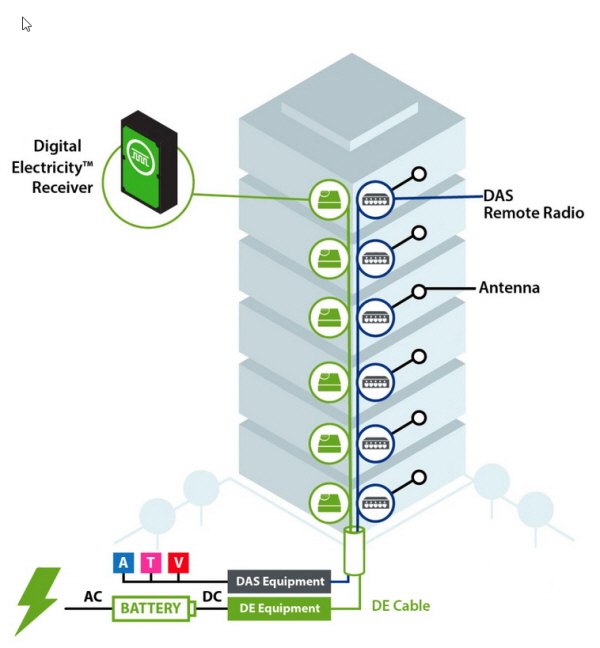
▲볼트서버 Digital Electricity™는 4G LTE, 5G 및 Wi-Fi 무선 신호 전송을 위한 최고의 안정성과 비용 효율을 갖춘 원격 전력 공급 솔루션을 제공한다. 이 솔루션은 커버리지와 용량 모두에 최적화됐으며, 중앙화 된 디지털 구조를 통해 상시 가동되는 통신 네트워크에 적합한 회복성을 지원한다.
볼트서버에서는 종단점 수신기 내에 바이코의 소형 BCM6123 고정 비율 버스 컨버터(0.99 x 2.402 x 0.286in)를 내장해 전력 패킷을 효율적으로 변환하고 있다. 바이코 BCM 제품은 전매의 적은 노이즈, 고효율 사인 진폭 컨버터(Sine Amplitude Converter, SAC™) 토폴로지를 채택하여 전자기 필터링에 대한 요구 또한 최소화된다. 이는 전력 체계가 차지하는 공간을 더욱 줄여줄 뿐만 아니라, 간단하면서도 EMI 기준에 맞는 설계를 제공한다.
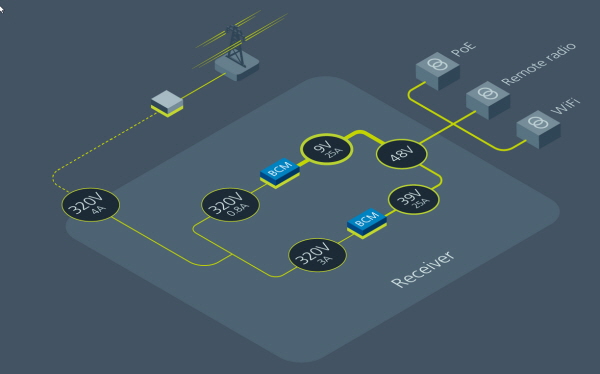
▲바이코의 소형 BCM6123 고정 비율 버스 컨버터(0.99 x 2.402 x 0.286in)는 종단점 수신기에 설치되어 고압 전력을 효율적으로 변환, 다양한 로드를 지원한다. 바이코 BCM 은 시중의 저소음 고효율 SAC™ 토폴로지를 채택하여 전자기 필터링에 대한 요구 또한 최소화하고 있다.
로위 사장은 “전자기 필터링이 최소화된 덕분에, 디지털 전력 수신기를 아주 작은 크기로 만들 수 있으며, 설치 또한 매우 쉬워졌다. 다른 어떠한 컨버터와 비교해도 열효율이 뛰어나다. 열이 더 많이 발생하면 수신기 케이스가 훨씬 커져야 하고, 훨씬 더 많은 쿨링 작업이 요구된다. 궁극적으로 비용이 훨씬 많이 들고, 공간 제약이 있는 장소에서는 설치 자체도 어려워질 수 있다”고 말했다.
특허 출원된 볼트서버 Digital Electricity™ 플랫폼은 전력을 안전한 디지털 형태로 분배한다. 설치가 용이하고 저렴하면서도 회복력이 뛰어나며, 주요 무선통신사업자와 함께 대규모 현장에서 그 안정성을 입증했다. 볼트서버는 장소의 복잡성에 구애 받지 않고, 특별한 요구사항이 있는 경우에도 조직이 진정한 디지털 혁신을 추구할 수 있도록 전력을 지원하고 있다.

Comments
Related news
.jpg)
Vicor Releases Radiation-Fault Tolerant DC/DC Converter Module
Vicor announced the launch of its first radiation-hardened DC-DC converter module fabricated in a new plated SM-ChiP package. The module can deliver up to 300W of power to low-voltage ASICs from a 100V nominal supply, and Boeing testing has demonstrated resilience to a total ionizing dose of 50Krad and immunity to single event upset.
2021.01.05by 이수민 기자
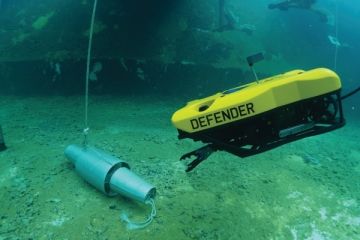
Vicor Provides 'PDN Solution' for VideoRay Underwater ROV
Remotely operated vehicles (ROVs) operating for extended periods in deep sea require the capability to secure operational space, thrust to withstand changing currents, and stability to provide stable video imagery. To achieve this, a high-density power distribution network (PDN) is necessary. Videolabs collaborated with Vicor to develop the 'Defender ROV' with these characteristics.
2021.03.10by 명세환 기자
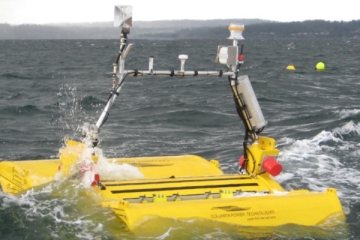
Vicor Provides High-Efficiency Power Conversion Solutions for Wave Power Generators
Baiko announced that it has supplied power conversion solutions to Autonomous Ocean Power System (AOPS) of CPower, a company specializing in marine energy systems. CPower's AOPS captures wave energy and converts it into electricity for various applications including marine oil and gas exploration and production, marine carbon sequestration, oceanographic research, aquaculture, and national defense.
2021.07.27by 이수민 기자
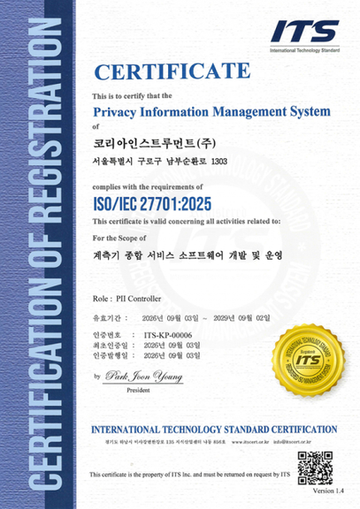
Korea Instrument, KOLAS Accredited Calibration Agency First to Simultaneously Acquire ISO/IEC 27,001·27,701
Korea Instrument has become the first among KOLAS accredited calibration agencies to simultaneously acquire ISO/IEC 27,001 and ISO/IEC 27,701 certifications. Through its proprietary platforms CWIZ Enterprise and CWIZ Partners, the company has embedded information security and personal data protection requirements across all business processes including customer information, equipment data, and calibration reports, with plans to continuously advance its management system through regular audits and security inspections.
2026.10.12by 배종인 기자
TeamViewer One, IT Incident Automation Workflow and Resolution Center Enhanced
TeamViewer has added IT incident automation capabilities and an advanced Resolution Center to its integrated digital workplace management platform 'TeamViewer ONE'. Recurrent service disruptions, configuration errors, and capacity shortages are automatically handled according to preset policies, and device status verification through script deployment can be managed in a unified interface, significantly reducing repetitive tasks for IT teams.
2026.10.12by 배종인 기자











