



[Planning] Radar Sensors: A Key to Smart Living
 Published2021.11.02 14:10
스마트홈·빌딩·가전·조명·보안·도어 등 광범위 응용
인피니언 BGT60LTR1AIP, 외부 無 MCU 센서 작동
[편집자주]모션센서(Motion Sensor)는 물체의 동작을 감지하는 센서로 최근에는 단순한 반응을 넘어 인간의 섬세한 표정까지 인식하며, 가전, 영상, 산업 등 다양한 영역에서 사용되고 있다. 이러한 모션센서는 초음파, 레이저, 마이크로파 등 다양한 종류의 센서가 있어 대상물과의 거리를 계측하거나 속도를 측정하거나 할 수 있다. 이 중 최근에는 60GHz의 레이더 센서를 이용해 조명 제어, 자동 문 개폐, 보안 경보 같은 모션센싱 애플리케이션의 지능화가 보편화 되고 있다. 이에 본지는 인피니언의 ‘센시브(XENSIV™)’ 60GHz 레이더 센서 ‘BGT60LTR11AIP’를 통해 지능형 모션센싱을 구현하기 위한 구체적인 방안에 대해 살펴보는 자리를 마련했다.
■ 레이더 센서, 일상생활 공간에 레이더 기술 도입
레이더 센서는 기존의 모션 감지 애플리케이션에 ‘스마트성’을 더하며, 스마트 라이프 구현의 핵심으로 떠오르고 있다.
주요한 애플리케이션들을 살펴보면 스마트 홈 장치로는 △온도 조절기 △연기 감지기 △스마트 스피커 등에서 사용되고, 스마트 빌딩 영역에서는 △비접촉식 스위치 △점유 및 근접 센서 등에서 사용된다.


스마트 가전 제품 영역에서는 △진공 청소기 △주방 가전 제품 등에서 사용되고, 이외에도 △스마트 조명 시스템 △IP 카메라를 포함한 보안 시스템 △자동 도어 오프너 △화면 기반 시스템 등에서 사용되고 있다.
이러한 영역에서 레이더 센서는 시스템에 통합해 ‘절전 모드’를 해제하거나 정의된 시간 동안 동작이 감지되지 않을 때 슬립 모드에 들어가거나 자동 잠금 모드로 전환된다. 또한 모션 또는 모션 감지 방향에 따라 다른 기능을 트리거 할 수도 있다.
또한 고도의 통합으로 인해 복잡한 안테나 설계, RF에 대한 전문 지식, 레이더 신호 프로세싱이 필요하지 않고, 비금속 물질을 통과하는 송수신이 가능해 제품 안으로 숨길 수 있어 일상생활 공간에 레이더 기술을 도입할 수 있다.
■ ‘센시브(XENSIV™)’ 60GHz 레이더 센서 ‘BGT60LTR11AIP’, 자율 동작 가능·최대 7m 거리 감지·2mW 미만 전력 소비 이러한 스마트 기능을 가능하게 하는 레이더 센서가 바로 인피니언의 ‘센시브(XENSIV™)’ 60GHz 레이더 센서 ‘BGT60LTR11AIP’다.
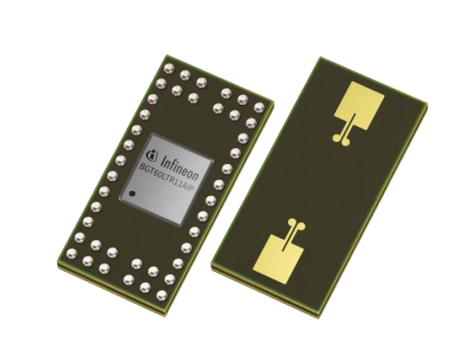
이 센서는 60GHz ISM(Industrial Scientic and Medical) 대역에서 동작하는 도플러 모션 센서로, 단일 패키지로 제공되는 레이더 솔루션이다. 자율 동작이 가능하고, 최대 7m 거리에서 사람을 감지할 수 있으며 2mW 미만의 전력을 소비한다.
BGT60LTR1AIP는 패키지(AIP)의 안테나와 모션 및 모션 방향을 위한 내장 형 검출기를 포함한 완전히 통합된 마이크로파 모션센서로 상태 기계는 외부 마이크로 컨트롤러 없이 센서를 작동 할 수 있다.
BGT60LTR1AIP는 60GHz ISM-band1에서 작동하는 저전력 도플러 레이더 센서로 설계됐다.
주요 스펙을 살펴보면 △3.3 x 6.7 x 0.56 mm 패키지 크기 △80° 반 출력 빔 폭패키지 (AIP)의 1Tx 1Rx 안테나 △내장 모션 검출기 △모션 검출기의 내장 방향 △여러 가지 동작 모드 포함. 완전 자율 모드 △조정 가능한 성능 매개 변수: 감지 감도, 작동 시간 및 빈도 △PCB 설계용 FR4 소재 등으로 구성됐다.
또한 자율 모드는 △최대 7m 감지 범위 △2mW 미만의 전력 소비 △최대 10m 감지 범위(SPI 모드) △SPI 구성 또는 신호 처리에 의한 고급 기능 등이 있다.
이외에도 4개의 쿼드 스테이트(QS1-4) 입력 핀이 있어 자율 모드에서 실행되는 경우에도 성능 파라미터의 유연성을 제공한다.
SPI 모드(QS1 핀을 통해 선택됨)에서 레이더 원시 데이터는 BGT60LTR1AIP에서 추출해 PC 또는 외부 MCU에서 신호 처리를 할 수 있으며, 이 샘플링된 레이더 데이터는 사용자 지정 알고리즘을 개발하는 데 사용할 수 있다.
■ 2개 안테나 빔폭 80°, 커버리지 최대 확대
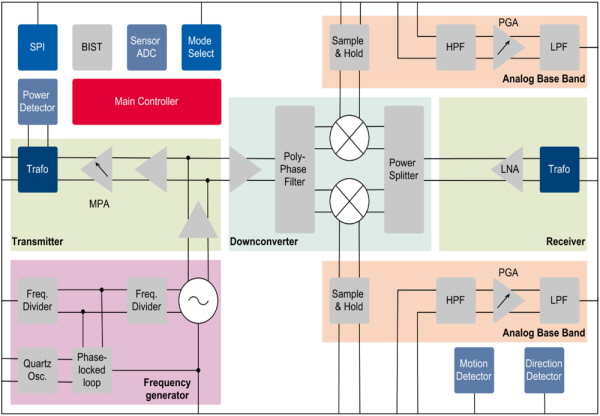
위의 그림은 BGT60LTR11AIP 단일칩 초고주파 집적회로(Monolithic Microwave Integrated Circuit; MMIC)의 기능 블록 다이어그램이다. 이 MMIC 패키지는 하나의 송신 및 하나의 수신 브로드빔 안테나를 포함한다. 2개의 안테나는 수평 및 수직 반전력 빔폭(Half-power Beamwidth)이 80°이므로 커버리지를 최대한 넓힌다.
블록 다이어그램을 보면, 전압 제어 오실레이터(VCO)가 60GHz 레이더 신호를 발생시키고, 이것을 위상 동기 루프(PLL)를 사용해서 안정화한다. 송신 신호 체인은 출력 전력을 설정 가능한 중간 전력 증폭기를 포함하며 SPI를 통해서 제어할 수 있다. 전력 검출기는 송신 전력을 모니터링한다.
BGT60LTR11AIP MMIC는 저잡음 쿼드러처(Quadrature) 리시버와 저잡음 증폭기를 포함하며, 이는 쿼드러처 호모다인(Homodyne) 하향 변환 믹서로 이어진다. 따라서 감도가 우수하다. 내부적 VCO 신호를 받는 RC 다위상 필터는 쿼드러처 믹서를 위해서 쿼드러처 로컬 오실레이터 신호를 생성한다.
아날로그 기저대는 저전력 듀티 사이클 동작을 위한 샘플-앤-홀드(Sample-and-Hold) 회로와 뒤이어서 외부적으로 구성 가능한 하이 패스 필터, 가변 이득 증폭기(VGA), 로우 패스 필터로 이루어진다.
표적 감지기들은 아날로그 비교기로서 레이더 앞에서 표적 움직임에 따라서 펄스를 발생시킨다. 이들 검출기는 2개 디지털 출력 신호를 제공한다. 하나는 표적의 움직임을 지시하는 것이고, 또 하나는 표적이 가까워지거나 멀어지는 것과 같은 움직임 방향을 지시하는 것이다.
검출기 회로는 홀드 시간, 히트 카운터, 검출 임곗값을 사용자가 구성할 수 있어 유연성이 높고 오탐지 가능성을 줄일 수 있다. 홀드 시간은 표적을 감지한 후에 검출기 출력이 유지되는 시간을 말하고, 히트 카운터는 유효한 표적 감지를 판단하는 데 필요한 비교기 출력 펄스 수를 말한다.
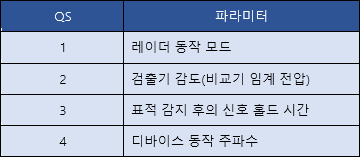
▲4상태 파라미터 설정[표=인피니언]
QS2를 사용해서 사용자는 4가지 임곗값 중에서 선택해서 검출기 감도를 높이거나 낮출 수 있다. 숙련된 레이더 사용자는 QS1 핀을 사용해서 반자율 및 SPI 동작 모드를 선택할 수도 있다. 이들 모드는 원시 레이더 데이터를 추출하고 SPI를 통해서 PC나 외부 마이크로컨트롤러로 커스텀 알고리즘을 사용해서 신호 프로세싱을 할 수 있다.
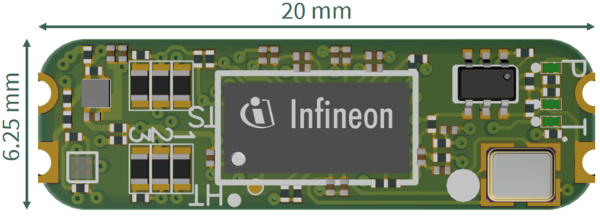
외부 프로세싱을 위해서는 이 평가 보드를 아두이노 MKR 보드나 인피니언 레이더 베이스보드(MCU7)로 연결할 수 있다.
인피니언은 BGT60LTR11AIP MMIC 플랫폼을 지원하기 위해서 데모 소프트웨어와 레이더 그래픽 사용자 인터페이스를 제공한다. 이 그래픽 사용자 인터페이스는 포착된 데이터를 시간 및 주파수 도메인으로 표시하고 분석할 수 있다. 이 센서는 ETSI 및 FCC 규정을 충족한다.

Comments
Related news
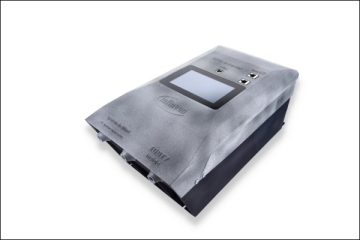
Infineon launches 22kW industrial motor drive reference design
Infineon Technologies has launched a pre-tested industrial reference design that significantly reduces time-to-market. The design is a general-purpose motor drive that delivers rated power of 22kW and can operate directly from a 380~480V three-phase grid. The reference design, suitable for pumps, fans, compressors, and conveyor belts, is fully reusable and allows evaluation of Infineon products under actual operating conditions.
2021.09.06by 강정규 기자
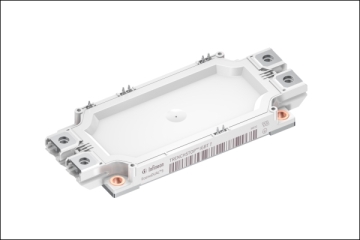
Infineon Unveils IGBT Modules Supporting Up to 900A Rated Current
Infineon announced that its EconoDUAL 3 portfolio adopting TRENCHSTOP IGBT7 chips offers current ratings in 300A to 900A configurations. These products, which enhance flexibility and deliver improved power density and performance, are suitable for photovoltaic, drive applications, commercial/construction/agricultural vehicle (CAV) inverters, and uninterruptible power supply (UPS) inverters.
2021.09.15by 이수민 기자
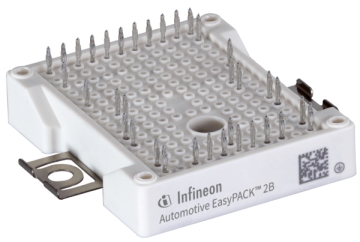
Infineon's new EDT2 power module delivers 20% better performance.
Infineon Technologies' new EasyPACK™ 2B EDT2 power module for 50kW traction inverters is known to deliver 20% superior performance compared to its predecessor (Korea Representative Director: Lee Seung-soo).
2021.10.13by 명세환 기자
Intel Unveils Next-Generation 'Core Ultra Series 3' and vPro Platform for Enterprise PCs
Intel has officially unveiled the "Intel Core Ultra Series 3" for next-generation enterprise PCs and the latest vPro platform, addressing a wide range of demands from enterprise notebooks to high-performance workstations.
2026.03.26by 배종인 기자
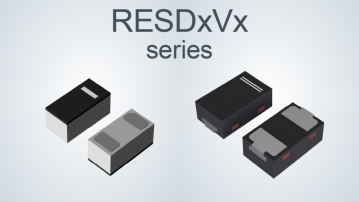
ROHM Launches ESD Protection Diode Compatible with High-Speed Interfaces of 10Gbps or Higher
Semiconductor specialist ROHM has developed the 'RESDxVx series' of ESD (electrostatic discharge) protection diodes capable of responding to next-generation high-speed data communication environments exceeding 10Gbps, simultaneously enhancing both signal quality maintenance required in high-speed interfaces and IC protection performance.
2026.03.26by 배종인 기자











