


94.9% of Domestic Companies Have Experienced Supply Chain Crises... Strengthening Semiconductor Capabilities Is Essential
 Published2022.05.03 11:31
주요국 반도체 역량 강화에 정책적 지원
탈중국화 전개 시 대체 수요 대응 정책
[편집자주] 코로나 팬데믹, 지정학적 리스크, 미-중 갈등으로 글로벌 공급망 위기가 심화하며 물류난, 원자재 가격 폭등, 주요 물품 수급 차질 등 생산과 교역에서 국내 기업들이 긴장도가 높은 수준을 지속하고 있다. 글로벌 공급망 위기가 장기화로 접어들며 반도체 및 전자 관련 기업들이 겪고 있는 고충이 많은 상황이다. 이에 본지는 공급망이 재편되는 추세 속에서 국내기업들의 어려움을 살펴보고 향후 들어설 윤석열 차기정부에 어떤 정책적 시사점이 있는지도 함께 짚어보고자 한다.
■국내기업들, 공급망 고충 현황
.jpg)
▲국내기업 공급망 이슈 관심도 및 경험 여부 응답 비율(자료-한국무역협회)
지난 2일 한국무역협회에서 발표한 ‘글로벌 공급망 위기와 우리 기업의 대응현황’ 보고서에 따르면 공급망 교란이 장기화·상시화 됨에 따라 국내 기업의 피해 우려도 가중되고 있다고 밝혔다.
국내기업 1,094개사를 상대로 설문조사한 결과에서 94.9% 기업에서 공급망 이슈에 관심을 갖고 있으며 85.5%에 달하는 곳에서 공급망 문제를 경험했다고 밝혔다. 수출기업이 겪고 있는 공급망 문제에서 물류난이 35.6%로 가장 높았고 원자재 가격 상승 및 수익성 악화가 27.8%로 나타났다.
기업 규모가 작은 중소기업일수록 원자재 가격 상승에 따른 채산성 악화에 민감한 것으로 나타났으며 규모가 큰 대기업일수록 원자재 수급차질과 특정지역 봉쇄에 따른 애로가 있는 것으로 조사됐다.
특히 부품·장비업종에서 원자재 가격상승으로 인한 수익성 악화에 29%가 응답해 전체 업종 중 2위를 기록했다. 이에 대응하기 위해 부품·장비업종 21.9%와 전기·전자업종 20%에서 핵심품목 저장을 대응책으로 꼽았으며, 핵심 품목 공급 대체선 발굴에서 석유 및 화학업종에서 44.3%와 부품·장비업종 39.3% 순으로 응답했다.
조기경보시스템 운영이 필요하다는 답변에서는 전기·전자업종과 부품·장비업종이 나란히 1위(22%), 2위(21.6%)를 기록하며 최종재에 사용되는 부품 수가 많은 업종에서 해당 대응책의 필요도가 높은 것으로 파악됐다. 공급망 관련 전문 기관으로 역할로는 ‘신속한 정보 전달’이 31.6%로 가장 높았고, 조기 경보 시스템 운영이 18.7%로 그 뒤를 차지했다.
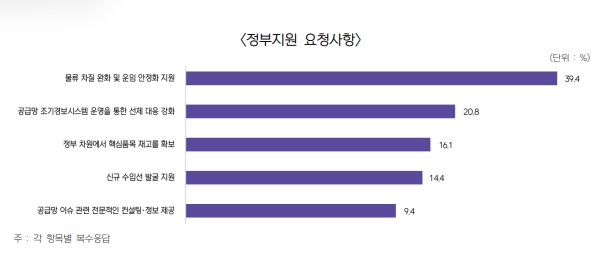
▲글로벌 공급망 이슈 관련 지원 요청사항 응답 비율(자료-한국무역협회)
국내기업들이 대체선 발굴 등 각기 대응력을 발휘하고 있으나 중소기업일수록 대응전략이 없다는 비중이 높아 자구책 마련이 쉽지만은 않은 상황이다. 전문기관의 빠른 정보 전달과 관련 부처 의견 개진 등이 필요하다는 응답이 높아 이에 정부에서 업계 의견을 반영한 적극적인 정책 지원이 필요하다고 업계는 토로하고 있다.
■주요국 공급망 재편 움직임
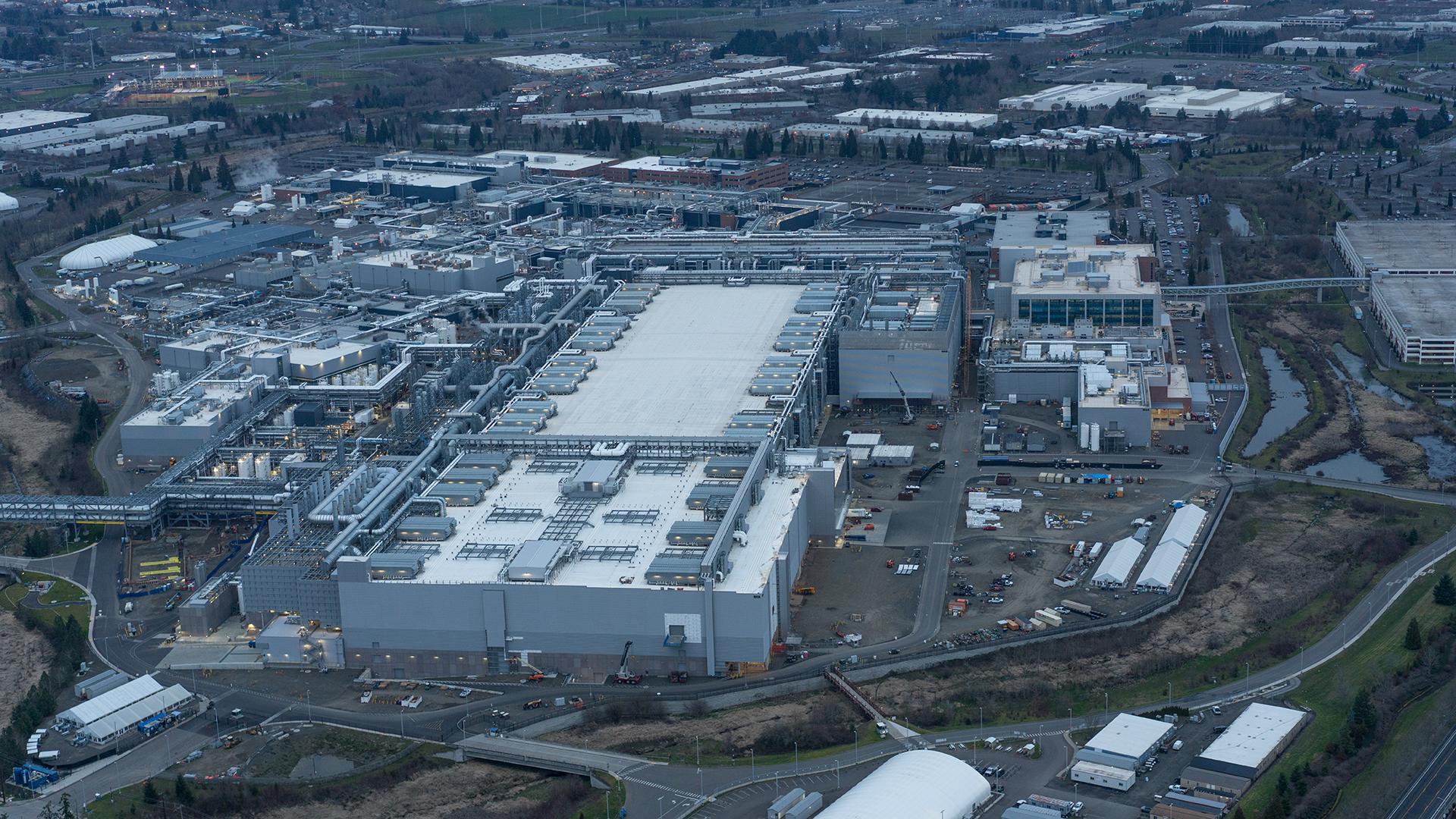
▲인텔 오리건주에 위치한 모드3팹(사진-인텔)
미국과 중국을 비롯한 EU, 일본, 대만 등 주요국들의 반도체 제조 기반 확보 경쟁이 심화하고 있다. 반도체 공급망 위기는 곧 공급망 재편 움직임으로 이어졌으며 글로벌 반도체 공급망 변화가 예고된 상황이다.
산업연구원에서 지난 29일 발표한 i-KIET산업경제이슈에 따르면 글로벌 반도체 공급망 재편 움직임을 분석하며 정책적 시사점에 대한 제언을 밝히고 있다.
먼저 주요국들의 반도체 정책을 살펴보면 미국은 지난 2020년 6월부터 아시아에 편중된 반도체 공급망을 미국 중심으로 재편하기 위한 관련 자금 지원과 정책 법안을 발의하고 있다고 설명했다. 미국 반도체산업법을 통한 △제조 장비 구입비 40% 세금 감면 혜택 △직접자금 지원 △세금 지원을 발의했으며 비록 같은 해 12월 폐기됐으나 자금 지원 방안이 지난해 1월 국방수권법에 포함돼 미국 반도체 지원정채 결정에 큰 영향을 미쳤다고 분석했다.
이후 지난해 4월 발의된 미국혁신경쟁법은 이번해 2월 통과돼 반도체산업에 5년간 520억달러 규모 예산이 투입될 예정이며 지난해 6월 발의된 미국 반도체 촉진법에는 반도체 제조 설비·장비 투자에 최대 25%의 세액 공제 내용이 담겨있다.
중국은 반도체 자립을 목표로 자국 기업 육성과 더불어 외국 기업 유치도 병행 추진한다. 2020년 12월 발표한 14차 5개년 규획에서는 반도체를 중점 과학기술 분야로 선정해 관련 세제지원 내용을 담았다. 이밖에 부족한 반도체 기술 획득을 위해 글로벌 반도체 기업에 대한 전략적 M&A를 추진했으나 미국의 견제로 대부분 무산돼 외국 기업의 중국 내 생산 공장 유치에 노력하고 있다고 설명했다.
일본은 반도체산업 부활을 목표로 TSMC 등 외국 반도체 기업 유치에 초점을 두고 있다. 경제산업성은 지난해 6월 반도체전략을 발표해 첨단 파운드리 유치 및 제조 기반 활성화를 강조했으며 같은해 11월에는 반도체산업 기반 강화 패키지를 발표해 반도체 공장의 자국 입지 지원을 포함했다. 이외에도 TSMC의 일본 내 유치를 위해 팹 조성 사업비 4,000억엔을 지원할 예정이며 반도체, 희토류 등 필수 공급망에 지원하는 5,000억엔 기금을 조성할 계획을 가지고 있다.
유럽연합(EU)도 역내 반도체 생산을 확대하고 글로벌 공급망 재편 과정에서 역할을 부각하기 위한 정책을 수립하고 있다고 보고서는 밝히고 있는데 핵심을 3가지로 요약하면 △유럽 반도체 이니셔티브 설립 △공급 안정화 프레임워크 마련 △모니터링 및 위기대응 조정체계 구축으로 나눌 수 있다.
EU는 2030년까지 세계 반도체 생산 비중을 20%까지 확대한다는 목표를 제시해 이번해 2월 유럽 반도체법을 발의하고 반도체 연구 및 기술 분야 지원과 반도체 생산 능력 확대 등을 추진하고 있다. 이에 민·관 투자로 430억 유로 이상의 펀드 조성을 계획하고 있다고 보고서는 언급했다.
이외에도 대만은 현재 반도체 제조경쟁력에서 우위를 유지하고 있으며 첨단산업 위주의 리쇼어링 지원정책을 추진해 반도체 보조금 및 R&D 프로그램을 지원해 자국 반도체산업 강화를 도모하고 있다. 인도 정부도 자국 전자산업 육성을 위해 반도체·디스플레이 인센티브 프로그램 마련 등 해외 기업 유치 및 자국 내 생산 확대에 적극적인 움직임을 보인다고 설명했다.
■공급망 재편, 정부의 정책 대응 기대
국내 반도체 산업은 기술면에서는 미국에 의존하며 시장은 중국에 의존하고 있어 어느 한쪽을 선택하기 어려운 딜레마에 처해 있다.
산업연구원 ‘글로벌 반도체 공급망 재편 움직임과 정책적 시사점’ 보고서에서는 각국 정부의 지원 속에서 2025년을 기점으로 전세계 반도체 공급망이 재편될 것으로 전망했다. 이에 국내 반도체산업의 글로벌 위상에 부정적 영향이 미칠 가능성을 우려하며 선제적인 조치가 필요하다고 강조했다.
보고서에 따르면 반도체 공급망 재편 이후에는 중립 유지가 어려울 수 있다고 전망하며 대중국 수출이 중단되더라도 일시적인 현상으로 그쳐 다른 국가로의 대체 수요 발생을 예상했다. 또한 미국과 일본 등 주요국의 탈중국화로 재편되는 생산기지가 대체 수요를 소화할 것으로 전망했다.
이에 2022년 7월부터 시행될 ‘국가첨단전략산업경쟁력 강화 및 육성에 관한 특별조치법’을 기반으로 국내 반도체 제조역량을 확충하고 시스템반도체를 포함한 차세대 반도체 핵심기술 확보를 위한 민·관 합동의 전략 강화가 요구된다고 언급했다.
김양팽 신산업실 전문연구원은 “우리 정부는 현재 강점인 반도체 제조 기반을 강화하고 시스템반도체 역량을 확보해 종합 반도체 강국으로 도약하는 전략을 추진해야 한다”고 밝혔다.
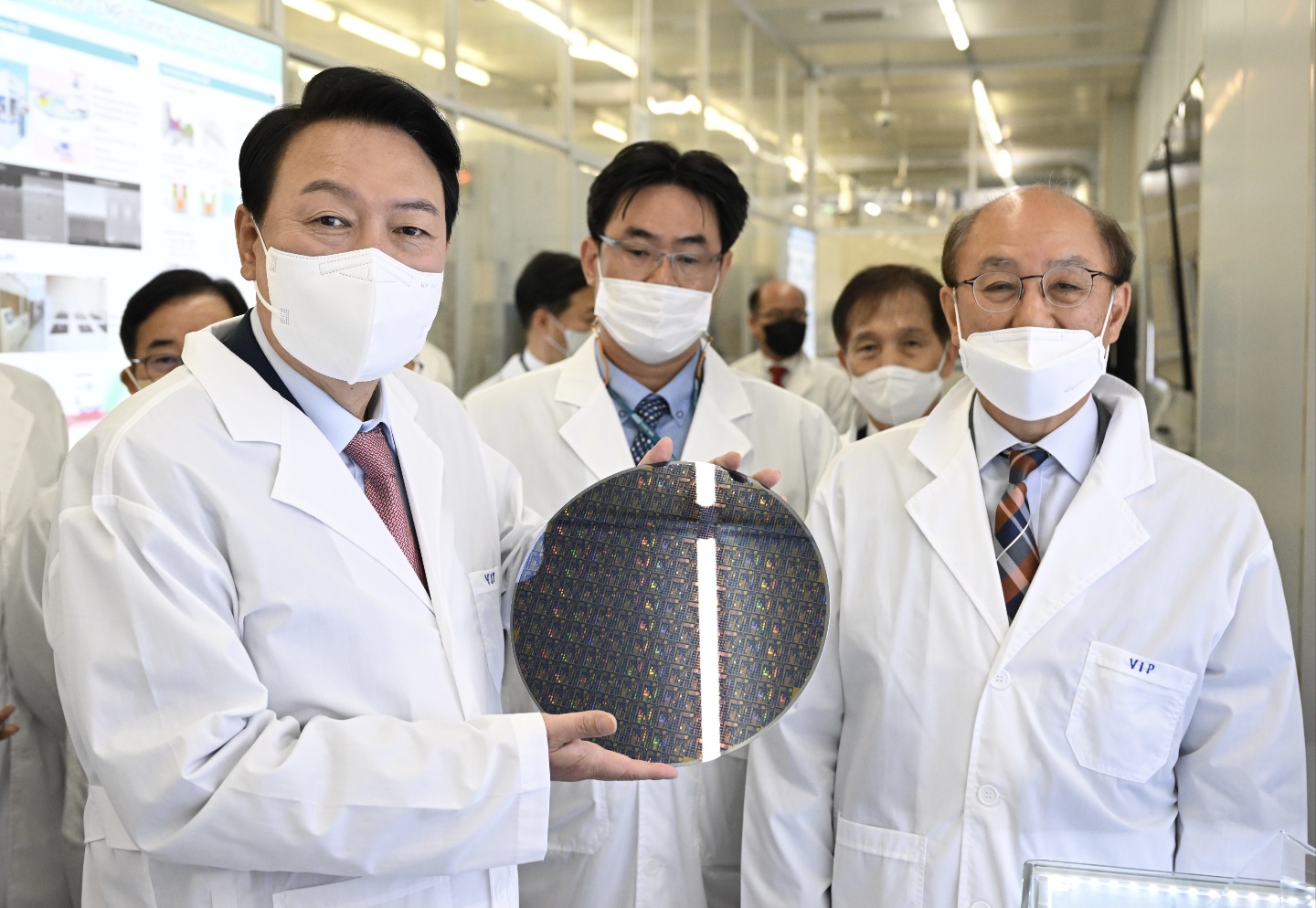
▲29일 대전 한국과학기술원(KAIST) 내 나노종합기술원을 방문한 윤석열 대통령 당선인(사진-제20대 대통령직 인수위원회)
한편, 지난 29일 첨단기술 연구 현장을 찾은 윤석열 대통령 당선인은 나노종합기술원에서 “총으로 전쟁하는 것이 아니라 반도체로 전쟁한다는 말이 있다”며 “국가경제와 안보 핵심에 반도체가 있다”고 언급했다.
차기 정부가 될 윤 당선인 인수위원회에서 반도체 육성을 위한 △R&D지원 △인재양성 청사진 등을 공개하며 반도체 정책 이행을 약속한 바 있다. 글로벌 반도체 공급망 재편 움직임 속에서 차기 정부의 반도체 육성 기조가 그대로 유지돼 유효한 전략으로 작용할 수 있을지 귀추가 주목되고 있다.
Comments
Related news
South Korea and the U.S. Discuss Strengthening Semiconductor Supply Chain
A forum has been arranged to discuss semiconductor global supply chain issues between Korea and the United States, and to explore cooperation measures in technology, human resources, and investment.
2022.03.31by 배종인 기자
[Semiconductor Digital Forum] US-China Semiconductor Hegemony Competition Intensifies
The semiconductor industry is experiencing intensifying global supply chain restructuring. As both China and the United States are making critical efforts to foster their semiconductor industries—with China's semiconductor rise, U.S. investment expansion, and U.S. sanctions against China—responding to these developments has become increasingly important.
2022.04.25by 명세환 기자
.jpg)
Semiconductor rare gas 'unavailable'… June is a turning point
Rare gases for semiconductors are experiencing significant supply constraints due to the Russia-Ukraine war and logistics disruptions between the US and China, with sourcing becoming increasingly difficult. Considering inventory levels and other factors, June is expected to be a critical juncture.
2022.04.27by 배종인 기자
The new government's semiconductor investment and talent development efforts
China's semiconductor rise, U.S. President Biden holding a semiconductor wafer, and TSMC with the world's largest foundry market share—these three have a common point. That is, they all fall within the category of comprehensive government support for semiconductor industry development.
2022.04.28by 명세환 기자
Intel Unveils Next-Generation 'Core Ultra Series 3' and vPro Platform for Enterprise PCs
Intel has officially unveiled the "Intel Core Ultra Series 3" for next-generation enterprise PCs and the latest vPro platform, addressing a wide range of demands from enterprise notebooks to high-performance workstations.
2026.03.26by 배종인 기자











